
科技与文旅融合

Search documents
科技串古今——文旅产业博览会的硬核与浪漫
Chang Jiang Ri Bao· 2025-09-14 00:51
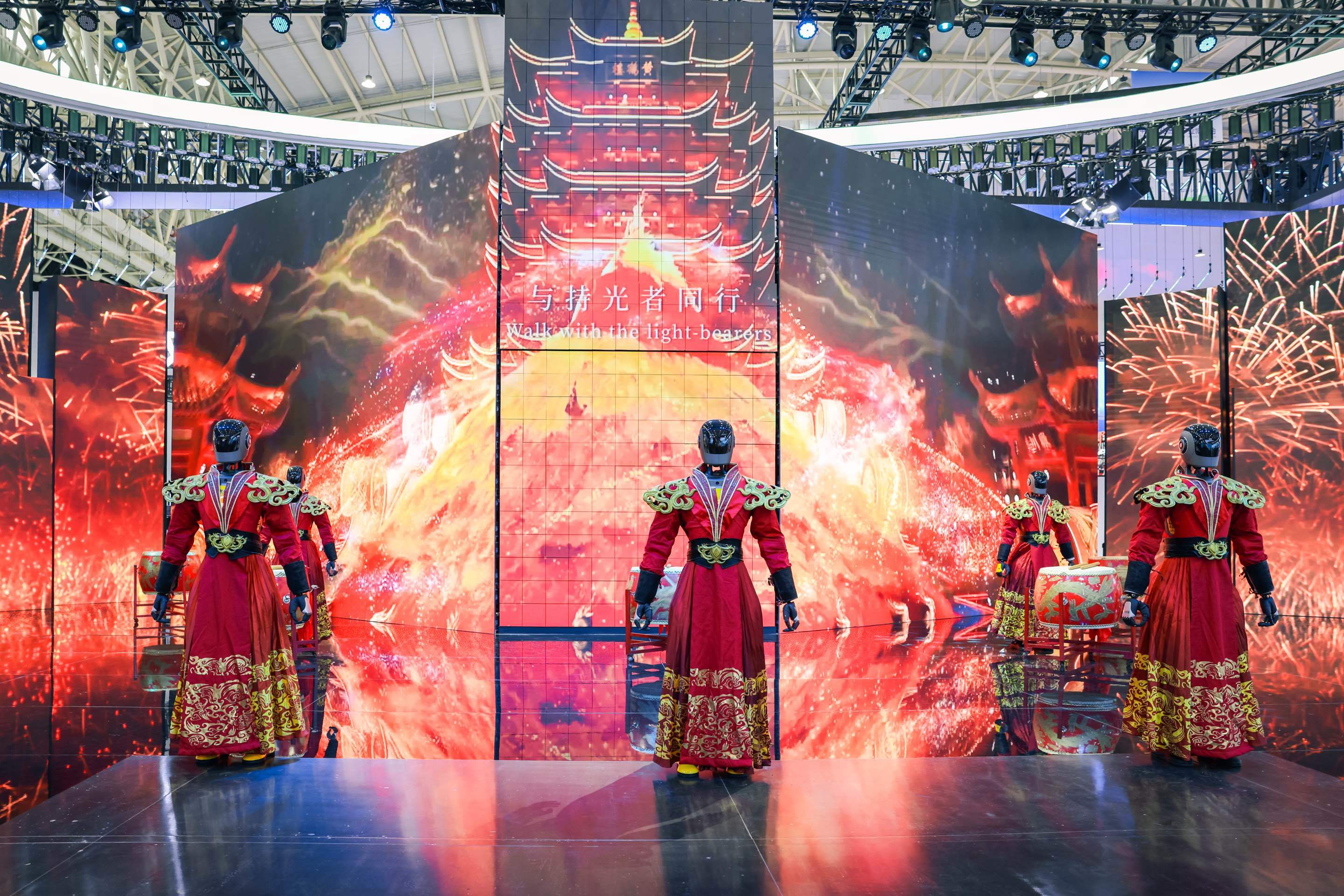
Group 1: Core Insights - The 2025 China Cultural Tourism Industry Expo showcased the intersection of technology and culture, featuring robots capable of performances, guided tours, and poetry recitation, creating a unique interactive experience for attendees [1][10] - The event highlighted the emergence of immersive experiences in cultural tourism, moving from passive observation to active participation through advanced technologies [10][15] Group 2: Technological Innovations - Various robots demonstrated their capabilities, including family companionship, coffee-making, and guided tours, showcasing the deep integration of technology into daily life [2][9] - The "Photon Xiaozhi" cloud dialogue robot, developed by Guanggu Dongzhi Company, is set to be deployed at Wuhan Tianhe Airport, featuring advanced dance performances trained by experts [5][8] - The introduction of the first MR (Mixed Reality) theatrical tour guide system, "Dark Legend and Monopoly," attracted significant attention, allowing users to experience a dynamic and immersive environment [15] Group 3: Market Opportunities - The expo attracted numerous exhibitors and potential collaborators, indicating a growing interest in integrating cultural resources with technological advancements [5][15] - The immersive 8K dome technology, which allows for seamless transitions between different environments, was globally launched at the expo, appealing to various sectors such as education and tourism [10][15] - The event underscored the potential for robots and immersive technologies to become integral to cultural experiences, public services, and family life, expanding the boundaries of the industry [9][15]

自动驾驶赋能文旅产业融合发展:萝卜快跑助力顺德打造“超级文旅生活圈”
Zhong Guo Jing Ji Wang· 2025-08-27 07:05
Core Insights - The event "Smart City, Joyful Shunde" marks the launch of an innovative model combining food and autonomous driving tourism in Shunde District, Foshan, enhancing the integration of technology and cultural tourism [1][2] - The "RoboQuick Food and Tourism Map" for Lecong was released, along with the opening of the "Shunde Food and Tourism Autonomous Driving Line," connecting over 20 cultural and tourism landmarks [1][2] - The initiative aims to meet the new demands of young people for smart travel and cultural experiences, promoting economic synergy with cultural vitality [1][2] Group 1 - The event is a key step in building an "intelligent travel + cultural tourism" ecosystem in Lecong, with RoboQuick achieving full coverage in the core area of Foshan New City [2] - The autonomous driving experience is seen as a convenient and engaging way to explore Shunde's culinary attractions, appealing to both residents and tourists [2] - The initiative is part of a broader strategy to integrate culture and economy in Shunde, with plans to enhance operational services and further embed RoboQuick into the local tourism ecosystem [2] Group 2 - Future plans include creating a "mobile food and tourism museum" to promote Shunde's intangible cultural heritage, launching a "night tour line" to connect city light shows and night markets, and ensuring seamless connections with public transport [2][3] - RoboQuick aims to empower cultural tourism through technology, establishing a unique travel brand for Foshan that offers richer and smarter experiences for visitors [3]
美景遇上科技 长三角地区“智绘”文旅消费新场景
Shang Hai Zheng Quan Bao· 2025-05-15 18:25
Core Insights - The integration of technology and cultural tourism is enhancing visitor experiences and creating new communication channels between tourists and culture [1][2][3] - The Yangtze River Delta region is implementing collaborative mechanisms among 32 cities to promote the deep integration of tourism with technology, culture, and sports [1][4] - AI-driven solutions are being developed to address challenges in the cultural tourism sector, such as data fragmentation and adaptability [2][3] Group 1: Technology and Cultural Tourism Integration - AI technology is being utilized to create personalized tourist experiences, such as AI tour guides that provide tailored services at landmarks like the Oriental Pearl Tower [1][3] - The launch of the AI+ cultural tourism ecosystem growth plan in Shanghai aims to establish a national AI+ cultural tourism industry base, addressing pain points in AI application [2][4] - Strategic partnerships, such as that between SenseTime and the Dunhuang Contemporary Art Museum, are exploring comprehensive solutions for digital interpretation and cultural IP activation [2][3] Group 2: Policy Support for Cultural Tourism - The Yangtze River Delta is developing a roadmap for smart cultural tourism, with plans to cultivate major platforms and immersive experiences by 2027 [4][5] - Anhui province has initiated a smart tourism innovation action plan focusing on digital transformation and infrastructure development [5] - Shanghai's three-year action plan emphasizes the integration of advanced technologies like AI and blockchain to enhance tourism services and experiences [5]
焦点访谈|3.14亿人次出游、消费超1800亿元……“五一”消费市场亮点解析
Yang Shi Wang· 2025-05-07 13:27
Core Insights - The "May Day" holiday saw over 1.467 billion people traveling across regions, indicating a strong recovery in consumer activity and economic vitality in China [1] - The holiday period showcased a diverse and innovative consumer market, with significant growth in domestic tourism and retail sales [3][10] Group 1: Consumer Trends - Domestic travel reached 314 million trips, a year-on-year increase of 6.4%, with total spending of 180.269 billion yuan, up 8.0% [3] - Key retail and catering enterprises reported a sales increase of 6.3% year-on-year during the holiday [3] - The "old-for-new" sales policy was particularly successful, with significant consumer interest in upgrading household appliances and vehicles [10] Group 2: Technological Integration - The integration of technology in cultural tourism has enhanced consumer experiences, with immersive performances and interactive exhibits becoming popular [5] - The shift of technology from a cost center to a profit center in tourism indicates a growing trend where tech-driven experiences directly contribute to revenue [5] Group 3: Innovative Consumption Scenarios - Unique local events, such as concerts in natural caves and themed markets, have attracted significant visitor interest and spending [7][12] - The rise of "film tourism" has been noted, where locations featured in popular movies see increased foot traffic and sales [7][8] Group 4: International Tourism - The implementation of visa-free policies and tax refund measures has led to a 43.1% increase in foreign visitors during the holiday, with 1.115 million entries recorded [16] - The average stay of foreign tourists has increased to approximately 3.9 days, indicating a shift towards exploring multiple destinations [16] Group 5: Economic Implications - The surge in consumer activity reflects a robust recovery in the Chinese economy, with new consumption scenarios emerging across urban and rural areas [16] - The continuous expansion of the consumer market is expected to provide sustained momentum for economic growth in China [16]
“五一”假期,杭州接待外地游客960万人次
Hang Zhou Ri Bao· 2025-05-06 02:39
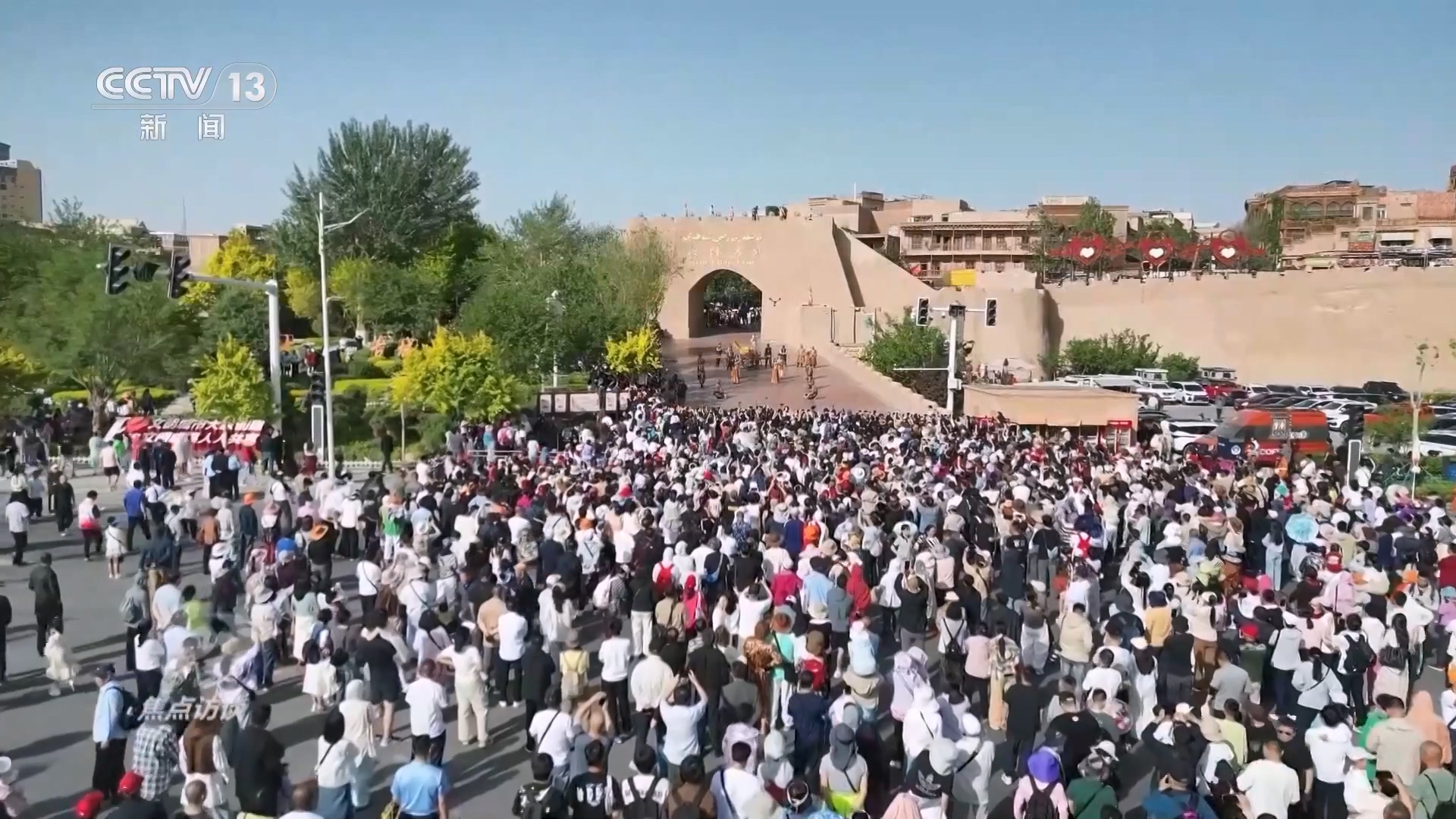
Group 1 - The core viewpoint highlights the significant increase in tourism in Hangzhou during the "May Day" holiday, with a total of 16.13 million visitors, representing a 53% year-on-year growth [1] - Hangzhou ranked among the top three popular travel destinations during the holiday, following Beijing and Shanghai, with 9.6 million visitors from outside the city, a 35.4% increase [1] - Key attractions such as the Broken Bridge and Lingyin Temple saw record-high visitor numbers, with the Songcheng scenic area receiving 393,900 visitors over five days, including a peak of 130,400 on May 2 [1] Group 2 - The integration of technology in tourism is showcased through various innovative experiences, such as dancing robots and AI interactive exhibits, enhancing the overall visitor experience [2] - The "County Tour" concept emerged as a popular trend, with rural tourism receiving 1.09 million visitors on May 3, marking a 13.62% increase [2] - The inbound tourism market was activated by favorable visa and tax policies, with Hangzhou's inbound travel orders increasing by 63% and ticket orders rising by 33% during the holiday [2]