经济多元化战略

Search documents
2025中东不动产投资高峰论坛在沪举办
Zheng Quan Ri Bao Wang· 2025-09-24 11:52
Group 1 - The "2025 Middle East Real Estate Investment Summit" was held in Shanghai, focusing on international economic trends and opportunities in the UAE residential market [1] - CRIC released the "2025 Mid-Year UAE Residential Market Trend Report," analyzing key aspects of the UAE residential market, particularly in Dubai and Abu Dhabi [1] - ALDAR Development's CEO Jonathan Emery highlighted the UAE government's initiatives, such as the Golden Visa and foreign ownership policies, which enhance the investment environment and support economic diversification [1] Group 2 - Shanghai Construction Group's overseas business manager emphasized the need for tailored strategies in the Middle East, advocating for industry co-construction and high-value project focus [2] - The shift from low-cost competition to value-driven approaches is essential for engaging with the Middle East's $4 trillion sovereign capital [2] - Cultural integration and local talent development are crucial for successful partnerships in the region, aligning with ESG principles [2]

阿联酋与马里加强投资及商业合作
Shang Wu Bu Wang Zhan· 2025-08-23 03:13
Group 1 - The UAE-Mali Business Forum was held in Sharjah to promote investment opportunities in Mali [1] - The opportunities align with the UAE's economic diversification strategy and cover sectors such as agriculture, energy, and mining [1] - A joint business council is planned to enhance cooperation between the private sectors of both countries [1] Group 2 - The President of the Mali Chamber of Commerce, Sinpara, introduced key projects in sectors including energy, transportation, and healthcare [1] - Mali invited UAE companies to conduct on-site visits to deepen economic and trade cooperation between the two nations [1]
上半年阿布扎比非石油贸易继续增长
Shang Wu Bu Wang Zhan· 2025-08-08 17:26
Core Insights - Abu Dhabi's non-oil foreign trade experienced robust growth in the first half of 2025, totaling 195.4 billion dirhams, a year-on-year increase of 34.7% [1] Trade Performance - Non-oil exports surged by 64% to reach 78.5 billion dirhams [1] - Imports rose by 15% to 80 billion dirhams [1] - Re-exports increased by 35% to 36 billion dirhams [1] Economic Factors - The growth reflects the strong resilience of Abu Dhabi's economy and the effectiveness of its diversification strategy [1] - Key factors contributing to this growth include infrastructure, logistics services, and policy initiatives [1] Strategic Positioning - The performance underscores Abu Dhabi's status as a global economic hub, with significant roles played by policy execution and long-term planning [1] - Abu Dhabi Customs emphasized improvements in customs efficiency through smart and digital reforms, enhancing trade fluidity in collaboration with strategic partners [1] Future Outlook - Abu Dhabi aims to continue optimizing its business environment and strengthening international supply chain connections to solidify its position as a global trade and logistics center [1]
阿曼非石油出口总额增长7%至70亿美元
Shang Wu Bu Wang Zhan· 2025-07-31 15:38
Core Insights - Oman’s non-oil exports reached 2.701 billion Omani Rials (approximately 700 million USD) from January to May 2025, marking a year-on-year increase of 7.2% driven by rising regional and global market demand [1] Export Performance - Exports to the UAE increased by 23% to 485 million Omani Rials, making it the top destination [1] - Exports to Saudi Arabia reached 451 million Omani Rials, with a growth rate of 34.9% [1] - Exports to India amounted to 280 million Omani Rials, showing a significant increase of 38.9% [1] - In contrast, exports to the United States experienced a decline [1] Product Categories - Growth was observed in the export of chemicals, metals, and animal products [1] - Conversely, exports of mineral products, plastics, rubber, and related products saw a decline [1] Economic Diversification - The data indicates the effectiveness of Oman’s economic diversification strategy, with regional cooperation being a key driver of non-oil export growth [1] - There is a need to monitor global market fluctuations that may impact certain industries, emphasizing the importance of continuously optimizing the export structure to enhance economic resilience [1]
沙特阿美启动电厂资产出售,或筹资40亿美元
智通财经网· 2025-07-04 12:32
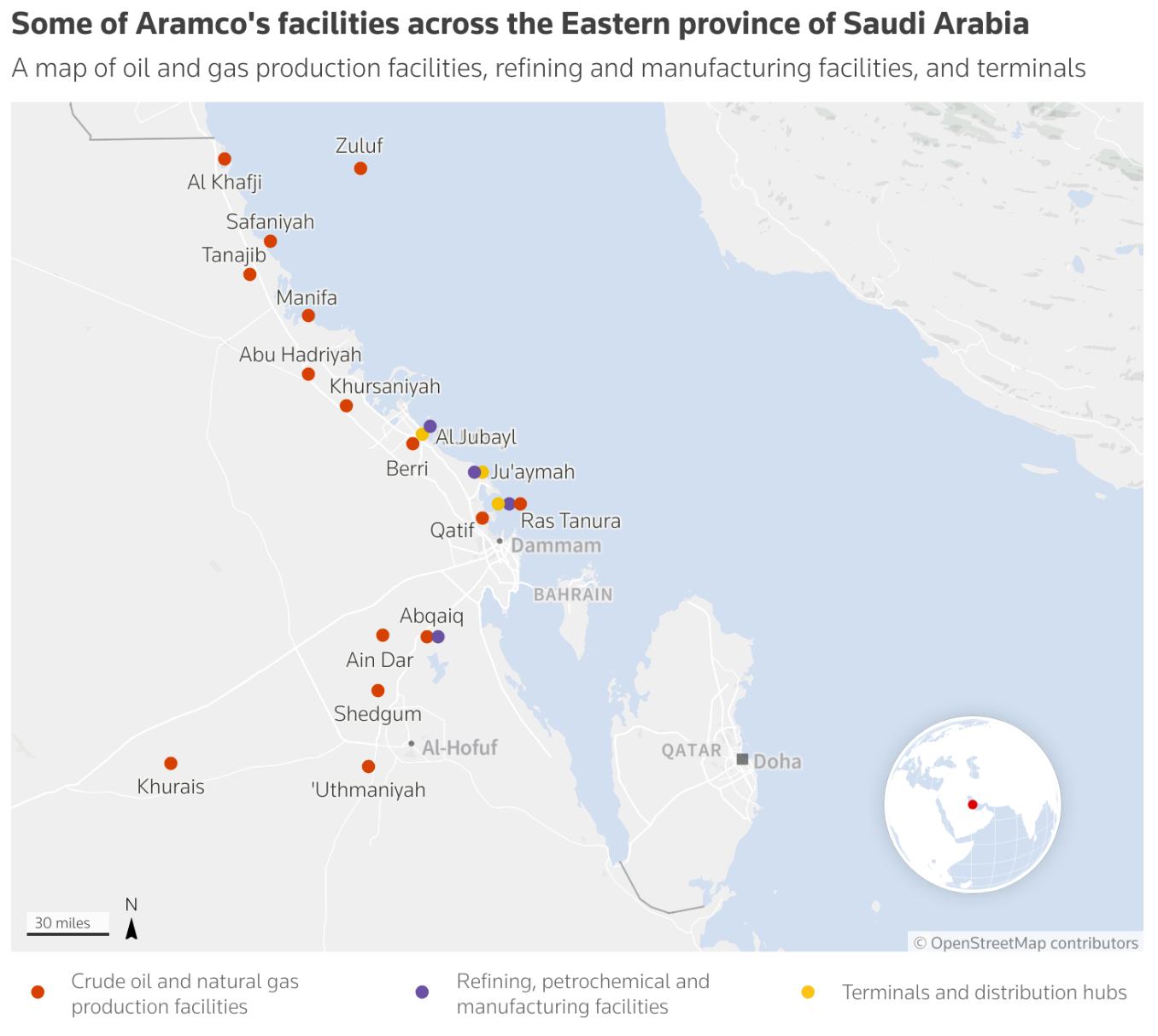
Group 1 - Saudi Aramco plans to sell four to five gas power plants as part of a strategy to unlock funding potential, which could generate several billion dollars [1] - The sale of these gas power plants, which supply power to refineries, could raise approximately $4 billion [1] - The Saudi government is urging Aramco to enhance profitability to increase national fiscal revenue [1] Group 2 - Aramco is the world's most profitable company and a major source of Saudi fiscal revenue, prompting ongoing asset sales, efficiency improvements, and cost-cutting measures [1] - The company is expected to cut nearly one-third of its dividend payments this year due to revenue impacts from falling oil prices [1] - Saudi Arabia's budget for 2024 is projected to have a deficit exceeding $30 billion, despite significant oil revenue contributions [5] Group 3 - Aramco owns or partially owns 18 power plants and related infrastructure in Saudi Arabia, providing energy for its gas and refinery operations [2] - New power plants are set to come online, including the Tanajib gas power plant project expected to start operations this year [2] - The asset sale coincides with Crown Prince Mohammed bin Salman’s push for economic diversification amid ongoing pressure from declining oil prices [5] Group 4 - Potential buyers for the assets may include local companies such as Saudi utility firms [1] - In May, Aramco issued $5 billion in bonds and signaled further financing plans [5] - The company is also exploring funding options through investor participation in infrastructure projects [5]

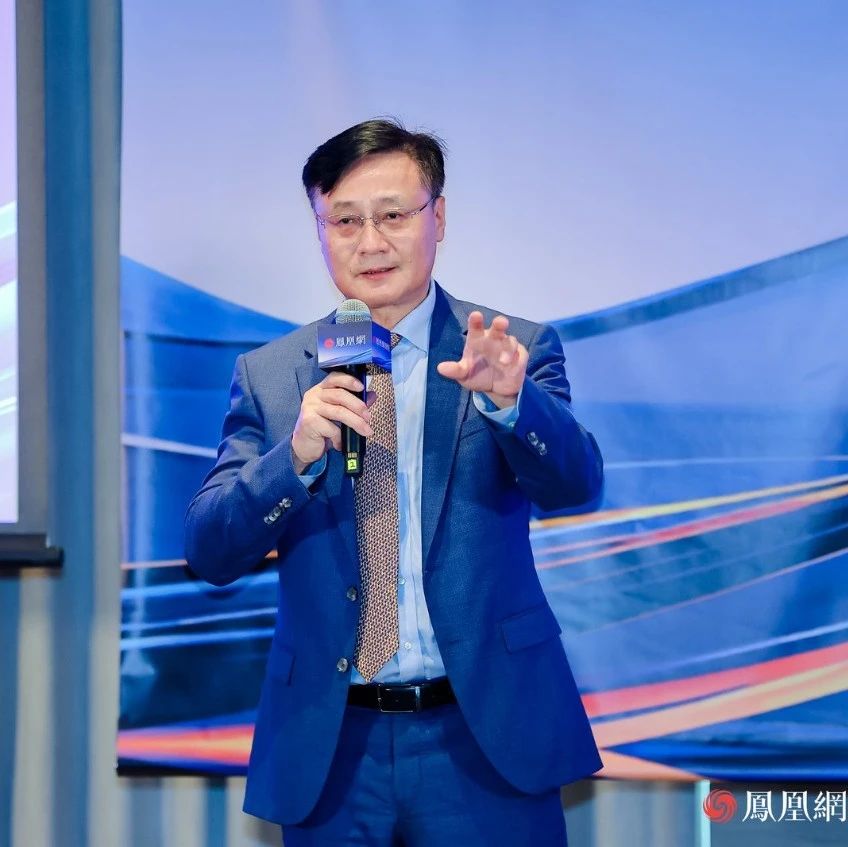
孙元江:迪士尼落地当日房价翻倍,从事房地产的可以去阿联酋看看
凤凰网财经· 2025-06-30 14:22
Core Viewpoint - The "2025 China Enterprises Going Global Summit" aims to provide a high-end platform for Chinese companies to address challenges in international expansion and explore collaborative transformation paths in the context of global industrial chain restructuring [1]. Group 1: Middle East Investment Opportunities - The establishment of the Asian Infrastructure Investment Bank (AIIB) office in Abu Dhabi was influenced by the UAE's early lifting of travel restrictions and its strategic location, which allows efficient access to key markets in Africa, the Middle East, Central Asia, and South Asia [2]. - Middle Eastern countries, particularly in the Gulf region, are actively promoting economic diversification, moving away from oil dependency. Dubai's transformation into a tourism and investment hub through iconic projects like the Burj Khalifa and artificial islands exemplifies this shift [2]. - Abu Dhabi is replicating Dubai's success with projects like cultural and entertainment islands, which have significantly impacted local real estate prices, indicating a favorable investment climate for real estate in the UAE [2]. - Countries like Saudi Arabia and the UAE are focusing on renewable energy, high technology, AI, data infrastructure, and logistics, presenting various sectors for potential investment opportunities [2].
沙特Q1外资流入64亿美元,同比增长24%创三年最强开局
Jin Rong Jie· 2025-06-30 05:00
Group 1 - Saudi Arabia achieved foreign direct investment inflow of 240 billion riyals (approximately 64 billion USD) in Q1 2025, marking a 24% year-on-year increase, the strongest annual start since 2022 [1] - Foreign capital outflow was 18 billion riyals (approximately 4.8 billion USD), significantly reduced by 54% year-on-year [1] - Net foreign direct investment reached 222 billion riyals (approximately 59 billion USD), a 44% year-on-year increase, although it decreased by 7% quarter-on-quarter [1] Group 2 - The Saudi government has been continuously optimizing the investment environment through institutional innovations to attract international capital [3] - A newly revised investment law has been approved, consolidating multiple existing rights of investors into a unified legal framework, enhancing transparency, flexibility, and investor confidence [3] - The digital platform of the Saudi Investment Ministry executed over 58,000 transactions in Q1, a 29% increase year-on-year, reflecting the government's efforts to simplify procedures for foreign businesses [3] Group 3 - The "Vision 2030" economic diversification strategy emphasizes attracting foreign investment as a key component [4] - The "Saudi Regional Headquarters Program" was launched to encourage multinational companies to relocate their regional headquarters to Saudi Arabia, offering tax incentives including a 30-year exemption from corporate income tax [4] - Over 400 multinational companies, including tech giants like Amazon, Google, and Microsoft, have received permits for regional headquarters in Saudi Arabia [4]

孙元江:迪士尼落地当日房价翻倍,从事房地产的可以去阿联酋看看
Feng Huang Wang Cai Jing· 2025-06-29 23:44
Group 1 - The "2025 China Enterprises Going Global Summit" was held in Shenzhen, focusing on providing a high-end platform for Chinese companies to address challenges in international expansion and explore collaborative transformation paths in the context of global supply chain restructuring [1] Group 2 - The Asian Infrastructure Investment Bank (AIIB) established its first overseas office in Abu Dhabi, driven by the need for international travel during the pandemic and the UAE's strategic location for accessing key markets in Africa, the Middle East, Central Asia, and South Asia [3] - The Middle East, particularly the Gulf region, is actively promoting economic diversification, moving away from oil dependency towards sectors like tourism and investment, exemplified by Dubai's iconic projects [3] - Abu Dhabi is replicating Dubai's success through projects like cultural and entertainment islands, with significant impacts on local real estate, as seen when Disney's announcement led to a doubling of property prices [3] - Countries like Saudi Arabia and the UAE are focusing on renewable energy, high technology, AI, data infrastructure, and logistics, presenting investment opportunities for companies [3]

卖给谁都不准卖给中国!蒙古把最大的铜矿卖给澳大利亚
Sou Hu Cai Jing· 2025-06-09 14:32
Core Viewpoint - The article discusses the complex geopolitical and economic factors behind Mongolia's decision to sell its copper mine, Oyu Tolgoi, to Australian company Rio Tinto instead of China, despite China's status as the largest copper consumer [3][5]. Group 1: Copper Mine Overview - Oyu Tolgoi is one of the largest copper mines in the world, located in southern Mongolia, with high-quality ore and significant reserves valued in trillions of dollars [3]. - The mine's proximity to China makes it a prime target for meeting China's manufacturing needs [3]. Group 2: Mongolia's Strategic Decision - Mongolia's choice to sell the mine to Australia reflects its "third neighbor" policy aimed at balancing relations with China and Russia while seeking to attract Western investment [5]. - The decision is intended to diversify Mongolia's economy and reduce reliance on a single market, specifically China [5][9]. Group 3: Risks and Challenges - The restrictions imposed on Rio Tinto to prevent selling copper to China create operational difficulties for the company, which has invested heavily in the mine [7]. - Mongolia's decision may lead to economic self-sabotage, as China is the largest buyer of copper globally, and the restrictions could limit Mongolia's revenue potential [7][9]. Group 4: Geopolitical Implications - Mongolia's strategy to engage with Western markets while limiting ties with China poses significant risks, given China's importance as a trade partner [9]. - The lack of sufficient infrastructure, funding, and technology in Mongolia compared to Western countries complicates its economic transition [9][11]. Group 5: Broader Insights - The situation illustrates the complexities of international resource negotiations, where no party emerges as a clear winner, and each country's decisions are fraught with contradictions and compromises [11].