美联储独立性受损

Search documents
高盛看涨黄金至近5000美元,美联储独立性受损或推高金价
Sou Hu Cai Jing· 2025-09-07 06:17
Group 1 - Goldman Sachs maintains a bullish outlook on gold, recommending it as the "highest-conviction long" investment due to potential inflation and risks associated with the independence of the Federal Reserve [1][2] - The firm projects gold prices to reach $3,700 per ounce by the end of 2025 and $4,000 per ounce by mid-2026, with a potential spike to over $4,500 per ounce under certain risk scenarios [1] - The report highlights that a loss of Federal Reserve independence could lead to rising inflation, falling long-term bond prices, declining stock prices, and a weakened status of the dollar as a reserve currency, making gold a more attractive store of value [1] Group 2 - If private investors diversify into gold similarly to central banks, Goldman Sachs predicts that gold prices could exceed $4,500 per ounce [2] - A scenario where 1% of the funds currently held in U.S. Treasury securities by private investors flows into gold could push prices close to $5,000 per ounce [2]


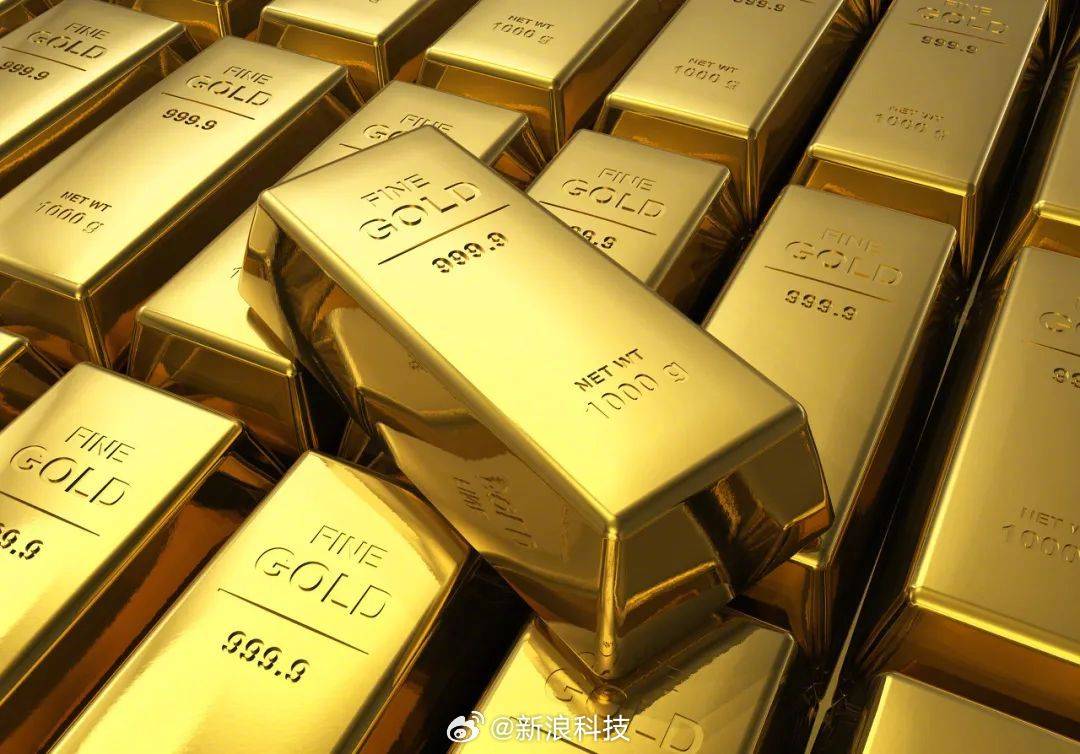
高盛给黄金“最强背书”:极端情景下将飙升至接近5000美元!
Jin Shi Shu Ju· 2025-09-04 04:40
Group 1 - Goldman Sachs indicates that if the credibility of the Federal Reserve is compromised, gold prices could rise to nearly $5,000 per ounce with just a small shift of investor holdings from U.S. Treasuries to gold [1][2] - Analysts predict that gold prices could reach $4,000 per ounce by mid-2026 under baseline forecasts, and in a "tail risk scenario," prices could hit $4,500 per ounce [1] - Gold has been one of the best-performing major commodities this year, with a price increase of over one-third, driven by central bank purchases and expectations of an impending rate cut by the Federal Reserve [1][2] Group 2 - The expectation of a rate cut by the Federal Reserve has been fueled by a cautious approach from Chairman Powell, with an important U.S. employment report potentially supporting the case for lower rates [2] - Concerns about the independence of the Federal Reserve have intensified due to President Trump's escalating attacks, which could lead to currency depreciation and increased debt costs [2] - Berenberg's economist warns that continued political pressure on the Federal Reserve could result in a weaker dollar and higher long-term borrowing costs, which may prompt a reaction from Trump [2]
最高大涨69%!这类ETF受热捧
证券时报· 2025-09-04 04:17
Core Viewpoint - The article highlights a strong resurgence in the gold market, driven by expectations of interest rate cuts by the Federal Reserve and concerns over its independence, leading to significant price increases in gold and related stocks [1][4][10]. Group 1: Gold Price Movement - On September 3, spot gold prices surpassed $3,550 per ounce, marking a year-to-date increase of over $925, or more than 35% [2]. - COMEX gold also reached a historical high of $3,616.9 per ounce during intraday trading [2]. - Domestic gold prices in China, such as AU9999, rose over 1% to 809 yuan per gram, with major jewelry brands reporting increased prices for gold jewelry [2]. Group 2: Market Sentiment and Federal Reserve Actions - Fund managers attribute the recent bullish trend in gold to weak economic data reinforcing optimistic expectations for a September rate cut by the Federal Reserve [4]. - The anticipated rate cut is nearly confirmed following the Jackson Hole meeting, with a dovish outlook dominating the market [4]. - Concerns over the Federal Reserve's independence have intensified, particularly after President Trump's actions to influence the Fed, which could lead to a significant increase in the likelihood of further rate cuts [5]. Group 3: Performance of Gold-Related Stocks and ETFs - Gold-related ETFs have seen substantial gains, with the top-performing gold stock ETF, Yongying Gold Stock ETF, rising approximately 69% year-to-date [7]. - Individual gold stocks, such as Laopu Gold and China National Gold, have surged over 200% this year, with around 10 gold stocks doubling in price [8]. - The domestic gold mining sector is expected to benefit from stable production costs and increased demand, as China remains the largest gold producer and consumer globally [8]. Group 4: Long-Term Outlook for Gold - The article suggests that the long-term outlook for gold remains positive due to the Fed's rate-cutting cycle, increasing macroeconomic uncertainties, and a global trend towards de-dollarization [10]. - Central banks, including China's, continue to increase their gold reserves, indicating a sustained demand for gold as a reserve asset [10]. - The potential impact of stablecoins on the dollar's credibility and gold prices is noted, with ongoing developments in this area warranting close attention [11].
最高大涨69%!黄金ETF受热捧 黄金仍在新周期的路上
Zhong Guo Jing Ji Wang· 2025-09-04 00:40
Group 1 - Gold prices have surged significantly, with spot gold reaching $3,550 per ounce and a year-to-date increase of over $925, representing a rise of more than 35% [1] - The gold-related ETFs have also seen substantial gains, with the top-performing ETF, Yongying Gold Stock ETF, rising approximately 69% this year [4] - The recent bullish trend in the gold market is attributed to expectations of an imminent interest rate cut by the Federal Reserve, driven by weak economic data and concerns over the Fed's independence [2][3] Group 2 - The market anticipates a significant increase in the likelihood of further rate cuts by the Federal Reserve, with nearly a 90% probability for a September cut, and potentially two cuts within the year [2][5] - The ongoing trend of central banks, including the People's Bank of China, increasing their gold reserves supports the long-term bullish outlook for gold [6] - The domestic gold mining companies are expected to play a crucial role in meeting the growing demand, as China is the largest gold producer and consumer, with a significant supply gap [4][5]
最高大涨69%,这类ETF受热捧
Zheng Quan Shi Bao· 2025-09-04 00:01
Group 1 - Gold prices have surged significantly, with spot gold reaching $3,550 per ounce and a year-to-date increase of over $925, representing a rise of more than 35% [1] - The domestic gold price for AU9999 has also increased by over 1%, closing at 809 yuan per gram, while major jewelry brands have raised their gold jewelry prices [1] - The A-share and Hong Kong stock markets have seen a collective benefit in the gold sector, with over 10 gold stocks doubling in price this year, and the largest increase in the Yongying Gold Stock ETF, which has risen by 69% [1] Group 2 - The recent bullish trend in the gold market is attributed to weak economic data reinforcing optimistic expectations for a Federal Reserve rate cut in September, alongside concerns over the Fed's independence [2][3] - The market anticipates that if former President Trump successfully influences the Fed's board, it could lead to a significant increase in the likelihood of further rate cuts next year [2] - The Fed's dovish stance, focusing on employment protection, has further bolstered market expectations for rate cuts, with a nearly 90% probability of a cut in September and potentially two cuts within the year [2] Group 3 - The loss of independence of the Federal Reserve is viewed as a significant positive for gold, as market expectations shift towards substantial monetary easing, which could lead to uncontrolled inflation [3] - Gold is perceived as a stable store of value amidst concerns over fiat currency devaluation, enhancing its attractiveness as a non-political asset [3] Group 4 - Gold-related ETFs have seen substantial gains, with commodity gold ETFs yielding around 30% and stock gold ETFs exceeding 60% in returns this year [4] - Individual stocks such as Laopu Gold and China National Gold International have surged over 200% this year, indicating strong performance in the gold mining sector [4] - The domestic gold mining companies are expected to play a crucial role in meeting the significant demand for gold, with a projected consumption of 985 tons in 2024 against a production of 377 tons [4] Group 5 - The current environment of Fed rate cuts historically supports strong gold price performance, and central bank gold purchases are likely to continue, providing medium-term support for gold prices [5] - Gold stocks are anticipated to benefit from market valuation corrections and price increases in the gold sector, leading to a potential "Davis double" effect [5] Group 6 - Long-term factors such as the Fed's rate cut cycle, increasing macroeconomic uncertainty, and global de-dollarization trends are expected to support gold prices [6] - The ongoing trend of central banks purchasing gold, particularly by the People's Bank of China, which has increased its reserves for nine consecutive months, indicates a strong demand for gold as a reserve asset [6] Group 7 - The potential legalization of stablecoins by the U.S. government may impact the credibility of the dollar and gold prices, with possible mixed effects depending on the stability and trustworthiness of these digital currencies [7] - If stablecoins effectively support dollar credibility, it could reduce the demand for gold as a hedge against currency devaluation, while unexpected credit risks could increase market risk premiums, benefiting gold [7]
最高大涨69%!这类ETF受热捧
券商中国· 2025-09-03 23:28
Core Viewpoint - The recent surge in gold prices is attributed to expectations of interest rate cuts by the Federal Reserve and concerns over its independence, which have strengthened the demand for gold as a safe-haven asset [2][3][4]. Group 1: Gold Price Movement - On September 3, spot gold prices reached $3,550 per ounce, marking an increase of over $925 or more than 35% year-to-date [2]. - COMEX gold also hit a record high of $3,616.9 per ounce, while domestic AU9999 gold prices rose over 1% to 809 yuan per gram [2]. - The A-share and Hong Kong stock markets saw significant gains in gold-related stocks, with over 10 stocks doubling in price this year, and the top-performing ETF, Yongying Gold Stock ETF, rising by 69% [2][5]. Group 2: Factors Influencing Gold Prices - The market's bullish sentiment is driven by two main factors: the confirmation of a rate cut cycle post-Jackson Hole meeting and concerns regarding the Federal Reserve's independence following Trump's actions against Fed officials [3][4]. - Fund managers believe that the Fed's dovish stance, focusing on employment protection, has increased the likelihood of rate cuts, with a nearly 90% probability of a cut in September and potentially two cuts within the year [3][4]. Group 3: Gold Stocks and ETFs Performance - Gold-related ETFs have seen substantial gains, with an average return of around 30% for commodity gold ETFs and over 60% for gold stock ETFs this year [5]. - Individual stocks like Laopu Gold and China National Gold International have surged over 200% year-to-date, indicating strong performance in the sector [5][6]. Group 4: Future Outlook for Gold - The long-term outlook for gold remains positive due to the Fed's rate cut cycle, increasing macroeconomic uncertainties, and a global trend towards de-dollarization [7]. - Central banks, including China's, continue to increase their gold reserves, with China's reserves reaching 73.96 million ounces as of the end of July, marking the ninth consecutive month of increases [7]. - The potential impact of stablecoins on the dollar's credibility and gold prices is a point of concern, as their development could either support or undermine gold's role as a hedge against currency devaluation [8].

非美货币被动升值风险需警惕
Jing Ji Wang· 2025-07-14 10:05
Core Viewpoint - The significant decline of the US dollar index, which has dropped over 10% this year, has led to substantial appreciation of several non-USD currencies, raising concerns about the underlying economic fundamentals driving these changes [1][3]. Group 1: Reasons for Dollar Decline - Domestic political factors in the US have undermined the perceived independence of the Federal Reserve, contributing to the dollar's decline [3]. - The relative decrease in returns on US assets has made them less attractive compared to international markets, with major US stock indices underperforming compared to European and Asian markets [3][4]. - A diversification of global capital flows away from USD assets has been observed, with a net outflow of $14.2 billion from US securities and banks in April 2025 [4]. - Decreased confidence in US assets due to fiscal imbalances and sustainability issues has led to higher risk premiums, further diminishing the dollar's appeal [4]. Group 2: Economic Indicators - The US economy has shown signs of a reversal in expectations, with a reported GDP contraction of 0.5% in Q1 2025 and a downward revision of GDP growth forecast to 1.4% [5]. - The significant appreciation of other currencies is not driven by their economic fundamentals, but rather reflects the dollar's weakness, which could negatively impact exports for those economies facing dual pressures from tariffs and currency appreciation [5].