自驾游

Search documents
2023年中国车载冰箱行业调研简报-20251031
Tou Bao Yan Jiu Yuan· 2025-10-31 12:20
Investment Rating - The report indicates a positive investment outlook for the automotive refrigerator industry, particularly driven by the growth of the new energy vehicle (NEV) market and increasing consumer demand for outdoor activities [6][14]. Core Insights - The automotive refrigerator market is experiencing rapid growth, with embedded refrigerator sales in global NEVs expected to reach 907,100 units in 2024, a significant increase of 205.7% year-on-year [6][14]. - The product structure of automotive refrigerators is diversifying, with semiconductor refrigerators capturing 42% of the market in the first half of 2025, while compressor refrigerators maintain a stable market share of 35% [7][14]. - The market is shifting towards multifunctional, intelligent, and portable designs, with a focus on energy efficiency and environmental sustainability [11][30]. Summary by Sections Market Overview - The automotive refrigerator market in China is projected to grow from 3.45 million units in 2022 to over 4.5 million units in 2024, maintaining an annual growth rate of over 10% [14]. - The market size is expected to increase from 1.68 billion yuan in 2020 to nearly 3 billion yuan by 2025, with a compound annual growth rate (CAGR) of approximately 12% [14][17]. Product Types and Technologies - Automotive refrigerators are categorized into semiconductor and compressor types, with the former being smaller and more affordable, while the latter offers better cooling performance and capacity [3][4]. - The report highlights the emergence of solar-powered and smart home-integrated products as part of the industry's technological advancements [7][11]. Consumer Demand and Usage Scenarios - The rise of self-driving travel and camping has made automotive refrigerators a necessity for outdoor activities, with a notable increase in consumer interest [10][11]. - There is a growing demand for energy-efficient and multifunctional refrigerators that can adapt to various scenarios, such as medical storage and outdoor use [30][31]. Competitive Landscape - Major players in the automotive refrigerator market include Mobicool, ICECO, and Alpicool, with a combined market share of approximately 38% [21][22]. - The competition is intensifying, with both domestic and international brands vying for market share, particularly in the high-end and mid-range segments [22][23]. Future Trends - The industry is expected to evolve towards greater integration with vehicle systems, enhanced user experience through AI, and a focus on lightweight and energy-efficient designs [29][31]. - The automotive refrigerator market is anticipated to expand into new functionalities, catering to diverse consumer needs and preferences [30][31].
旺季竟然有不少空房,酒店老板有点慌:你们旅游的,不睡酒店睡车上?
3 6 Ke· 2025-10-17 01:45
Core Insights - The rise of car camping and the use of car mattresses during holidays is significantly impacting the hotel industry, as more travelers opt for sleeping in their vehicles instead of booking hotel rooms [1][5][6] - The competition landscape for hotels has shifted, with traditional competitors now including not only other hotels but also higher-end hotels, car camping options, and even tents [3][8] - The self-driving travel trend is growing rapidly, with a notable increase in rental car orders and self-driving tourism demand, indicating a shift in consumer preferences [4][5][6] Industry Impact - During the recent National Day and Mid-Autumn Festival holidays, many hotels reported higher vacancy rates despite high tourist traffic, attributed to the increasing number of travelers choosing to sleep in their cars [3][5] - The hotel industry is facing intense competition due to an oversupply of hotel rooms, with over 600 new hotel rooms added in the vicinity of one hotel, leading to a significant diversion of guests [8][10] - The average daily room rates for high-end hotels have dropped significantly, with some hotels reducing prices from around 1300 yuan to as low as 500 yuan to attract customers [8][9] Consumer Behavior - The trend of "living in cars" is becoming more popular, with many travelers sharing their experiences on social media, highlighting the cost-effectiveness and convenience of car camping [1][3] - The demand for camping-related products, such as inflatable mattresses and outdoor gear, has surged, indicating a shift in consumer spending towards self-sufficient travel options [4][6] - The demographic of self-driving travelers is diversifying, with significant growth among younger generations and older adults, suggesting a broadening appeal of this travel style [4][6] Market Dynamics - The hotel industry is experiencing a supply-demand imbalance, with the number of hotels increasing faster than the growth in customer demand, leading to heightened competition [10][11] - High-end hotels are adopting aggressive pricing strategies to maintain occupancy, which is adversely affecting mid-range hotels and local brands [9][10] - The shift towards self-driving and car camping is prompting hotels to rethink their value propositions and service offerings to better meet evolving consumer needs [11][12]

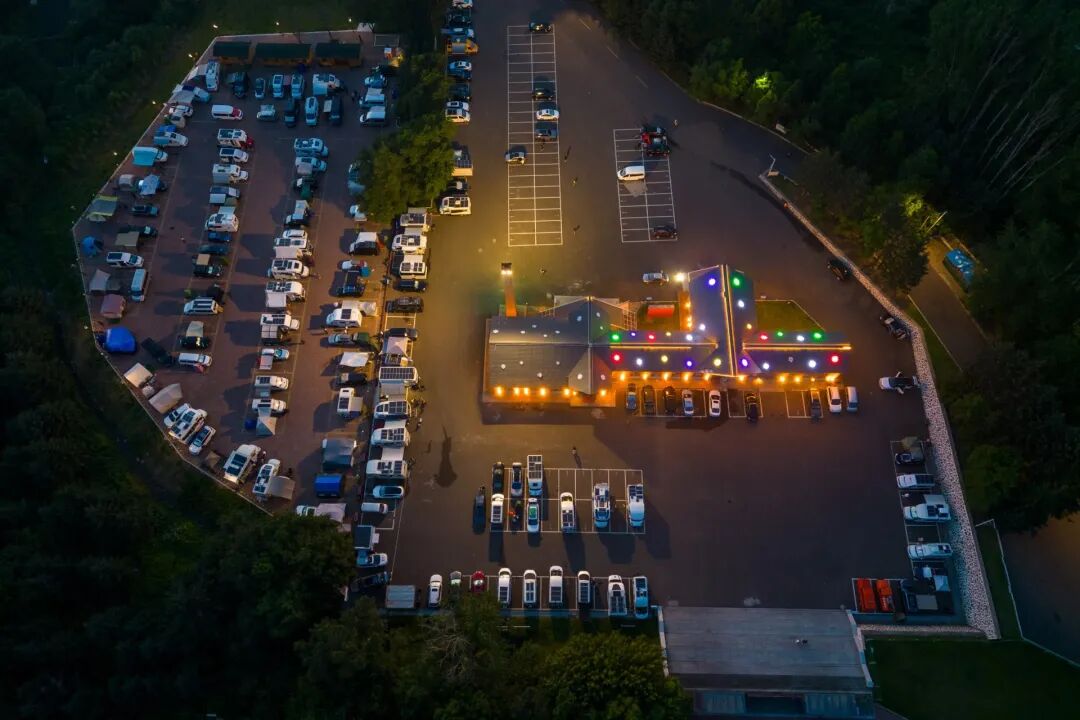
旺季竟然有不少空房,酒店老板有点慌:旅游的不睡酒店睡车上?
Mei Ri Jing Ji Xin Wen· 2025-10-16 22:34
Core Insights - The rise of car camping and the use of car mattresses during holidays is significantly impacting the hotel industry, as more travelers opt for sleeping in their vehicles instead of booking hotel rooms [1][5][6] - The competition landscape for hotels has shifted, with hotels now competing not only with each other but also with higher-end hotels, cars, and even tents for customers [3][8] - The self-driving travel trend is growing, with a notable increase in rental car orders and self-driving tourism demand, indicating a shift in consumer preferences [4][5][6] Industry Trends - During the recent National Day and Mid-Autumn Festival holidays, the reading volume of car camping topics on social media platforms reached 110 million, with related discussions on electric vehicle camping increasing by 50 million [1] - The Ministry of Transport reported that by 2025, 80% of travelers are expected to choose self-driving as their mode of transport during holidays [1] - The demand for self-driving travel has increased by 6.7% year-on-year during the holiday period, with significant growth in various age groups, particularly among younger generations and families [4] Hotel Industry Impact - Hotel occupancy rates are declining, with many hotels experiencing higher vacancy rates during peak seasons, attributed to the rise of car camping and increased hotel supply [3][5][8] - The hotel industry is facing intense competition due to an oversupply of rooms, with over 600 new hotel rooms added in the vicinity of one hotel alone [8] - High-end hotels are engaging in price wars, significantly lowering their rates to attract customers, which is squeezing the middle-tier hotels [8][9] Consumer Behavior Changes - Consumers are increasingly seeking privacy, safety, and comfort in their travel experiences, leading to a rise in the popularity of customized car camping products [6] - The trend of "living in a car" is becoming more common, with many travelers opting for car mattresses and camping gear instead of traditional hotel accommodations [3][5] - The market for camping-related products, such as inflatable mattresses and portable power supplies, has seen substantial sales growth, indicating a shift in consumer spending habits [4][6]
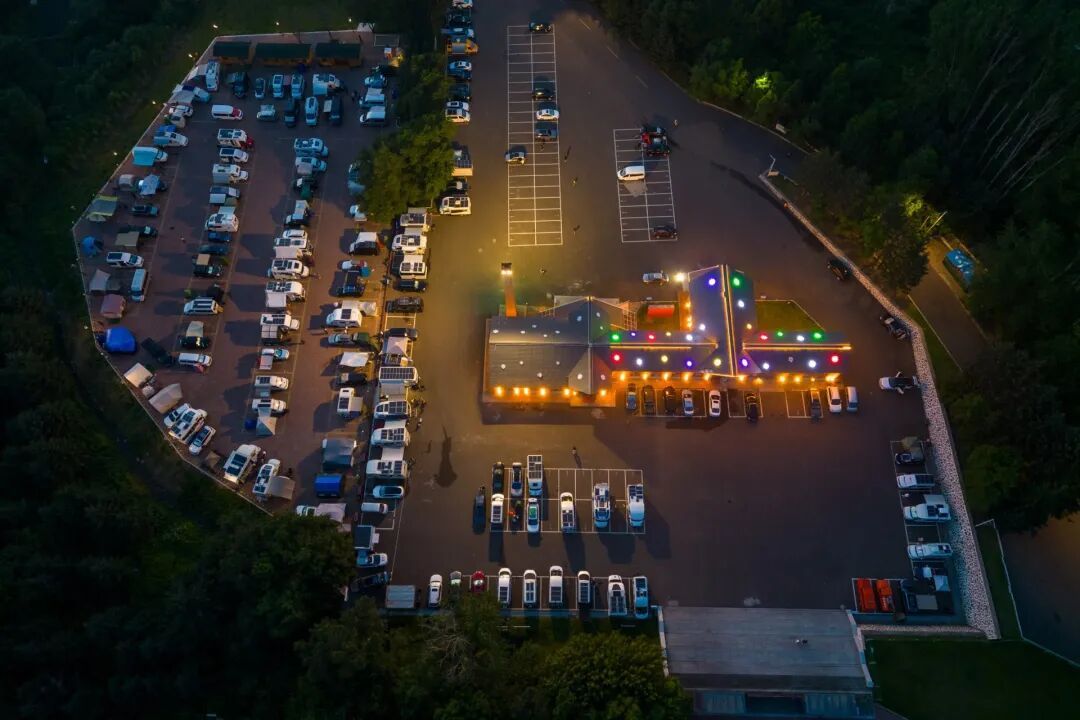
旺季竟然有不少空房,酒店老板有点慌:你们旅游的,不睡酒店睡车上?游客纷纷种草:怒省几大千
Mei Ri Jing Ji Xin Wen· 2025-10-16 15:09
Core Viewpoint - The rise of car camping and the use of mobile sleeping arrangements in electric vehicles are significantly impacting the traditional hotel industry, leading to increased competition and changing consumer preferences [1][3][5]. Group 1: Changes in Consumer Behavior - During the recent National Day and Mid-Autumn Festival holidays, the popularity of car camping surged, with discussions on social media platforms like Xiaohongshu reaching 110 million views [1]. - The proportion of self-driving trips is projected to reach 80% by 2025, indicating a shift in travel preferences towards more flexible and cost-effective options [1][3]. - The demand for car camping has led to a notable increase in related product sales, such as inflatable mattresses and outdoor gear, with some items seeing sales growth of over 80% [4][5]. Group 2: Impact on the Hotel Industry - Hotel occupancy rates are declining, with many hotels experiencing unprecedented levels of vacancy during peak seasons, attributed to competition from car camping and other alternative accommodations [3][5][8]. - The hotel industry is facing increased competition not only from other hotels but also from the growing number of available rooms, with over 600 new hotel rooms added in a specific area, leading to a significant diversion of guests [8][10]. - High-end hotels are engaging in price wars, with room rates dropping significantly to attract customers, which is squeezing the middle-tier hotels and altering the competitive landscape [9][10]. Group 3: Industry Trends and Future Outlook - The hotel industry is undergoing a transformation, moving from expansion to a focus on operational efficiency and service quality in response to changing consumer demands [11]. - The trend of short-distance and county-level travel is becoming more prominent, with lower-tier cities showing higher occupancy rates compared to major urban centers [10][11]. - The increasing comfort and features of electric vehicles, such as improved seating and air conditioning, are making car camping a more appealing option for travelers [6][10].
长假出游人次呈两位数增长!“度假+探亲”需求旺,自驾游、自由行成境内游主流
Yang Zi Wan Bao Wang· 2025-10-09 01:36
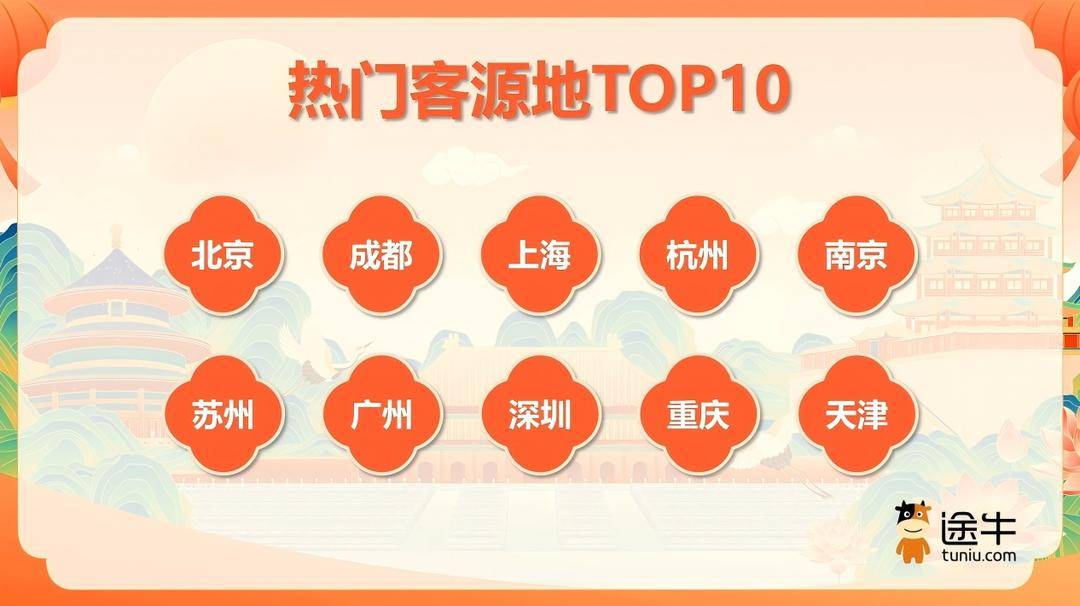
Core Insights - Tuniu's report indicates a double-digit growth in travel participation compared to the same period last year, with significant increases in domestic self-driving and free travel, and nearly a doubling of outbound free travel participation [1][12] Domestic Travel Trends - The combination of National Day and Mid-Autumn Festival has led to a peak in family travel demand, with over 80% of travelers being family groups [2][6] - The peak travel period spanned from September 30 to October 5, with nearly 15% of users starting their journeys before the holiday [2] - Among domestic long-distance travelers, 46% opted for 5 to 6-day trips, while 54% of outbound short-distance travelers chose the same duration [4] Popular Destinations - Major cities such as Beijing, Shanghai, Chengdu, and Nanjing ranked high in popularity for domestic travel, with Nanjing being the fifth most popular destination [6][7] - Popular attractions included cultural venues like the Forbidden City and theme parks such as Shanghai Disneyland, indicating a strong interest in both cultural and entertainment experiences [9] Self-Driving and Free Travel - Self-driving and free travel accounted for over 70% of domestic travel, with significant interest in low-tier and county-level destinations showing rapid growth [5][11] - Popular group tours included options like "Nanjing 3-day tour" and "Zhangjiajie 5-day tour," reflecting a trend towards shorter, more focused travel experiences [11] Outbound Travel Trends - Outbound travel saw a double-digit year-on-year increase, with a notable preference for short-haul free travel and long-haul group tours [12][13] - Popular outbound destinations included Japan, Maldives, and various European countries, with a significant interest in multi-country tours [12][13]
飞猪:国庆中秋假期客单价提升14.6%,95后游客占比最高
Xin Lang Cai Jing· 2025-10-08 03:36
Core Insights - The National Day and Mid-Autumn Festival holiday saw a 14.6% year-on-year increase in average spending per traveler, with post-95 generation tourists making the highest booking share [1] - There is a noticeable trend of multi-destination travel, with a 5% increase in average bookings for transportation and a 4.6% increase for accommodations and activities compared to last year [1] - The number of destinations visited expanded significantly, covering over 180 countries and regions, with a strong growth in travel to lesser-known cities in East Asia, Southeast Asia, and Europe [1] Domestic Travel Trends - Emerging destinations gained popularity during the holiday, with orders for places like Jingdezhen and Luzhou increasing by 60% and 45% respectively compared to last year [2] - The post-95 generation accounted for nearly 25% of total bookings, while the post-05 generation saw a 61% increase in booking numbers [2] - University students are increasingly opting for long-distance travel, with a 63% increase in flight bookings and a 110% increase in international flight bookings compared to last year [2] Changes in Travel Behavior - The trend towards self-driving trips has increased, with rental car orders rising by approximately 60% year-on-year, particularly for those renting cars after arriving by plane or train [3] - The variety of activities offered has expanded, with domestic travel experiences increasing by 78% and outbound travel experiences growing by nearly 30% [3] - The use of AI travel assistants has surged, with daily users of the AI product "Ask It" increasing over five times compared to the summer peak [3] Post-Holiday Travel Opportunities - Following the holiday, there are significant price reductions for flights and hotels, with some flights costing less than 400 yuan and high-star hotels in various cities priced around 300 yuan [4]
@新能源车主 长距离出行,这份停车充电攻略请收好
Yang Shi Xin Wen· 2025-10-05 03:53
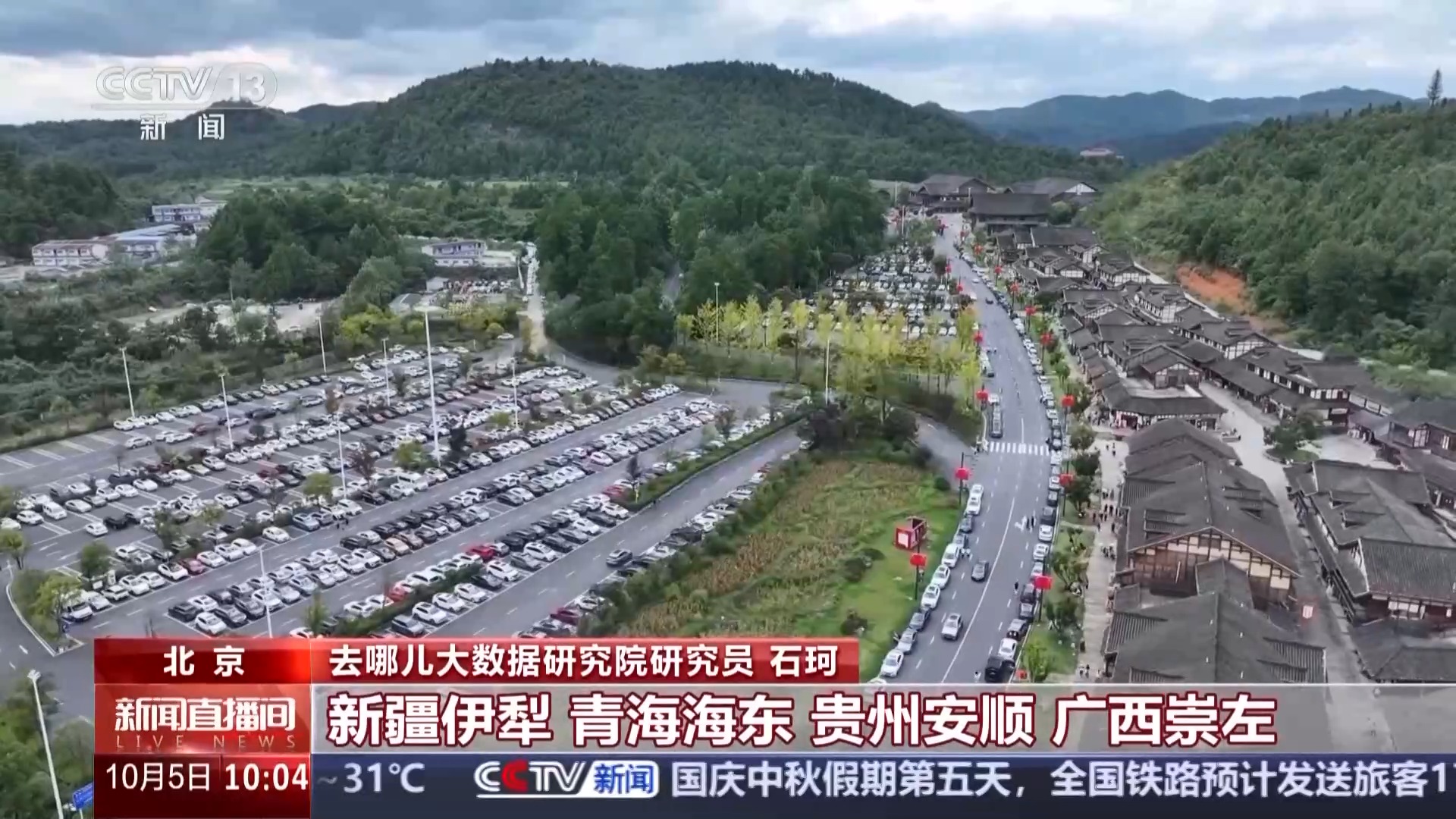
Core Insights - The National Day and Mid-Autumn Festival holiday this year is characterized by a high volume of travel, multiple hotspots, and widespread congestion on various routes [1] - Self-driving is the primary mode of travel, accounting for approximately 80% of total trips during the holiday [1] - The demand for charging services for new energy vehicles (NEVs) has surged, with NEVs making up about 20% of daily traffic flow, a 30% increase compared to the 2024 National Day [1] Group 1: Travel Trends - Self-driving travel has become a popular choice, with significant growth in orders for car rentals, particularly in less congested destinations [3] - The top ten cities with the highest increase in rental orders include locations such as Xinjiang Yili, Qinghai Haidong, and Guizhou Anshun, indicating a trend towards group self-driving trips [3] Group 2: Tourist Attractions - The Wudang Mountain scenic area in Hubei has seen a notable increase in visitor traffic, with ticket bookings up by 16% year-on-year during the holiday [5] - The area has established 38 parking lots with over 12,000 parking spaces to accommodate the influx of tourists [5] Group 3: Charging Infrastructure - There is a heightened need for charging services for NEVs, with warnings for drivers to charge their vehicles promptly when battery levels are low [6] - Charging stations have been strategically placed around scenic areas to meet the charging demands of NEV users during the holiday [6] Group 4: Traffic Management - Authorities advise drivers to park vehicles at a distance from popular scenic spots to avoid congestion and illegal parking [8] - Drivers are encouraged to check road conditions and plan routes in advance to avoid peak travel times [8][9] - Pre-trip vehicle checks and awareness of weather conditions are recommended to ensure safe travel [9]
九绵高速通车为自驾游再加把火 九寨沟旅游格局迎“快进”新变
Si Chuan Ri Bao· 2025-10-05 01:36
Core Insights - The opening of the Jiuzhai-Mianyang Expressway has significantly increased traffic to Jiuzhaigou County, with daily vehicle counts exceeding 8,500 during the National Day and Mid-Autumn Festival holiday period [1][2] - The average occupancy rate of hotels and guesthouses in Jiuzhaigou County has risen to over 80%, indicating a strong recovery in the local tourism sector compared to previous years [1][3] - The local government has implemented measures to accommodate the influx of tourists, including the establishment of 16 new free parking lots and the deployment of 180 shuttle buses daily, transporting over 20,000 visitors on average [1][3] Traffic and Visitor Trends - The Jiuzhai-Mianyang Expressway has led to a notable increase in self-driving tourists, with vehicle counts reaching 2,606 on September 29 and exceeding 13,000 on September 30 and October 1 [2] - Despite the rise in self-driving visitors, rail transport remains the primary mode of transportation for tourists to Jiuzhaigou [2] - The expressway has facilitated new travel routes, such as Jiuzhaigou-Huanglong-Ruoergai Grassland and Jiuzhaigou-Huanglong-Maoxian Ancient Qiang City, enhancing accessibility [2] Changes in Tourism Dynamics - The traditional "hot and cold" tourism pattern in Jiuzhaigou County is shifting, with increased visitor numbers in the county seat, leading to a boost in local hospitality and dining sectors [3][4] - The average occupancy rate of accommodations in the county has significantly improved, with a notable increase in visitor inquiries at local tourism service points [3] - The rise in self-driving tourists has also positively impacted the local dining industry, although some business owners express that the changes are gradual and require time to fully materialize [4] Impact on Lesser-Known Attractions - Some lesser-known attractions, such as the Yangxingu Scenic Area, have seen an influx of visitors, as tourists opt to stay nearby after visiting Jiuzhaigou [4] - The local tourism department has taken proactive measures to redirect visitors who could not secure Jiuzhaigou tickets to other attractions, resulting in increased visitor numbers at sites like the Fairy Pool [4] - Conversely, some attractions, such as the Panda Garden, have experienced a decline in visitors due to the expressway's impact on travel patterns, prompting management to seek ways to attract tourists from neighboring provinces [4]
多景区紧急公告:售罄、约满!43%为家庭出游
2 1 Shi Ji Jing Ji Bao Dao· 2025-10-03 10:09
Group 1 - The core viewpoint of the articles highlights a significant increase in domestic travel during the National Day and Mid-Autumn Festival holidays, with over 300 million people expected to travel across regions, marking a 5.9% year-on-year growth [1] - Popular tourist attractions and museums are experiencing high demand, with many tickets sold out well in advance, indicating a strong interest in cultural and historical sites [1][3] - Self-driving travel has surged, with a notable 80% increase in self-driving orders on the Qunar platform, particularly among families, reflecting a shift in travel preferences towards more flexible and private travel options [2] Group 2 - The railway and aviation sectors are also witnessing record passenger numbers, with railways sending 18.46 million passengers on September 30 alone, and airports expecting to handle nearly 200 million passengers during the holiday period [3] - The rise in cross-province travel orders by 45% during the Golden Week indicates a robust recovery in the tourism industry, with rural areas seeing a boom in accommodation bookings [3] - There is a growing trend for experiential travel products that combine scenery, culture, and hands-on experiences, which are increasingly popular among travelers seeking emotional value from their trips [4]
多景区紧急公告:售罄、约满!43%为家庭出游
21世纪经济报道· 2025-10-03 10:08
Group 1 - The article highlights a significant increase in cross-regional travel during the National Day and Mid-Autumn Festival holiday, with over 300 million people expected to travel, marking a 5.9% year-on-year growth [1] - Popular tourist attractions and museums are experiencing high demand, with many tickets sold out, indicating a strong interest in cultural tourism [2][5] - The transportation sector is seeing growth, with railway passenger volume expected to reach 18.25 million, a 3.7% increase, and road travel projected at 27.76 million, up 6.1% [2] Group 2 - Family travel is a major trend, with over 43% of travelers going as families, and self-driving travel orders increasing by 80% compared to last year [9][10] - The demand for rental cars is also rising, particularly in smaller cities, with significant increases in orders for larger vehicles and those equipped for families [11] - Rural tourism is booming, with a 45% increase in cross-province travel orders, and local accommodations fully booked, reflecting a shift towards experiential and cultural travel [12][13]