
课程思政

Search documents
推动总体国家安全观教育与高校思政教育深度融合
Xin Lang Cai Jing· 2026-01-01 20:49
Core Viewpoint - The integration of the overall national security education with ideological and political education in higher education is essential for cultivating a new generation capable of undertaking the responsibilities of national rejuvenation and addressing various risks and challenges in the current era [1][5]. Group 1: Curriculum Development - A dual-track curriculum system should be established to integrate "security courses" and "course safety," including mandatory courses like "Introduction to Overall National Security Concept" and elective courses focusing on key areas such as political, network, cultural, technological, and biological security [2]. - The curriculum should emphasize the advantages of the socialist system with Chinese characteristics and the importance of ideological security, while also incorporating elements of technology ethics, data security, and cultural confidence across various disciplines [2]. Group 2: Practical Education - A three-dimensional collaborative practice education system should be constructed, combining on-campus activities with off-campus experiences and online resources to enhance students' understanding and application of national security concepts [3]. - Activities such as national security knowledge competitions and immersive experiences with military units should be organized to bridge theoretical knowledge with practical application [3]. Group 3: Support Mechanisms - A robust support system is necessary for the sustainable integration of national security education, which includes building a diverse and practical teaching team, enhancing institutional frameworks, and establishing a quality monitoring and evaluation system [4]. - The establishment of national security education bases and the implementation of a special training plan for educators are crucial for improving the overall quality of education in this field [4]. Group 4: Youth Development - The national security literacy of the younger generation is vital for the long-term stability of the country and the future of the nation, necessitating a comprehensive optimization of educational approaches to foster high-quality talents with strong national security awareness [5].
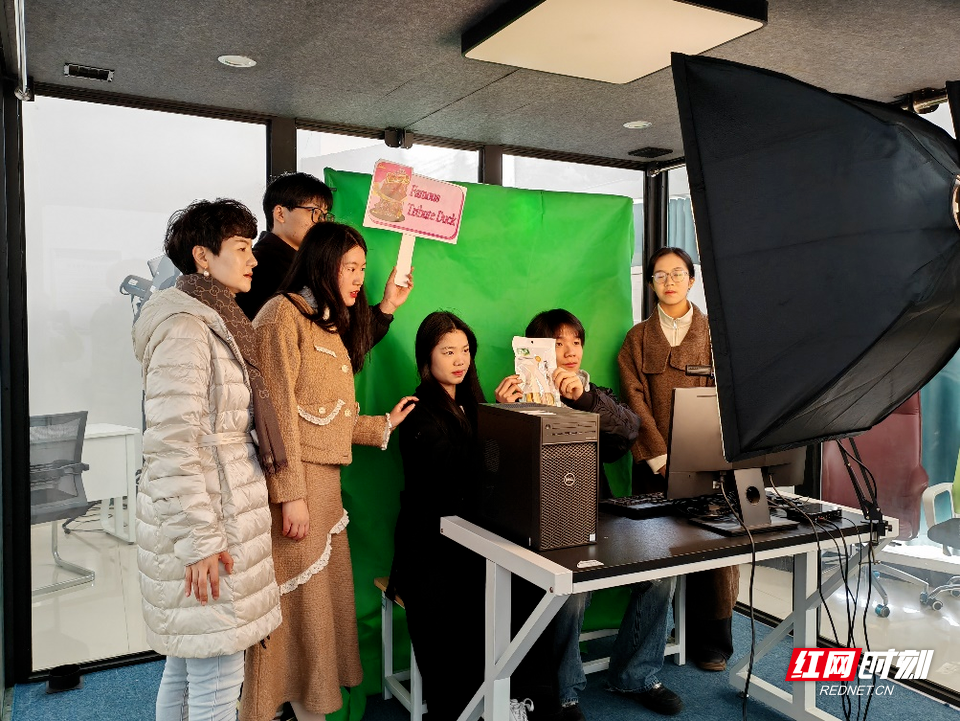
从课堂到 “云端”,这所职院探索“助农”育人新模式
Xin Lang Cai Jing· 2025-12-28 04:58
Core Viewpoint - The article highlights an innovative approach by Changsha Business and Tourism Vocational College to integrate e-commerce and rural revitalization through live streaming, allowing students to actively participate in promoting local agricultural products and cultural goods [1] Group 1: Educational Innovation - The college has moved its core course "New Media Marketing" outside the classroom to engage students in practical live streaming experiences in high-traffic areas of the campus [1] - Students, referred to as "new farmer anchors," are using their digital skills to tell the stories of Hunan's unique products and facilitate the sale of these goods [1] - The initiative aims to transform students' understanding of rural revitalization from a theoretical concept into a tangible responsibility through hands-on experience [1] Group 2: Community Engagement - The live streaming sessions not only focus on product sales but also emphasize the cultural and human stories behind the products, connecting consumers with the essence of Hunan's landscape and craftsmanship [1] - The approach is designed to make the national strategy of rural revitalization more relatable and participatory for students, fostering a sense of contribution to their communities [1] - The college's efforts reflect a broader trend of utilizing familiar digital platforms to engage youth in social responsibility and community development [1]

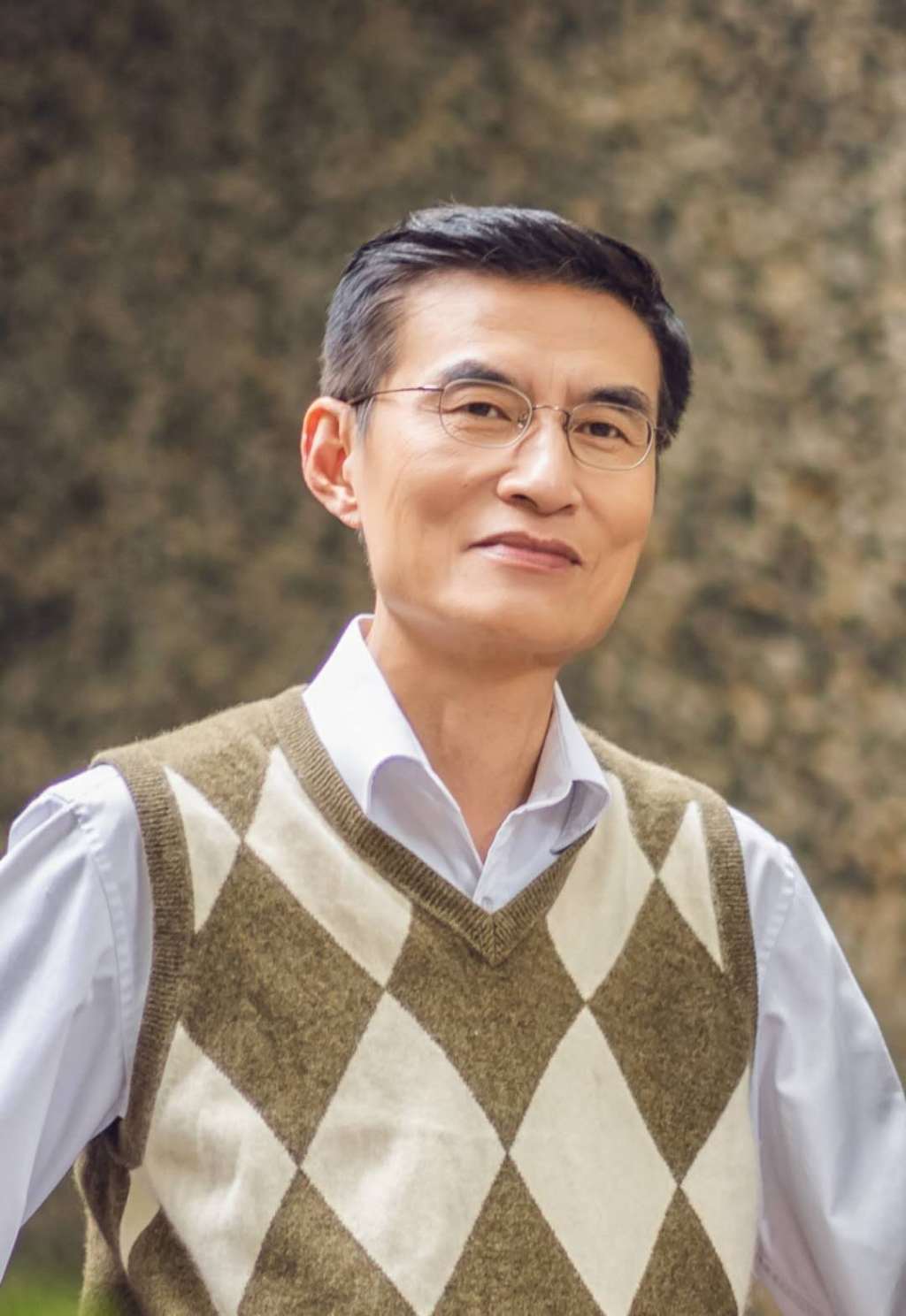
胡涵锦:人生最宝贵的时间献给最有意义的事业|上海“马克思主义理论突出贡献专家”系列访谈
Xin Lang Cai Jing· 2025-12-11 04:09
Core Viewpoint - The article discusses the development of the "Shanghai Marxist Theory Discipline Development Support Plan (2025-2027)" and highlights the recognition of outstanding contributors in Marxist theory education and research in Shanghai, emphasizing the importance of Marxist theory in contemporary education and its integration into the curriculum [1]. Group 1: Development Plan - The "Shanghai Marxist Theory Discipline Development Support Plan (2025-2027)" aims to enhance the study and promotion of Xi Jinping's Thought on Socialism with Chinese Characteristics for a New Era [1]. - The plan includes the recognition of 10 experts for their outstanding contributions to Marxist theory, 9 teaching masters, and 29 young and middle-aged backbones in the field [1]. Group 2: Interview with Hu Hanjin - Hu Hanjin, a professor at Shanghai Jiao Tong University, has dedicated his career to teaching and researching Marxist theory, evolving his focus from basic principles of Marxist philosophy to contemporary theories [5][6]. - He emphasizes three key sentiments in his career: gratitude, cherishment, and reverence, particularly for the opportunities provided by higher education [6]. Group 3: Teaching Philosophy - Hu Hanjin believes that effective teaching of Marxist theory requires a deep understanding of the subject matter, advocating for a comprehensive approach to lesson preparation that considers students' existing knowledge [22][23]. - He stresses the importance of integrating Marxist elements into various subjects, promoting the concept of "curriculum ideology" and the combination of "small ideological classes" with "large ideological classes" [11]. Group 4: Research Contributions - Hu Hanjin has published extensively on the practical application of Marxism in China, emphasizing that Marxist theory should be rooted in Chinese cultural traditions and historical experiences [12][15]. - His recent works focus on the development of new concepts and their significance in the context of contemporary Chinese society, reflecting on the evolution of Marxist thought [16][17].
“十四五”首都高校答卷|北京物资学院:培养应用型卓越物流人才
Xin Jing Bao· 2025-11-28 10:17
Core Viewpoint - Beijing Wuzi University is in a critical phase of development during the "14th Five-Year Plan" period, focusing on becoming a high-level application-oriented university that serves the education power and the socio-economic development of the capital [1] Group 1: Educational Philosophy and Achievements - The university emphasizes moral education as its fundamental task, implementing comprehensive reforms in ideological and political education, and has received multiple accolades for its "curriculum ideological and political education" initiatives [2][3] - The institution has established a "five educations" system, achieving significant success in sports and cultural activities, including winning numerous awards in competitions and producing original cultural works [2][3] Group 2: Integration of Industry and Education - The university has proposed a new paradigm for industry-education integration, focusing on a multi-chain coupling approach that enhances talent cultivation through deep integration with industry [3][5] - It has established various alliances and practical training bases, ensuring that students engage with real industry projects, with 97% of student thesis topics derived from actual industry needs [5][6] Group 3: International Collaboration and Global Perspective - The university is expanding its international educational framework, establishing partnerships with foreign institutions and offering programs in collaboration with universities in the United States [7][8] - It has developed a robust international cooperation network, engaging with 149 international organizations and institutions across 30 countries, and has introduced international standards into its curriculum [8] Group 4: Cultural and Social Responsibility - The university promotes cultural education through initiatives that integrate historical and cultural resources, fostering a sense of responsibility and mission among students [9][10] - Students actively participate in significant national events and community service projects, enhancing their practical skills and professional spirit [9][10] Group 5: Overall Development and Future Vision - Over the past five years, the university has made substantial progress, improving its rankings and contributing to national standards and educational experiences [10][11] - The institution has trained nearly 20,000 application-oriented talents, maintaining a high employment rate for graduates, particularly in the logistics and supply chain sectors [11][12]
数学课为何用“半条被子”开场(教育时评)
Ren Min Ri Bao· 2025-06-14 22:12
Group 1 - The integration of revolutionary stories, such as "Half a Quilt," into mathematics classes enhances students' understanding of both the subject and the party's mission [1][2] - This approach fosters emotional resonance while simultaneously teaching mathematical concepts, demonstrating a dual benefit of cultural and academic education [2][3] - The curriculum reform emphasizes the importance of moral education alongside intellectual development, requiring teachers to effectively blend ideological elements into various subjects [2][3] Group 2 - Teachers are encouraged to actively learn about the party's innovative theories and historical culture to enrich their teaching and connect with broader societal issues [2][3] - The implementation of ideological education in the curriculum raises expectations for educators, necessitating a solid grasp of subject knowledge and effective teaching methodologies [2][3] - Practical challenges remain in determining the appropriate balance of ideological content in lessons and ensuring it resonates with students of varying cognitive levels [3]
思政赋能中职教育高质量发展
Xin Hua Ri Bao· 2025-05-07 21:23
Core Viewpoint - Vocational education, particularly secondary vocational education, plays a crucial role in providing high-quality talent for society and serves as a foundation for higher vocational institutions and skilled labor [1] Group 1: Importance of Vocational Education - The revised Vocational Education Law emphasizes that vocational education holds equal importance to general education and is a vital part of the national education system and human resource development [1] Group 2: Integration of Ideological Education - Integrating ideological education into the entire process of vocational education helps students establish correct worldviews, enhance social responsibility, and improve professional ethics [1] Group 3: Teaching Methods - Utilizing role models in teaching can inspire students to develop correct professional ethics and values through imitation and following exemplary figures [2] - Organizing topic discussions transforms passive learning into active exploration, enhancing students' ability to make value judgments through critical thinking [2] Group 4: Practical Activities - Conducting social practice activities cultivates a sense of responsibility and moral character in students, allowing them to apply their knowledge to real-world problems [3]