实践育人

Search documents
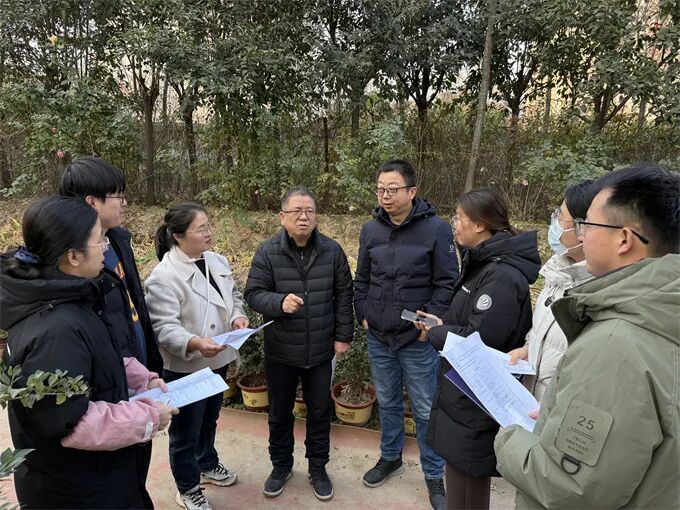
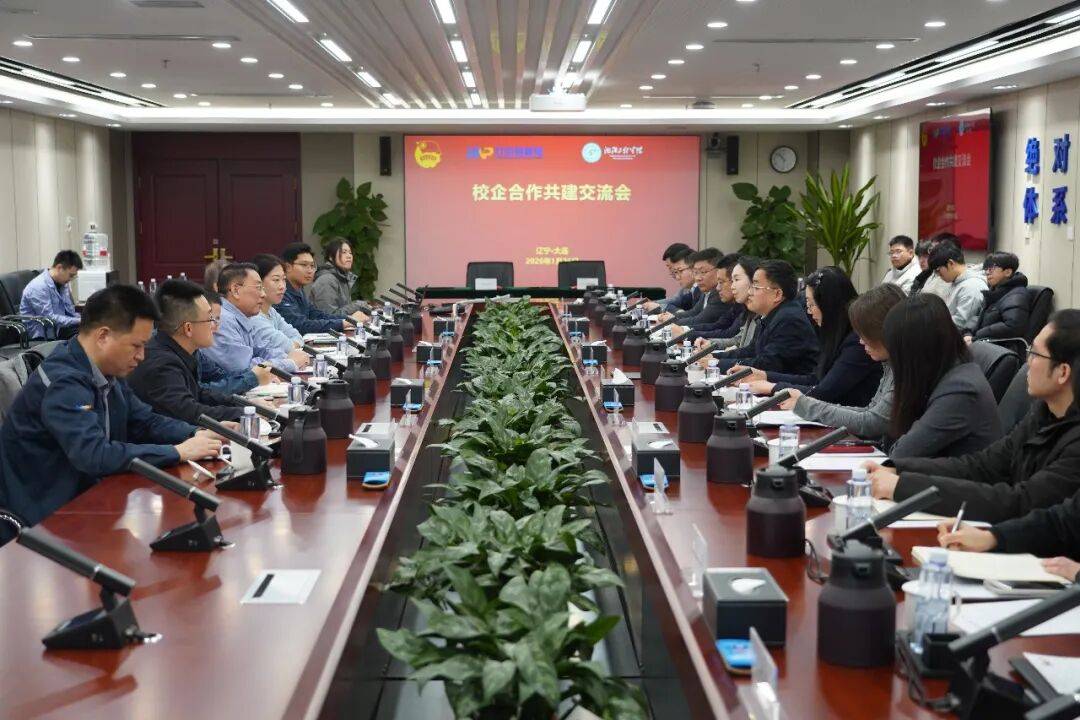
校企合作搭平台,双向奔赴促振兴——团辽宁省委指导开展校企合作实践育人活动
Sou Hu Cai Jing· 2026-01-27 11:31
Group 1 - The core viewpoint of the news is the collaboration between Liaoning Hongyanhe Nuclear Power Co., Ltd. and Shenyang Engineering Institute to establish a teaching internship base, aimed at promoting technological and industrial innovation in Liaoning [1][3] - The meeting emphasized the importance of focusing on youth development, nuclear power industry growth, talent cultivation, and practical skills enhancement through the establishment of a collaborative model between the youth league and the enterprises [5] - The partnership aims to create a broader growth platform for youth, enhancing their practical experience and aligning educational outcomes with industry needs [5][7] Group 2 - The collaboration includes signing a cooperation agreement for the teaching internship base, with leaders from the Youth League and local government participating in the signing ceremony [3] - The practical teaching activities conducted during the event allowed participants to engage with cutting-edge nuclear power technologies and understand the operational models of the enterprise [5] - The Youth League will continue to support youth development and strengthen the collaboration between schools and enterprises to foster innovation and entrepreneurship among young talents in Liaoning [7]

学习规划建议每日问答丨怎样理解实施新时代立德树人工程
Xin Hua Wang· 2026-01-18 07:06
Group 1 - The core issue of education is to determine what kind of people to cultivate, how to cultivate them, and for whom they are being cultivated, which is essential for building a strong educational nation [1] - The implementation of the "New Era Moral Education Project" is crucial for nurturing well-rounded socialist builders and successors, ensuring the continuity of the Party's cause and socialist modernization [1] Group 2 - Strengthening the Party's comprehensive leadership over education is fundamental for effective education, requiring a well-structured leadership system involving Party committees and educational institutions [1] - The establishment of a curriculum system centered on Xi Jinping's Thought on Socialism with Chinese Characteristics for a New Era is necessary to enhance ideological and political education [2] Group 3 - Expanding practical education and online education is vital, promoting a collaborative educational mechanism that integrates classroom learning with real-world experiences [3] - Enhancing students' health and overall development through quality education, emphasizing a comprehensive cultivation system that includes physical, artistic, and labor education [4] Group 4 - Improving the education evaluation system is essential for guiding educational development and ensuring the effective implementation of moral education, moving away from a score-centric approach [5] - The evaluation of schools should prioritize the effectiveness of moral education, while teacher evaluations should focus on moral standards and educational spirit [5]
推动思想政治工作做在日常落到基层
Xin Lang Cai Jing· 2026-01-18 04:03
Core Viewpoint - The importance of ideological and political work is emphasized as a vital line of work for the Party, with recent regulations and directives aimed at enhancing its effectiveness and relevance in contemporary society [1][4][17]. Group 1: Ideological and Political Work - The Party has historically prioritized ideological and political work, which has been further reinforced by recent directives from General Secretary Xi Jinping [1]. - The issuance of the "Regulations on Ideological and Political Work" provides a structured framework for enhancing the effectiveness of this work [1][4]. - There is a need to integrate ideological work with practical issues faced by the public, ensuring that the messaging resonates with everyday concerns [4][5]. Group 2: Communication and Engagement - Effective grassroots communication is essential for clarifying ideological concepts and unifying public sentiment [2][3]. - Innovative methods such as using relatable language and engaging formats are necessary to enhance the appeal of ideological education [2][3][4]. - The establishment of regular thematic training and outreach initiatives is crucial for maintaining engagement and relevance in ideological work [3][4]. Group 3: Addressing Public Concerns - Ideological work must focus on understanding and addressing the real concerns of the populace, ensuring that it aligns with their aspirations for a better life [5][8]. - The "Pairing Assistance" initiative in Gansu exemplifies a practical approach to connecting with vulnerable groups and addressing their needs [7][8]. - A comprehensive understanding of public sentiment is necessary for effective ideological work, which should combine addressing practical issues with ideological guidance [5][9]. Group 4: Evaluation and Accountability - Establishing a robust evaluation system for ideological work is critical for accountability and continuous improvement [15][16]. - Clear delineation of responsibilities among various organizations and departments is necessary to ensure effective implementation of ideological initiatives [16][17]. - Regular assessments and feedback mechanisms should be integrated to enhance the effectiveness of ideological work and ensure it meets the evolving needs of society [16][17].
构建高质量科技教育与人文教育协同育人体系
Xin Hua Ri Bao· 2026-01-14 04:11
Core Viewpoint - The "Outline for the Construction of a Strong Education Nation (2024-2035)" emphasizes the need to strengthen the synergy between science and technology education and humanities education, indicating a clear direction for educational modernization [1] Group 1: Significance of Synergy - For individuals, the synergy between science and humanities education is essential for achieving "comprehensive human development," aiming to cultivate well-rounded socialist builders and successors [2] - For education, this synergy is a necessary choice to address contemporary challenges and achieve intrinsic development, as interdisciplinary integration has become a primary paradigm for scientific research and knowledge innovation [2] - For the nation, this synergy serves as a powerful driver for sustainable development and civilizational progress, ensuring that technological advancements are guided by humanistic values [3] Group 2: Current Challenges - The internal drive to enhance humanistic literacy is weakening, with some STEM students viewing humanities courses merely as a means to fulfill credit requirements rather than as essential components of their core competencies [4] - Clear disciplinary boundaries and the need for innovation in curriculum systems and teaching models are evident, as current approaches often lack deep integration between humanities and STEM education [4] - Insufficient support for implementation platforms and evaluation mechanisms hinders the advancement of synergistic education, with existing evaluation systems focusing too heavily on traditional academic outputs [5] Group 3: Pathways to Constructing a Synergistic System - Promoting deep integration of curricula and innovative teaching methods is crucial, requiring the development of interdisciplinary core courses that embed historical reflection and social context into STEM education [6] - Building a cross-disciplinary teaching team is essential, with a focus on transforming educators into architects of cognitive ecosystems and enhancing their interdisciplinary literacy [7] - Expanding practical, multi-dimensional educational scenarios beyond campus boundaries is necessary, involving collaboration with museums, communities, and enterprises to create interdisciplinary practice bases [8]
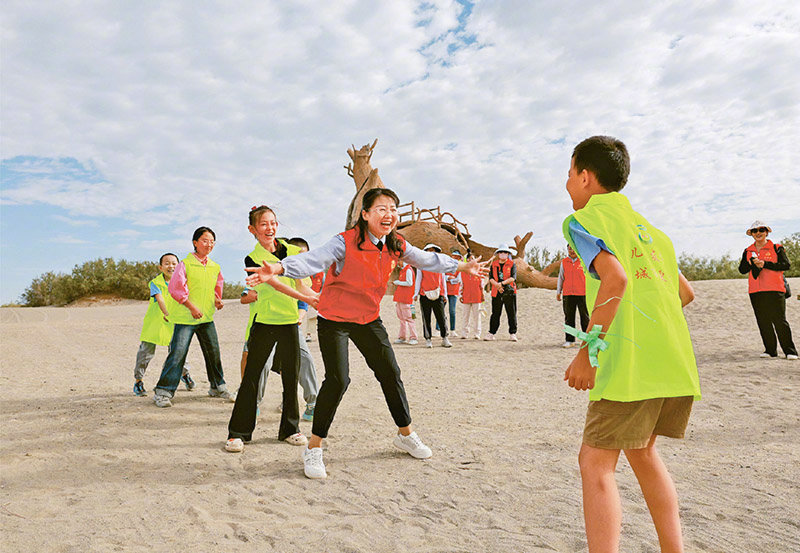
“龙舟”课程入选国家级榜单
Xin Lang Cai Jing· 2026-01-09 17:39
Group 1 - The core viewpoint of the article highlights the recognition of two courses and four social practice activity bases from Anhui Province in the 2025 annual list of "Understanding China" excellent courses for international students published by the China Education International Exchange Association [1] - The "Dragon Boat" course from Anhui Jianzhu University is specifically noted for its focus on Huizhou regional culture, integrating cultural heritage, practical education, and cross-cultural communication [1] - The course offers a comprehensive understanding of the history and cultural significance of dragon boating, combining knowledge of its origins, production techniques, and competition rules with traditional Chinese value education [1] Group 2 - The teaching methods of the "Dragon Boat" course include multimedia lectures, on-site instruction from intangible cultural heritage inheritors, and participation in dragon boat competitions, providing an immersive experience for international students [1] - The course aims to lead international students to understand and appreciate Chinese culture and spirit through diverse educational formats [1]
在实践中涵育大学生完整人格
Ren Min Ri Bao Hai Wai Ban· 2026-01-04 09:10
Group 1 - The establishment of the "Fuhui Yingyue" drama and opera teaching practice base at Communication University of China signifies a blend of classical garden aesthetics with modern architecture, creating a professional stage for various disciplines including drama, film design, and directing [1] - The initiative "Researching China: Practice Educating" involves students and teachers engaging in real-world issues, aiming for genuine research and outcomes that contribute to society while fostering personal growth and character development [1] - The "Guangming Cinema" public welfare project exemplifies the commitment of students and teachers to serve the visually impaired, transforming their professional ethics into empathy and responsibility through practical engagement [1] Group 2 - The concept of "action education" emphasizes the importance of character development during university years, which is a critical period for fostering personal agency and vitality in students [2] - A robust and positive character foundation is deemed essential for future talent, highlighting the role of higher education in nurturing students' humanistic care amidst the challenges of the digital future [2] - The exploration of intelligent technology and the human spirit underscores the need for higher education to systematically cultivate students' well-rounded and vibrant personalities [2]
暖心育人迎新年 博雅南湖学校开展多元元旦庆祝活动
Xin Lang Cai Jing· 2026-01-04 04:33
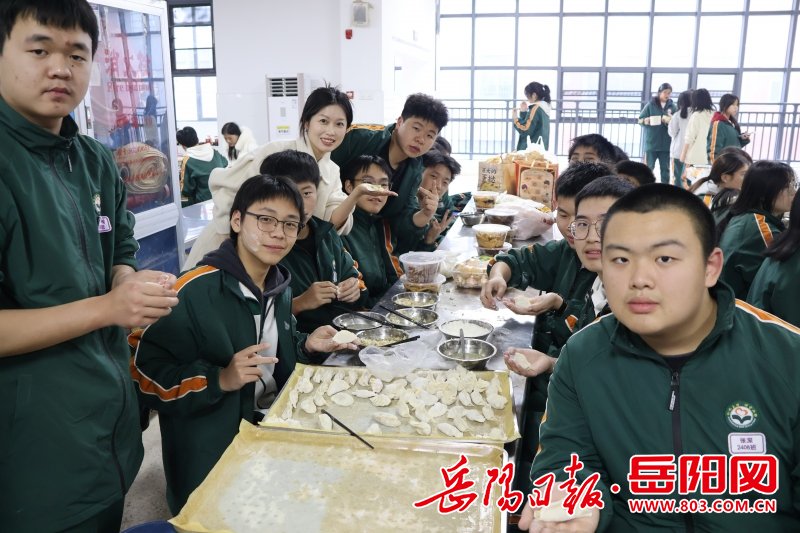
Group 1 - The core theme of the New Year celebration activities at Boya Nanhu School is "Saying Goodbye to the Old and Welcoming the New" to create a festive and harmonious campus culture atmosphere [1] - The activities are diverse and rich in content, showcasing the vitality of the campus and the spirit of teachers and students [1][8] Group 2 - The high school food festival transformed the cafeteria into a warm parent-child kitchen, where parents and students collaborated to prepare various dishes, enhancing hands-on skills and teamwork [3] - The New Year party organized by each class served as a platform to display youth and cohesion, with students sharing growth stories and engaging in fun games that integrated academic knowledge [5] - The primary school flea market allowed children to learn communication, calculation, and environmental concepts through the exchange of books and stationery, promoting resource recycling and fostering a love for reading [6] Group 3 - The series of New Year celebration activities reflects Boya Nanhu School's commitment to the "Five Educations" and emphasizes practical education, enhancing students' comprehensive qualities [8] - The school aims to create real, warm, and culturally rich activity scenarios, allowing students to grow through participation and experience [8]
把社会实践“课堂”开在田野上
Xin Lang Cai Jing· 2026-01-02 18:29
Core Viewpoint - The current social practice activities in universities often lack depth and fail to fully realize their educational value, leading to a tendency among students to prioritize theoretical knowledge over practical experience [1][2]. Group 1: Current Challenges in Social Practice - Many students engage in superficial social practice activities, which do not foster a deep understanding or connection to real-world issues [1]. - The weight of social practice in comprehensive quality assessments is insufficient, leading to a focus on theoretical learning rather than practical skills [1]. - Students express a lack of opportunities for meaningful participation in social practice, highlighting the fragmented nature of available resources [1]. Group 2: Proposed Reforms for Social Practice - Universities should clarify their responsibility in practical education and encourage a dual-track collaborative education mechanism to integrate academic resources with general education [2]. - The establishment of a credit exchange system between theoretical courses and social practice is recommended to create a positive feedback loop in education [2]. - Pilot programs, such as the spring and autumn practice weeks, have been initiated in several universities to encourage students to engage in social research and community service [2]. Group 3: Enhancing Practical Learning - A "one college, one county" pairing mechanism is suggested to support students in inquiry-based and project-based learning, allowing them to apply their knowledge to real-world problems [3]. - The transformation of traditional education to include practical experiences is emphasized, as real-life scenarios provide essential context for theoretical knowledge [4][5]. - A comprehensive training system covering all stages of practice is proposed, including pre-practice training, real-time support during practice, and post-practice reflection [6]. Group 4: Evaluation and Accountability - There is a need to guard against superficial engagement in social practice, which can lead to a "water practice" mentality where students seek easy credits [7]. - Implementing a defense system for practice results can help ensure the authenticity and effectiveness of social practice, as seen in the evaluation methods used by Wuhan Business School [7][8]. - The ultimate goal of evaluation is to deepen the engagement in practical activities, encouraging students to recognize the intrinsic value of practice beyond mere academic scores [8].
推动总体国家安全观教育与高校思政教育深度融合
Xin Lang Cai Jing· 2026-01-01 20:49
Core Viewpoint - The integration of the overall national security education with ideological and political education in higher education is essential for cultivating a new generation capable of undertaking the responsibilities of national rejuvenation and addressing various risks and challenges in the current era [1][5]. Group 1: Curriculum Development - A dual-track curriculum system should be established to integrate "security courses" and "course safety," including mandatory courses like "Introduction to Overall National Security Concept" and elective courses focusing on key areas such as political, network, cultural, technological, and biological security [2]. - The curriculum should emphasize the advantages of the socialist system with Chinese characteristics and the importance of ideological security, while also incorporating elements of technology ethics, data security, and cultural confidence across various disciplines [2]. Group 2: Practical Education - A three-dimensional collaborative practice education system should be constructed, combining on-campus activities with off-campus experiences and online resources to enhance students' understanding and application of national security concepts [3]. - Activities such as national security knowledge competitions and immersive experiences with military units should be organized to bridge theoretical knowledge with practical application [3]. Group 3: Support Mechanisms - A robust support system is necessary for the sustainable integration of national security education, which includes building a diverse and practical teaching team, enhancing institutional frameworks, and establishing a quality monitoring and evaluation system [4]. - The establishment of national security education bases and the implementation of a special training plan for educators are crucial for improving the overall quality of education in this field [4]. Group 4: Youth Development - The national security literacy of the younger generation is vital for the long-term stability of the country and the future of the nation, necessitating a comprehensive optimization of educational approaches to foster high-quality talents with strong national security awareness [5].
园圃作课堂 实践育素养——西安高级中学开展地理户外实践课
Xin Lang Cai Jing· 2025-12-30 04:38
Core Viewpoint - The article highlights the implementation of an outdoor geography practice class at Xi'an High School, focusing on soil education, which enhances students' understanding of soil knowledge through hands-on experience and collaborative learning [1][6]. Group 1: Educational Approach - The practice class aligns with new curriculum standards and employs a task-driven approach for collaborative exploration, allowing students to engage in various activities such as soil color observation, texture analysis, and profile examination [3]. - Students utilized methods like "finger grinding," "rubbing method," and "permeability test" to identify soil texture, and they analyzed soil color using color comparison cards, which deepened their understanding of soil composition and its relationship with the environment [3]. Group 2: Development of Skills - The outdoor practice effectively enhanced students' geographical practical skills and comprehensive thinking abilities, providing a more systematic understanding of soil and its environmental connections [3]. - The geography teaching and research group at Xi'an High School aims to continue exploring an integrated teaching model that combines context, problem-solving, inquiry, and competency development, promoting holistic growth in core competencies [6].