财商教育

Search documents
存1000元比存20万元利率高,银行用“吃奶劲”抢压岁钱
Hua Xia Shi Bao· 2026-02-22 13:17
Core Insights - The article highlights the increasing focus of banks on children's financial education and the competition for the "lucky money" market during the Spring Festival, indicating a shift from merely attracting deposits to building long-term customer relationships [2][5]. Group 1: Market Trends - In 2026, commercial banks are launching specialized financial products centered around "lucky money" and "children's accounts," utilizing strategies like interest rate increases and unique benefits to convert this seasonal funding into a vital link with family customers [2][5]. - Major banks such as China Merchants Bank, Guangfa Bank, and Huaxia Bank are introducing dedicated financial products for children's lucky money, with offerings that include savings, investment, and insurance [5]. Group 2: Product Offerings - Beijing Rural Commercial Bank's "Sunshine Baby Card" offers a minimum deposit of 1,000 yuan with interest rates of 1.5%, 1.6%, and 1.75% for 1-year, 2-year, and 3-year terms, respectively, which are higher than standard rates [5]. - Other banks like Beijing Bank and Mengshang Bank are also providing competitive interest rates for children's savings accounts, with some rates exceeding those of regular fixed deposits [6]. Group 3: Customer Engagement Strategies - Banks are enhancing customer attraction through various promotional activities, such as prize draws and gifts for children who open accounts, thereby creating a more engaging experience [7]. - The introduction of "parent-child co-managed accounts" and financial education services signifies a shift towards comprehensive family financial services, moving beyond traditional deposit competition [10]. Group 4: Long-term Strategy - The strategy of offering high-interest rates on children's accounts is aimed at capturing long-term family value, as these accounts can lead to future banking relationships in areas like education loans and investments [9][11]. - By establishing early connections with young customers, banks can position themselves as integral to family wealth management, enhancing customer loyalty over decades [11].


“利是”打开新方式:“10后”迎来理财第一课
Xin Lang Cai Jing· 2026-02-20 02:09
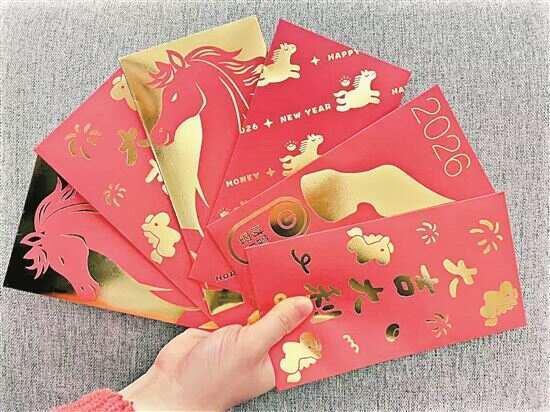
转自:新快报 今年广东红包额等级图火爆全网,5元、10元、20元的广东"利是"成为网友讨论热点。红包"轻量化"、 拥抱数字时代、绑定成长教育,成为当代春节的鲜明特征。 在广州,传统利是文化与新潮表达相融合,小额利是、亲子共管、文创压岁并行,压岁钱及拜年红包从 人情往来的"面子载体",回归祝福本质,折射出人们生活理念升级与年俗文化的变化。 ■统筹:新快报记者 程羽 ■图文:新快报记者 谢源源 部分图片源于网络 走访 小额新钞供不应求电子红包更便捷 广州利是文化素来"讲心不讲金",讲究的是年味、逗利是的氛围感,因此小额新钞也成了春节最紧俏 的"年货"。 朱女士与上初中的女儿墨墨和8岁的儿子达成共识,压岁钱留出一部分作为全年的零花钱,由孩子自由 支配,其他就存到孩子的个人银行账户。"我们和孩子约定好,存起来作为储蓄和理财,十八岁以后交 给他们自己支配。"朱女士说,打算用其中500元至1000元让孩子学习和体验一下投资,买一些ETF的指 数基金,亏损还是盈利不重要,重要的是在这个过程中去体验和学习。"姐姐同意,弟弟不同意,怕亏 没了,我就建议可以买一些1元左右的,最少100股大概就是100元,他还在犹豫。" 年轻家长 ...
短期防风险,长期蓄财富!压岁钱买保险的正确姿势这样打开
Bei Jing Shang Bao· 2026-02-12 03:53
Group 1 - The core value of the New Year's money (压岁钱) lies not in the amount but in how it is utilized effectively [4] - Increasingly, parents are turning to insurance as a long-term and secure financial tool to manage the New Year's money for their children's future protection [1][3] - The process of using New Year's money to purchase insurance serves as a meaningful financial education for children, helping them understand risk prevention and long-term planning [3] Group 2 - Experts emphasize that when using New Year's money for insurance, the principles of prioritizing protection, supplementary savings, affordability, and long-term holding should be followed [3][4] - The first step in insurance planning should focus on basic health insurance, such as accident, medical, and critical illness insurance, to cover core risks [3] - After ensuring adequate protection, remaining New Year's money can be invested in savings-type products like annuities and increasing whole life insurance [4] Group 3 - Parents should avoid blindly pursuing high coverage and high returns, and instead align their insurance choices with their actual financial capabilities [4] - It is recommended that parents choose products with periodic premium payments that can be funded by the annual New Year's money, ensuring no pressure on daily family expenses [4] - The liquidity of savings-type insurance products is low, and understanding the cash value growth curve is crucial to avoid potential losses if policies are surrendered prematurely [4] Group 4 - Since New Year's money belongs to children but minors cannot purchase insurance independently, parents typically act as policyholders with children as insured [4] - The insurance purchasing process can be transformed into a financial literacy lesson for children, involving them in understanding policy terms and participating in premium payments [4]

压岁钱新去处 广发银行自由卡:以梦为马存下孩子第一笔成长金
Xin Hua Wang· 2026-02-11 02:33
Core Insights - The article discusses the transformation of traditional Chinese New Year red envelopes (压岁钱) into a tool for children's financial education and future savings, emphasizing the importance of managing this money wisely [1][2]. Group 1: Product Innovation - Guangfa Bank has launched the "Free Card," which features a combination of themed card designs, dedicated funds, and parental co-management to enhance the value of red envelope money for children's future [1][2]. - The Free Card offers six themed designs representing popular career aspirations among children, such as astronaut and artist, making the card a memorable gift that inspires dreams [2][3]. Group 2: Financial Management - The Free Card creates an independent financial account for children, ensuring that red envelope money is used specifically for its intended purpose, alleviating concerns about mismanagement [3][4]. - Parents can monitor spending in real-time through the Guangfa Bank app, set spending limits, and receive notifications for each transaction, ensuring that every penny is safeguarded [3][4]. Group 3: Parental Involvement - The "parent-child co-management" feature allows parents to manage their children's accounts easily, helping to convert red envelope money into growth funds for education and other long-term needs [4][5]. - This approach not only facilitates wealth accumulation but also serves as a practical financial education tool, allowing parents to instill savings and planning concepts in their children [4][6]. Group 4: Market Response - There has been a surge in demand for the Free Card at Guangfa Bank branches, with families actively engaging in the process of opening accounts and discussing financial management with their children [5][6]. - The Free Card addresses the evolving financial needs of families, moving beyond simple savings products to meet diverse financial scenarios, thereby enhancing the overall customer experience [6].
孩子用压岁钱乱买东西怎么办?
Xin Lang Cai Jing· 2026-02-07 20:47
Core Viewpoint - The article emphasizes the importance of financial literacy education for children, particularly in managing money received as gifts and avoiding impulsive spending on trendy items like blind boxes and "谷子" [3][4] Group 1: Financial Education Strategies - Parents should collaborate with children to create a budget plan for managing gift money, including categories for daily spending, savings goals, and charitable donations [3] - It is essential to give children some decision-making power over their finances, allowing them to reflect on their spending choices and learn from mistakes in a supportive environment [3] - To combat impulsive spending on blind boxes, parents should help children understand the marketing tactics behind these products and encourage them to set a specific budget for hobbies [3] Group 2: Practical Applications of Financial Literacy - Daily family activities serve as an ideal platform for financial education, such as involving children in budgeting during shopping or planning expenses for trips [4] - Engaging children in games like "family bank" or "simulated supermarket" can make financial education more enjoyable and effective [4] - Participating in community service and charitable activities can instill a sense of social responsibility in children, further enhancing their financial management skills [4]

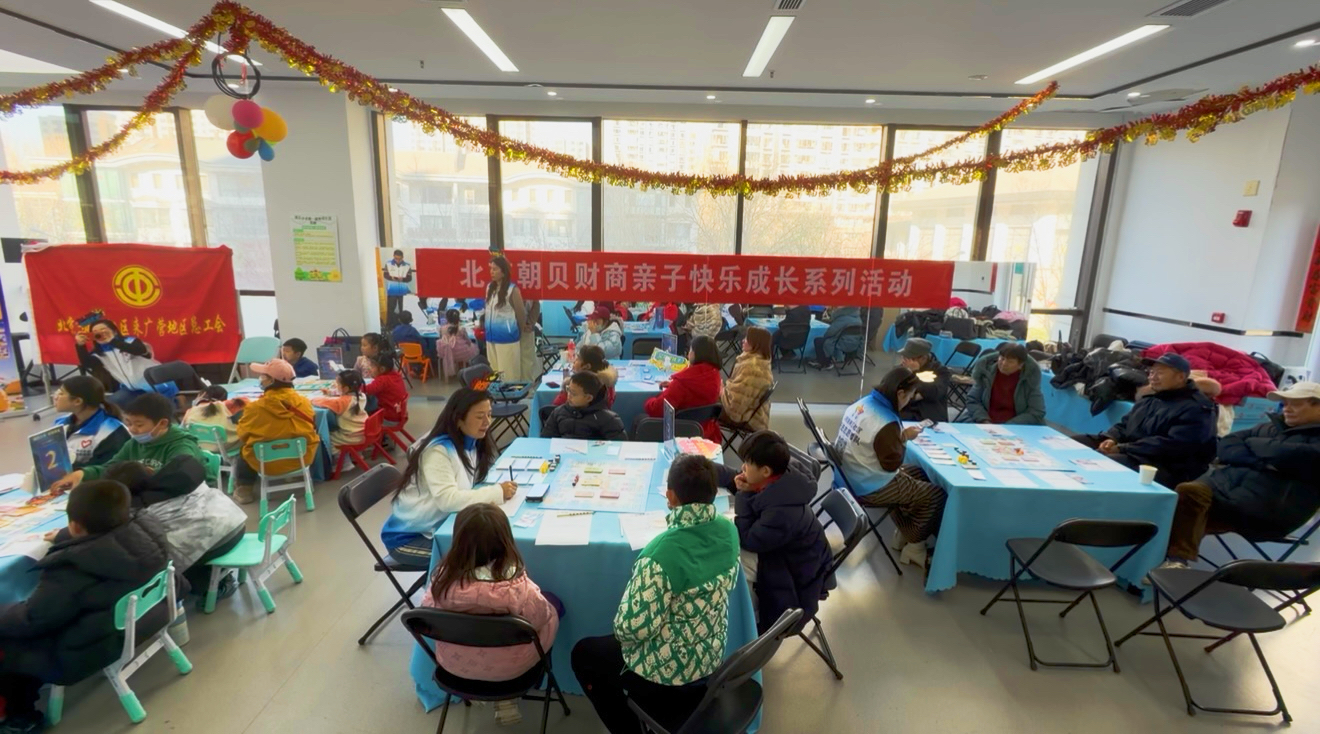
财赋润童心,北京朝贝财商亲子快乐成长系列活动成功举办
Zhong Guo Jing Ji Wang· 2026-02-03 07:41
Core Insights - The article highlights the emergence of financial literacy education for children in Beijing's Chaoyang district, emphasizing community-driven initiatives that engage families in learning about financial management and responsibility [1][12]. Group 1: Event Overview - The "Beijing Chaobei Financial Literacy Parent-Child Happy Growth Series" was launched on February 2, 2026, in the Qingyuan Road Fifth Community, featuring interactive activities designed to teach financial concepts to children and their parents [1][6]. - The event was well-attended, with initial capacity of 10 families expanding to nearly 50 participants due to high demand, indicating strong community interest in financial education [6][12]. Group 2: Educational Activities - Activities included immersive board games and role-playing scenarios that allowed families to explore money management, risk assessment, and communication within the family context [5][9]. - Unique games such as "resource exchange" and "wealth sand table" were designed to facilitate understanding of financial concepts, enabling children to grasp the importance of budgeting, saving, and responsible spending [9][12]. Group 3: Community and Volunteer Involvement - The success of the event was attributed to the collaboration between the Chaobei Volunteer Team, community committees, and financial professionals, ensuring high-quality guidance and support throughout the activities [10][12]. - The initiative aims to create a sustainable model for financial literacy education by integrating community resources, professional expertise, and volunteer efforts [12][13]. Group 4: Long-term Vision and Impact - The program is positioned as a long-term community project, with plans for ongoing activities and deeper engagement with families, schools, and local organizations to promote financial literacy [12][13]. - The essence of financial education is framed not just as skill development but as a means to cultivate responsible economic citizens who understand the value of money and the importance of ethical financial practices [12][13].
过了这一年龄,就该给孩子零花钱了,很多父母都给晚了
Jing Ji Guan Cha Bao· 2026-01-08 01:15
Core Viewpoint - The article emphasizes the importance of giving children pocket money as a means to teach them financial literacy and responsible money management, arguing that withholding it can lead to negative financial behaviors in adulthood [5][12]. Group 1: Importance of Pocket Money - Many parents believe that providing pocket money is unnecessary if they meet their children's material needs, but this can be detrimental to the child's financial understanding [4][5]. - Children without pocket money may develop a poverty mindset, leading to either excessive frugality or reckless spending later in life [8][10][11]. - Parents who provide pocket money, even if not wealthy, help their children experience financial autonomy and develop a healthy relationship with money [12] Group 2: Financial Literacy Development - Financial literacy is not innate; giving children pocket money is the first step in their financial education [13]. - Children learn to make choices and understand the concept of opportunity cost when managing their own money [15][18]. - Research indicates that children who manage pocket money tend to have better financial skills and lower debt levels as adults [19]. Group 3: Guidelines for Giving Pocket Money - It is recommended to start giving pocket money around the age of 7, as children at this age can understand basic financial concepts [20][21]. - The amount of pocket money should be age-appropriate, with suggestions of 7-10 yuan per week for 7-year-olds and 15-20 yuan for 10-year-olds [22]. - Parents should establish clear rules for pocket money, ensuring it is given regularly and unconditionally, and not tied to chores or academic performance [25][27]. Group 4: Managing Pocket Money - Children should be taught to divide their pocket money into three categories: spending, sharing, and saving [28]. - Keeping a record of expenditures can help children reflect on their spending habits and improve their financial planning skills [28]. - The ultimate goal of providing pocket money is to equip children with the skills to manage money responsibly and understand the value of financial decisions [29].
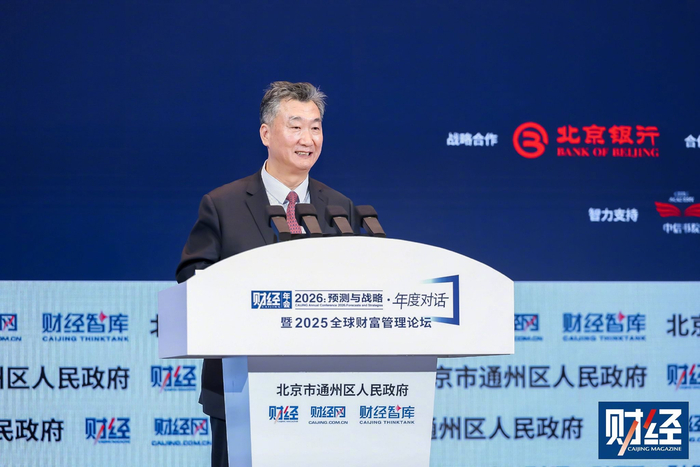
北京银行董事长霍学文称培养下一代财商意识可有效防范老年人非法集资
Cai Jing Wang· 2025-12-18 04:29
Core Viewpoint - The chairman of Beijing Bank, Huo Xuewen, emphasizes the importance of financial education for children as a means to combat illegal fundraising targeting the elderly, suggesting that instilling financial awareness in the younger generation can effectively protect the financial interests of the older population [1] Group 1: Children's Financial Education - Beijing Bank has established the first child-friendly bank in the country, focusing on enhancing children's financial literacy, traditional cultural education, and social skills [1] - The bank has served 2.6 million children, helping them manage over 20 billion yuan in their New Year's money [1] Group 2: Combating Illegal Fundraising - Huo Xuewen notes that convincing elderly individuals not to invest in illegal schemes is challenging, but advice from grandchildren is particularly effective in dissuading them [1] - The strategy of fostering financial awareness in the next generation is viewed as a foundational step for the long-term development of the country [1] Group 3: Financial Management and Investment - The bank aims to cultivate a generation of financially savvy children who can manage money, invest wisely, and potentially produce future financial leaders akin to Warren Buffett [1]

零花钱总是不够 如何化解矛盾与孩子直面“谈钱”?
Bei Jing Qing Nian Bao· 2025-12-10 00:30
Core Viewpoint - Financial literacy education is essential for children, helping them establish a correct view of consumption and money management that will benefit them throughout their lives [1][2]. Group 1: Financial Literacy Education - Financial literacy education should start with managing pocket money, where parents can set an appropriate amount based on family circumstances and the child's age, establish a regular distribution cycle, and review spending habits together [1]. - Children should be encouraged to manage their desires and make rational purchasing decisions, distinguishing between wants and needs, and comparing prices to assess value for money [1][2]. Group 2: Financial Planning and Investment - Children should be guided to read age-appropriate financial books to develop an understanding of financial planning, and parents can share their experiences to illustrate the relationship between consumption, saving, and investment [2]. - Pocket money can be divided into spending, saving, and investing, with parents introducing children to various investment options like savings accounts, government bonds, insurance, and stocks [2]. Group 3: Philanthropy and Giving - Encouraging children to donate a portion of their pocket money to help those in need can foster a sense of joy and responsibility, while also teaching them to discern genuine needs and decide how much to donate [2]. Group 4: Long-term Process - Financial literacy education is a long-term process that requires children to practice money management, learn from their experiences, and gradually build a solid foundation for their future financial lives [2].
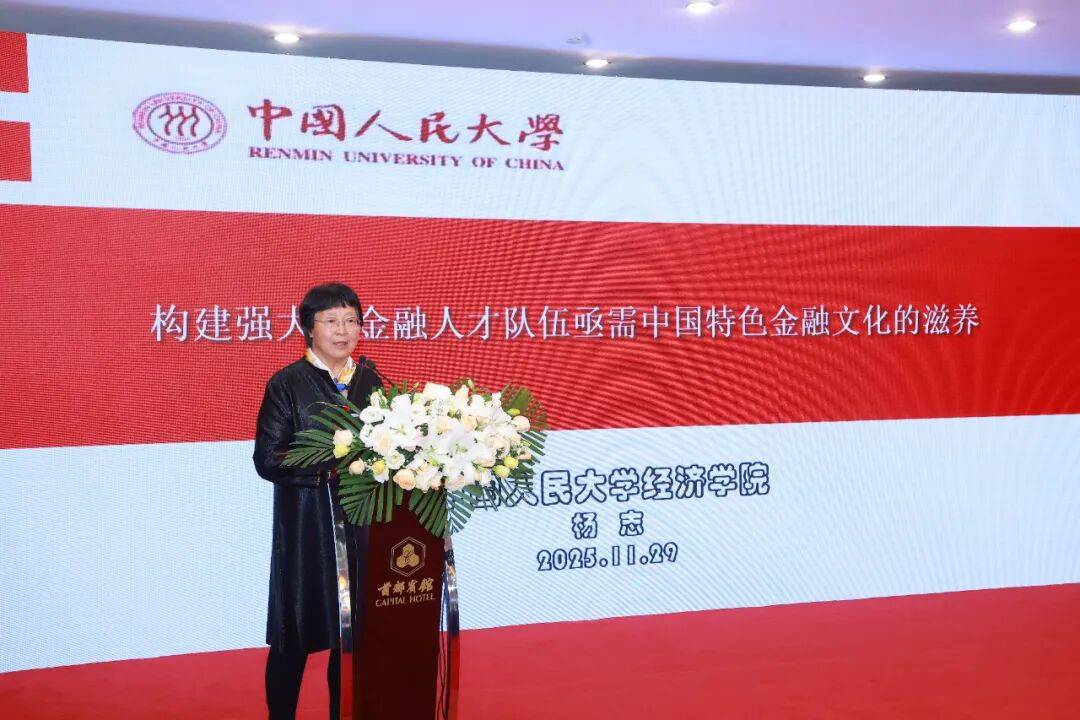
经济前瞻论坛2025丨杨志:构建强大的金融人才队伍亟需中国特色金融文化的滋养
Sou Hu Cai Jing· 2025-11-30 06:01
Core Viewpoint - The construction of a strong financial talent team is essential for China's transition from a financial power to a financial stronghold, which requires addressing both external and internal contradictions in financial development [2]. Group 1: Financial Talent Development - A strong financial talent team is crucial for promoting the construction of a financial stronghold, as the financial sector is highly specialized and complex [2]. - The talent team must meet the standards of political integrity, capability, and work ethic to effectively contribute to the financial stronghold [2]. - Understanding the core connotation of "Chinese characteristics" is vital for the financial talent team, which should integrate Marxist financial theory with contemporary Chinese practices and traditional culture [2]. Group 2: Financial Culture and Education - A robust financial talent team must be nourished by both Marxism and excellent traditional Chinese culture to achieve innovative development and effectively fulfill their roles in financial culture [2]. - In-depth understanding of Chinese financial culture is essential for financial talent education, serving as a key support for risk prevention and ensuring the integrity of the financial workforce [2]. Group 3: Financial Literacy and Education - Financial literacy education should focus on cultivating national financial awareness and knowledge accumulation [3]. - The approach to financial literacy education should emphasize cultural connotation and adopt a tiered strategy, addressing both institutional and individual investor education needs [3].