SEO(搜索引擎优化)

Search documents
砸数万元将产品植入Deepseek,AI还能被骗多久?
36氪· 2025-09-06 14:02
Core Viewpoint - The article discusses the emergence of Generative Engine Optimization (GEO) as a new form of search engine optimization in the context of AI, highlighting its rapid growth and the competitive landscape it has created for businesses seeking visibility in AI-generated search results [5][8][29]. Group 1: Emergence of GEO - GEO is a new strategy aimed at influencing AI-generated answers to enhance product visibility and drive traffic [8][12]. - The rapid rise of GEO services has led to a significant increase in the number of service providers, with estimates suggesting hundreds of companies are now offering GEO optimization services [9][12]. - The traditional growth methods have become less effective, prompting businesses to explore GEO as a potential solution to their traffic challenges [13][29]. Group 2: Operational Mechanism of GEO - The GEO process typically involves clients providing product information, which service providers use to create tailored content that is then distributed across various platforms [14]. - GEO targets the AI's online search capabilities, aiming to increase the likelihood of being included in AI-generated responses by strategically placing content in preferred sources [17][18]. - Different AI models have unique preferences for information sources, necessitating a nuanced approach to content placement [18][19]. Group 3: Challenges and Limitations - The effectiveness of GEO is often short-lived due to the opaque nature of AI algorithms, making it difficult to measure the impact of optimization efforts [26][29]. - Many businesses struggle to quantify the results of GEO, leading to skepticism about its true effectiveness compared to traditional SEO [29][49]. - The article notes that while GEO can provide short-term benefits, it is more akin to brand advertising rather than direct performance marketing [29][49]. Group 4: Future of GEO and AI Content - As AI-generated content becomes more prevalent, the quality of information is at risk of declining due to the proliferation of low-quality, AI-generated materials [35][41]. - Companies are encouraged to adopt a more strategic approach to content creation, focusing on high-quality, structured information that aligns with AI preferences [20][46]. - The landscape of GEO is evolving, with companies like Profound leading the way by offering tools to analyze AI interactions and optimize content accordingly [46][52].


花一万元植入DeepSeek,一场没有终点的流量游戏
3 6 Ke· 2025-09-05 05:07
Core Insights - The rise of DeepSeek has created a new market for Generative Engine Optimization (GEO), which aims to influence AI-generated answers to increase product visibility and traffic [1][3][5] - The GEO market is rapidly becoming competitive, with a significant increase in service providers, estimated to be between 500 to 1000 companies [3][5] - Traditional growth methods are stagnating, leading brands to seek new avenues for traffic, with GEO seen as a potential solution [5][18] Group 1: GEO Market Dynamics - GEO services are priced between thousands to tens of thousands of yuan, with a standardized process involving the creation of tailored articles for AI [6][8] - The effectiveness of GEO relies on understanding the preferences of different AI models, which requires continuous interaction and analysis [9][10] - The market is characterized by a high degree of service homogeneity, making differentiation challenging for providers [6][18] Group 2: Challenges and Limitations - The results of GEO are difficult to measure and maintain over time, as they are influenced by various factors including user context and model algorithms [15][17] - Many brands are experiencing anxiety over the effectiveness of GEO, with some resorting to extreme measures to ensure visibility [5][18] - The perception of GEO as a brand advertising tool rather than a performance advertising tool is growing, with limited actual conversion rates [18][30] Group 3: Information Pollution and Governance - The rise of AI-generated content has led to concerns about information pollution, with many low-quality articles flooding the internet [22][24] - Companies are employing various tactics to manipulate AI training data, leading to a cycle of content quality degradation [20][27] - Platforms are beginning to implement stricter governance measures to combat information pollution, but challenges remain due to the complexity of identifying intent in generated content [26][29] Group 4: Future Outlook and Strategies - The GEO market is expected to evolve as companies seek to establish clearer rules and standards, particularly as AI platforms begin to commercialize [37][38] - Successful engagement with AI models will require a shift from traditional content strategies to more sophisticated approaches that prioritize quality and relevance [32][36] - Companies that have not previously engaged in online marketing may find new opportunities in GEO, as it offers a way to establish an online presence [36]


观点| 杜雨: GEO的本质是品牌广告,不是效果广告
未可知人工智能研究院· 2025-08-27 03:02
Core Viewpoint - GEO (Generative Engine Optimization) is emerging as a new marketing paradigm in the AI era, distinct from traditional SEO (Search Engine Optimization), which remains significant in digital marketing [3][4]. Group 1: Conceptual Overview of GEO and SEO - SEO is a classic form of performance advertising aimed at optimizing website content and structure to improve search engine rankings, thereby increasing traffic and conversions [6]. - GEO focuses on optimizing brand performance on AI interaction platforms, establishing trust with AI algorithms to ensure brand information is prioritized in AI-generated responses [7]. Group 2: Current State of Domestic Large Model Applications - Major domestic AI chat applications like DeepSeek and Kimi lack direct e-commerce link functionalities, limiting their role to the "interest generation" phase, akin to the 1.0 version of platforms like Xiaohongshu and Douyin [9][10]. - The integration of AI models with e-commerce faces challenges due to market competition and the complexity of the supply chain, making it uncertain when a mature model will emerge in China [10]. Group 3: GEO as Brand Advertising - GEO enhances brand recognition and image by ensuring frequent exposure of brand information in AI-generated answers, fostering a positive association in consumers' minds [14]. - It emphasizes long-term value and trust accumulation, as brands can build credibility through consistent quality content on AI platforms [15]. - GEO leverages the vast user base of AI platforms to expand brand reach and influence, similar to a large social gathering where brand information is widely disseminated [15]. Group 4: Case Studies of GEO Implementation - A high-end housekeeping brand optimized its content for specific queries, achieving top visibility on DeepSeek, which enhanced its professional image over time [18]. - A medical device company restructured its technical documents into a Q&A format, significantly increasing its citation rate on AI platforms, thereby strengthening its authority in the industry [18]. Group 5: Misconceptions About GEO - Brands focusing solely on short-term ROI may overlook the broader benefits of GEO in brand recognition and reach, risking the loss of valuable AI traffic opportunities [21]. - Misclassifying GEO as performance advertising can lead to misguided strategic decisions, potentially harming brand reputation and long-term growth [21]. - A short-term focus may disrupt the coherence of brand messaging, confusing consumers and undermining established brand positioning [21].

别太相信DeepSeek
虎嗅APP· 2025-08-16 09:52
Core Viewpoint - The article discusses the emerging concept of Generative Engine Optimization (GEO), which aims to enhance brand visibility in AI-generated responses, highlighting its potential as a lucrative business opportunity in the AI search landscape [6][8]. Group 1: GEO Concept and Market Dynamics - GEO is defined as a strategy to improve the presence of brand information in AI-generated answers, with studies indicating that optimization can increase content visibility by up to 40% [6]. - The global GEO market is projected to exceed 42 billion yuan by 2025, with a compound annual growth rate of 87% [8]. - Companies like Profound, which focus on AI search optimization, have gained significant investment interest, with Profound's valuation surpassing 100 million USD after multiple funding rounds [7][8]. Group 2: Business Models and Strategies - The typical GEO process involves matching brand keywords to user queries, allowing for targeted advertising in AI responses [10]. - The cost of keyword placement in GEO is relatively affordable, ranging from 150 to 300 yuan per month for domestic platforms and 300 to 500 USD for overseas platforms [12]. - New entrants in the GEO space are capitalizing on existing marketing budgets, with many businesses eager to leverage AI for brand visibility [12][13]. Group 3: Impact of AI on Consumer Behavior - As AI becomes a primary source of information, brands must adapt their strategies from traditional SEO to optimizing AI training data and knowledge graphs [18]. - Currently, about 10% of recommendation traffic comes from AI dialogues, with predictions suggesting this could exceed 50% by 2027, potentially driving 2.5 trillion USD in online commerce through AI interactions [18]. - The shift towards AI-driven recommendations necessitates a focus on high-quality content generation to remain competitive in the evolving landscape [21]. Group 4: Challenges and Future Outlook - The GEO market is characterized by a mix of traditional SEO companies, content marketing firms transitioning to GEO, and startups specializing in AI search [20]. - There are concerns about low-quality content and "gray market" practices that could undermine the integrity of GEO efforts [20][21]. - The future of marketing in the AI era may see a consolidation of players, with a stronger emphasis on content quality and the potential for new advertising models to emerge [23].

别太相信DeepSeek
凤凰网财经· 2025-08-14 14:14
Core Viewpoint - The article discusses the emerging concept of Generative Engine Optimization (GEO), which aims to enhance brand visibility in AI-generated responses, highlighting a significant shift in digital marketing strategies from traditional SEO to AI-focused optimization [4][5][6]. Group 1: GEO Concept and Market Dynamics - GEO is defined as a strategy to increase the presence of brand information in AI-generated answers, with studies indicating that optimization can boost content visibility by up to 40% [4]. - The global GEO market is projected to exceed 42 billion yuan by 2025, with a compound annual growth rate of 87% [5]. - Companies like Profound, which focus on AI search optimization, have gained significant investment, with Profound's valuation surpassing 100 million USD after multiple funding rounds [5][6]. Group 2: Impact of AI on Search Behavior - The rise of AI tools like DeepSeek has transformed search behavior, with brands now competing for mentions in AI responses rather than traditional search rankings [6][7]. - As of March 2025, DeepSeek's SearchAPI has reached an average daily call volume of 30 million, accounting for approximately 60% of domestic AI application search requests [16]. - Predictions suggest that by 2027, over 50% of recommendation traffic will come from AI dialogues, indicating a major shift in consumer purchasing behavior [18]. Group 3: Strategies for GEO Implementation - Companies are advised to match brand keywords with user inquiries to effectively present advertising information in AI responses [9]. - The cost of keyword placement in GEO is relatively low, with domestic platforms charging between 150-300 yuan per keyword monthly, making it accessible for many businesses [12]. - The approach involves generating AI-optimized content based on company information and feeding it into accessible platforms to enhance visibility [26][27]. Group 4: Challenges and Future Outlook - The GEO market is characterized by a mix of traditional SEO firms, content marketing companies transitioning to AI search, and new startups focused on GEO [20]. - The lack of transparency in large model algorithms complicates decision-making, and there is a risk of low-quality content affecting brand visibility [23][24]. - The future of marketing in the AI era may see a shift towards a more concentrated industry structure, with potential for "bidding rankings" depending on the choices of large model providers [28].

谁在往“DeepSeek们”的回答里塞广告?
3 6 Ke· 2025-08-04 09:37
Core Viewpoint - AI is transforming modern workplaces and daily life, shifting user behavior from "searching" to "asking AI" for solutions, leading to a significant increase in AI search users from 310 million in January 2024 to 1.98 billion by February 2025, a growth rate of 538.7% [1] Group 1: User Experience and Concerns - Users are increasingly questioning whether AI-generated answers contain advertisements, as seen in the experiences of individuals like Zhao Xinting, who noticed brand mentions in AI responses and expressed skepticism about their authenticity [1][4] - Social media platforms are filled with users voicing concerns that AI responses are becoming "advertising spaces," with examples of AI tools like DeepSeek and Doubao incorporating promotional content in their answers [5][9] Group 2: Marketing Opportunities - The rise of AI has created new marketing opportunities, particularly through Generative Engine Optimization (GEO), which aims to influence AI outputs by producing content that aligns with AI preferences, similar to traditional Search Engine Optimization (SEO) [10] - The GEO market is projected to grow significantly, with estimates suggesting a market size of approximately 2.1 billion yuan in 2023, expected to reach 24.2 billion yuan by 2027, indicating a potential market value transformation exceeding 300 billion yuan in the next five years [14] Group 3: Service Providers and Pricing - GEO service companies are emerging, offering services that optimize brand visibility in AI responses, with pricing models based on the number of keywords and entries, ranging from 6,000 yuan for 50 entries to 20,000 yuan for 500 entries per month [12][13] - The effectiveness of GEO services is measured by the frequency of brand mentions in AI responses, with some companies offering guarantees of performance or refunds if results are unsatisfactory [14]
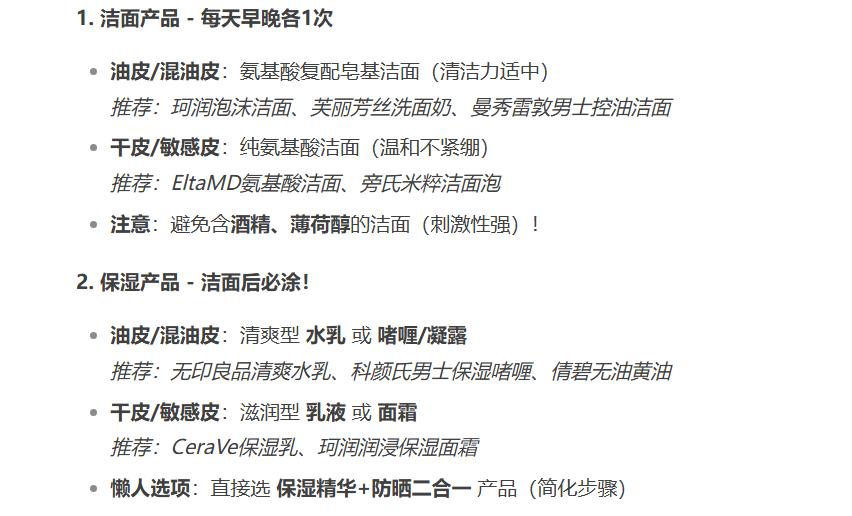
AI对话框正在涌入“广告”
第一财经· 2025-07-24 06:16
Core Viewpoint - The rise of AI-driven marketing, specifically through Generative Engine Optimization (GEO), is reshaping how brands engage with consumers, shifting focus from traditional search engine optimization (SEO) to AI platforms [2][4][9]. Group 1: AI Marketing Dynamics - GEO is a new marketing strategy where companies create content tailored for AI to enhance brand visibility in AI-generated responses, similar to how SEO optimizes content for search engines [2][4]. - The popularity of AI tools like DeepSeek has led brands to seek increased exposure in AI responses, indicating a significant shift in marketing strategies post the rise of generative AI [4][6]. - Marketing companies are adapting by developing strategies to optimize content for AI, including creating derivative question libraries to enhance brand exposure [4][5]. Group 2: Market Trends and Shifts - The advertising revenue from traditional search engines is being challenged as user behavior shifts towards AI chat platforms, leading to a decline in market share for companies like Google and Baidu [8][9]. - Statcounter data shows Google's search engine market share fell below 90% in October 2022, while Baidu's share dropped from 69.63% in October 2023 to 50.92% by June 2024 [8]. - The emergence of GEO has led to a significant increase in demand for AI-related marketing services, with some companies reporting a 70% decrease in traditional SEO demand since 2020 [9][10]. Group 3: Challenges and Concerns - The integration of marketing content into AI responses raises concerns about the quality and reliability of information, as users may mistakenly trust AI-generated answers as authoritative [10][12]. - The current GEO landscape is characterized by a lack of standardized metrics for measuring effectiveness, leading to challenges in quantifying the impact of GEO strategies [11][12]. - There is a risk of content pollution in AI environments, as some marketing firms resort to producing low-quality or misleading content to increase brand visibility [12][13]. Group 4: Regulatory and Ethical Considerations - The distinction between GEO and traditional advertising is debated, with some industry experts arguing that GEO should be classified as advertising due to its intent to influence consumer behavior [14][15]. - Legal experts emphasize the need for compliance with advertising regulations, suggesting that brands using GEO should clearly label their content to avoid misleading consumers [15][16]. - The evolving relationship between AI and users raises new regulatory questions, particularly regarding the accuracy and integrity of AI-generated content [17][18].