
产教融合

Search documents
产教融合视域下校企合作风险识别与应对
Yang Shi Wang· 2026-01-13 02:36
Core Insights - The article emphasizes the importance of school-enterprise cooperation in cultivating high-level technical skills, while highlighting the risks that affect project outcomes and sustainability, such as mismatched educational goals and industry demands, uneven distribution of short-term and long-term benefits, and uncertainties from policy and market changes [1] Group 1: Risks in School-Enterprise Cooperation - There is a risk of misalignment between educational goals and industry demands, as the rapid evolution of technology and market changes lead to shifting requirements for talent, which the education system struggles to adapt to in a timely manner [2] - The failure to balance short-term benefits with long-term value can create conflicts, as schools focus on developing high-quality talent while companies seek immediate economic gains, potentially jeopardizing the quality of education and the sustainability of cooperation [3] - External uncertainties from policy changes and market fluctuations can impact the quality of cooperation, as projects may fail to adapt to new regulations or market conditions, leading to a mismatch between trained skills and market needs [4] Group 2: Risk Management Strategies - Establishing a flexible and adaptive decision-making system is crucial for managing risks in school-enterprise cooperation, involving a collaborative team that can respond to industry trends and adjust educational offerings accordingly [5] - Creating a long-term mechanism for shared risk and value is essential, including clear agreements on funding, technology, and intellectual property rights, to ensure sustainable cooperation and mutual benefits [6][7] - Developing a responsive system that integrates policy and market insights can help navigate uncertainties, ensuring that cooperation projects remain competitive and aligned with both educational and industry needs [8]
实现人才培养与社会服务双向赋能
Xin Lang Cai Jing· 2026-01-12 21:03
Core Viewpoint - The Hebei Judicial Police Vocational College is enhancing the psychological quality and professional competence of students by integrating psychological education with industry needs and regional development [1] Group 1: Psychological Education Framework - The college has established a comprehensive psychological education system as a foundation for cultivating high-quality law enforcement talent [1] - An innovative "12345" psychological education model has been created, focusing on a holistic approach to student development [1] - The college implements a four-level early warning mechanism involving "school, department, class, and dormitory" to ensure timely intervention in students' psychological states [1] Group 2: Curriculum and Resource Development - A dual-teacher system comprising "full-time faculty and industry part-time instructors" has been developed to enhance the educational experience [1] - The curriculum includes a mix of required, elective, and micro-courses, with the development of high-quality online courses such as "Criminal Psychological Correction" [1] - The college has established a brand for "Mental Health Month" over the past seven years, promoting a culture of mental health awareness among students [1] Group 3: Industry Collaboration and Practical Engagement - The college promotes a "five-integration" model that includes collaboration with industry to ensure training aligns with practical needs [1] - Regular industry demand surveys are conducted to address practical challenges, with results being integrated back into the curriculum [1] - Students are encouraged to participate in high-level skill competitions and practical activities to enhance their employability [1] Group 4: Social Responsibility and Community Engagement - The college actively conducts psychological lectures for key personnel such as judicial police to enhance their psychological resilience [1] - An industry exchange platform has been established to promote the psychological education model and its practical outcomes [1] - The college aims to contribute to the rule of law and improve social mental health through its initiatives [1]
慧聚跨境 逐浪全球-2025年潍坊市跨境电子商务大赛圆满收官
Sou Hu Cai Jing· 2026-01-12 12:13
1月9日,2025年潍坊市跨境电子商务大赛机关赛道决赛暨大赛颁奖仪式在东方大酒店隆重举行。市商务局、市总工会、市教育局、潍坊学院、山东经贸学 院、省跨境电商协会、市跨境电商协会、阿里巴巴国际数字商业集团等单位有关领导和嘉宾出席活动,各县市区、市属开发区商务主管部门负责人、参赛 队伍代表、跨境电商及外贸企业代表共同见证赛事盛况。 近年来,潍坊市持续优化跨境电商发展生态,搭建多平台服务矩阵,推动"跨境电商+产业带"深度融合,2025年1-11月跨境电商进出口额达227亿元,总量 居全省第2位。本次大赛的成功举办,不仅为行业选拔培育了一批高素质专业人才,更搭建了校企协同、政企联动的合作桥梁。下一步,潍坊市商务局将 以大赛为契机,持续完善生态体系、深化人才培育、推动产业升级,助力"好品潍坊"通过数字渠道走向全球,为外贸高质量发展注入强劲动能。 供 稿:电商产业发展部 编 辑:市商务局办公室 责 编:于志強 本次大赛由潍坊市商务局、潍坊市总工会、潍坊市教育局、潍坊市人社局联合主办,潍坊学院、潍坊市跨境电子商务协会承办,以"慧聚跨境,逐浪全 球"为主题,设置院校、企业、机关三大赛道,面向驻潍院校学生、企业在职职工及商务系 ...


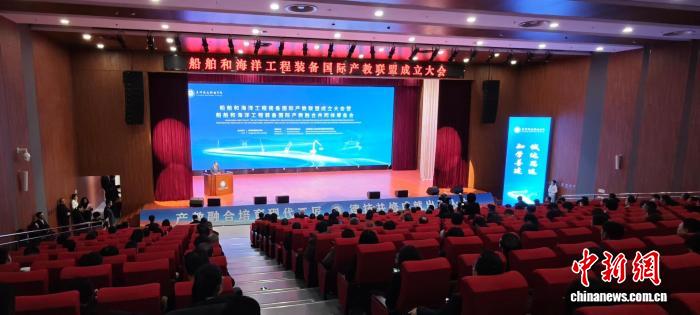
船舶和海洋工程装备国际产教联盟在津成立
Zhong Guo Xin Wen Wang· 2026-01-12 11:13
Group 1 - The International Alliance for Shipbuilding and Marine Engineering Equipment was established on January 10 in Tianjin, aiming to create a new platform for international integration of education and industry [1][4] - The alliance focuses on deep integration of the education chain, talent chain, industrial chain, and innovation chain, promoting high-quality development in the global shipbuilding and marine engineering equipment industry [2] - Four chair units and ten vice-chair units were awarded at the event, along with the signing of multiple cooperation memorandums and talent training agreements [2] Group 2 - Uzbekistan's participation in the alliance is expected to enhance practice-oriented talent cultivation, closely aligning vocational education with the actual needs of shipbuilding and marine industries [2] - Experts and representatives from countries like Bangladesh, Russia, and China discussed topics such as "international collaborative education under digital transformation" and "high-quality development paths for the shipbuilding industry under green transformation" during a roundtable session [3]
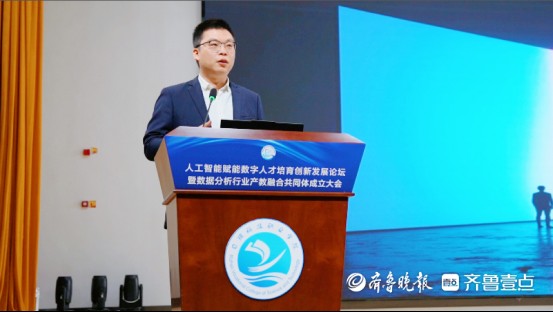
数据分析行业产教融合共同体在日照成立,赋能数字人才培育
Qi Lu Wan Bao· 2026-01-12 09:05
Core Viewpoint - The establishment of the Data Analysis Industry Education-Industry Integration Community marks a significant step towards addressing the structural contradictions in the supply and demand of digital talent, aiming to enhance the quality of development in the digital industry [1][4]. Group 1: Community Formation and Objectives - The Data Analysis Industry Education-Industry Integration Community was initiated by Shandong Kaichuang Group, Shandong University of Technology, and Rizhao Vocational College of Science and Technology, along with over a hundred industry units, to promote deep integration of education and industry [1][2]. - The community aims to address the challenges of digital talent cultivation and is seen as a key measure to couple the education chain, talent chain, and industry chain [1][3]. - The community's formation is aligned with national policies such as the "Education Strong Nation Construction Plan (2024-2035)" [1]. Group 2: Institutional Contributions and Resources - Rizhao Vocational College has developed a professional cluster layout that meets regional industrial needs, with teaching equipment valued at over 90 million yuan, and a high-level faculty team [2]. - Shandong University of Technology emphasizes the importance of seamless integration between enterprise needs and educational practices, moving from "bilateral cooperation" to "multi-party collaboration" in talent cultivation [3]. - Kaichuang Group has committed to nurturing high-quality digital talent through collaborative training bases and curriculum development, having already trained thousands of professionals in the digital economy [3]. Group 3: Strategic Importance and Future Directions - The community is seen as a vital platform for addressing industry development challenges and is expected to enhance the quality and efficiency of economic and social development [2][4]. - The establishment of the community is a response to the urgent need for high-quality talent that meets the demands of the digital economy and intelligent era [4][5]. - Future efforts will focus on deepening cooperation, resource sharing, and innovative operational mechanisms to ensure that talent supply aligns with industry needs [6][7].

6家院校与共同体“数据分析+”人才培育智能体签约
Qi Lu Wan Bao· 2026-01-12 08:56
Core Insights - The establishment of the data analysis industry education integration community aims to address talent cultivation and industry needs through a collaborative ecosystem [1] - Rapid advancements in artificial intelligence are driving a shift from experience-driven to data-driven management in enterprises, showcasing significant efficiency improvements in various applications [3] - A pressing talent gap exists in the industry, exacerbated by issues such as disconnection between education and industry, lack of qualified instructors, and insufficient practical resources [3] Group 1 - The proposed "data analysis + talent cultivation intelligent system" focuses on creating a new ecosystem for industry development by aligning educational outcomes with industry demands [1][4] - The intelligent system platform will utilize knowledge graphs and AI technology to create a comprehensive talent cultivation framework, ensuring that educational content is continuously updated to meet industry needs [4] - The platform aims to enhance teaching quality by providing AI-assisted tools for educators and personalized learning paths for students, bridging the skills gap effectively [4] Group 2 - The report emphasizes the importance of collaboration among industry stakeholders to build a community that integrates education and industry, fostering the development of skilled data analysis professionals [6] - The proposed solutions are seen as innovative and practical, offering valuable insights for enhancing the integration of education and industry, thereby supporting the national strategy for talent development [6]

还没毕业,就已经在接单了!这所学校的培养模式有点“新”
Xin Lang Cai Jing· 2026-01-12 07:54
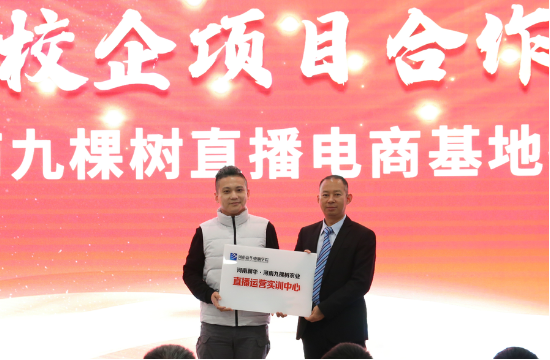
Core Insights - The article highlights the successful integration of education and industry at Xinhua Computer Education, showcasing real market engagement through practical training and projects [1][10] - The institution emphasizes a dynamic curriculum that adapts to industry needs, ensuring students are equipped with relevant skills for the job market [2][11] Group 1: Market Engagement - Xinhua Computer Education has achieved over 7,900 monthly orders and sales exceeding 110,000 yuan, demonstrating the effectiveness of its e-commerce training [1][10] - Students operate real businesses in the e-commerce entrepreneurship park, engaging in product selection, supply chain management, and live streaming, which leads to tangible sales results [5][14] Group 2: Industry Collaboration - The "four-chain integration" model at Xinhua ensures that educational content is aligned with industry requirements, with input from industry experts shaping the curriculum [2][11] - Alumni play a crucial role in fostering partnerships with companies, leading to the establishment of "order classes" that provide students with direct pathways to employment [2][11][12] Group 3: Practical Training - The training environment at Xinhua is designed to mimic real-world industry settings, where students face actual market pressures and project deadlines [6][15] - The "order class" model allows students to work on live projects, gaining hands-on experience and enhancing their employability before graduation [8][17] Group 4: Mutual Benefits - The collaboration between Xinhua and industry partners reduces recruitment and training costs for companies while providing students with job-ready skills [9][18] - This model creates a sustainable ecosystem that benefits students, companies, and regional industries by ensuring a steady supply of qualified talent [9][18]
从砚台雕刻师到产业领航员:一名党员工匠的“砚都”赋能记丨粤匠担当 兴农之道⑤
Nan Fang Nong Cun Bao· 2026-01-12 04:06
Core Viewpoint - The article highlights the transformation of Zheng Tianxu from a traditional craftsman to an industry leader, emphasizing the need for innovation and adaptation in the craft industry to attract younger generations and ensure sustainability [5][6]. Group 1: Industry Challenges - The craft industry has been facing a decline, with older artisans retiring and younger individuals showing little interest in traditional crafts [10][12]. - Zheng identified three main barriers for youth engagement: long learning periods with slow results, low industry recognition and unstable income, and a disconnect between traditional techniques and modern aesthetics [13][14]. Group 2: Talent Development - Zheng took on a leadership role in the Zhaoqing Craft Art Association to shift focus from personal achievements to industry development [15][16]. - He established a talent development system that includes collaboration between schools and enterprises, mentorship from masters, and incentive competitions [17][18]. - Zheng designed comprehensive courses covering core techniques and integrated the spirit of craftsmanship into the curriculum [19][20]. Group 3: Market Transformation - Zheng recognized the need to reposition the traditional Duan inkstone from a luxury item to a more accessible product for everyday use [25][28]. - Under his guidance, the industry began exploring lifestyle-oriented products, such as portable inkstones and home decor items featuring Duan inkstone designs [29][30]. - An example includes the "Star Lake Moonlight" portable inkstone, which was redesigned to be smaller and lighter while retaining essential artistic features [30][31]. Group 4: Industry Collaboration - The Zhaoqing craft art industry has historically been fragmented, with many artisans and small businesses operating independently [42][43]. - Zheng emphasized the importance of building platforms for collaboration, leading to the establishment of the Bay Area Craft Art Boutique Exhibition, which showcased over 2,000 works and attracted more than 50,000 visitors [46][47]. - The Shenzhen Cultural Expo has also played a crucial role in promoting the Duan inkstone industry, serving as a platform for sales, brand exposure, and cultural exchange [49][51]. Group 5: Future Vision - Zheng envisions creating a national craft art exchange center and a digital museum for Duan inkstones, aiming to double the total output value of the Zhaoqing craft art industry within five years [61]. - He believes that personal creativity is linked to the overall prosperity of the industry, indicating a long-term commitment to both personal and industry growth [63][64].

东方雨虹职校入选“首都工匠学院”,防水行业人才培育再获市级权威认可
Zhong Guo Zhi Liang Xin Wen Wang· 2026-01-12 02:45
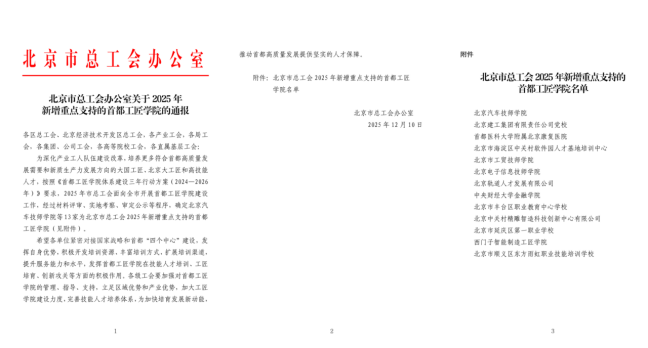
Core Viewpoint - The Beijing Municipal Government has announced the list of key supported "Capital Craftsman Colleges" for 2025, with the Dongfang Yuhong Vocational Skills Training School in Shunyi District successfully included, marking its teaching quality as recognized by authorities and integrating its talent cultivation system into the city's core platform for craftsman training [1][3]. Group 1: Development and Achievements - The establishment of the Capital Craftsman College aims to deepen the reform of the industrial worker team and cultivate high-skilled talents that meet the needs of high-quality development in the capital [3]. - Over the past year, the Dongfang Yuhong Vocational Skills Training School has made significant progress in its talent cultivation system and platform construction, including the inclusion of its courses in the Beijing project-based training guidance directory in July 2025, marking a shift from internal corporate training to public training supply [3]. - In December 2025, the first "school-in-store" model was successfully implemented at Hunan Construction Technician College, completing a closed-loop empowerment from talent cultivation to industrial service [3]. Group 2: Educational Model and Industry Impact - The rapid development of the Dongfang Yuhong Vocational Skills Training School is attributed to the company's continuous investment in industrial technology accumulation, process standard systems, and practical training scenarios, reflecting the successful implementation of its "platform + maker" model [5]. - The curriculum is designed to align with national vocational education reform policies, transitioning from "self-blood supply" to "industry blood supply," focusing not only on internal talent needs but also covering areas such as construction technology, quality management, and green renovation [5][6]. - The "school-in-store" workshops within the training school system provide a new path for business collaboration for local distributors, addressing the high demand for services in home waterproofing and localized leakage treatment, while overcoming limitations such as service radius and professional personnel shortages [8]. Group 3: Future Plans and Contributions - The Dongfang Yuhong Vocational Skills Training School is committed to exploring its role in vocational education, providing valuable experience for deepening the integration of industry and education [10]. - Leveraging the Capital Craftsman College platform, the school plans to further enhance curriculum development, faculty collaboration, and skill evaluation system construction, continuously producing high-quality skilled talents for the waterproofing industry [10].

安伟会见上海交通大学校长丁奎岭一行
Zheng Zhou Ri Bao· 2026-01-12 00:33
Group 1 - The meeting between the Secretary of the Zhengzhou Municipal Committee, An Wei, and the President of Shanghai Jiao Tong University, Ding Kuiling, emphasizes the importance of technological innovation in the development of Zhengzhou [2][3] - Zhengzhou is focusing on implementing the spirit of the 20th National Congress and the Central Economic Work Conference, aiming to enhance its innovation capabilities and competitiveness through a structured development plan [2] - Shanghai Jiao Tong University is recognized as a leader in technological innovation and high-quality higher education in China, with a commitment to fostering talent and promoting research collaboration in Zhengzhou [2][3] Group 2 - Ding Kuiling expressed gratitude for the support from Zhengzhou and highlighted the progress made by the Zhengzhou Research Institute in implementing various inclusive technology innovation projects [3] - The next steps include establishing a pilot incubation base at the Zhengzhou Research Institute to facilitate the transformation of innovative results in fields such as biomedicine and artificial intelligence [3] - The goal is to make the research institute a model for collaboration between the university and the local government, contributing to high-quality development in Zhengzhou [3]