人机协同

Search documents
在北京,见证一场机器人的“狂欢”
Xin Hua She· 2025-08-12 01:03
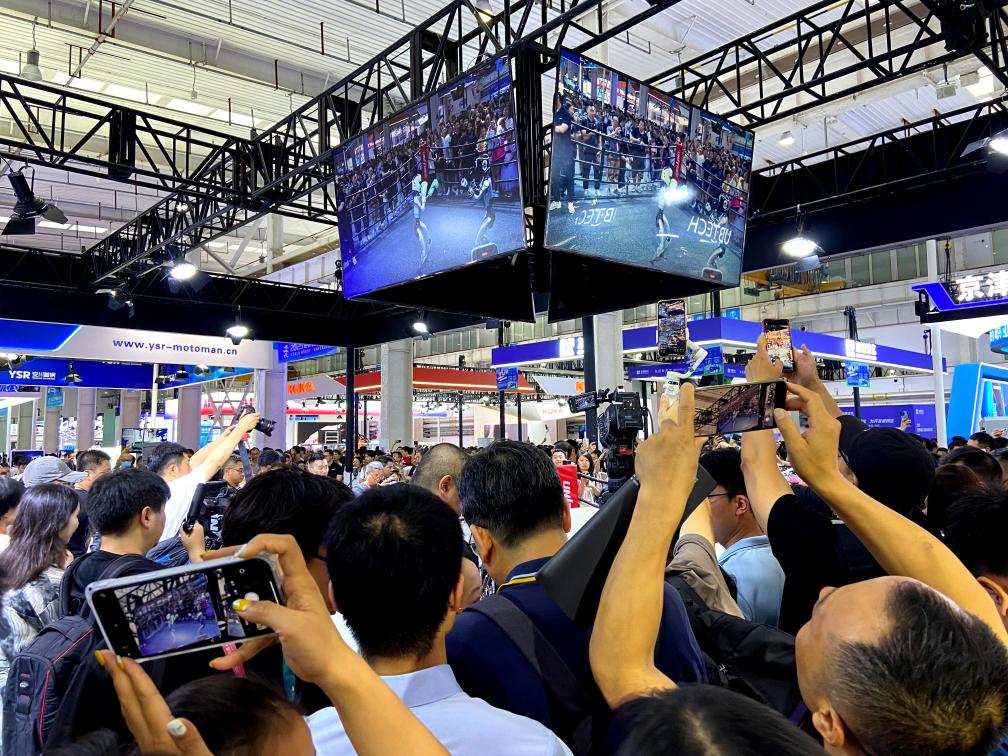
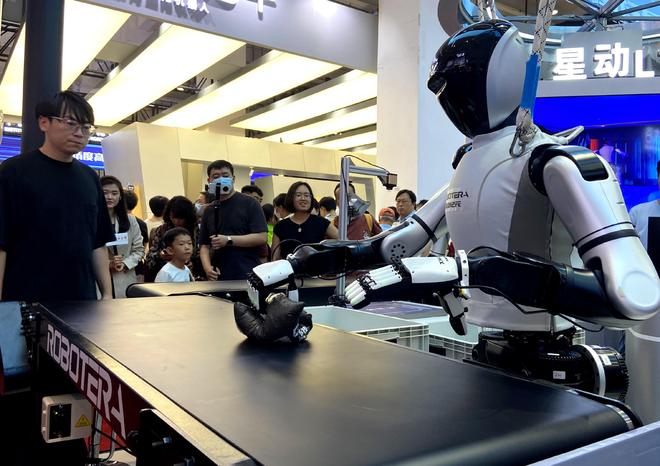
新华社北京8月10日电(记者魏梦佳)连日来,位于北京亦庄的2025世界机器人大会现场人潮汹涌,热闹非凡。来自全国各地的展商代表、参观 者,云集于此,见证一场机器人的"狂欢"。 "让机器人更智慧,让具身体更智能"。这场盛会上,200余家国内外机器人企业的1500余件展品集中亮相,首发新品超百款。多个展区内,用于 工业、农业、服务业等各行各业的机器人产品让人眼花缭乱。特别是50家人形机器人整机企业展示最新产品,参会企业数量创同类展会之最。 宇树科技机器人展台被围堵得水泄不通,只能看到无数手臂拿着手机抢拍。上方屏幕上,两名机器人拳击选手正挥拳激烈比拼,受力摔倒后, 快速翻转站起,继续投入战斗。其对面,一个小型足球场也被挤得难以下脚。球场上,加速进化机器人选手T1和K1正激烈拼抢,围观的孩子们 跟着主持人大喊着"加油",现场气氛犹如真人比赛般热烈,一不留神,球进了。 图为观众围观宇树科技机器人拳击表演。新华社记者 魏梦佳 摄 展厅过道,四足机器人正急速快走,旁边有商家摆放叫卖着几百元一台的小型机器人产品。另一处展厅内,几款造型逼真的机器狗吸引了许多 市民围观拍摄,一位女士忍不住弯下腰摸了摸机器狗的脑袋,"狗儿"立刻对 ...


聚焦2025世界机器人大会 从“秀场”到“实训场” 产业优势见证“新人”成长
Ren Min Wang· 2025-08-11 10:47
Core Insights - The 2025 World Robot Conference showcased various robots, indicating a rising industry trend and innovation in robotics [1][2] - China accounted for two-thirds of global robot patent applications in 2024, with industrial robot production reaching 370,000 units and service robots 8.824 million units in the first half of the year, reflecting year-on-year growth of 35.6% and 25.5% respectively [1] Industry Trends - The World Robot Conference has become a barometer for industry development, with a shift from showcasing technology to practical applications in workplaces [2] - The evolution of robotics is evident, with advancements from collaborative arms in 2023 to standing humanoid robots in 2024, and robots capable of walking and covering more scenarios in 2025 [2][3] Market Dynamics - China's industrial robot market is projected to sell 302,000 units in 2024, maintaining its position as the largest industrial robot market globally for 12 consecutive years [3] - The comprehensive industrial system in China allows for a rich variety of usage scenarios, enhancing the potential for rapid industrial chain development [3][4] Technological Advancements - Humanoid robots are expected to become disruptive products, integrating advanced technologies such as AI and high-end manufacturing, which could transform production and lifestyle [4] - The robot industry is transitioning from specialized fields to mass consumer markets, with a focus on deepening human-machine collaboration and personalization [5]
山东移动济南八一营业厅迎“数字新员工”,开启智慧服务新时代
Qi Lu Wan Bao· 2025-08-10 13:18
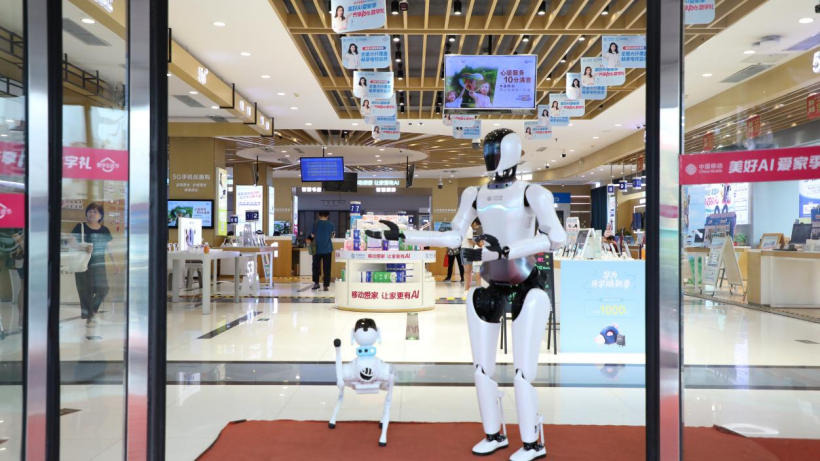
Core Insights - The introduction of robots "Lingxi" and robot dog "Xiaobai" at the Shandong Jinan Bayi Interchange Hall marks a significant step in integrating technology with service, enhancing the smart service system into a new phase of "human-machine collaboration" [1] Group 1: Robot "Lingxi" - "Lingxi" is an advanced guide robot that utilizes multi-modal human-machine interaction technology, environmental perception learning, anthropomorphic interaction design, and data-driven services [5] - It assists customers by guiding them through the service process, providing explanations of products in the "Aijia Experience Zone," and facilitating a deeper understanding of health-related offerings [7] - "Lingxi" has a robust knowledge base to accurately answer inquiries about packages and services, continuously optimizing service strategies for an immersive experience [9] Group 2: Robot Dog "Xiaobai" - "Xiaobai" is China's first consumer-grade quadruped robot, equipped with a self-developed AI engine and bionic movement system, capable of adapting to various terrains [9] - In the hall, "Xiaobai" engages customers with welcoming gestures and fun interactions, enhancing the customer experience during wait times [10] - It serves multiple roles in family settings, acting as a health manager for the elderly and a learning companion for children, thus evolving from a mere tool to an intelligent family member [10] Group 3: Service Efficiency and Experience - The integration of robots and robot dogs has optimized the entire service chain, reducing wait times by 25% during peak hours and increasing product inquiry rates by 50% through engaging demonstrations [12] - Interactive activities, such as dance performances by "Xiaobai," further enhance customer engagement during specific time slots [12] Group 4: Future Implications - The pilot implementation of these robots signifies a breakthrough in traditional service models, creating a new service ecosystem that combines technological advancement with human-centric design [14] - The future application of robots and robot dogs is expected to permeate various life scenarios, promoting a harmonious coexistence of technology and daily life [14]

全国顶级医院权威专家资源与大模型技术深度融合 未来医生上线 免费问诊专家
Shen Zhen Shang Bao· 2025-08-09 21:46
Core Viewpoint - The launch of the "Future Doctor" online consultation service by Yilian Group represents a significant advancement in healthcare accessibility, leveraging the MedGPT model to provide free consultations with top experts, addressing issues of resource inequality and service quality in the medical field [1][4]. Group 1: Technological Innovation - The "Future Doctor" service is powered by MedGPT, the first generative vertical medical model approved for disease diagnosis and treatment suggestions in China, which has undergone six years of simulation and three years of human-machine collaboration [2]. - MedGPT features a "fast-slow dual system" architecture, combining rapid understanding of patient descriptions with rigorous diagnostic reasoning, achieving a 96% consistency rate in clinical trials with top physicians [2]. Group 2: Human-Machine Collaboration - The service enhances efficiency through human-machine collaboration, where AI acts as a "super assistant," allowing experts to focus on core decision-making while AI handles preliminary tasks [3]. - The platform has onboarded over 100 national-level experts, utilizing an "expert intelligent avatar" system to streamline the entire consultation process, thereby improving service efficiency and reducing costs [3]. Group 3: Accessibility and Equity - The "Future Doctor" platform aims to break down barriers to healthcare access, particularly for patients in remote areas, by providing immediate connections to top experts through AI technology [4]. - The platform currently covers 25,000 diseases and plans to expand into primary care collaboration and chronic disease management, promoting expert services as a foundational capability in a digital society [4].
未来人形机器人能做啥工作?来看十大潜力应用场景!
Xin Hua She· 2025-08-09 12:40
Core Insights - Humanoid robots are emerging from laboratories to real-world applications, driven by advancements in technology and product iterations [1][2] - The China Electronics Society released a list of the "Top Ten Potential Application Scenarios for Humanoid Robots" at the 2025 World Robot Conference, highlighting their future roles across various industries [1][2] Application Scenarios - The ten potential application scenarios include: 1. Industrial General Operations: Loading and transferring materials 2. Automotive Manufacturing: Sorting and supplying materials 3. 3C Manufacturing: Material quality inspection 4. Shipbuilding: Polishing and grinding 5. Oil and Chemical: Production line inspections 6. Power Generation: Power station operations 7. Safety and Emergency: Disaster response and safety rescue 8. Commercial Services: Guiding, welcoming, and service interaction 9. Home Services: Daily assistance, companionship, and care 10. Agricultural Production: Precision field operations [2] - These scenarios span various sectors, including industrial manufacturing, elder care, and agriculture, addressing high-risk tasks in environments like power stations and chemical plants [2] Industry Trends - The aging population is creating a shortage of caregiving personnel, increasing the demand for home assistance, which humanoid robots can effectively support [4] - Humanoid robots can provide services such as assisting the elderly, reminding them to take medication, and monitoring their status in real-time [4] - The technology for humanoid robots is experiencing multiple breakthroughs and collaborative advancements, indicating strong growth potential in the industry [4] Future Outlook - Humanoid robots are expected to be a significant driver for manufacturing upgrades and a crucial support system for addressing the pressures of an aging society [4] - The application scenarios represent a vital platform for humanoid robots to showcase their capabilities in the new era, potentially leading to profound impacts across various industries [4]
证券业稳定性保障新标准征求意见,明确组织—制度—过程“三位一体”框架
Zhong Zheng Wang· 2025-08-06 07:05
Core Viewpoint - The article discusses the introduction of a new standard for the stability assurance of information systems in the securities industry, aimed at enhancing operational resilience and security [1][2]. Group 1: Standard Overview - The "Securities Industry Information System Stability Assurance System Standard (Draft for Comments)" is being solicited for feedback from the industry by the China Securities Association [1]. - The standard provides a comprehensive framework for building an effective stability assurance system, emphasizing organizational, institutional, and process guarantees [1]. Group 2: Organizational Guarantees - The standard specifies requirements for organizational structure, personnel capabilities, and management of process guarantees [2]. - It proposes a dual-team structure: a vertical team focused on operational depth and a horizontal team dedicated to process optimization and technical support [2]. Group 3: Personnel Capabilities - The standard emphasizes three dimensions: capability assessment, personnel training, and human-machine collaboration [2]. - It encourages firms to establish clear competency models and explore new operational capabilities to adapt to automation and intelligence trends [2]. Group 4: Institutional Guarantees - The institutional aspect is viewed as "hard rules" for building a safety foundation, integrating regulations, technical standards, and operational procedures into a closed-loop system [2]. Group 5: Process Guarantees - The process guarantees focus on ten core processes, including stability architecture management and fault management, with clear mechanisms and evaluation elements [2]. Group 6: Industry Impact - The standard is seen as a significant shift from traditional standards, with nearly 20 industry experts contributing to its development [3]. - It aims to enhance operational resilience and proactive defense capabilities through digital means and measurable stability evaluation factors [3].
炒菜机器人开始进入国内餐饮圈,会取代厨师吗?
首席商业评论· 2025-08-06 04:16
Core Viewpoint - The article discusses the increasing integration of artificial intelligence (AI) and robotics in the restaurant industry, particularly focusing on the emergence of cooking robots and their potential to transform operations and reduce labor costs [8][12][23]. Group 1: AI and Robotics in the Restaurant Industry - At the Chengdu catering industry technology summit, cooking robots demonstrated their ability to add ingredients and stir-fry with precision, showcasing the potential of AI in food preparation [3]. - The use of AI in chain restaurants for ordering, meal preparation, and accounting is becoming common, with home-use cooking robots also emerging in the market, priced from several thousand to hundreds of thousands of yuan [5]. - Many restaurant companies are investing in AI algorithms and temperature control technologies, recognizing the significant potential of AI in the industry [8]. Group 2: Case Studies and Applications - The Hunan chain restaurant Ba Wan has successfully implemented its self-developed cooking robots, expanding to over 550 locations and achieving a stable cooking system through three generations of technological iterations [9][10]. - The third-generation cooking robots can prepare dishes in 2-4 minutes and require only three kitchen staff to operate four machines, significantly reducing reliance on chefs and alleviating labor cost pressures [10]. - The demand for cooking robots among Chinese chain restaurants has surged, with brands like Xiao Cai Yuan and Lao Xiang Ji announcing plans to procure intelligent robots [12]. Group 3: Challenges and Limitations of AI - Despite the advancements, major global chains like Starbucks and McDonald's have faced challenges with AI ordering systems, leading to their discontinuation due to errors and customer dissatisfaction [14][19]. - The complexity of restaurant ordering involves dynamic customer preferences and non-standard interactions, which current AI technologies struggle to manage effectively [19]. - Emotional experiences in dining, such as personalized service from baristas, significantly impact customer satisfaction and cannot be replicated by AI systems [21]. Group 4: Future of Human Roles in the Industry - While robots can replace some labor, they cannot fully replace chefs, especially in creative roles such as recipe development and flavor innovation [26][28]. - The future may see chefs transitioning to "dish designers," focusing on creativity while robots handle routine cooking tasks, enhancing food safety and meeting diverse dining needs through human-machine collaboration [28].


短视频平台“新闻达人”洞察报告:“轻骑兵”挺进主战场
腾讯研究院· 2025-08-05 05:52
Report's Industry Investment Rating No relevant content provided. Core Viewpoints of the Report - In the era of digitalization and platformization, the news industry has shifted from "mass communication" to "individual expression", and short - video has become a new battlefield for news dissemination. "News influencers" have emerged as a new force, filling the gap between institutional media and ordinary users [8][9][22]. - The rise of "news influencers" is driven by multiple factors such as technological innovation, changes in user demand, institutional environment reconstruction, and individual career transformation. They are expected to bring about a structural change in the news communication ecosystem [23][29]. - "News influencers" can be regarded as a "light cavalry" in the short - video news field, with high mobility and flexibility. They can extend the influence of mainstream topics and explore new commercial paths [30][33]. - In the future, "news influencers" will face six major development trends, including redefining news "connection and trust", popularizing the "intelligent creation" model of human - machine collaboration, etc. [100] Summary According to the Table of Contents 1. Introduction - The change of communication media has deeply affected the form of news practice and the role of journalists. Short - video has become a new way for users to obtain news, and mainstream media and creators are accelerating their transformation [8]. - "News influencers" with media backgrounds have emerged, breaking the one - way communication relationship and building a new type of connection with users. Their success shows that the new information ecosystem needs more flexible and professional news content producers [9][10]. 2. Short - video Era's Media Reconstruction and the Breakthrough of "News Influencers" 2.1 Short - video - induced Changes in News Consumption - By November 2024, the scale of short - video users in China reached 1.04 billion, accounting for 93.8% of netizens. 87% of respondents prefer to obtain news through short - videos, significantly higher than other channels [15]. - Internationally, TikTok has become a rapidly growing news platform in the US, especially popular among young people. Users still trust official accounts, and "news influencers" have also become an important source of news [17][20]. 2.2 Background and Core Drivers of the Rise of "News Influencers" - The rise of "news influencers" is driven by technological innovation, changes in user demand, institutional environment reconstruction, and individual career transformation. Short - videos meet users' needs for efficient information acquisition in the digital age [23]. - Users prefer short - video news for its low cognitive burden and strong interaction. "News influencers" can meet users' needs for participation and interaction, and are favored by users for their advantages in expression style, timeliness, professionalism, and interaction [24][26][27]. - Media institutions' reform and support also contribute to the growth of "news influencers", and their rise may lead to a structural change in the news communication ecosystem [28][29]. 2.3 Strategic Positioning of "News Influencers": "Light Cavalry" Charging into the Main Battlefield - In the short - video ecosystem, "news influencers" bring significant changes to content production, expression, and communication strategies. They can use a popular way to present mainstream topics, with high mobility and flexibility [30][33]. - "News influencers" can provide immersive on - site reports and explore new commercial paths, which is of great significance for the development of the news industry [33]. 3. Portrait of "News Influencers" on Short - video Platforms 3.1 Group Structure - The fan scale of "news influencers" shows a pyramid - shaped distribution, with 61% having less than 1 million fans and 12% having more than 5 million fans. There is still room for growth in the number of top - tier influencers [37]. - "News influencers" are geographically concentrated, mainly in first - tier municipalities and coastal provinces, and first - tier and new first - tier cities. Their distribution also shows differences within provinces [40][41][45]. - The gender distribution of "news influencers" is relatively balanced, with men accounting for 56% and women accounting for 44% [46]. 3.2 Content Strategy - "News influencers" mainly focus on political and social news and humanities and social sciences, accounting for nearly 80% of their content. They also face challenges in fields such as finance and entertainment [49]. - The content duration of "news influencers" is generally 2 - 3 minutes, and the peak time for content release is from 17:00 to 19:00. Top - tier influencers usually update their content daily [53][55]. 3.3 User Portrait - The fans of "news influencers" are mainly people over 31 years old, accounting for 82%. The lack of young fans indicates a "generation gap" challenge [56][60]. - The influence of "news influencers" is universal and cross - regional, and 41% of them have cooperated with MCN institutions [62][63]. 3.4 Traffic Secrets - Successful "news influencers" use knowledge translation, storytelling, and scenario - based expression to make complex information easier to understand. They also respond to public service needs and use identity desacralization and personality contrast to attract users [67][68][69]. - "Professionalism" is the foundation for "news influencers" to succeed in the content ecosystem [71]. 4. Public Perception: "News Influencers" in the Eyes of Users 4.1 Information Preference - Users mainly obtain express news, basic facts, and opinions from "news influencers", showing a "trinity" information demand structure. Some users also like funny or entertaining content [76]. 4.2 Information Impact - "News influencers" have a significant impact on users' cognition and emotion. 79% of users believe that their content deepens the understanding of hot events, and 64.8% of users have emotional resonance. However, some users also think that the information is unclear or have changed their original positions [78][79]. 4.3 Position Identification - Nearly half of the respondents think that the views of "news influencers" are mostly consistent with their own positions, but more than 40% of the respondents think that there are differences or unclear positions. "News influencers" need to introduce multi - perspective expression to improve user recognition [84]. 4.4 Background Trust Mechanism - Most users trust "news influencers" with media backgrounds, but they also value content quality. Building a sustainable trust relationship is crucial for "news influencers" [87][91]. 4.5 Information Verification Behavior - More than 80% of users will verify the content released by "news influencers", indicating that users maintain a certain degree of rationality and prudence [92]. 5. Six Development Trends of "News Influencers" 5.1 Redefining News "Connection and Trust" - The news media industry is undergoing a profound structural change, and media institutions need to rebuild "user connection" and explore sustainable business models. "News influencers" can be used as a research sample [100][101][103]. 5.2 Popularization of the "Intelligent Creation" Model of Human - Machine Collaboration - AI will be deeply integrated into the whole process of content creation, helping "news influencers" find potential hotspots, collect information, and generate materials. The ability model of "news influencers" will also be reconstructed [104][105][106]. 5.3 Real - time Interaction of IP Agents to Expand the Information Service Chain - Digital agents can provide users with extended information, expand interaction dimensions, and develop the value of vertical - field "news influencers". They will promote the transformation of "news influencers" from "narrators" to "knowledge service providers" [107][108][109]. 5.4 Live - streaming as a Key Position for "News Influencers" to Promote Public Participation - Live - streaming has become an important field for "news influencers" to operate influence, shape user relationships, and promote topic interaction. It can promote public participation, build stable user relationships, and help news influencers transform into public topic guides and community governance participants [110][111][112]. 5.5 Evolution of Individual IPs to Institutionalization, and Adjustment of Content Production and Organization Paradigms - "News influencers" are transforming from individual creators to systematic producers and professional operators. Organization - based production can improve content production efficiency and quality. The cooperation between "news influencers" and MCN institutions is more diversified, and the organizational form of media will also change [113][114][115]. 5.6 "Glocalization" Narrative as an Emerging Growth Point No specific content provided in the text, so it is skipped in this summary.
固生堂(02273)10大国医AI分身上线:技术与商业创新双轮驱动 打开增量空间
智通财经网· 2025-08-01 04:31
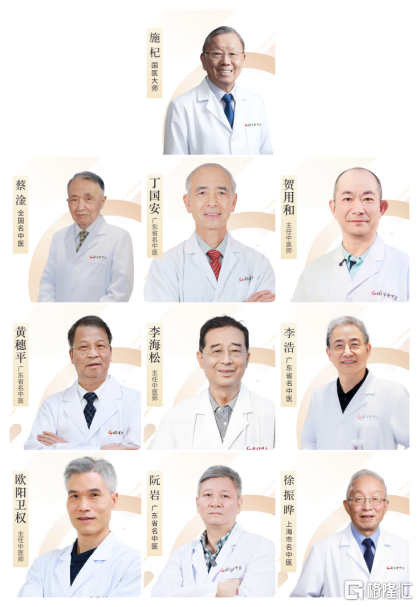
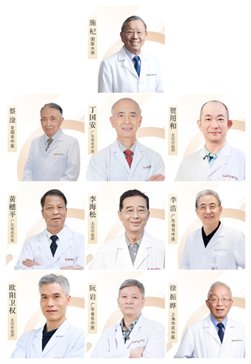
Core Viewpoint - The company, Gushengtang, has made significant advancements in the AI field this year, particularly with the launch of its "National Medicine AI Avatar" initiative, which aims to integrate traditional Chinese medicine with AI technology to enhance healthcare delivery and efficiency [1][3]. Group 1: AI Development and Implementation - Gushengtang released 10 new "National Medicine AI Avatars" on August 1, covering eight core specialties in traditional Chinese medicine, marking a major step in its "Traditional Medicine + AI" strategy [1][2]. - The AI avatars are built on the clinical experiences of ten renowned doctors, ensuring that the system aligns closely with expert decision-making processes [2][12]. - The application of the AI avatars is twofold: assisting experts in routine tasks to focus on critical decisions and aiding young doctors in mastering diagnostic thinking, thereby shortening their learning curve [2][3]. Group 2: Commercialization and Market Impact - The "National Medicine AI Avatar" has successfully addressed the commercialization challenges faced by medical AI by introducing an "online follow-up" service, which alleviates the scarcity of quality traditional Chinese medicine resources [3][9]. - Initial data indicates that the AI avatar service has been well-received, with significant patient engagement within two weeks of launch, demonstrating its potential to enhance expert productivity by over five times [9][10]. - Gushengtang plans to expand its roster of expert avatars and create a collaborative AI ecosystem in traditional Chinese medicine, aiming to make quality healthcare more accessible [9][13]. Group 3: Technological Innovation and Infrastructure - The company has established a replicable path for creating expert digital avatars, utilizing a comprehensive data processing chain to efficiently leverage diverse data sources [10][11]. - Gushengtang's AI model foundation and multi-agent intelligent systems create a robust technical barrier in the industry, enabling a complete closed-loop process for traditional Chinese medicine AI diagnosis [11][12]. - Collaborations with leading AI firms and research institutions, such as Huawei and Tsinghua University, have strengthened Gushengtang's AI capabilities and ecosystem [12][13]. Group 4: Future Growth and Strategy - Gushengtang is focused on addressing the distribution of quality medical resources in traditional Chinese medicine through its innovative AI solutions [13]. - The company aims to continuously expand its business boundaries by activating top-tier expert resources and enhancing patient experience through technological and service innovations [13].
固生堂10大国医AI分身上线:技术与商业创新双轮驱动,打开增量空间
Ge Long Hui· 2025-08-01 04:17
Core Insights - The article highlights the significant advancements made by Guoshengtang in the AI field, particularly with the launch of the "National Medicine AI Avatar" which aims to integrate traditional Chinese medicine with AI technology [1][2] - The company has successfully expanded its AI offerings by introducing 10 new AI avatars covering various medical specialties, marking a crucial step in its "Traditional Chinese Medicine + AI" strategy [1][2] Group 1: AI Development and Implementation - The newly launched AI avatars are based on the clinical experiences of 10 renowned traditional Chinese medicine experts, ensuring that the system aligns closely with expert decision-making processes [2][4] - The AI system enhances the efficiency of top experts by assisting with routine diagnostic tasks, allowing them to focus on critical decision-making [2][7] - The dual empowerment mechanism of the AI avatars aids young doctors in mastering diagnostic thinking, thereby shortening their learning curve [2][7] Group 2: Commercialization and Market Impact - Guoshengtang's "online follow-up" service, utilizing the AI avatars, addresses the scarcity of quality traditional Chinese medicine resources and the challenges of medical AI commercialization [4][10] - The initial user feedback indicates a strong acceptance of the online follow-up service, with significant patient engagement reported within two weeks of launch [7][10] - The AI avatars have the potential to increase expert productivity by over five times, enhancing patient experience and communication [7][10] Group 3: Technological Innovation and Collaboration - The company has established a clear and replicable path for creating expert digital avatars, leveraging extensive data from seasoned practitioners [8][9] - Guoshengtang's AI model is built on a robust technical foundation, allowing for efficient data utilization and continuous model updates [8][9] - Collaborations with leading AI companies and research institutions, such as Huawei and Tsinghua University, have strengthened the company's AI capabilities and ecosystem [9][10] Group 4: Future Growth and Strategy - Guoshengtang plans to expand its expert roster and continue developing its AI avatar platform to create a collaborative AI healthcare ecosystem [7][10] - The company aims to innovate its business model to maximize the utilization of top-tier medical resources while enhancing patient care through technology [10]