
城乡融合发展

Search documents
李强主持国务院第十七次专题学习
Xin Hua She· 2025-12-03 11:44
李强指出,我国城镇化正从快速增长期转向稳定发展期,城市发展正从大规模增量扩张阶段转向存量提 质增效为主的阶段,人口结构、城镇体系、城乡格局等都在发生深刻变化,人工智能等新技术的应用也 对城市发展、治理带来新的机遇和挑战。要深刻认识新型城镇化的阶段性趋势性特征,进一步增强新型 城镇化工作的针对性有效性。 李强强调,新型城镇化是个系统工程。要因地制宜实施好新型城镇化规划,坚持以规划为引领,进一步 优化"人、产、城"布局,并根据不同城市的情况实施分类指导。要科学有序推进农业转移人口市民化, 采取更有力度、更具针对性的举措,解决好农业转移人口的就业、社保、安居、子女教育等问题。要深 入实施城市更新行动,把城市更新和消除安全隐患、稳楼市等工作结合起来,扎实推进好房子建设和房 地产高质量发展。要着力破解城乡二元结构,推动城乡要素双向流动,加强城乡基础设施联通、产业对 接,推进基本公共服务均等化,促进城乡融合发展。 (文章来源:新华社) 12月3日,国务院以"深入推进以人为本的新型城镇化,着力构建城乡融合发展新格局"为主题,进行第 十七次专题学习。国务院总理李强在主持学习时强调,要认真学习贯彻习近平总书记和党中央关于深入 ...
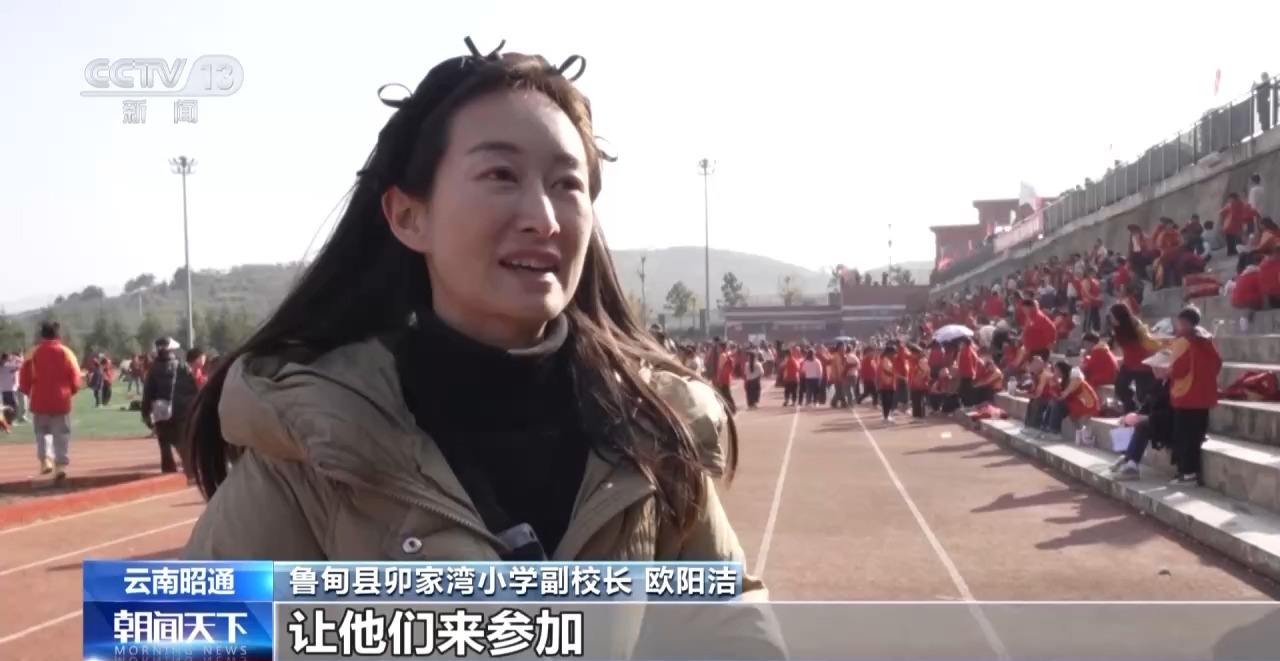
一线见闻丨告别“翻山求学” 下楼就能就医 卯家湾迎来幸福新生活
Yang Shi Xin Wen· 2025-12-03 02:41
Core Viewpoint - The article highlights the significant improvements in the living conditions and educational opportunities for the relocated population in the Aojiawan resettlement area of Yunnan's Ludian County, emphasizing the successful implementation of poverty alleviation and rural revitalization policies during the "14th Five-Year Plan" period. Group 1: Education Improvements - Aojiawan Primary School currently has 2,136 students who relocated from mountainous areas five years ago, showcasing a vibrant school environment with active participation in sports events [3][5] - The school has seen a remarkable increase in student engagement and academic performance, with average test scores rising from the 20s to 70s over five years [13] - A complete educational system has been established in Aojiawan, including a nine-year consistent school with over 3,000 students, equipped with modern facilities [15][19] Group 2: Healthcare Developments - The Yan Chi Street Health Center, established in 2019, has evolved into a four-story facility providing comprehensive medical services, including specialized departments [26][28] - The health center has significantly improved healthcare access, with a high reimbursement rate for medical expenses, ensuring that nearly all costs are covered for impoverished households [32] Group 3: Employment and Economic Growth - During the "14th Five-Year Plan," Aojiawan achieved a labor employment rate of 94.17%, with an annual income growth of 17.44% for impoverished populations [36] - The establishment of three industrial parks has facilitated the employment of over 5,000 local workers, enhancing economic opportunities within the community [34] Group 4: Future Vision and Community Development - The "15th Five-Year Plan" aims to further enhance rural infrastructure and public services, with a focus on creating a livable and workable environment in Aojiawan [37] - Residents express aspirations for improved community services and greater access to urban experiences, reflecting a desire for continued development and integration [40][42]

重塑城乡关系走融合发展之路
Jing Ji Ri Bao· 2025-12-03 01:04
Core Viewpoint - The article emphasizes the importance of promoting urban-rural integration as a key measure to address the imbalance in urban and rural development, enhance economic and social high-quality development, and achieve common prosperity for all people [1][2]. Summary by Sections Understanding the Rich Connotation of Urban-Rural Integration - Urban-rural integration is a necessary requirement at a certain stage of industrialization, urbanization, and agricultural modernization, and is a significant marker of national modernization [2]. - The integration should be comprehensive, involving coordinated planning, resource allocation, industrial development, public services, and ecological protection [2][3]. Emphasizing the Interconnectivity of Urban-Rural Integration - Urban-rural integration is not a mechanical combination but a high-quality development achieved through mutual promotion and interaction between urban and rural areas [3][4]. - Cities should leverage their advantages to support rural development, while rural areas should also promote urban growth by respecting their unique resources and functions [3]. Recognizing the Gradual Nature of Urban-Rural Integration - Urban-rural integration is a long-term, gradual process that requires breaking down institutional barriers and promoting equal exchange and flow of resources [4][5]. - Different regions may be at varying stages of integration, necessitating tailored approaches and careful management of reform processes [4]. Pursuing the Shared Benefits of Urban-Rural Integration - Reducing the urban-rural gap and promoting shared prosperity is essential for modernizing the country and aligns with the party's governance objectives [5][6]. - The focus should be on ensuring equal participation of farmers in the modernization process and sharing the benefits of development [5]. Recent Progress in Urban-Rural Integration - By the end of 2024, the urbanization rate in China is projected to reach 67%, an increase of 3.11 percentage points from the end of 2020 [6]. - However, barriers to the free flow of resources and the need for improved public service equality remain challenges [6][7]. Coordinated Development for Integrated Construction - Achieving a modern socialist country requires both prosperous cities and rural areas, fostering a new type of urban-rural relationship characterized by mutual promotion and coordination [7][8]. - The integration of infrastructure and services is crucial for enhancing rural vitality and narrowing the urban-rural gap [7]. Systematic Governance for Integrated Management - Promoting urban-rural integration necessitates innovative governance models and improved governance levels [8][9]. - A focus on digital technology and community governance can enhance service delivery and ensure equitable access to resources [8]. Commitment to Shared Development and Service Equality - Ensuring equal access to basic public services for rural residents is vital for achieving common prosperity [9]. - Investment in rural public services and breaking down institutional barriers are essential for creating a fair and efficient public service system [9].
燕连福:重塑城乡关系走融合发展之路
Jing Ji Ri Bao· 2025-12-03 00:02
城与乡,是人类生产生活的两大空间载体。推进城乡融合发展,不仅是解决城乡发展不平衡、农村 发展不充分问题的关键举措,更是推动经济社会高质量发展、实现全体人民共同富裕的必然选择。党的 十八大以来,习近平总书记深刻洞察世界城乡关系一般规律和我国城乡关系演变趋势,围绕推动城乡融 合发展作出一系列重要论述。这进一步丰富了马克思主义城乡关系理论,为我国构建新型工农城乡关 系,推动城乡高质量融合发展提供了方向指引。 科学把握城乡融合发展丰富内涵 习近平总书记指出,"推进城乡发展一体化,是工业化、城镇化、农业现代化发展到一定阶段的必 然要求,是国家现代化的重要标志""要坚持以改革为动力,不断破解城乡二元结构""更好发挥县城连接 城市、带动乡村作用,率先在县域内实现城乡融合发展"。一系列重要论述,深化了对城乡融合发展的 规律性认识,蕴含着重塑城乡关系、走城乡融合发展之路的丰富内涵。 强调城乡融合发展的"全面性"。马克思、恩格斯从生产力和社会分工发展的角度揭示了城乡关系演 变规律。习近平总书记指出,"要把工业和农业、城市和乡村作为一个整体统筹谋划,促进城乡在规划 布局、要素配置、产业发展、公共服务、生态保护等方面相互融合和共同发 ...
外卖进了村 如何扎下根
Ren Min Ri Bao· 2025-11-30 22:15
现在,农村也能点外卖了。广东惠州,咖啡香气飘进田间;陕西咸阳,生日蛋糕准时抵达村口。"爷爷 奶奶收到我点的水果,乐得合不拢嘴""今儿不用着急赶回去给老人做饭了""孩子想吃汉堡,村里也能下 单了"……一个个订单,记录的不仅是一笔笔交易,更是一段段生活,折射出外卖服务为乡村带来的温 情与便利。 "外卖进村",到底怎么样?笔者打开美团外卖软件,定位到河北农村老家,下了一单。店铺虽不多,但 美食果蔬、日用百货、鲜花蛋糕一应俱全。一箱牛奶、几样零食,花费74.5元,配送费15元。距离15公 里,50多分钟后送达。东西送到,电话那头,家人很是惊喜。50多分钟,对习惯了点外卖的城市居民来 说不算快,但对乡亲们而言,却是一次独特的体验。 长期以来,城乡发展存在差距是客观现实,也是我们习惯的"叙事框架"。然而事实上,这个差距正以肉 眼可见的速度发生着变化。越来越多新农人回到生养自己的土地,越来越多新业态从城市延伸至沃野, 越来越多的可能性在田间地头萌发。"外卖进村"成为观察城乡融合发展的一个侧面、一扇窗口。 有人说,"外卖进村"是服务市场下沉与乡村消费升级的"双向奔赴"。数据显示,县域生活外卖订单量年 均复合增长率超40%,外 ...
外卖进了村,如何扎下根
Ren Min Ri Bao· 2025-11-30 22:01
现在,农村也能点外卖了。广东惠州,咖啡香气飘进田间;陕西咸阳,生日蛋糕准时抵达村口。"爷爷 奶奶收到我点的水果,乐得合不拢嘴""今儿不用着急赶回去给老人做饭了""孩子想吃汉堡,村里也能下 单了"……一个个订单,记录的不仅是一笔笔交易,更是一段段生活,折射出外卖服务为乡村带来的温 情与便利。 改变之下,如何更好满足乡村的各种需求?"十五五"规划建议提出:"促进城乡融合发展""推动农村基 本具备现代生活条件"。现实中,江浙一带的农村,已开始试点无人机送餐;而在部分中西部地区,农 村仍面临物流不畅、快递上门不便等困难。这提醒我们,在乐见更多"外卖进村"这样的新供给出现的同 时,也要关注那些"外卖进不了的村子"。 城乡融合发展任重道远。就"外卖进村"而言,既需要在硬件上下功夫,完善网络、交通等基础设施;也 要在软件上发力,释放政策红利,拓宽农民增收渠道,让乡亲们的钱包鼓起来。同时,平台企业也需因 地制宜创新服务模式,比如在订单分散、密度低的区域,探索"快递代取""药品急送"等便民服务。 从"外卖进村"到新能源汽车下乡,从智能家电普及到绿色消费兴起……通往现代化的征程中,乡村是不 可或缺的一环,更是充满活力的蓝海。这条 ...
为了更加殷实、更加幸福美好的生活——广东实施“百千万工程”破解区域协调的发展难题纪实(上)
Xin Hua Wang· 2025-11-30 08:58
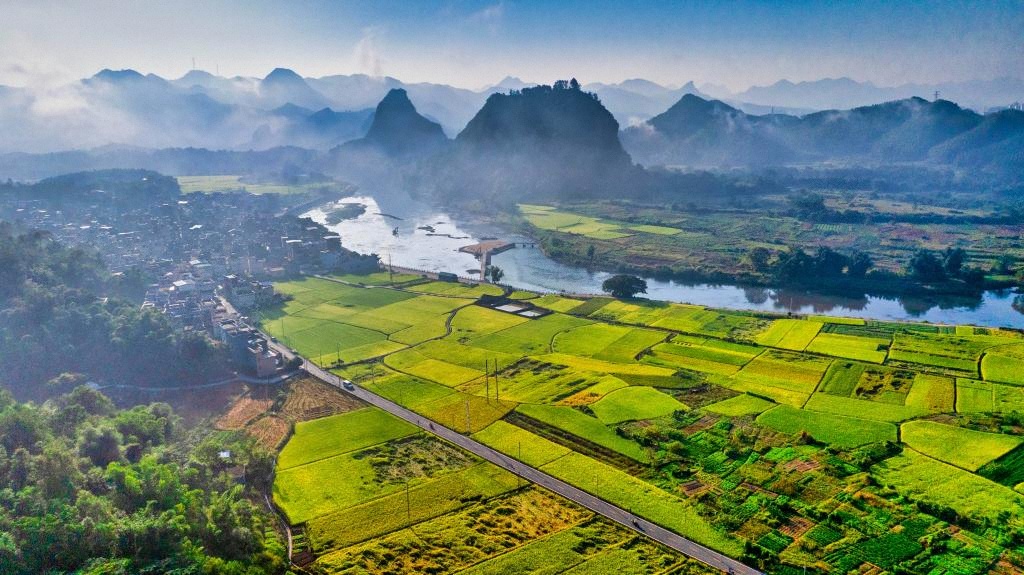
Core Viewpoint - Guangdong is addressing the significant urban-rural and regional development imbalance, particularly between the economically advanced Pearl River Delta and the less developed eastern and northwestern regions, through the "Hundred Counties, Thousand Towns, and Ten Thousand Villages High-Quality Development Project" [1][3] Economic Development - The "Hundred Thousand Project" aims to enhance regional coordination and urban-rural integration, with the urban-rural income ratio in Guangdong projected to decrease from 2.41 in 2022 to 2.31 in 2024 [3] - For the first time, the economic growth rate of 57 counties (cities) in eastern and northwestern Guangdong has surpassed the provincial average, indicating a shift in economic dynamics [4] - The project has led to the establishment of industrial transfer cooperation parks, with over 1,620 projects and a planned total investment exceeding 580 billion [4] Agricultural and Local Industries - Local specialties are evolving into significant industries, with the value of Qingyuan chicken exceeding 10 billion, and the region is on track to achieve five major industries each worth over 10 billion [5][7] - The integration of agriculture, culture, and tourism is being promoted, with a notable increase in tourist visits to rural areas, reflecting a 17% year-on-year growth during the recent holiday period [7] Infrastructure and Environmental Improvements - The "Hundred Thousand Project" has led to significant improvements in rural living conditions, with waste management systems now covering all administrative villages and wastewater treatment rates reaching 79% [10] - The construction of beautiful towns and villages has resulted in enhanced local aesthetics and increased community engagement, with many villages seeing a revival in local pride and investment [11] Changes in Governance and Mindset - The project has shifted local governance from a focus on stability to a proactive approach towards development, with an emphasis on selecting capable leaders who can drive projects and policies effectively [13][14] - The initiative has fostered a sense of responsibility among local officials, as demonstrated by their quick response to natural disasters, showcasing improved community resilience [14]
壹快评|换种思路应对“规模性返乡滞乡”
第一财经· 2025-11-30 06:29
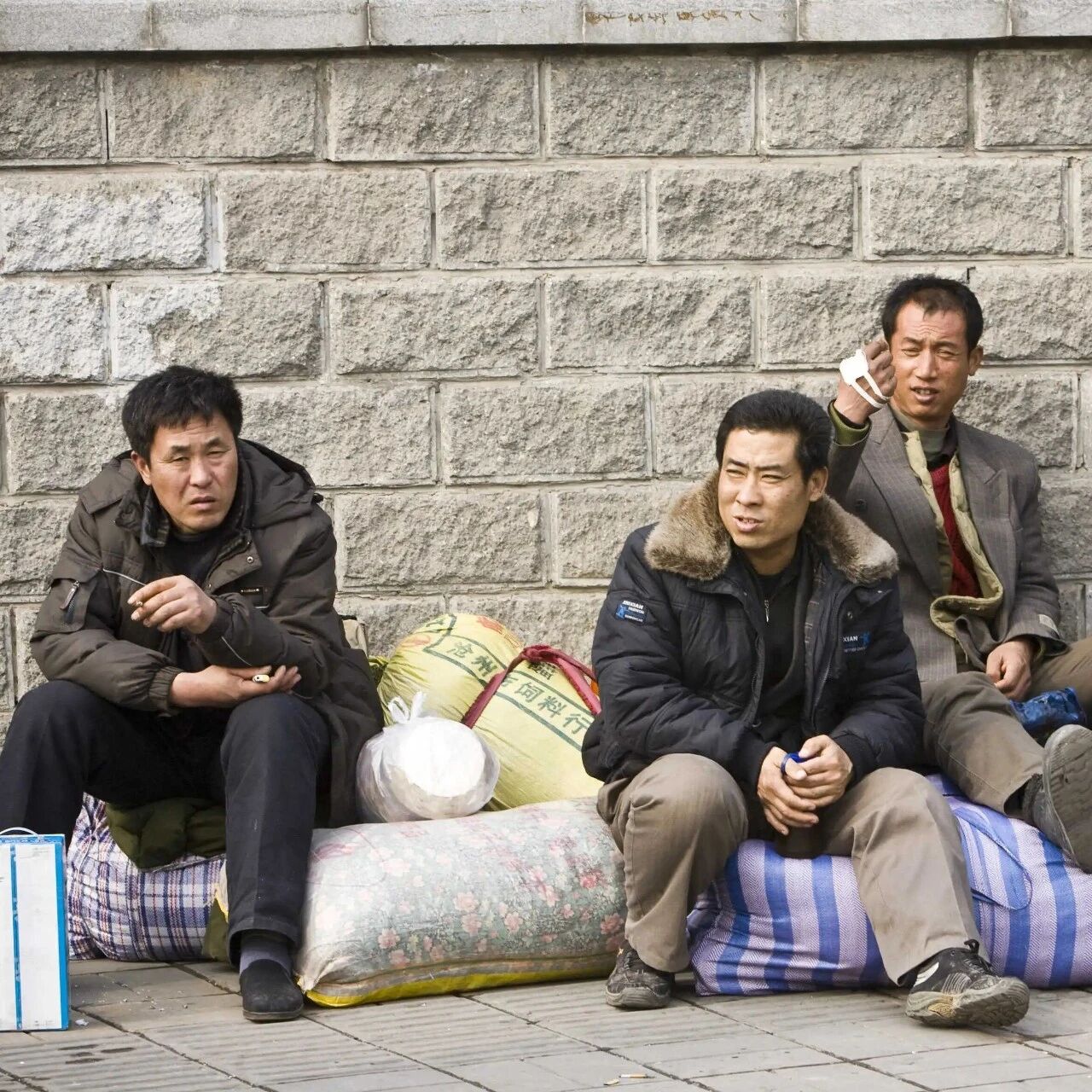
Core Viewpoint - The article discusses the recent statement from the Ministry of Agriculture and Rural Affairs regarding the prevention of large-scale return of migrant workers to rural areas, emphasizing the need to promote employment rather than restrict movement [3][4]. Summary by Sections Current Employment Situation - There is pressure on migrant workers' employment due to macroeconomic fluctuations and a slowdown in urbanization, leading to reduced job opportunities in sectors like construction and urban infrastructure [4]. - The increase in surplus rural labor is driven by agricultural mechanization and a peak in college graduates, alongside industrial automation releasing new labor, which intensifies competition for jobs [4]. Potential Solutions - **Skill Training**: Strengthening vocational training for migrant workers to enhance their competitiveness in emerging industries. For instance, Chongqing and Shandong have initiated targeted training programs benefiting over 500 rural laborers, including nearly 400 from impoverished households [5]. - **Employment Services**: Improving employment services, particularly through the use of big data and cloud computing to create efficient job information platforms. An example is the employment assistance system in Xinyu City, Jiangxi, achieving over 98% support for returning workers [5]. - **Rural Employment Opportunities**: Shifting focus to explore local employment potential in rural areas, leveraging opportunities in sectors like specialty agricultural products, rural tourism, and education services. Successful cases include rural tourism in Anji, Henan's instrument manufacturing, and e-commerce in Suining [6]. Conclusion - The potential issue of large-scale return of migrant workers can be seen as an opportunity to promote urban-rural integration and rural revitalization. By preparing in advance and enhancing the skills of rural laborers, it is possible to alleviate urban employment pressure and stimulate local economic development [6].
壹快评|换种思路应对“规模性返乡滞乡”
Di Yi Cai Jing· 2025-11-29 13:06
Core Viewpoint - The phenomenon of "scale return and stay in rural areas" is seen as a challenge but actually presents an opportunity to promote urban-rural integration and rural revitalization [1] Group 1: Current Situation and Concerns - The Ministry of Agriculture and Rural Affairs has expressed the need to prevent "scale return and stay in rural areas," indicating that while this phenomenon has not yet occurred, there are signs of potential issues [1] - The return of rural laborers to their hometowns is primarily due to a lack of suitable job opportunities in cities, which may indicate a systemic shortage of urban employment positions [2] - Current pressures on migrant workers' employment are exacerbated by macroeconomic fluctuations, a slowdown in urbanization, and an increase in surplus rural labor due to agricultural mechanization [2] Group 2: Long-term Trends and Opportunities - Long-term trends such as slowed urbanization and advancements in agricultural modernization and industrial automation are expected to reduce traditional job opportunities [3] - Emerging industries like the digital economy and green energy are creating new job opportunities, which can help address the potential issue of "scale return and stay in rural areas" [3] Group 3: Proposed Solutions - Strengthening vocational training for migrant workers to enhance their competitiveness in new industries is essential, as demonstrated by successful training programs in Chongqing and Shandong [4] - Improving employment services, particularly through the use of big data and cloud computing to create efficient job information platforms, can help migrant workers access accurate job information [4] - Shifting focus to explore local employment potential in rural areas can transform the challenge of "stay in rural areas" into an opportunity for "stay in hometowns," leveraging new development opportunities in rural sectors [5]
持续增进民生福祉 共享振兴发展成果
Liao Ning Ri Bao· 2025-11-29 01:01
Core Viewpoint - The core focus of the articles is on the commitment of Liaoning Province to enhance the well-being of its citizens as a fundamental aspect of its comprehensive revitalization efforts, emphasizing the importance of equitable distribution of development benefits to achieve common prosperity [1][4]. Group 1: Enhancing Livelihoods - Continuous improvement of people's livelihoods should address urgent public concerns, with a focus on employment, education, healthcare, and elderly care [2]. - The provincial government aims to implement policies that ensure equitable access to essential services, reflecting a responsive approach to public needs [2]. - A comprehensive population service system will be established to support high-quality population development, including the promotion of the silver economy and the provision of age-friendly products and services [2]. Group 2: Urban-Rural Integration - Urban-rural integration is deemed essential for comprehensive revitalization, with a focus on high-quality urban development and rural revitalization [3]. - The government plans to enhance rural living conditions and develop local industries while simultaneously upgrading urban infrastructure and governance [3]. - Breaking down barriers between urban and rural areas will facilitate mutual growth and shared benefits from revitalization efforts [3]. Group 3: Ecological Sustainability - The commitment to ecological sustainability is highlighted as a means to enhance public welfare, with initiatives aimed at achieving carbon peak targets and environmental restoration [3]. - The government emphasizes a green development path, integrating pollution control and ecological protection to ensure a sustainable environment for citizens [3]. - The goal is to allow the public to enjoy the benefits of a healthy ecosystem, reinforcing the connection between ecological health and quality of life [3].