
线上线下融合

Search documents
家家悦:2025年上半年归属净利润增长7.82%,线上销售同比提升23%
Cai Jing Wang· 2025-08-27 13:40
Core Insights - In the first half of 2025, the company reported a revenue of 9.007 billion yuan, a year-on-year decrease of 3.79%, while net profit attributable to shareholders was 183 million yuan, an increase of 7.82% [1] - The decline in revenue is attributed to the company's strategy of optimizing store layout by closing inefficient stores, which is expected to enhance operational quality and profitability in the long term [1] - The growth in net profit is driven by the company's focus on product development, store experience upgrades, and operational efficiency improvements, leading to an overall enhancement in store performance [1] Revenue and Profit Analysis - The company's gross profit margin increased by 0.44% year-on-year, while expenses decreased by 3.76%, contributing to profit growth in the first half of the year [1] - The net profit growth was particularly strong in the second quarter due to the implementation of various operational strategies [1] Online Sales Performance - The company has been actively promoting the integration of online and offline operations, resulting in online sales of 630 million yuan, a year-on-year increase of 23%, with online order volume growing by 26% [1] - The online business has maintained good profitability, reflecting the company's enhanced capabilities in refined online operations and customer experience [1] Store Expansion and Layout Optimization - The company opened 29 new stores in the first half of the year, including 16 direct-operated stores and 13 franchise stores, while also closing inefficient locations [2] - As of the end of the reporting period, the total number of stores reached 1,084, comprising 928 direct-operated stores and 156 franchise stores [2]

富森美上半年营收6.49亿元 经营稳定显韧性
Zheng Quan Ri Bao Zhi Sheng· 2025-08-27 13:38
Core Insights - The company reported a revenue of 649 million yuan and a net profit of 318 million yuan for the first half of 2025, demonstrating strong financial performance despite industry challenges [1] - The company plans to distribute a cash dividend of 3.6 yuan per 10 shares, totaling 269 million yuan, continuing its tradition of high dividends to reward investors [1] - The company has maintained a leading position in the home furnishing distribution sector in Southwest China, with over 3,500 partner merchants and a significant market share [1][3] Financial Performance - The company achieved a net cash flow from operating activities of 635 million yuan, indicating robust cash generation capabilities [1] - The rental income from the company's 1.25 million square meters of self-owned properties contributes to stable long-term value [1] Strategic Initiatives - The company is innovating its business model by integrating online and offline channels, establishing a new commercial model team to enhance its ecosystem [2] - The company has successfully reached over 4 million online users and converted more than 40,000 orders in the Chengdu area through various digital platforms [2] - The launch of new stores for various brands, including the first global store for Tmall Genie and the first store for Huawei's green energy products in Southwest China, reflects the company's commitment to expanding its product offerings [2] Market Position - As the leading home furnishing distributor in Chengdu, the company benefits from strong demand for home renovation and a high occupancy rate of its retail spaces [3] - The company's innovative business model and solid asset base provide a competitive edge, allowing it to navigate industry fluctuations effectively [3]

腾讯、京东与万达成立合伙企业,王健林500亿交易落地?
财联社· 2025-08-27 02:47
Core Viewpoint - Wang Jianlin is utilizing a series of capital operations to resolve Wanda's debt crisis, with internet giants Tencent and JD.com becoming key partners [1][16]. Group 1: Capital Operations - A large private equity fund named Suzhou Kuanyu was established with a total investment of 22.429 billion yuan, co-funded by Tencent, JD.com, and 13 other partners, focusing on equity investment and asset management [1][4]. - Wanda, Tencent, and JD.com have formed three partnership enterprises with total investments of 46.5 billion yuan, aligning with a previous plan to acquire equity in 48 Wanda companies for approximately 50 billion yuan [2][5]. - The largest fund, Suzhou Kuanyu, has Tencent's two affiliated companies holding about 44.04% and JD.com holding 22.2% indirectly [4]. Group 2: Historical Context - In May, a consortium led by PAG, Tencent, JD.com, and others planned to acquire 48 Wanda companies, which are located in major cities like Beijing and Guangzhou [6]. - Tencent and JD.com's investment amounts in the new fund are similar to their previous investments during Wanda's privatization in 2018, indicating a restructuring of their exit strategy [6][11]. Group 3: Debt Management Strategy - Analysts suggest that Wanda's sale of 48 major Wanda Plaza assets may be aimed at repaying debts of nearly 15 billion yuan owed to Suning and Sunac [10]. - The partnerships with Tencent and JD.com may serve as a method of "equity for debt," allowing Wanda to avoid large cash payments while retaining operational cash flow [13][16]. Group 4: Control and Structure - Although Wanda holds a 55% stake in the new partnerships, actual control lies with Tencent and JD.com, which hold shares through their Hong Kong companies [15]. - This structure may facilitate easier capital repatriation and tax benefits for Tencent and JD.com, enhancing their investment returns [15]. Group 5: Future Outlook - The establishment of these partnerships is seen as a critical move for Wanda to alleviate creditor pressures and transition towards a lighter asset operation model [16]. - Wang Jianlin's recent activities in Xinjiang for investment and tourism projects suggest a potential shift in Wanda's strategic focus following the sale of commercial real estate [16].




刘强东联手王健林,砸80亿开新公司
Sou Hu Cai Jing· 2025-08-27 01:54
Group 1 - JD and Wanda have jointly established a new company with an investment of 8.05 billion yuan, marking a significant collaboration between the two companies [1][6] - Wanda holds a controlling stake of approximately 54.97% in the new partnership, while JD holds an indirect stake of about 45% [6] - The new company, based in Beijing, will focus on business services, likely to manage the projects JD acquired from Wanda [6][11] Group 2 - The partnership is seen as a strategic alignment of commercial goals between JD and Wanda, moving beyond previous support roles [7] - The investment of 8 billion yuan indicates a serious commitment from both parties, suggesting long-term expectations for the collaboration [8] - JD has a history of supporting Wanda, including a strategic investment of 50 billion yuan in 2018, which helped Wanda restructure its equity [8][9] Group 3 - JD's recent partnerships with various entities, including Wanda, are part of a broader strategy to expand its offline presence and enhance its supply chain capabilities [12][17] - The collaboration with Wanda is aligned with Wanda's strategy to optimize its asset structure and transition to a lighter asset model [18] - JD's approach reflects a shift in e-commerce, emphasizing the importance of integrating online and offline resources to create a seamless shopping experience [17][18]

天猫在杭州开了个香氛空间 可体验上百种国内外香氛产品
Mei Ri Shang Bao· 2025-08-25 22:23
Group 1 - The first Tmall fragrance space has officially opened in Hangzhou, focusing on "fragrance experience" and featuring over 40 emerging fragrance brands alongside international brands like Van Cleef & Arpels [1] - The space addresses the industry's core pain point of lacking offline experiences for fragrance products, especially for brands without physical stores, allowing consumers to truly perceive the scent [1] - Tmall's fragrance space provides a low-cost opportunity for emerging brands to establish a physical presence, enabling a "try before you buy" experience for consumers [1] Group 2 - Established brands like KASE also recognize the unique value of the Tmall fragrance space, which effectively bridges online and offline channels [2] - The fragrance market in China has a penetration rate of only 5%, indicating significant growth potential compared to mature overseas markets [2] - Tmall plans to expand the fragrance space to more first-tier and new first-tier cities, continuously addressing the offline experience issue for consumers [2]

壹快评︱这是外卖行业的第一套制服,也是职业保障与尊严的升级
Di Yi Cai Jing· 2025-08-25 12:10
Group 1 - The core viewpoint of the articles highlights the transformation of food delivery workers into "urban knights," reflecting a shift in societal perception and professional identity within the industry [1][2][8] - The new uniforms introduced by Taobao Flash Sale and Ele.me are designed with safety and style in mind, featuring reflective strips and weather-resistant materials to enhance rider safety [4][5] - The initiative aims to provide better job security and benefits for delivery riders, including comprehensive injury insurance and support for their professional development [1][5][7] Group 2 - The food delivery sector has seen significant growth, with over 10 million riders now recognized as a vital part of urban life, indicating a shift towards new employment categories [2][3] - The evolution of terminology from "delivery boy" to "urban knight" signifies a broader recognition of the profession and aims to elevate the social status of delivery workers [2][7] - Companies are increasingly focusing on enhancing the working conditions and benefits for riders, including the establishment of service stations and housing solutions, to improve their overall quality of life [6][7][8]
永辉超市“模仿秀”:学习胖东来模式却陷入亏损困境
Sou Hu Cai Jing· 2025-08-23 14:36
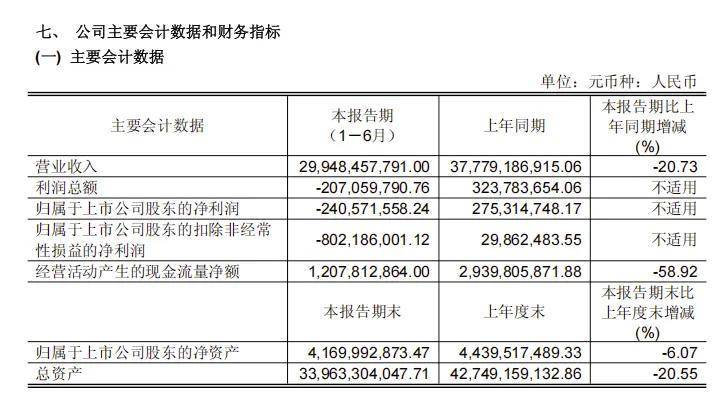
Core Viewpoint - Yonghui Supermarket has reported a significant decline in its financial performance for the first half of 2025, with a revenue drop of 20.73% year-on-year and a shift from profit to a net loss of 2.41 billion yuan, contrasting sharply with a profit of 2.75 billion yuan in the same period last year [1][2]. Financial Performance - Revenue for the first half of 2025 was 29.95 billion yuan, down from 37.78 billion yuan in the previous year, marking a decrease of 20.73% [2]. - The total profit for the period was -207.06 million yuan, compared to a profit of 323.78 million yuan last year [2]. - The net profit attributable to shareholders was -240.57 million yuan, a stark contrast to the previous year's profit of 275.31 million yuan [2]. - The net cash flow from operating activities decreased by 58.92%, from 2.94 billion yuan to 1.21 billion yuan [2]. - The net assets attributable to shareholders decreased by 6.07%, from 4.44 billion yuan to 4.17 billion yuan [2]. - Total assets fell by 20.55%, from 42.75 billion yuan to 33.96 billion yuan [2]. Strategic Decisions - Yonghui Supermarket has aggressively closed 227 stores in the first half of 2025 as part of its transformation strategy, which has led to a sharp decline in revenue [1]. - The company has implemented a store renovation plan, with 124 stores completed and reopened by June 30, 2025; however, the revenue increase from these stores has not compensated for the losses from closures [3]. - The shift to a supplier naked procurement model aimed at enhancing product quality has resulted in a decline in gross margin and consumer trust, as new suppliers have struggled to meet the company's needs [2][3]. Market Positioning - Yonghui Supermarket's transformation efforts have been criticized for lacking a clear strategic direction, leading to ineffective adaptation of successful models from competitors like Pang Donglai [4]. - The company has failed to leverage its extensive offline store network and fresh supply chain advantages to create a cohesive online-offline retail ecosystem [4]. - Yonghui's attempt to replicate Pang Donglai's success without considering regional consumer habits and market dynamics has resulted in a misalignment of its transformation strategy [5].

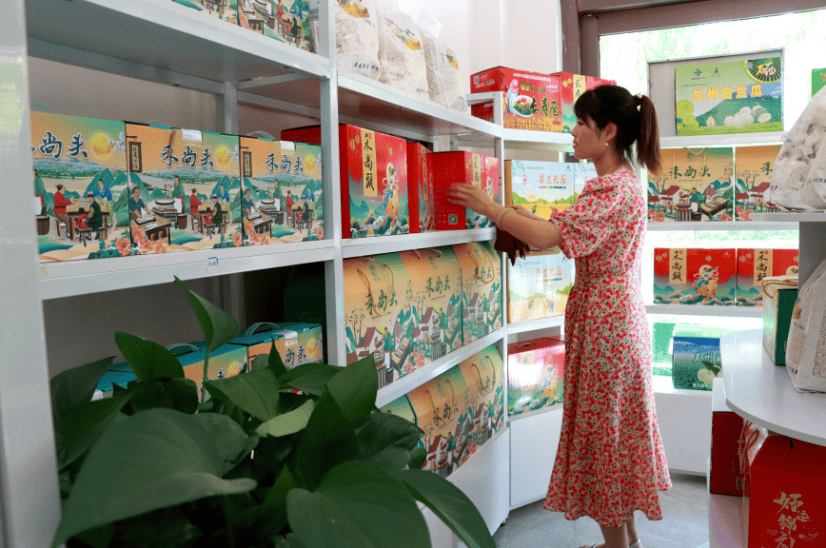
小屏幕打开大市场!皋兰县农产品借电商闯出新天地
Sou Hu Cai Jing· 2025-08-23 11:26
Group 1 - Rural e-commerce is enhancing market access for local products and creating new opportunities for rural revitalization, particularly in Gaolan County, which leverages its unique agricultural resources [1] - The integration of traditional agricultural practices with modern information technology allows farmers to adapt their production structures and service methods based on market demands [3] - Gaolan County's Business Bureau organized a special exchange meeting for local e-commerce enterprises to address operational challenges and improve branding, packaging, and live-streaming sales [5] Group 2 - The county has seen a collective effort among e-commerce enterprises, resulting in the establishment of 23 new e-commerce entities and the creation of over 150 jobs in the first half of the year [7] - E-commerce development has effectively addressed the long-standing issue of "buying difficulties and selling difficulties" for farmers, facilitating a smoother supply chain from farm to table [9] - The "Lanzhou Beef Noodle" industry is being prioritized for e-commerce development, with companies creating standardized pre-packaged products to enhance marketability [17] Group 3 - The brand "Lanzhou One Bowl Noodle" achieved significant sales through online platforms, with over 500,000 orders from Douyin alone, and daily sales exceeding 30,000 yuan in physical stores [11] - The integration of online and offline sales strategies has proven successful, with a reported online sales figure of 25 million yuan for agricultural products in the first half of 2025, marking a 30% increase year-on-year [15] - The county's e-commerce supply chain is continuously improving, with a focus on building a cold chain logistics system to enhance the distribution of local products [19]

合百集团: 2025年半年度报告
Zheng Quan Zhi Xing· 2025-08-19 11:12
Core Viewpoint - The report highlights the financial performance and operational status of Hefei Department Store Group Co., Ltd. for the first half of 2025, indicating a slight increase in revenue but a decline in net profit, alongside ongoing challenges in the retail sector and strategic adjustments being made by the company [1][2]. Company Overview and Financial Indicators - The company reported a total revenue of approximately CNY 3.7 billion, a marginal increase of 0.02% compared to the previous year [2][12]. - The net profit attributable to shareholders decreased by 9.93% to approximately CNY 170.86 million [2][12]. - The company plans not to distribute cash dividends or issue bonus shares [1]. Business Operations - The main business segments include retail and agricultural product trading, with a total of 240 physical stores across various cities in Anhui province [3][4]. - The retail business encompasses department stores, home appliances, supermarkets, e-commerce, and wholesale trade [3][4]. - The agricultural product trading business operates through subsidiaries, with the Zhougudui International Agricultural Logistics Park being a key player in the market [3]. Industry Position and Market Conditions - The company ranks 9th among China's top retail companies and 49th among the top chain companies [5][6]. - The retail sector is experiencing a transformation with increasing online and offline integration, driven by changing consumer behaviors and technological advancements [5][6]. - The overall consumer market is recovering, but consumer confidence remains fragile, leading to intensified competition in the retail industry [5]. Financial Performance Analysis - The company's operating costs increased by 3.84% to approximately CNY 2.77 billion, while sales expenses rose by 7.27% [12]. - The cash flow from operating activities showed a significant decline, with a net outflow of approximately CNY 444.11 million, a 242.58% decrease compared to the previous year [12]. - The total assets decreased by 5.49% to approximately CNY 12.49 billion, while the net assets attributable to shareholders increased by 1.91% to approximately CNY 4.79 billion [2][12]. Operational Challenges and Strategic Adjustments - The company is facing pressure in the department store sector, necessitating a transformation and optimization of its business model [5][11]. - Efforts are being made to enhance operational efficiency, including upgrading existing stores and strategically closing underperforming locations [5][11]. - The company is also focusing on expanding its online sales channels, with a reported GMV of approximately CNY 10.67 million from its own platform and CNY 39.07 million from third-party platforms [5][11].

《一饭封神》掀热潮,餐饮堂食如何借势破局
Jing Ji Guan Cha Wang· 2025-08-18 10:25
Group 1 - The core idea of the article revolves around the impact of the show "A Meal to Become a God" on the restaurant industry, highlighting how it has driven consumer interest and increased business for featured restaurants [1][2][11] - Featured restaurants like Ran Restaurant and Seven Shang Hotel have seen significant increases in visibility and customer engagement, with Ran Restaurant's exposure on Dazhong Dianping increasing by 200% and a 1123% month-over-month growth in store collections [1][11] - The show has created a trend where high-quality dining experiences are becoming essential for consumers, leading to a shift from price competition to quality competition in the restaurant industry [2][11] Group 2 - The article discusses the strategic shift in restaurant operations, emphasizing the importance of quality over price in attracting and retaining customers, particularly in the context of rising consumer expectations [2][11] - Xu Ji Seafood's approach to integrating online and offline services has been highlighted, with a focus on building a personal brand and enhancing customer relationships through delivery and takeout services [3][4][11] - The collaboration with platforms like Meituan has proven effective in driving traffic and sales, with Xu Ji Seafood reporting significant increases in transaction volumes and customer engagement through targeted promotions and live interactions [6][7][11] Group 3 - The article notes that consumer behavior has evolved, with a growing emphasis on value for money and quality, leading to a demand for innovative dining experiences that cater to diverse consumer needs [8][10][11] - The success of restaurants featured in the show demonstrates the effectiveness of leveraging media and digital platforms to enhance brand visibility and customer loyalty [6][11] - The overall trend indicates a transformation in the restaurant industry, where businesses are increasingly focusing on creating memorable dining experiences rather than competing solely on price [2][11]