
绿色低碳发展

Search documents
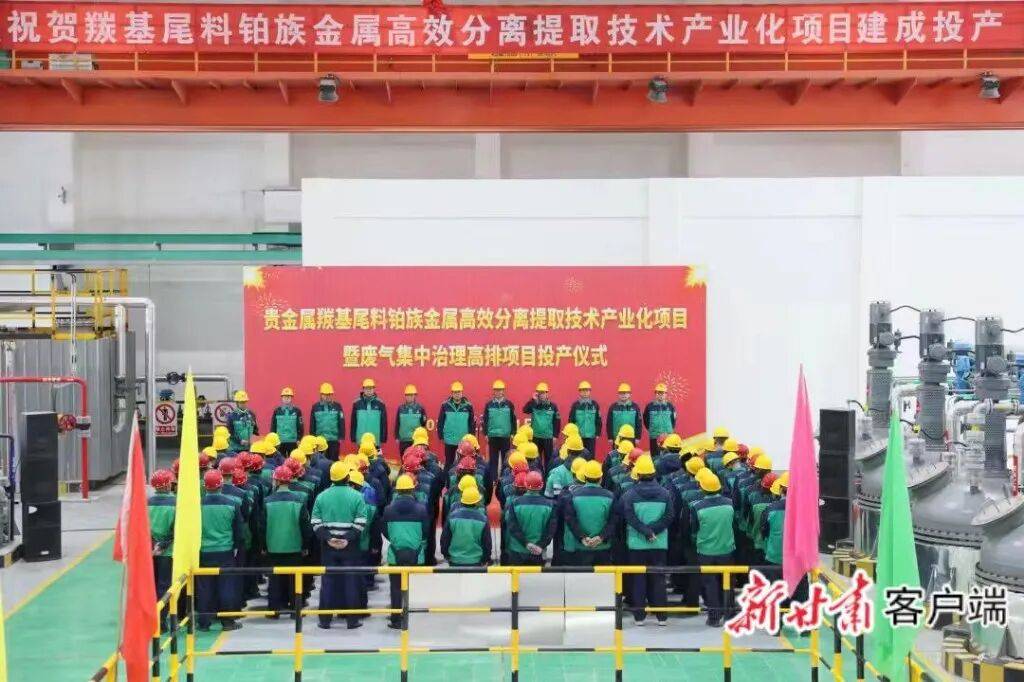
【省媒看金昌】国内首条羰基尾料规模化处理生产线在金川铜贵建成投产
Sou Hu Cai Jing· 2026-01-08 11:26
Core Insights - Jinchuan Group's carbonyl tailings platinum group metals efficient separation and extraction technology industrialization project has officially commenced production, marking a significant breakthrough in the efficient recycling of precious metal resources and green low-carbon development [1][3]. Group 1: Project Overview - The carbonyl tailings processing production line is the first in China to achieve large-scale processing of similar materials, indicating Jinchuan Group's advancements in strategic resource autonomy [1][3]. - The total investment for the platinum group metals efficient separation and extraction project is 127 million yuan, with construction starting in September 2024 and completion expected by December 28, 2025 [3]. - The project successfully addresses the technical challenges of efficiently separating and extracting scarce platinum group metals such as platinum, palladium, rhodium, ruthenium, and iridium from complex carbonyl tailings [3]. Group 2: Environmental Initiatives - The concurrently completed precious metals flue gas centralized treatment project is a key technological transformation project for Jinchuan Group in 2025, with an investment of 49.96 million yuan, starting construction in April 2025 [3]. - This project focuses on centralized and in-depth treatment of flue gas emissions from precious metal production systems, reinforcing the company's commitment to environmental protection and ecological civilization [3]. Group 3: Construction Challenges - During the project construction, the team faced challenges related to the integration of technologies across metallurgy, construction, chemical, and electromechanical installation sectors, as well as tight schedules and complex site operations [5]. - The construction team optimized design plans, scientifically coordinated construction, and strictly controlled quality to ensure the project was completed on time and to a high standard [5].

霍林郭勒市:招商引资“冬季攻势”战鼓正酣
Xin Lang Cai Jing· 2026-01-08 03:31
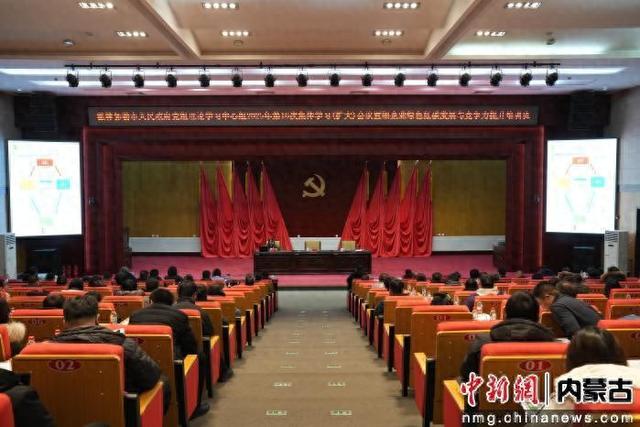
"这次培训内容实、干货多,既开阔了视野,更让我们精准推介绿电优势有了底、有了招。"在全市铝企 业绿色低碳发展与竞争力提升培训班上,一名招商干部感慨道。 中新网内蒙古新闻1月8日电 (刘文华 美丽)岁寒天冻,挡不住霍林郭勒市大抓招商、狠抓项目的火热 劲头。面对项目建设传统"冬歇期",该市锚定"再造一个工业霍林郭勒"目标,果断打响招商引资"冬季 攻势",全市上下变"冬闲"为"冬忙",聚焦重点产业靶向招商,全力推动企业签约、项目落地,以奋斗 之姿为经济社会高质量发展蓄能赋能。 霍林郭勒 市铝企业绿色低碳发展与竞争力提升培训班。狄雅莉 摄 走出去拓版图 "此次参会,就是要让更多行业同仁深入了解霍林郭勒的产业优势与发展潜力。"2025年12月18日,霍林 郭勒市区域经济合作金融服务中心及绿色高载能招商处相关负责人一行,赴云南文山参加2025CCMN绿 色铝基新材料产业对接大会,与铝行业专家、企业家共叙合作、共寻商机。 北京、陕西、上海、云南……霍林郭勒招商队伍足迹不断延伸,"冬季攻势"招商版图持续扩大。 霍林郭勒市始终坚持"带着诚意去、拿着图谱找",构建起市级领导带头、部门主体、专业招商处联动工 作格局。市级主要领导以 ...
培育绿色消费新增长点 九部门明确七方面20项举措
Jing Ji Ri Bao· 2026-01-08 02:48
Group 1 - The core viewpoint of the article emphasizes the importance of promoting green consumption as a key strategy for achieving green low-carbon development and enhancing economic transformation in China [1] - The Ministry of Commerce announced that from 2024 to 2025, China aims to implement a vehicle trade-in program for 18.3 million cars, with nearly 60% being new energy vehicles [1] - The old-for-new appliance program is expected to replace 192 million units, with over 90% being of first-level energy efficiency, leading to a total sales increase of 3.92 trillion yuan and benefiting 494 million consumers [1] Group 2 - The Ministry of Agriculture and Rural Affairs highlighted the rapid growth in demand for high-quality green agricultural products, which is driving the upgrade of the agricultural supply system [2] - Initiatives include establishing a platform for green agricultural product sales and organizing events to promote local specialties in major consumption areas [2] - The Ministry of Commerce is focusing on green supply chain development and promoting high-quality logistics, including the use of recyclable packaging materials [2] Group 3 - The Ministry of Ecology and Environment is working on turning waste materials into valuable resources through the "waste-free city" initiative, enhancing the recycling system for discarded consumer goods [3] - By 2024, over 11,000 smart community recycling facilities are expected to be added nationwide, supporting the recycling of approximately 100 million old appliances with a financial investment of 5 billion yuan [3] - The State Administration for Market Regulation plans to strengthen the regulatory framework for green consumption, including updating national standards and enhancing enforcement against violations in green product labeling and food waste [3] Group 4 - The Ministry of Commerce will coordinate with relevant departments to refine and implement measures that promote the greening of production and consumption, aiming to inject green momentum into high-quality economic development [4]
生态执笔绘新卷 美丽咸阳绿意浓
Zhong Guo Huan Jing Bao· 2026-01-08 00:52
Core Viewpoint - Xi'an City is making significant progress in environmental protection and green transformation, achieving notable improvements in air and water quality, while integrating ecological protection with economic development [1][2][4][6] Group 1: Air Quality Improvement - As of December 10, 2025, the comprehensive air quality index in Xi'an City improved by 12.4% year-on-year, with 46 more days of good air quality compared to the previous year, the highest increase in the province [1] - The city has completed the classification and rectification of 102 scattered and inefficient enterprises, and the main urban area has achieved "coal-free" heating, with geothermal and waste heat from power plants accounting for 56.4% of total heating area [2] Group 2: Water Quality Management - The overall water quality in the city maintained a good status, with the proportion of good water quality at nine national monitoring points exceeding the assessment target by 11.1 percentage points [1] - The city has achieved a 100% completion rate for the remediation of black and odorous water bodies in urban built-up areas and has been the first in the province to delineate drinking water source areas at the county and township levels [2] Group 3: Soil and Waste Management - The city has strengthened soil pollution investigation and quality management, achieving a 100% safety utilization rate of construction land, while rural sewage treatment reached 46.68% [3] - Progress has been made in the construction of a "waste-free city," focusing on source reduction and resource utilization in industrial, agricultural, and domestic waste [3] Group 4: Economic and Ecological Integration - Xi'an City emphasizes that ecological protection and economic development are not mutually exclusive, implementing strict ecological zoning and control measures to support green and low-carbon development [4] - The city has established a carbon emission control policy framework and built the province's first carbon benefit platform, with renewable energy installed capacity reaching 4.01 million kilowatts, accounting for 63.4% of total power capacity [4] Group 5: Community Engagement and Infrastructure - The city encourages public participation in environmental issues through an "environmental problem reporting" app, receiving and resolving 8,703 complaints in 2025, with a reward fund of 366,200 yuan [5] - Plans are underway to enhance the quality of life for residents along the Wei River through the construction of parks and green spaces, promoting access to nature [5]
九部门明确七方面20项举措 培育绿色消费新增长点
Jing Ji Ri Bao· 2026-01-07 23:08
Core Viewpoint - The implementation of green consumption is a crucial strategy for promoting low-carbon development, enhancing consumer confidence, and accelerating the overall green transformation of the economy and society [1] Group 1: Green Consumption Initiatives - The Chinese government aims to replace 18.3 million vehicles through a trade-in program from 2024 to 2025, with nearly 60% being new energy vehicles [1] - The old-for-new appliance program targets 192 million units, with over 90% achieving first-level energy and water efficiency, leading to a sales boost of 3.92 trillion yuan and benefiting 494 million consumers [1] - The Ministry of Commerce, along with eight other departments, has issued a notification outlining 20 measures across seven areas to promote green consumption throughout the "14th Five-Year Plan" period [1] Group 2: Agricultural and Supply Chain Developments - The demand for high-quality green agricultural products is rapidly increasing, driving upgrades in the agricultural supply system [2] - The Ministry of Agriculture is establishing platforms for green product sales and organizing events to connect agricultural products with major consumption areas [2] - The Ministry of Commerce is focusing on green supply chain development, promoting high-quality logistics, and encouraging the use of recyclable packaging materials [2] Group 3: Waste Management and Recycling - The Ministry of Ecology and Environment is promoting the concept of "waste-free cities" to transform waste into valuable resources, enhancing the recycling system for discarded consumer goods [3] - By 2024, over 11,000 smart recycling facilities will be added in urban residential areas, and 50 billion yuan will be invested to process approximately 100 million old appliances, yielding over 3 million tons of recycled resources [3] - The Ministry of Ecology and Environment is collaborating with the Ministry of Finance to support the standardized dismantling of old appliances, promoting resource recycling and low-carbon industry development [3] Group 4: Regulatory and Institutional Support - The State Administration for Market Regulation is committed to enhancing the market environment for green consumption, including updating national standards and supporting international standardization efforts [3] - Measures will be taken to improve energy and water efficiency labeling systems and to combat food waste through initiatives like "green dining" service labels [3] - The administration will strengthen law enforcement to address violations related to green products and waste management [3] Group 5: Future Directions - The Ministry of Commerce plans to coordinate with relevant departments to refine and implement measures that promote green production and consumption, integrating low-carbon principles into all aspects of economic and social development [4]
“十四五”时期我国快递业务量达千亿级
Xin Lang Cai Jing· 2026-01-07 22:25
Core Insights - During the "14th Five-Year Plan" period, China's express delivery business volume reached nearly 200 billion pieces, contributing over 60% to global growth [1] - The postal industry's revenue increased to 1.8 trillion yuan, with an average annual growth rate exceeding 10%, ranking among the top in modern service industries [1] - The number of express deliveries per capita rose to 141 pieces annually, with a peak daily volume of 777 million pieces [1] Group 1 - The postal service's reach in rural and border areas has significantly improved, with the number of service outlets increasing by nearly 1.5 times compared to five years ago [1] - All border natural villages have achieved postal service access, and regions like Xinjiang and Tibet have ended the history of e-commerce packages not being "free shipping" [1] - The share of express delivery revenue and volume from central and western regions has increased by 5.4 and 7.5 percentage points, respectively, promoting better integration into the national market [1] Group 2 - The postal industry has enhanced its service capabilities, with sorting centers achieving automation and the scale of unmanned warehouse operations expanding [1] - Pilot applications of unmanned vehicles and drones have shown positive results, with cloud computing and large models accelerating in demand forecasting and intelligent logistics [1] - The overall efficiency, informatization, service range, and cost-effectiveness of postal and express services remain among the best in the world [1] Group 3 - In 2026, the postal industry will introduce policies to accelerate the application of unmanned delivery technologies, including unmanned vehicles and drones [2] - The promotion of smart sorting, intelligent cloud warehouses, and automated facilities will be prioritized, along with the application of green technologies such as circular packaging and new energy vehicles [2] - The construction of overseas air cargo stations and warehouses will be accelerated to enhance international logistics service capabilities [2]
新版《绿色工厂评价通则》国标发布
Xin Lang Cai Jing· 2026-01-07 19:17
(来源:工人日报) 本报北京1月7日电(记者王凤仪 蒋菡)记者今天从工业和信息化部获悉,该部近日发布《绿色工厂评 价通则》国家标准。该标准由工业和信息化部提出,中国电子技术标准化研究院牵头制定,于2025年12 月31日起正式实施。这是该标准自2018年实施以来的首次修订,标志着我国绿色工厂培育工作进入新阶 段。 新版标准主要有三个变化:一是明确新定义新内涵,结合新形势下绿色低碳发展的新要求,明确绿色工 厂新的定位和导向,提出"新五化",即能源低碳化、资源高效化、生产洁净化、产品绿色化和用地集约 化。二是重构指标体系,确立"新五化"的一级指标框架,下设可延伸扩展的二、三级指标,并强化以定 量指标为主,突出节能降碳、资源高效利用,权重合计占比高达60%。三是优化评价方法,引入基 于"基准值"和"引领值"的量化评分体系,企业将实际数据与"基准值"和"引领值"进行对比得出分数,通 过评分反映自身绿色化发展水平,这样的评价结果更具有区分度,更易于应用。 绿色工厂在制造业绿色低碳转型中发挥着重要的基础性和导向性作用。下一步,工业和信息化部将加大 《绿色工厂评价通则》国家标准推广应用,围绕节能降碳潜力大、产业绿色竞争力强 ...
江苏省召开新闻发布会 详解“以高水平保护支撑高质量发展”实践路径
Zhong Guo Fa Zhan Wang· 2026-01-07 15:26
中国发展网讯 1月6日上午,江苏省政府新闻办公室在南京举行"以高水平保护支撑高质量发展"新闻发 布会。发布会由省委宣传部副部长胡连生主持,省生态环境厅党组书记祖力亚提·司马义、省发展改革 委副主任季鸣、省自然资源厅副厅长孙卫东、省水利厅副厅长喻君杰、省农业农村厅副厅长朱新华共同 出席,介绍相关情况并回答记者提问。 祖力亚提·司马义在会上介绍,"十四五"时期是江苏生态文明建设与生态环境保护工作取得里程碑式进 展的五年。江苏省委、省政府高度重视美丽江苏建设,2023年9月召开全省生态环境保护大会进行系统 部署,2024年5月印发《关于全面推进美丽江苏建设的实施意见》,将其作为在推进中国式现代化中"走 在前、做示范"的重要任务。全省上下深入学习贯彻习近平生态文明思想和习近平总书记对江苏工作的 重要讲话精神,持续深入打好污染防治攻坚战,切实以高水平保护支撑高质量发展。 五年来,江苏生态环境保护实现历史性突破:PM2.5浓度、重污染天数比率均达有监测记录以来最优; 国考断面水质优Ⅲ比例等核心指标持续提升;太湖水质实现"稳Ⅲ向好";生物多样性本底调查记录物种 数新增2363种;在国家污染防治攻坚战考核中连续六年获评优秀; ...
绿色工厂评价新国标实施 引领绿色工厂提质扩面
Zhong Guo Xin Wen Wang· 2026-01-07 07:45
三是优化评价方法,引入基于"基准值"和"引领值"的量化评分体系,企业将实际数据与"基准值"和"引 领值"进行对比得出分数,通过评分反映自身绿色化发展水平,这样的评价结果更具有区分度,更易于 应用。 据介绍,下一步,工业和信息化部将加大《绿色工厂评价通则》国家标准推广应用,围绕节能降碳潜力 大、产业绿色竞争力强的重点行业,制定分行业的细化评价标准,为企业精准"画像"提供技术支撑,引 导企业将更多精力放在对照关键指标改造提升上,达到持续培育的目的,引领绿色工厂提质扩面。 新版标准主要有三个变化。一是明确新定义新内涵,结合新形势下绿色低碳发展的新要求,明确绿色工 厂新的定位和导向,提出"新五化",即能源低碳化、资源高效化、生产洁净化、产品绿色化和用地集约 化。 二是重构指标体系,确立"新五化"的一级指标框架,下设可延伸扩展的二、三级指标,并强化以定量指 标为主,突出节能降碳、资源高效利用,权重合计占比高达60%。 据工业和信息化部在2025年12月份举行的"用好绿色金融政策支持绿色工厂建设"新闻发布会上介绍,截 至目前,国家层面已经累计培育6430家绿色工厂、491家绿色工业园区、727家绿色供应链,推广超4万 种 ...
“十四五”时期我国快递业务量达到千亿级
Xin Hua Wang· 2026-01-07 07:09
Core Insights - During the "14th Five-Year Plan" period, China's express delivery business volume reached nearly 200 billion pieces, contributing over 60% to global growth [1] - The postal industry revenue in China increased to 1.8 trillion yuan, with an average annual growth rate exceeding 10%, ranking among the top in modern service industries [1] - The number of express deliveries per capita rose to 141 pieces annually, with a peak daily volume of 777 million pieces [1] Industry Developments - The postal service's reach in rural and border areas has significantly improved, with the number of service points increasing by nearly 1.5 times compared to five years ago [1] - All border natural villages in China have achieved postal service access, and regions like Xinjiang and Tibet have ended the history of e-commerce packages not being "free shipping" [1] - The share of express delivery revenue and volume from central and western regions increased by 5.4 and 7.5 percentage points, respectively, enhancing their integration into the national market [1] Technological Advancements - The postal industry has seen continuous improvement in service capabilities, with automated operations in sorting centers and expanded use of unmanned warehouses and vehicles [1] - Drones have achieved regular operations in some areas, and technologies like cloud computing and large models are accelerating applications in demand forecasting, intelligent warehouse management, and route planning [1] - The overall efficiency of postal and express delivery, along with the level of information organization, service range, and cost-effectiveness, remains among the best in the world [1] Future Initiatives - In 2026, the postal industry plans to introduce policies to accelerate the application of unmanned delivery technologies, including unmanned vehicles and drones [2] - There will be a push for smart sorting, intelligent cloud warehouses, and automated facilities, as well as the promotion of green technologies like circular packaging and new energy vehicles [2] - The industry aims to enhance international logistics capabilities through the construction of overseas air cargo stations and warehouses [2]