
金融创新

Search documents
大连德泰控股集团:金融“活水”润泽实体经济 “耐心资本”伴新兴产业长跑
Zhong Zheng Wang· 2025-10-28 06:09
Core Viewpoint - The financial services provided by local state-owned enterprises are increasingly vital for the high-quality development of local economies, particularly in supporting emerging industries [1] Group 1: Financial Innovation and Services - Dalian Dete Holdings Group has successfully issued medium-term notes worth 1 billion yuan in the interbank bond market, marking the first application of digital yuan in the bond fundraising process [2] - This issuance set two financial innovation records in Northeast China: the first digital yuan bond and the first 7+3 year bond, achieving the lowest historical level for long-term bonds of 7 years or more from local state-owned enterprises [2][3] - The company aims to deepen financial innovation practices, focusing on green finance and technological innovation, while enhancing capital operation capabilities to increase industry influence [3] Group 2: Support for Emerging Industries - Dalian Dete Holdings Group is positioning itself as a "patient capital" provider, significantly contributing to the development of local emerging industries and economic transformation [4] - The group has made substantial investments in strategic emerging industries such as digital economy, low-carbon environmental protection, and marine economy, injecting strong momentum into local industrial upgrades [4][5] - The establishment of the "Dalian Data Valley" economic zone and the completion of high-level data centers demonstrate the company's commitment to advancing the digital economy and data asset financing [5] Group 3: Collaboration and Market Development - The company has effectively built a platform for government, banks, and enterprises to collaborate, facilitating innovative financing models and enhancing the efficiency of financial services for the real economy [3] - Dalian Dete Holdings Group has launched various investment funds to support the development of enterprises in renewable energy, new materials, and information technology sectors, showcasing its role as a "city service provider" [5]
2025外滩年会聚焦人工智能:金融创新与风险治理并行
Di Yi Cai Jing· 2025-10-27 12:28
Core Viewpoint - The 2025 Bund Annual Conference in Shanghai focused on the theme "Embracing Change: New Order, New Technology," with a particular emphasis on the implications of artificial intelligence (AI) across various sectors, including macroeconomics, finance, and labor markets [1] Group 1: AI Development - AI is fundamentally changing industries and daily life, raising the question of whether it represents marginal improvements or a transformative industry shift akin to the steam engine and electricity [2] - Jason Furman, a Harvard professor, believes that the risk of an AI bubble is lower than in previous tech bubbles, asserting that AI represents genuine innovation [2] - Zhou Xiaochuan, former governor of the People's Bank of China, views AI as a significant marginal change in finance, highlighting the evolution from traditional banking operations to modern data processing [2] Group 2: International Comparisons - Furman notes that the risk of an AI capital bubble is higher in the U.S. than in China, where efficiency and value creation are being prioritized [3] - Huang Yiping from Peking University emphasizes that AI could become a new driver of economic growth in China, positioning the country as a potential primary beneficiary in the global AI economy [3] - The Hong Kong Monetary Authority's vice president, Li Dazhi, points out that AI applications are still in their early stages, and Hong Kong serves as a crucial hub for East-West cooperation in AI [3] Group 3: AI Applications in Finance - The application of AI in financial institutions focuses on three main areas: back-office operations, customer interactions, and financial product offerings [4] - Zhou Xiaochuan mentions that while AI's impact on monetary policy is limited, its potential in financial stability is significant, particularly in risk assessment [4] Group 4: AI Risks - AI's rapid development brings both efficiency and innovation, but also potential risks, including network risks, vendor concentration risks, and explainability risks [5] - Li Dazhi highlights that while AI may reduce some jobs, it will also create new ones, with the main challenge being skill mismatches in the labor market [6] - Financial risks introduced by AI are similar to those seen in past fintech transformations, with a focus on incremental and marginal risks rather than fundamental risks [6] Group 5: AI Governance - As AI's role in finance deepens, governance and regulation are becoming critical, with Li Dazhi stressing the need for financial institutions to act swiftly to maintain competitiveness [7] - Zhou Xiaochuan calls for regulatory attention to the "black box" issue of AI models, which may pose uncontrollable risks [7] - The EU is leading in AI regulation with the upcoming implementation of the AI Act, categorizing AI systems by risk levels [7] Group 6: International Cooperation - Zhou Xiaochuan notes limited international cooperation on specific AI issues but emphasizes the need for infrastructure development and cross-border connectivity [8] - Regulatory bodies should focus on managing incremental and marginal risks associated with AI, drawing from historical fintech experiences to establish effective risk management frameworks [8]
金融“彩云”促消费 建行云南省分行推出多项创新举措
Zhong Guo Jin Rong Xin Xi Wang· 2025-10-27 02:44
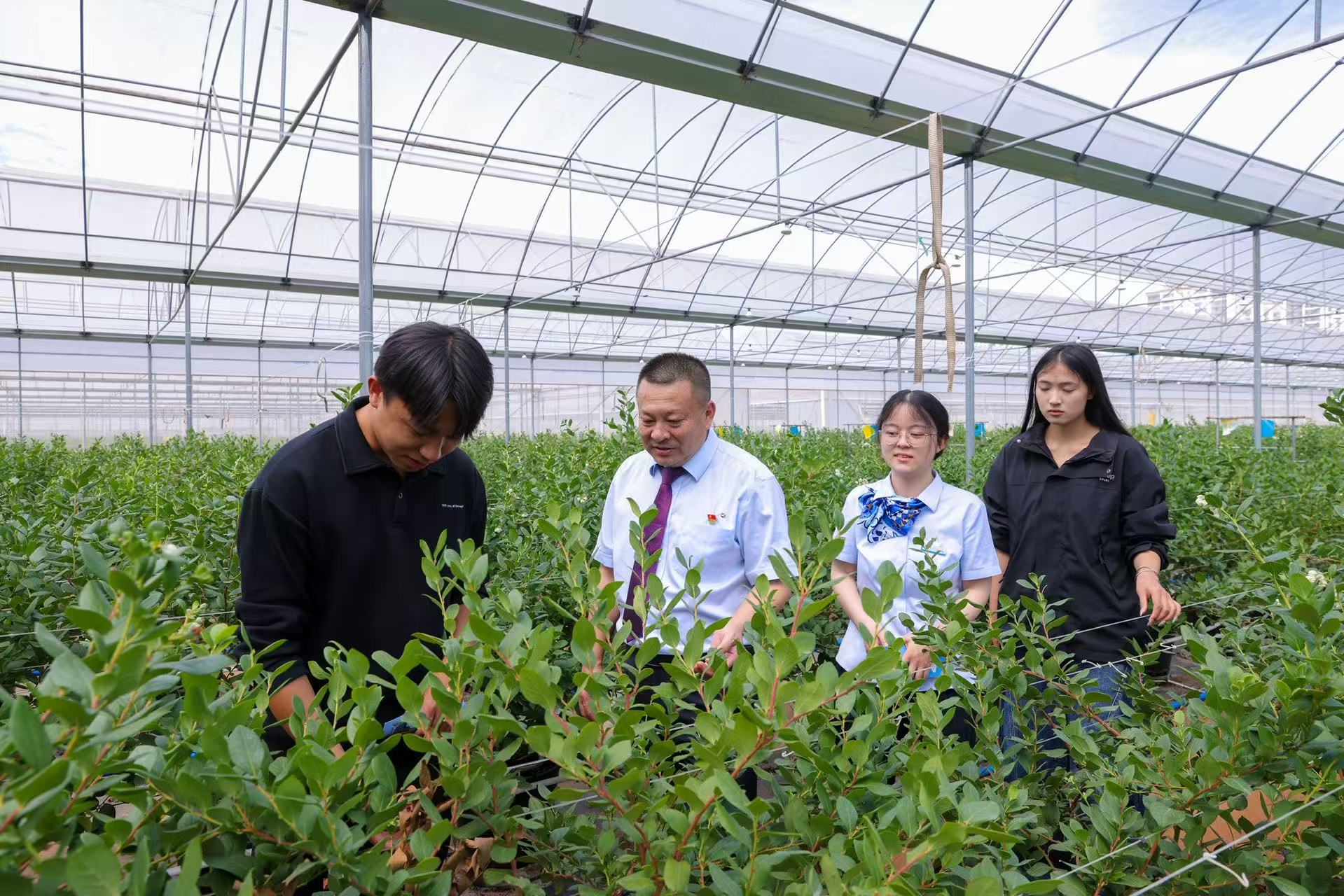
Core Viewpoint - The Construction Bank of Yunnan Province has implemented innovative measures to support the expansion of commodity consumption, service consumption, and the cultivation of new consumption patterns, achieving significant results in the tourism and cultural sectors of Yunnan Province [1][2]. Group 1: Support for Commodity Consumption - The Construction Bank of Yunnan Province has increased the credit limit for personal internet consumption loans from 200,000 yuan to 300,000 yuan and for self-payment amounts from 300,000 yuan to 500,000 yuan [2]. - The bank has actively leveraged the "old-for-new" policy, collaborating with major merchants and shopping centers, resulting in credit card transactions of nearly 445 million yuan and supporting over 20,000 consumers in "old-for-new" purchases [2]. - As of the end of September, the bank's car installment transaction volume reached 2.65 billion yuan, with the proportion of new energy vehicles steadily increasing to 822 million yuan, effectively promoting green consumption [2]. Group 2: Support for Service Consumption - The bank has conducted 2,500 joint marketing activities with merchants this year, focusing on the unique cultural and tourism resources of Yunnan [3]. - The "You Yunnan" tourism scene was launched, creating channels for "Yunnan Gifts" and "Flower Markets," with a total transaction volume of nearly 45,000 transactions and coverage of over 80% of local specialty consumption scenes [3]. Group 3: Cultivation of New Consumption - The bank has enhanced the ecosystem of the "Construction Bank Life" platform, introducing a "zero commission" model to attract merchants and drive customer traffic [3]. - The "Shopping Festival" activities at over 230 bank outlets have generated more than 1 million yuan in transaction volume and served over 50,000 customers [3]. Group 4: Innovative Financial Services - The "One Mobile Phone to Tour the Business District" platform was launched in collaboration with the Yunnan Provincial Department of Commerce, providing free services to merchants and facilitating the issuance of over 48 million yuan in government consumption vouchers [4]. - The platform has attracted 228 business districts and over 270,000 merchants, creating 493 new convenient living circles in cities [4]. Group 5: Support for Agricultural Consumption - The bank has provided 4.5 million yuan in funding support to one-third of the merchants in Xiaowan Village, which has transitioned to develop the tourism industry [4]. - The "Homestay Loan" product, a key financial offering, has been instrumental in supporting tourism consumption, with a current interest rate of only 3.05% [4]. Group 6: Addressing New Consumer Demands - The bank has supported the cultivation of off-season blueberries in Yuxi City, providing over 17 million yuan in credit loans to more than 40 farmers [6]. - The bank's proactive approach to financial innovation is reflected in its commitment to understanding consumer needs and industry dynamics through regular grassroots engagement [6].

为经济注入更多确定性
Jin Rong Shi Bao· 2025-10-27 00:29
Core Insights - The Beijing Financial Street Forum focuses on "Innovation, Transformation, and Reshaping of Global Financial Development," serving as a platform for global financial wisdom and showcasing Beijing's financial achievements [1] Group 1: Financial Support for the Real Economy - Beijing's financial sector prioritizes serving the real economy, implementing strategies to direct financial resources to key areas such as private enterprises, green industries, and consumer spending [2] - By August 2025, the balance of inclusive small and micro loans in Beijing is expected to grow by 13.5% year-on-year, with agricultural loans increasing by 8.8% and entrepreneurial guarantee loans surging by nearly 40% [2] - Over 2,300 small and micro enterprises have utilized a foreign exchange derivatives service platform to hedge against exchange rate risks, with over 90% of these being small and micro enterprises [2] Group 2: Green Finance Initiatives - Beijing aims to become an international benchmark city for green economy, achieving a green loan balance of nearly 2.4 trillion yuan by the second quarter of 2025, ranking among the top in the country [2] - In 2024, the issuance of green corporate bonds in Beijing reached 741 billion yuan, the highest in the nation [2] Group 3: Consumer and Pension Finance - The People's Bank of China has facilitated over 14 billion yuan in loans for consumption and pension services in Beijing, boosting the consumer market and enhancing the pension service system [3] - By August 2025, nearly 20 million digital RMB personal wallets have been opened in Beijing, with over 540 million transactions amounting to nearly 300 billion yuan [3] Group 4: Innovation in Financial Services - Beijing leverages its status as a technology innovation center to integrate finance and technology, providing comprehensive financial services for tech enterprises from startup to maturity [4] - By September 2025, over 210 billion yuan in technology innovation bonds have been issued in Beijing, ranking among the top in the country [4] Group 5: Capital Market Development - The Beijing Stock Exchange has nurtured 279 listed companies over four years, with a total market capitalization exceeding 860 billion yuan, and over 90% being high-tech enterprises [5] - In 2024, listed companies in Beijing distributed dividends exceeding 990 billion yuan, accounting for 41% of the total market [6] Group 6: Global Financial Cooperation - Beijing has expanded its financial openness, attracting foreign financial institutions and enhancing cross-border cooperation, with annual cross-border capital inflow and outflow exceeding 140 billion USD for participating companies [7] - The establishment of international platforms like the Beijing Green Exchange and the International Big Data Exchange facilitates the flow of global innovative factors [7] Group 7: Internationalization of the Forum - The current Financial Street Forum has seen an increase in international participation, with representatives from major global financial organizations and five overseas sub-venues, the highest number to date [8] - The forum highlights Beijing's financial achievements and sets the stage for future development, emphasizing a more open and innovative approach in the global financial arena [8]
打造金融创新高地 南沙期货产业园发展提速
Qi Huo Ri Bao Wang· 2025-10-26 16:14
Core Insights - The establishment of the Nansha Futures Industry Park marks a significant milestone in the development of a comprehensive futures financial ecosystem in China, driven by national strategies and regional development initiatives [2][4][6] Group 1: Strategic Importance - Nansha serves as a core hub in the Guangdong-Hong Kong-Macao Greater Bay Area and a national-level free trade pilot zone, playing a crucial role in deepening reform and opening up [2][4] - The park is positioned as a key platform for financial innovation and is integral to Nansha's strategy of promoting "Five Ports Linkage" development [2][3] Group 2: Infrastructure and Ecosystem - The Nansha Futures Industry Park covers an area of approximately 150,000 square meters and features a 270-degree panoramic sea view, integrating green low-carbon and smart operations [3] - The park has already attracted 12 futures institutions, including Guangzhou Futures Exchange and JPMorgan Futures, indicating a rich and diverse financial ecosystem [3][5] Group 3: Collaborative Efforts - A significant number of strategic partnerships were formed during the investment promotion conference, involving leading futures companies and financial institutions, which highlights the park's role in enhancing industry aggregation [5][6] - The park aims to create a comprehensive financial hub that serves the Greater Bay Area and radiates across the nation, with a focus on collaboration among various financial sectors [5][6] Group 4: Future Prospects - The Nansha Futures Industry Park is expected to continue optimizing its ecosystem, deepen connectivity with Hong Kong and Macao, and explore innovations in futures finance [6][7] - The park is set to contribute to the construction of a regional financial center in Guangzhou and an international financial hub in the Greater Bay Area, showcasing its potential as a model for the development of the futures financial industry nationwide [6][7]
中信证券(600030):业绩屡创新高,打造行业标杆
Western Securities· 2025-10-26 11:26
Investment Rating - The report maintains a "Buy" rating for CITIC Securities [6][12] Core Views - CITIC Securities reported record high performance in Q3 2025, with revenue and net profit reaching 55.815 billion and 23.159 billion yuan respectively, reflecting year-on-year growth of 32.7% and 37.9% [1][6] - The company achieved a net profit of 9.44 billion yuan in Q3 2025, marking a year-on-year increase of 51.5% and a quarter-on-quarter increase of 31.6%, setting a new record for quarterly performance [1][6] - The weighted average ROE for the first three quarters of 2025 increased by 1.85 percentage points to 8.2% [1][6] Financial Performance Summary - For the first three quarters of 2025, CITIC Securities' brokerage, investment banking, and asset management net income were 10.939 billion, 3.689 billion, and 8.703 billion yuan respectively, with year-on-year growth rates of 52.9%, 30.9%, and 16.4% [2] - The company completed 7 IPO projects in the A-share market, raising 5.613 billion yuan in equity financing, while the overseas equity underwriting scale reached 26.804 billion HKD, with a market share of 13.76% [2] - Investment income for the first three quarters of 2025 was 29.883 billion yuan, with a year-on-year increase of 35.2%, and the investment return for the quarter reached a historical high [3] Earnings Forecast - The report projects net profits for CITIC Securities to be 30.594 billion, 32.060 billion, and 34.346 billion yuan for 2025, 2026, and 2027 respectively, with year-on-year growth rates of 41.0%, 4.8%, and 7.1% [3][4] - The projected PB ratios for 2025, 2026, and 2027 are 1.51, 1.36, and 1.23 respectively [3][4]

共建边疆高质量发展新格局研讨大会召开 塔城高质量产业投资基金正式发布
Zheng Quan Ri Bao Wang· 2025-10-26 11:17
Core Insights - The conference themed "Financial Empowerment of Industries, Innovation Leading the Future" was held in Beijing, focusing on high-quality development in the Xinjiang region [1] - The event aimed to create a high-end platform for policy alignment, capital aggregation, central-local cooperation, and communication among financial institutions, injecting strong financial and innovative vitality into Xinjiang's development [1] Group 1: Financial and Investment Opportunities - The conference emphasized the importance of precise alignment between financial resources and the unique industries in border regions to activate regional economic potential [1] - Key discussions included directing capital into local advantageous industries such as mining development, renewable energy, synthetic biology, modern agriculture, and cross-border trade to build a modern industrial system [1] - The launch of the Tachen High-Quality Industrial Investment Fund was a significant highlight, aimed at mobilizing social capital for border area development through a market-oriented and professional operational model [1] Group 2: Regional Development and Collaboration - Local leaders presented a comprehensive overview of central support policies, unique local resources, and the development of a "5+2" modern industrial system, which includes mineral resources and textile industries [2] - Representative local enterprises showcased their projects, demonstrating significant market potential and collaboration opportunities, leading to multiple preliminary cooperation intentions with investment institutions [2] - The successful hosting of the conference opened a window for various stakeholders to understand development opportunities in Tachen, fostering a long-term cooperative ecosystem characterized by industry-finance complementarity and resource sharing [2]
银行应为农产品消费注入持久动能
Zheng Quan Ri Bao· 2025-10-25 16:46
Core Insights - The banking sector plays a crucial role in driving agricultural consumption through financial innovation, addressing industry pain points, and fostering a sustainable cycle between agricultural production and consumer markets [1][3]. Group 1: Financial Innovation and Agricultural Support - Banks should leverage IoT technology to create instant settlement systems, reducing the payment cycle for agricultural products and providing farmers with immediate access to production funds [1]. - A "chain leader + finance" model can offer credit support to upstream and downstream enterprises, ensuring a stable supply of high-quality agricultural products [1]. - The combination of production-side credit and circulation-side settlement can align financial services with agricultural production cycles, enhancing product quality and supply stability [1]. Group 2: Brand Value and Market Competitiveness - Transforming brand value into market competitiveness is essential for achieving premium pricing for high-quality agricultural products [1]. - Banks are encouraged to innovate pledge models and policy collaborations to convert brand value into tangible financing capabilities [1]. - By incorporating brand recognition and market influence into credit assessments, banks can design comprehensive credit products for specialty agricultural products, fostering a cycle of brand empowerment and credit support [1]. Group 3: Digital Integration and Consumer Engagement - Scene integration is vital for boosting agricultural product consumption, with banks needing to build cross-border service platforms that embed financial services into all consumer scenarios [2]. - The traditional view of financial services as merely loan issuance should be expanded to include an ecosystem of "finance + e-commerce + livelihood services," facilitating integrated sales and financing channels for specialty agricultural merchants [2]. - This innovation addresses the challenges of getting agricultural products from rural areas to urban markets while lowering consumer purchasing barriers [2]. Group 4: International Market Expansion - Expanding into international markets is a key direction for increasing agricultural product consumption, with cross-border financial services being essential for accessing global markets [2]. - Banks should provide specialized services such as cross-border settlement and currency risk management to help branded agricultural products reduce export costs and manage trade risks [2]. - By integrating data resources, banks can offer value-added services like overseas market entry consulting and target customer analysis, supporting the global demand for "Chinese quality agricultural products" [2]. Group 5: Brand Building and Rural Revitalization - Agricultural brand development is central to boosting consumption and supporting rural revitalization [3]. - The banking sector's value extends beyond funding; it involves connecting production, circulation, and consumption through financial innovation, anchored by brand development and supported by digital ecosystems [3]. - When financial resources are effectively directed towards brand cultivation, agricultural consumption upgrades will significantly contribute to rural revitalization [3].

创新与监管并行,港交所再迎加密重磅!亚洲首只SOL现货ETF即将上市
Hua Xia Shi Bao· 2025-10-23 11:55
本报(chinatimes.net.cn)记者赵奕 上海报道 根据华夏基金(香港)官网信息,由其发行的Solana(SOL)现货ETF即将于10月27日正式在港交所挂 牌。这不仅是香港虚拟资产市场内继比特币(BTC)、以太坊(ETH)之后获批的第三类加密货币现货 ETF,也是亚洲首个同类产品。 "亚洲首只SOL现货ETF即将在港交所上市标志着香港在虚拟资产领域的进一步创新。"薪火私募投资基 金管理有限公司总经理翟丹向《华夏时报》记者表示,SOL ETF的上市将为机构投资者提供一个合规且 便捷的渠道参与加密货币市场,从而吸引更多资金流入。此外,这一产品将进一步降低个人投资者的参 与门槛,通过熟悉的证券账户即可进行交易,增强了市场的流动性。从全球视角来看,香港的这一突破 也为其他亚洲市场提供了借鉴,推动了加密货币在传统金融体系中的接受度。 OSL负责交易与托管 2024年,全球首个Solana现货ETF在巴西证券交易所上市,让巴西成为第一个正式推出该代币ETF交易 的国家。今年4月,Solana现货ETF也在加拿大获批上市。而本次由华夏基金(香港)推出的基金则成为 亚洲首个SolanaETF。 "从制度和市场的视 ...

赣鄱碧波长 江西生态优先绿色发展一线观察
Jin Rong Shi Bao· 2025-10-22 05:14
Core Viewpoint - The transformation of the Yangtze River's ecological environment in Jiangxi is highlighted, emphasizing the importance of ecological protection and high-quality development in the Yangtze River Economic Belt [1][2][3]. Group 1: Ecological Restoration and Development - The construction of the Yangtze River National Cultural Park has initiated significant ecological restoration efforts, focusing on protecting the river while promoting sustainable development [2][3]. - Jiangxi, with 97.7% of its area in the Yangtze River basin, plays a crucial role in ecological protection and high-quality development [1][2]. - The transformation of previously degraded riverbanks into green spaces demonstrates a commitment to ecological safety and community engagement [2][3]. Group 2: Economic Transition for Local Communities - The shift from fishing to cultural tourism is evident in areas like Wucheng Town, where former fishermen have transitioned to new roles in the tourism industry [3][4]. - The renovation of historical districts, such as the 32,000 square meter area in Wucheng, integrates cultural preservation with new economic opportunities for local residents [4]. - The implementation of a ten-year fishing ban has led to a focus on cultural and tourism development, enhancing local economies and ecological health [4][5]. Group 3: Industrial Transformation and Financial Support - Chemical companies in Jiangxi are focusing on pollution reduction and green transformation, with significant investments in technology upgrades and environmental management [5][6]. - Financial institutions are actively supporting green initiatives, providing loans and incentives for companies to adopt sustainable practices [7][8]. - The total balance of green loans in Jiangxi reached 1.13 trillion yuan, reflecting an 18.3% increase, indicating strong financial backing for ecological projects [8][9]. Group 4: Innovative Financial Products - Financial products tailored for green transformation, such as "transformation upgrade loans" and "circular economy loans," are being developed to meet the needs of local enterprises [9][10]. - The collaboration between financial institutions and local businesses is fostering a supportive environment for sustainable development initiatives [10].
