
创业

Search documents
创业是这个时代的科举,也是阶层跃迁的唯一之道
创业家· 2025-06-04 10:13
Core Viewpoint - Entrepreneurship is seen as a vital path to break class barriers in China, driven by a deep-rooted spirit of striving for success among the Chinese people. Success in entrepreneurship requires resilience and a willingness to learn from external wisdom rather than relying solely on habitual thinking [1]. Group 1 - The company manages funds exceeding 10 billion across several cities [2]. - The company has invested in over 600 enterprises and has supported 13 companies in going public [3]. - This year, the company aims to invest in at least 50 enterprises with a target of deploying nearly 3 billion [4]. Group 2 - The partner of the company expresses a goal to become the most active early-stage investor in China by 2025 [6]. - An upcoming event in Wuxi from June 19 to 21 will provide insights into the company's investment landscape and opportunities in a trillion-yuan market [6].


聊了3000位CEO,想成事要有这四种特质
Sou Hu Cai Jing· 2025-06-04 05:02
有吹牛造假的——这一类不用多说,完全是创投圈的负资产; 这些年,我见过的CEO,林林总总有数千位,形形色色。 有想着天上掉馅饼砸他头上的——通常来说,白日梦很快就会醒过来; 有四处蹭资源薅羊毛的,想借助别人力量把自己的事做成的——这类「资源型」CEO在短期内很有欺骗 性,能把公司搞得花团锦簇,但是时间长了,又很容易因资源枯竭而衰败——因为公司没有创造真正的 价值。 第一,有野心。 不管是刘强东少年时候的开着千百艘船驶向大海;还是王兴的「科技改变世界」;或者是黄峥的「我很 难相信30年以后,整个中国的电商还是现在这些大佬」,我回想起来,仍觉得热血沸腾。 前不久,一位99年的CEO找到我合作,他老业务净利润4000万,还想从0到1做一件大事。他的成熟度远 超同龄人甚至很多前辈,也有蓬勃的野心。 我很欣慰,山海永远有火种;我也相信,路虽远行则将至。 第二,低调做事。 远大梦想不是挂在嘴边的,是做出来的。 有的CEO口头上表达得格局高远,气魄也很大,但是落实到细节里,就不是那么一回事了。 我做山海快七年,CEO们喊我一声老师,我也在通过山海寻找志同道合的创业者伙伴,帮助他们做大做 强。 很多CEO问过我:志刚老师,你 ...
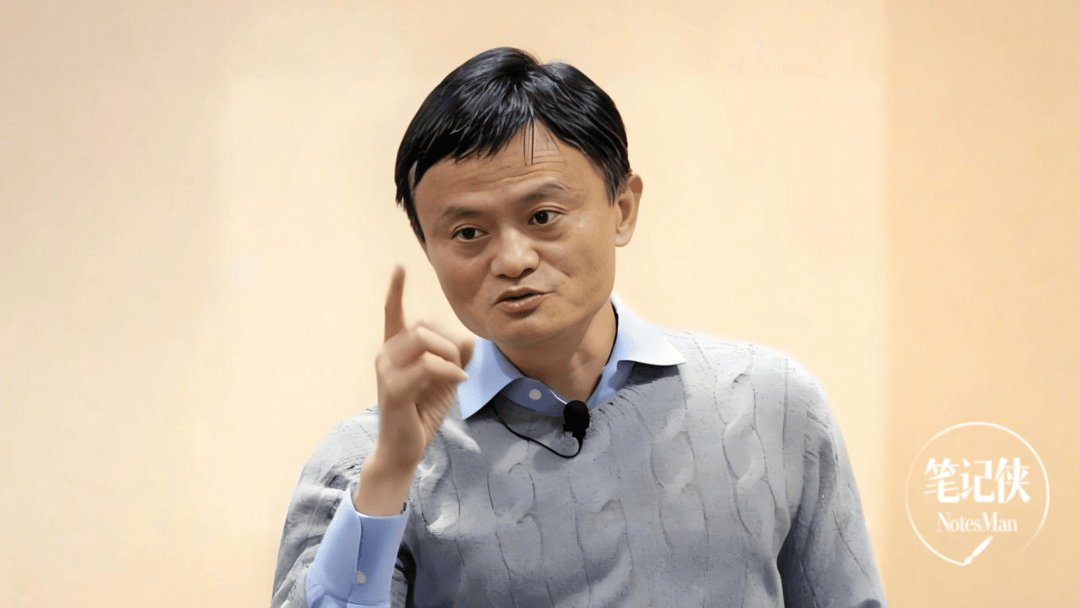
马云15年前的对话,越看越透彻
Sou Hu Cai Jing· 2025-06-03 04:19
Group 1: Entrepreneurial Philosophy - Entrepreneurship is a long-term battle for the future, not just for today [4][5][9] - The harsh reality of entrepreneurship is that 95 out of 100 entrepreneurs fail, and success often comes from a combination of factors beyond mere intelligence [4][6] - Entrepreneurs should focus on customer experience rather than just service, asking what value they bring to customers and society [10] Group 2: Self-Reflection and Belief - It is acceptable to doubt oneself, but one must hold firm to their beliefs and mission [11][12] - Gratitude and respect for the unknown are essential components of a successful entrepreneurial mindset [14][16] Group 3: Embracing Challenges - Entrepreneurs should view pain as a source of joy, as it is part of the journey towards fulfilling their mission [21][22] - The essence of happiness in entrepreneurship is not measured by financial success but by the impact on society and the realization of one's ideals [22][75] Group 4: Action and Opportunity - Taking action is paramount; without it, ideas remain mere fantasies [23][24] - Opportunities exist for those willing to seek them out, and complaining about circumstances is unproductive [34][36] Group 5: Values and Responsibility - Balancing self-identity with societal needs is crucial; one must choose the right path that contributes positively to society [37][39] - The size of one's responsibility correlates with the scale of their opportunities [44] Group 6: Team Dynamics - Selecting ordinary individuals who do not see themselves as elites can lead to extraordinary outcomes [49][52] - Trust within the team is the most valuable resource, and mutual support fosters a productive environment [58][60] Group 7: Integration of Work and Life - Entrepreneurship blurs the lines between work and life; true entrepreneurs find joy in this integration [64][66] - Happiness comes from recognizing and appreciating one's journey and contributions to others [70][72] Group 8: Realities of Life - The world is inherently unfair, but everyone has the same 24 hours to create their own happiness [77][81] - Happiness is a personal pursuit, and individuals should focus on self-improvement and societal contributions rather than envy [82][83]

第一批00后财富自由
投资界· 2025-06-01 07:24
Core Viewpoint - The article discusses the unique entrepreneurial spirit and mindset of the post-2000 generation in Shenzhen, highlighting their proactive approach to career and financial independence, contrasting them with their peers in other major cities in China [3][4][10]. Group 1: Entrepreneurial Mindset - Shenzhen's post-2000 generation is characterized by an early maturity and a strong entrepreneurial drive, often starting their own ventures while still in school [3][5]. - They possess an investment mindset, evaluating job opportunities not just for income but for networking and skill development, leading to rational career choices [4][10]. - The local culture encourages young people to view failures as learning experiences, fostering resilience and adaptability in their entrepreneurial journeys [12][19]. Group 2: Skills and Education - Young people in Shenzhen are exposed to technology and entrepreneurial skills from a young age, often engaging in activities like programming and digital content creation [7][10]. - The presence of "maker spaces" allows children to learn practical skills, preparing them for future careers in technology and entrepreneurship [7][10]. - Parents in Shenzhen prioritize practical skills over traditional education, guiding their children towards lucrative opportunities in the tech and entrepreneurial sectors [15][16]. Group 3: Work Ethic and Financial Goals - The post-2000 generation in Shenzhen is known for their strong work ethic, often juggling multiple jobs to save for future entrepreneurial endeavors [19][22]. - They are not driven by materialism but rather by the desire to build and grow their businesses, demonstrating a clear vision for their financial futures [19][22]. - The culture in Shenzhen promotes open discussions about money and business opportunities, contrasting with more conservative attitudes in other cities [16][19].

微商代理系统助力创业者轻松开启财富之路
Sou Hu Cai Jing· 2025-05-31 11:50
Core Insights - The article discusses the advantages of the micro-business agency system, highlighting its potential to provide a convenient path to wealth for entrepreneurs in the modern society. Group 1: Advantages of Micro-Business Agency System - Flexible business model allows entrepreneurs to operate from home or any convenient location, appealing to those seeking work-life balance [3] - Low startup costs enable more individuals to venture into entrepreneurship without significant financial investment [4] - Wide market demand for various products allows entrepreneurs to choose items based on consumer needs and personal interests [5] - Social networks play a crucial role in product promotion, enhancing sales conversion rates through trust-based relationships [7] - Focus on personal brand building enables entrepreneurs to establish a unique market presence while gaining economic benefits and valuable experience [8] Group 2: Growth and Development - Continuous learning and growth are essential for entrepreneurs to stay competitive, requiring them to acquire new marketing skills and product knowledge [9] - The ultimate goal of the micro-business agency system is to achieve financial freedom through business expansion and capital accumulation [10] - Community support and collaboration among entrepreneurs foster a spirit of teamwork, enhancing morale and trust [12] - Future trends indicate that technological advancements will continue to evolve the micro-business agency system, providing more opportunities for entrepreneurs [17]

找不到工作,开个养老机构怎么样?
集思录· 2025-05-30 14:03
Core Viewpoint - The article discusses the challenges and considerations of starting a nursing home business, highlighting the complexities of the healthcare industry and the potential difficulties in profitability and competition [1][3][9]. Group 1: Industry Insights - The aging population is a significant trend, making the nursing and elderly care industry a potentially lucrative field, but the path to profitability remains uncertain [3]. - There is a noted lack of major capital investment in the nursing home sector, suggesting that if it were a highly profitable industry, it would have already attracted significant players [3]. - The nursing profession is described as demanding and often unappealing, with many young individuals discouraged from pursuing it due to the nature of the work [7]. Group 2: Employment and Income Challenges - Entry-level positions in healthcare, such as nursing assistants, often come with low pay and lack of benefits, as illustrated by a case where a caregiver earned only 190 yuan per day after agency fees [7]. - The competitive landscape for healthcare jobs is tough, with many positions requiring at least a bachelor's degree, making it difficult for those with lower qualifications to secure stable employment [5][6]. - The financial burden of healthcare services can be significant, as demonstrated by a case where a patient's total medical expenses exceeded initial estimates, highlighting the unpredictability of healthcare costs [8]. Group 3: Entrepreneurial Considerations - Starting a nursing home is viewed as a high-risk venture, with potential losses being substantial compared to other business opportunities, such as a small café or retail shop [9]. - The article suggests that aspiring entrepreneurs should consider less capital-intensive business models before venturing into the nursing home industry, which requires significant investment and operational expertise [9].

“别轻易创业”
投资界· 2025-05-29 07:28
Core Viewpoint - The article emphasizes the importance of staying updated with the latest trends and developments in the investment sector, particularly in the context of venture capital and investment opportunities [1] Summary by Relevant Sections - The article highlights the dynamic nature of the investment landscape, urging investors to be proactive in identifying potential opportunities [1] - It discusses the significance of networking and collaboration within the investment community to enhance deal flow and investment success [1] - The piece also points out the increasing competition in the venture capital space, necessitating a strategic approach to investment decisions [1]

创业需讲究“天时地利人和”
Sou Hu Cai Jing· 2025-05-27 04:56
Group 1 - The core idea emphasizes the importance of timing, location, and team cohesion for entrepreneurs to succeed in a competitive market [1][3] - "Timing" refers to the external environment and market opportunities, where entrepreneurs must be sensitive to trends and consumer demands to enter the market at the right moment [1][2] - "Location" involves choosing the right geographical area and leveraging local resources and policies to gain a competitive advantage [3][4] Group 2 - The concept of "windfall" in entrepreneurship indicates a period where specific industries experience rapid growth due to various factors, attracting capital, talent, and media attention [2][5] - Understanding the deep logic behind the emergence of windfalls requires a clear recognition of China's innovation ecosystem, which operates under a politically driven model [2][5] - The importance of team dynamics and interpersonal relationships is highlighted, as a successful entrepreneurial team should possess complementary skills and a shared vision [4][5] Group 3 - Entrepreneurs are encouraged to adopt a long-term perspective and avoid over-reliance on capital and policy-driven sectors, focusing instead on their unique positioning within the market [3][6] - The recognition of market, technology, and business model dynamics is crucial for determining the adaptability and sustainability of products or services [5][6] - High-barrier businesses are recommended as they tend to have less competition and a higher probability of success, with barriers including cognitive, financial, technical, and policy-related factors [6]
经纬张颖:我们要重启创业者公益项目了 |【经纬问诊】
混沌学园· 2025-05-26 09:39
Core Viewpoint - The article emphasizes the importance of providing professional support to entrepreneurs through the "Jingwei Consultation" initiative, which aims to address specific challenges faced by startups in a more focused and personalized manner [3][4][5]. Group 1: Event Overview - The "Jingwei Consultation" event will be held on June 19, 2025, in Beijing, allowing approximately 20 entrepreneurs to engage in one-on-one discussions with Jingwei's team, including Zhang Ying [4][14]. - The event is designed to facilitate meaningful dialogue rather than serve as a platform for seeking investment, with a strict guideline that participants should not inquire about potential funding [5][15]. Group 2: Participation Criteria - The event is open to all entrepreneurs, regardless of industry or funding stage, encouraging participation from those facing operational challenges [7][15]. - Entrepreneurs are invited to ask questions related to various fields, including technology, finance, and business operations, with an emphasis on the quality of the questions posed [9][10]. Group 3: Question Guidelines - Participants are encouraged to ask specific, high-quality questions that address their pressing business challenges, rather than general inquiries about investment opportunities [10][12]. - Examples of good questions include inquiries about financial management, talent retention, and strategic decision-making in a competitive environment [12][13]. Group 4: Event Format - The format of the event will consist of one-on-one consultations, with each participant allocated approximately 20 minutes to discuss 2-3 questions [13][14]. - The goal is to ensure that each question is thoroughly explored, maximizing the value of the interaction for the entrepreneurs involved [13].

阿里巴巴重回正轨,马云开始反击
Sou Hu Cai Jing· 2025-05-26 06:35
蔡崇 信承认阿里失败过 "要有韧性,始终想着再多活一天。" 日前,在第五届BEYOND国际科技创新博览会上,阿里巴巴集团董事长蔡崇信亮相闭幕式,并与 BEYOND Expo联合创始人贺建东对谈。 此次对谈中,蔡崇信很坦然地承认了阿里过去五年遭遇的挫折。比如在国际化方面,阿里确实在一些国 家取得过成功,但也在一些国家经历了失败。 图源:新浪 科技 像是2021年,阿里曾推出对标Shein的跨境B2C独立站AllyLikes,主攻物美价廉的服饰品类产品,主要 针对年轻的欧美女性。 但根据similarweb数据,自2021年9月创下23万的流量峰值后,AllyLikes流量便持续下行;截至2022年11 月,其月均访问总数仅有2.4万。 此后阿里在国际化进程中坚持多元化的市场布局,战略上更加聚焦重点区域。也不再盲目照搬国内的电 商运营模式,而是与本地商家等合作伙伴紧密联系,做好本土化。 就像蔡崇信说的那样,国际化发展的一个关键原则,是能够真正理解当地文化,并实现管理团队的本地 化。 阿里最新财报显示,今年第一季度,阿里国际数字商业集团(AIDC)收入同比增长22%至335.79亿 元,经调整EBITA由亏损40. ...
