改革开放

Search documents
峰会链世界,共寻确定性
Qi Lu Wan Bao· 2025-06-20 02:44
Core Points - The sixth Qingdao Multinational Corporation Leaders Summit emphasizes the importance of foreign investment in China's modernization and economic globalization [1][3] - The summit attracted 570 executives from 465 multinational companies, highlighting the growing interest in China's market [2][3] - The theme of the summit is "Multinational Companies and China - Linking the World for Win-Win Cooperation," aiming to create a platform for policy dialogue and project cooperation [3][4] Group 1: Investment and Economic Growth - Multinational companies have invested in 946 projects in Shandong, with a total investment of $105.91 billion [10] - Shandong has 60 foreign-funded R&D centers, promoting technological innovation and industrial upgrading [11] - Over 7,800 foreign-funded manufacturing enterprises are located in Shandong, with 349 projects from Fortune Global 500 companies, forming influential industrial clusters [12] Group 2: New Opportunities and Market Expansion - The summit introduced new participants from emerging markets, including ASEAN, the Middle East, and Africa, with 9 countries represented for the first time [5] - The participation of over 20% of multinational companies in modern finance and artificial intelligence reflects the shift towards service industry openness [5] - The summit aims to strengthen the "chain" capabilities by introducing new fields, markets, and faces, indicating a restructuring of the business network [4][5] Group 3: High-Quality Development and Services - In the first quarter of this year, high-tech industries in Shandong accounted for 44.2% of foreign investment, surpassing the national average by 15 percentage points [14] - Shandong provides efficient services to multinational companies, ensuring quick project initiation and construction [14] - The summit serves as a guide for multinational companies to seize opportunities in China and deepen mutually beneficial cooperation [16]


持续发挥改革开放排头兵作用
Jing Ji Ri Bao· 2025-06-14 21:58
Core Viewpoint - The issuance of the "Opinions on Deepening Reform and Innovation in Shenzhen Comprehensive Reform Pilot" signifies a new mission for Shenzhen to advance reform and opening-up at a higher level, contributing to the construction of a modern socialist country and providing a model for others [1] Group 1: Reform and Innovation - Shenzhen, as a pioneer in China's reform and opening-up, has accumulated valuable experience over the years, especially as it marks the 45th anniversary of its economic special zone and the 5th anniversary of the comprehensive reform pilot [1] - The current phase of reform and opening-up in China is characterized by significant challenges in economic structure adjustment and transformation, necessitating deeper reforms to unleash new vitality for high-quality development [1] Group 2: Specific Measures - The "Opinions" follow a "pilot-summarize-promote" logic, focusing on systemic integration and efficient collaboration in reforms across economic, educational, technological, and talent development sectors [2] - Key dimensions include promoting integrated reforms in education, technology, and talent systems, enhancing the role of finance and technology in supporting high-quality economic development, and establishing a higher-level open economic system [2] - Innovative measures proposed include exploring the use of electronic bills for collateral financing, assessing the applicability of central bank digital currency in cross-border areas, and reforming international shipping-related systems [2] Group 3: Implementation and Collaboration - The deepening of comprehensive reform is a systematic project requiring collaboration and joint efforts from all parties involved [3] - Establishing precise and scientific implementation mechanisms is essential to ensure effective reform, with a focus on continuous improvement of related policies and measures [3] - The goal is to transform Shenzhen's experiences into development momentum for other cities, contributing to the overall modernization of the socialist nation and the rejuvenation of the Chinese nation [3]
习近平:在纪念陈云同志诞辰120周年座谈会上的讲话
证监会发布· 2025-06-13 10:50
新华社北京6月13日电 在纪念陈云同志诞辰120周年座谈会上的讲话 (2025年6月13日) 习近平 社会主义革命和建设时期,陈云同志在新中国成立之初就受命主持领导全国财政经济工 作,在党中央领导下,统筹各方面力量,打赢粮食、棉花、棉布、煤炭等方面的"经济战",只 用不到一年时间就实现全国财政经济统一,稳定了金融物价,从经济上巩固了新生的人民政 权。他反对不顾现实条件的急躁冒进和急于求成,较早发现"大跃进"带来的问题,参与部署和 领导调整国民经济,特别是注重解决农业困难和粮食紧张问题,为国民经济和人民生活走出 困境发挥了重要作用。他积极探索社会主义经济建设规律,在确立社会主义经济制度、建立 独立的比较完整的工业体系和国民经济体系等方面做了大量卓有成效的工作,为探索我国社 会主义建设道路作出了杰出贡献。 改革开放和社会主义现代化建设新时期,陈云同志以马克思主义的勇气和胆识提出,要 把党和国家工作重点转移到社会主义建设上来,就必须解决好历史遗留的若干重大问题,为 突破"两个凡是"的思想禁锢、实现伟大的历史转折发挥了重要作用。在重大历史关头,他坚决 支持邓小平同志倡导的改革开放,坚定维护邓小平同志在中央领导集体中的 ...
深化改革开放释放经济大省更强带动力
Jing Ji Ri Bao· 2025-06-04 22:24
做大经济增量 推动经济实现质的有效提升和量的合理增长,为我国经济发展创造稳定的宏观环境,也使得发展成果更 多更好惠及广大群众。实现量的合理增长,离不开经济大省发挥带动和支柱作用。经济大省需深化市场 化改革,充分发挥市场在资源配置中的决定性作用,更好发挥政府作用,不断增添发展动力、保持稳定 增长、稳住经济"大盘"。 完善市场准入制度,推动经营主体发展壮大。市场准入制度是社会主义市场经济基础制度的重要内容, 与经营主体数量、市场开放程度和经济持续发展内在活力息息相关。经济大省做大经济增量,需持续深 化市场准入制度改革,高效实施"全国一张清单"管理模式,严格落实"非禁即入"的市场准入要求,进一 步降低市场准入门槛,培育更多经营主体。经济大省在引领新领域新业态新赛道新模式发展中具有优 势,需加快开展先行先试和压力测试,探索更加便捷、高效的市场准入机制,进一步拓宽经营主体参与 市场竞争的机会和空间。一视同仁对待各种所有制企业,鼓励民营企业参与重大应用场景、重大基础设 施建设。 2024年,广东、江苏、山东等10个省份,以占全国近两成的面积贡献了全国超六成的GDP,一个个经济 体量的"大块头"有力发挥了拉动经济增长的"火 ...
便利往来促交流 合作空间更广阔——海合会四国热议中国免签政策
Xin Hua Wang· 2025-05-29 16:52
新华社多哈5月29日电 题:便利往来促交流 合作空间更广阔——海合会四国热议中国免签政策 新华社记者 中方在东盟-中国-海合会峰会期间宣布,自2025年6月9日至2026年6月8日,对沙特阿拉伯、阿 曼、科威特、巴林持普通护照人员试行免签政策。上述4国持普通护照人员来华经商、旅游观光、探亲 访友、交流访问、过境不超过30天,可免办签证入境。加上2018年全面互免签证的海合会成员国阿联酋 和卡塔尔,中方已实现对海合会国家免签"全覆盖"。 阿曼著名专栏作家哈勒凡·图基说,中国决定对阿曼及其他三个海湾国家的公民实行免签,是一项 具有重要意义的举措,节省了四国公民申请签证所需时间和精力,有助于中国吸引更多来自这些国家的 游客。这一举措彰显了中国对外开放的决心,与多年来中国持续推进的改革开放战略高度契合。 科威特教育部首席工程师、科威特水协会可持续发展委员会主席赫芭·阿巴斯认为,对于科威特企 业来说,这项政策是一项重大利好。科威特企业家现在可以更自由地前往中国参加贸易展览会、会见合 作伙伴、探索投资和采购业务。免签政策将促进人员往来,加强双方业务关系和彼此信任,鼓励中科企 业和投资者更积极地接触,为互利伙伴关系奠定基础 ...
落地杭州点了3份外卖,刘强东:杭州是世界美食之都,也是自己见过最美的城市,没有之一
新华网财经· 2025-05-28 06:05
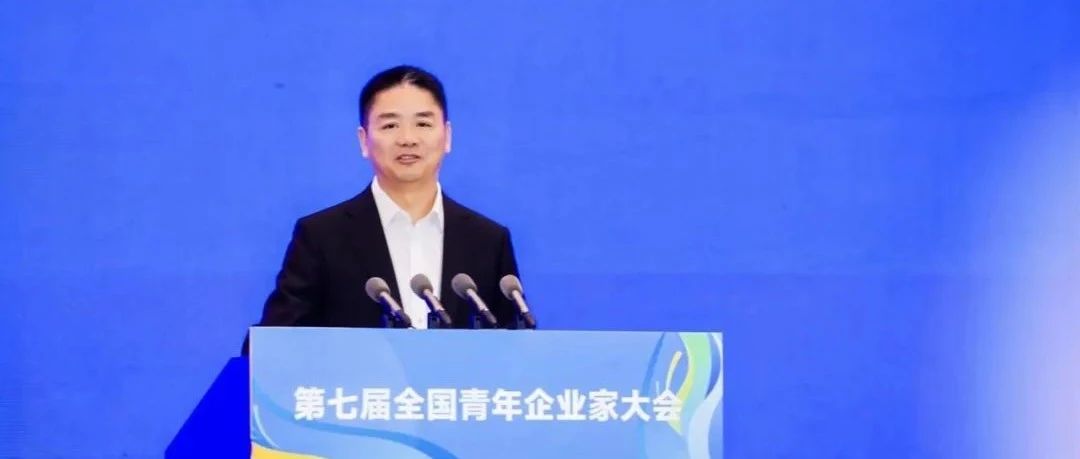
Core Viewpoint - The article highlights the insights shared by Liu Qiangdong, founder of JD.com, during the 7th National Young Entrepreneurs Conference, emphasizing the importance of innovation, social responsibility, and the potential for future growth in the Chinese economy [1][4]. Group 1: JD.com's Development Journey - Liu Qiangdong recounted the journey of JD.com, starting from an initial investment of 12,000 yuan in 1998, and noted that during the SARS outbreak in 2003, the company faced a critical moment where it could only sustain operations for 42 days [3]. - The shift to e-commerce during the SARS crisis marked the beginning of JD.com's digital transformation, leading to a revenue of 100 billion yuan by 2014, with revenue and profit increasing tenfold since then, and tax contributions rising twentyfold [3]. - JD.com has attracted 47 Fortune Global 500 companies, showcasing its remarkable business growth that is perceived as unique to China [3]. Group 2: Social Responsibility and Innovation - Liu emphasized the unity of corporate mission and social responsibility, recalling his personal contributions during the 2008 Wenchuan earthquake, where he donated 120,000 yuan and established a protocol for disaster response [3]. - He articulated that core technologies in China must be developed through self-reliance and innovation, rather than being acquired or given [3]. Group 3: Future Aspirations - Liu Qiangdong posed critical questions for entrepreneurs regarding the value their business models and technologies can create for the country [4]. - He outlined JD.com's ambitious "35711" vision for the next 20 years, which includes nurturing three companies with over 100 billion yuan in revenue, five Fortune 500 companies, and seven companies with a market value of at least 100 billion yuan, alongside contributing 100 billion yuan in taxes and creating over 1 million jobs [5]. - Liu expressed that only one-third of this vision has been achieved, reinforcing his identity as a young entrepreneur [5].

扛好挑大梁责任,为一域增光为全局添彩——省委十四届九次全会侧记
Xin Hua Ri Bao· 2025-05-27 23:38
Group 1 - Jiangsu province emphasizes its responsibility as a major economic province to lead high-quality development and contribute to national growth [2][3] - The province's GDP grew by 5.9% year-on-year in the first quarter, indicating a positive trend in high-quality development [2] - The provincial government is focused on integrating technology and industry to enhance innovation and productivity [4][5] Group 2 - Jiangsu aims to deepen market regulation reforms to improve the business environment and enhance regulatory efficiency [6] - The province's foreign trade in Kunshan reached 1868.7 billion yuan, growing by 5.9%, setting historical records for the region [7] - The province is actively engaging in national strategies to enhance its development influence, particularly in the Yangtze River Delta and the Greater Bay Area [8] Group 3 - The province is committed to promoting common prosperity through enhanced social welfare and cultural tourism integration [10][11] - High-quality party leadership is seen as essential for driving high-quality development across the province [12]
挺立潮头勇争先——论稳扎稳打、踏踏实实贯彻落实习近平总书记视察山东重要讲话精神
Da Zhong Ri Bao· 2025-05-24 01:11
改革开放是决定当代中国命运的关键一招,也是齐鲁大地最鲜明的标识。习近平总书记去年视察山 东,强调山东要"在进一步全面深化改革、推进高水平对外开放上勇争先"、"在进一步全面深化改革上 当好排头兵"。殷殷嘱托把脉定向,切切期盼寄托厚望。 排头兵,意味着打头阵、作示范。改革要快人一步,也就意味着,要先一步破解矛盾问题。当改革 进入更加注重系统集成阶段,如何避免零敲碎打、碎片化修补,事关发展全局;当出口遭遇"风高浪 急"的外部环境,以更高水平开放"熨平"关税波动,成为当务之急。凡此种种,都是最真实的挑战,是 必须直面的困难,能不能以改革开放破题,检验着排头兵的成色和勇争先的能力。 勇争先,有打造新高地的决心。构建国际物流大通道,山东中欧班列累计开行超1.2万列,第4个海 外集结中心落地老挝万象,物理上的联通更加顺畅。抓好自贸区海洋经济政策集成改革,上合示范区推 出"陆海直运"监管模式,深化金融、电信、医疗、文化等领域的开放,制度上的衔接更有保障。尼山世 界文明论坛、跨国公司领导人青岛峰会等重大活动成果丰硕,高能级平台的影响力进一步扩大。以世界 眼光、全局视野,"跳出山东发展山东",一个经济大省正不断拓展对外开放的深度 ...
原创王健林马云没这待遇,一泰国首富却受邀上城楼观礼,他是何身份?
Sou Hu Cai Jing· 2025-05-02 09:15
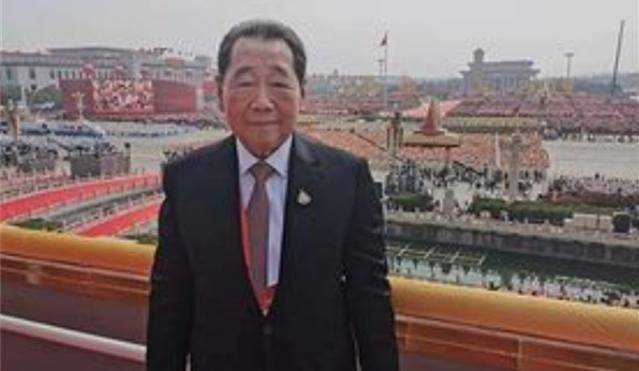
Group 1 - The article highlights the significance of the 100th anniversary of the Communist Party of China, where notable figures, including Thai billionaire Chearavanont, were invited to witness the celebration at Tiananmen Square [1] - Chearavanont, with a net worth of $30 billion, is recognized as the richest person in Thailand and Southeast Asia, showcasing the influence of overseas Chinese entrepreneurs [1][19] - The article provides a brief background on Chearavanont's family history, emphasizing his father's journey from China to Thailand and the establishment of Charoen Pokphand Group, which has become a major player in agriculture and food production [3][10] Group 2 - Chearavanont's upbringing instilled a strong sense of patriotism, as his father emphasized the importance of returning to China for education and maintaining ties with their roots [5] - After gaining experience in various companies, Chearavanont took over Charoen Pokphand Group at the age of 25, demonstrating strong management skills and a forward-thinking business approach [8][10] - The company expanded significantly under his leadership, leveraging Thailand's agricultural resources and contributing to the local economy while also establishing a presence in China [10][12] Group 3 - Chearavanont's strategic investments in China began in 1978, marking a pivotal moment for both his company and the Chinese feed industry, leading to significant growth and recognition [12][14] - Despite facing challenges during the 1997 Asian financial crisis, Chearavanont increased investments in China, reflecting his confidence in the market [15] - By 2000, Charoen Pokphand Group achieved substantial revenue in China, and Chearavanont's wealth and influence grew, making him a prominent figure in both Thailand and China [17][19]
原创廖荣纳一小学生,干啥都赚,成广西首富,为何神秘消失众人慌神
Sou Hu Cai Jing· 2025-05-02 04:05
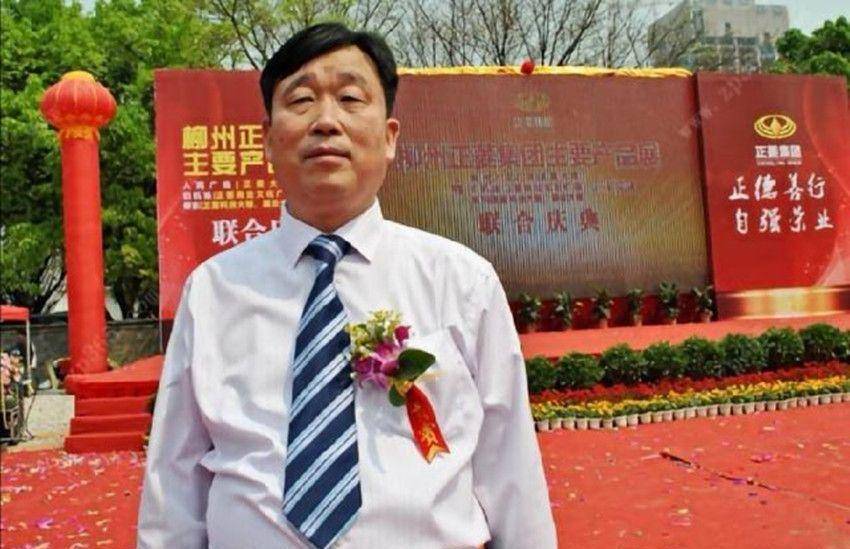
Core Viewpoint - Liao Rongna, once a prominent entrepreneur and the richest man in Guangxi, mysteriously disappeared after accumulating significant wealth through various business ventures, leading to widespread concern and investigation into his whereabouts [1][21]. Background and Early Life - Liao Rongna was born in 1956 in a poor farming family in Guangxi, where he faced severe hardships during his childhood, including limited access to food and education [3]. - He dropped out of school due to financial constraints and joined the military at the age of 14 to alleviate his family's burden [3]. Initial Business Ventures - After returning from military service in 1974, Liao began working as a water manager and identified opportunities to cultivate more profitable crops, leading to increased income for local farmers [4]. - He encouraged villagers to diversify into small-scale processing businesses, which significantly improved their living standards despite the political risks involved [5][6]. Expansion and Success - Liao's initiatives in agriculture and small industries led to the establishment of a successful pig farming operation and the creation of various local businesses, making him a respected figure in his community [8][9]. - With the advent of economic reforms in the early 1980s, he capitalized on opportunities in pig farming and ecological agriculture, quickly becoming a wealthy individual [9][12]. Business Growth and Diversification - Liao expanded into transportation, acquiring a fleet of over 200 vehicles and establishing a successful logistics business [11]. - He later ventured into automotive repair and parts supply, further solidifying his business empire and earning the nickname "Liao Millionaire" [11][13]. Corporate Formation and Recognition - In 2003, Liao consolidated his businesses into the Liu Zhou Zhengling Group, which quickly became one of China's top 500 enterprises, diversifying into various sectors including machinery, construction materials, and real estate [12][13][16]. Shift to Financial Services - Liao transitioned into capital management and real estate development, establishing multiple financial service companies and investing heavily in the property market [16][17]. - His rapid expansion, however, led to management challenges and financial instability within his conglomerate [16][18]. Financial Crisis and Disappearance - By 2008, Liao faced severe cash flow issues and resorted to public financing, offering high interest rates to attract investors, which ultimately led to a financial crisis when he could not meet his obligations [20][21]. - Following a massive financial scandal, Liao disappeared, prompting investigations that revealed he had fled the country with significant funds [21]. Legal Consequences - After a month of evasion, Liao returned to China and was sentenced to eight years in prison for illegal financing, marking a dramatic fall from grace for a once-celebrated entrepreneur [22].