
AI医疗

Search documents
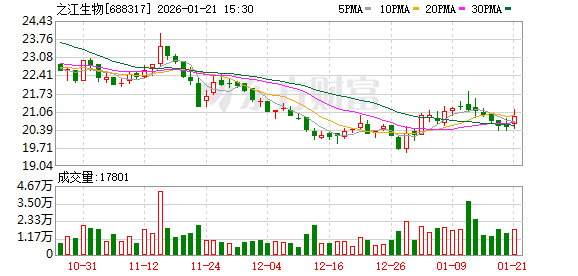
之江生物:公司在创新药与AI医疗领域均有布局
Mei Ri Jing Ji Xin Wen· 2026-01-21 11:05
Core Viewpoint - The company, Zhijiang Biology (688317.SH), is actively engaged in the fields of innovative drugs and AI healthcare, focusing on an integrated strategy of "prevention, diagnosis, and treatment" [2]. Group 1: Company Strategy - The company emphasizes continuous development driven by innovation [2]. - It has established a presence in both innovative drugs and AI healthcare sectors [2]. - The company leverages technologies such as intelligent manufacturing and digital twins to enhance solutions in various fields, including infectious diseases, reproductive health, cancer, and genetic disease diagnostics [2].


中国的OpenEvidence:健康160以AI生态化战略打造医疗AI新范式
Zhong Jin Zai Xian· 2026-01-21 07:37
Core Insights - The global AI healthcare landscape is rapidly evolving, with significant advancements from companies like OpenAI, Google, and Anthropic, while OpenEvidence has seen its valuation soar to $12 billion, marking a 1200% increase in one year [1][2] - Health160, a key player in China's internet healthcare sector, differentiates itself by developing a comprehensive AI health management system that covers all stages of patient care, unlike the tool-centric approach of OpenEvidence [1][3] Group 1: Global AI Healthcare Landscape - OpenEvidence addresses a critical pain point for doctors by significantly reducing literature search time from hours to 5-10 seconds, capturing 40% of the U.S. physician market [2] - The company employs a "free tool + advertising" model, tapping into a $30 billion U.S. healthcare marketing market, with an annual recurring revenue exceeding $150 million and a gross margin of 90% [2] - OpenEvidence's reliance on Western guidelines and literature presents an opportunity for Chinese companies to compete by integrating local medical standards [2] Group 2: Health160's Unique Approach - Health160 has established a complex ecosystem connecting over 44,800 healthcare institutions, including 14,500 hospitals and 30,300 primary healthcare facilities, with more than 900,000 healthcare professionals [3] - The company utilizes a "public account private domain + platform public domain" dual-drive model, focusing on digital engagement through hospital WeChat accounts and offering various modules for consumer healthcare and smart guidance [3] - Health160's AI health management system integrates clinical and external health data, providing services like AI triage, appointment scheduling, and follow-up, covering the entire patient journey [3][4] Group 3: Competitive Advantages and Future Outlook - Health160's user base reached 56.9 million by June 30, 2025, with an average of 3.3 million monthly active users, enabling comprehensive healthcare services [4] - The platform's personalized data tagging has led to a 90% increase in content click-through rates, demonstrating the potential value of healthcare data [4] - The focus of AI healthcare competition is shifting towards sustainable and compliant implementation, with Health160 leveraging privacy computing technology to ensure data security and compliance [4] - The future of AI healthcare in China is expected to see a shift from treatment-oriented to proactive health management, with significant policy support aimed at developing high-quality data sets and specialized AI models by 2027 [5]
医疗ETF(159828)飘红,连续3日迎资金净流入,中国创新药竞争力凸显
Mei Ri Jing Ji Xin Wen· 2026-01-21 06:51
Group 1 - The core viewpoint of the article highlights the positive signals from the JPM conference, reinforcing the industrial positioning of AI in healthcare [1] - In early 2026, multiple AI pharmaceutical collaborations have been established globally, with over 9 partnerships among multinational pharmaceutical companies, totaling more than $6 billion [1] - AI in pharmaceuticals enhances the entire drug development process, improving efficiency and success rates in new drug discovery, preclinical screening, clinical development, and production, indicating a future high-growth trajectory [1] Group 2 - Continuous attention should be paid to investment directions in AI healthcare, including AI health management, AI medical information technology, AI medical imaging, AI surgical robots, AI gene sequencing, and AI pharmaceuticals [1] - The competitiveness of Chinese innovative pharmaceuticals is highlighted, with Chinese companies actively engaging in business development overseas in areas such as bispecific antibodies, ADCs, and GLP-1RA new drugs by 2025 [1] - The medical ETF (159828) tracks the CSI Medical Index (399989), which selects listed companies in the A-share market involved in medical devices, medical services, and medical information technology, reflecting the overall performance of healthcare-themed listed companies [1]
医保局规定手术机器人定价!器械出海空间广阔,医疗器械 ETF(562600)涨近1%
Sou Hu Cai Jing· 2026-01-21 06:02
Group 1 - The core viewpoint of the news highlights the positive performance of the medical device sector, with significant stock price increases for various companies and a favorable market outlook driven by new pricing policies and international trade initiatives [1][2][3] Group 2 - As of January 21, the Shanghai Composite Index rose by 0.22%, while the medical device index increased by 0.69%, with notable stock performances from Tianzhihang-U (+13%), Sanyou Medical (+7%), and others [1] - The medical device ETF (562600) saw a 0.77% increase, with a trading volume of 254.268 billion yuan and a turnover rate of 4.15%. Over the past six months, the fund has gained 4.80%, and 11.30% over the past year [1] Group 3 - On January 20, the National Healthcare Security Administration issued guidelines for pricing medical services related to surgical robots and remote surgeries, establishing a structured pricing system to enhance innovation returns and improve accessibility to precision medicine [2] - A special seminar was held on January 17 to discuss how to leverage the medical device procurement and pricing platform to support the international expansion of Chinese medical devices, with plans for a cross-border channel based on procurement platforms in Guangxi and Tianjin [2] Group 4 - Multiple authoritative institutions have expressed optimism about the medical device sector, with expectations for a turning point in operations by 2026 due to optimized procurement rules and significant growth potential in domestic and international markets for surgical robots and AI medical technologies [3] - The medical device ETF (562600) tracks the CSI All Index for medical devices, with the top ten weighted stocks accounting for 45.04% of the total, including major players like Mindray Medical and United Imaging [3]






20cm速递|科创创新药ETF国泰(589720)盘中涨超1%,连续5日净流入近2亿元,关注AI医疗与出海进展
Mei Ri Jing Ji Xin Wen· 2026-01-21 05:56
Core Insights - 2025 is a landmark year for Chinese innovative drugs going global, with total BD (business development) outbound licensing transaction value reaching $135.655 billion and transaction count hitting 157, both setting historical highs [1] - The continuous execution of BD transactions in 2026 validates the global competitiveness of Chinese innovative drugs, with innovation remaining the main investment theme in the pharmaceutical industry [1] Group 1: Market Trends - The small nucleic acid drug sector is attracting more attention from leading companies due to advancements in new target development and treatment convenience, alongside continuously validated clinical data, accelerating outbound licensing and merger collaborations [1] - In the GLP-1 sector, a new pricing system is forming in the domestic market, but the long-term market potential remains promising due to the large patient population for weight loss and diabetes [1] - The development of oral autoimmune drugs is gaining focus, with domestic companies exploring related new targets [1] Group 2: Investment Products - The Guotai Innovation Drug ETF (589720) tracks the Innovation Drug Index (950161), which has a daily price fluctuation limit of 20%, selecting listed companies focused on new drug research and development in the biotech and chemical pharmaceutical sectors to reflect the overall trend and market performance of China's pharmaceutical industry innovation [1]
全链条布局领跑新赛道!翔宇医疗董事长何永正:“脑机接口+”重塑康复新生态
Zhong Guo Zheng Quan Bao· 2026-01-21 04:44
Core Viewpoint - The rehabilitation industry is viewed as a "golden track" with significant growth potential, driven by brain-computer interface (BCI) technology, which is expected to reshape the industry landscape [1] Group 1: Technological Innovation - The company focuses on three cutting-edge areas: brain-computer interfaces, rehabilitation robots, and AI medical technology, with BCI technology accelerating commercialization [2] - A comprehensive product matrix for rehabilitation robots has been established, with plans to launch 5-6 new products by 2026, including various specialized robots [2][4] - The company has initiated a brain science laboratory and developed five technical platforms to enhance its BCI technology, achieving compatibility between EEG devices and rehabilitation equipment [4] Group 2: Research and Development Investment - The company plans to maintain R&D investment at over 20% of revenue for the next 3-5 years, with more than 30% allocated to frontier technology research [5] - In the first three quarters of 2025, R&D investment reached approximately 49.09 million yuan, a year-on-year increase of 27.67%, accounting for 27.58% of quarterly revenue [5] Group 3: Market Transformation - The company has partnered with over 600 leading hospitals to establish BCI rehabilitation treatment and clinical research centers, enhancing treatment precision and effectiveness [6] - The company is transitioning from passive to active rehabilitation models, leveraging BCI technology to empower various rehabilitation products [6] Group 4: International Expansion - The company is accelerating its international market strategy, with overseas sales expected to double in 2024 compared to 2023, aiming for international revenue to account for over 30% by 2030 [7] - The company is pursuing compliance certifications such as EU CE and US FDA to facilitate international market entry and is exploring partnerships and acquisitions to enhance its global presence [7] Group 5: Ecosystem Development - The company is focused on building a comprehensive rehabilitation ecosystem, emphasizing the integration of BCI technology into rehabilitation devices, which is seen as essential for future products [8] - The trend towards lightweight, portable, and home-based rehabilitation devices is expected to drive significant growth in the home rehabilitation market [8] Group 6: Industry Integration - The company plans to strengthen its supply chain for core components and aims to execute 3-5 mergers and acquisitions between 2026 and 2030 to integrate high-growth startups [9] - The company targets to establish chain rehabilitation hospitals featuring BCI and rehabilitation robots, with a goal of achieving over 20% of service revenue by 2030 [9]

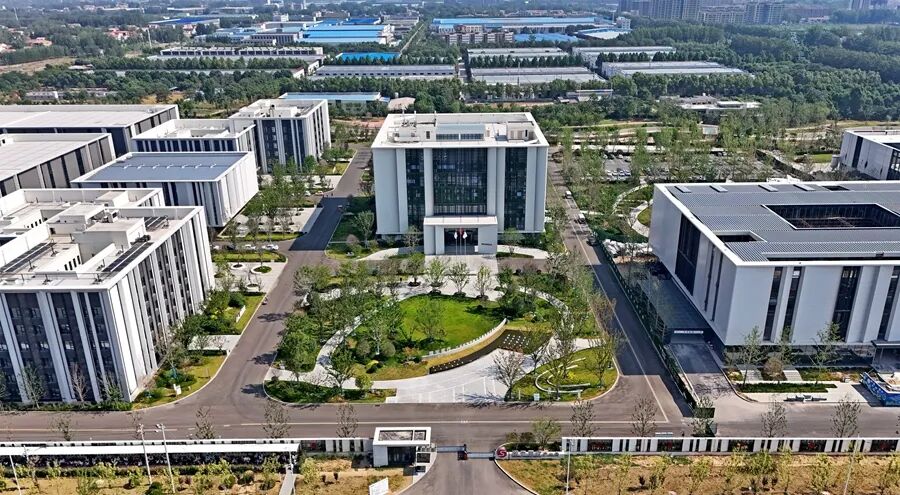
巨头竞逐医疗AI赛道 健康160与京东健康等国内龙头打造中国方案
Zheng Quan Ri Bao Wang· 2026-01-21 04:09
Core Insights - Artificial intelligence (AI) is deeply integrated into the healthcare system, driving high-quality development in the industry [1] - The competition in the medical AI sector is intensifying among internet healthcare companies and tech firms [1] - Companies like JD Health and Alibaba Health are advancing from "single-point tools" to "ecosystem competition" [1] Company Developments - JD Health launched the evidence-based medicine AI tool "ZhiYi" aimed at doctors, which is considered a Chinese version of "OpenEvidence" [1] - Alibaba Health's AI product "Hydrogen Ion" has completed internal testing and is designed to be the lowest hallucination rate AI assistant in the medical field [1] - Health 160 has developed a dual-driven model combining public and private WeChat accounts to enhance digital healthcare services [2] Technological Advancements - Health 160 has tested an AI health steward multi-agent system covering pre-diagnosis, diagnosis, and post-diagnosis scenarios [3] - JD Health aims to evolve internet healthcare into a core engine for precise, personalized, and comprehensive health management [3] - OpenAI's ChatGPT for Healthcare has been deployed in various institutions, emphasizing data integration and personalized experiences [2] Industry Trends - The focus of AI healthcare competition has shifted from "usefulness" to "stable, compliant, and sustainable implementation" [3] - Future trends in China's AI healthcare include a complementary relationship between major players' full-chain layouts and precise niche market cultivation [4] - The industry is expected to transition from a "treatment-oriented" approach to "proactive health" as technology matures [4]

CXO订单预期回升、AI医疗加速C端渗透,港股通医疗ETF易方达(520850)助力把握医疗产业发展机遇
Mei Ri Jing Ji Xin Wen· 2026-01-21 03:03
1月21日早盘,港股医疗板块盘初下探后持续走强。截至10:29,中证港股通医疗主题指数上涨1.4%,成 分股中,微创机器人-B涨超12%,微创医疗涨超4%,阿里健康涨超3%。 消息面上,在2026年1月举办的J.P. Morgan医疗健康大会上,全球药企密集披露前沿研发管线与大额BD 交易,为CXO行业带来明确订单预期。与此同时,AI医疗在C端的渗透正在加速,从智能问诊到慢病管 理的应用场景不断拓展,推动阿里健康、京东健康等港股互联网医疗平台价值重估。 有分析指出,当前医疗板块具备多重投资机会。CXO行业在海外订单回暖和国内产能出清的双重推动 下,景气度持续提升且估值仍具修复空间;医疗器械领域受益于国内设备更新政策支持与海外市场拓 展,脑机接口、AI影像等前沿方向催化不断;互联网医疗则在医保支付改革深化背景下,平台运营效 率持续优化,盈利增长曲线愈发清晰。 中证港股通医疗主题指数从港股通证券范围内选取50只业务涉及医疗器械、医疗商业与服务、制药与生 物科技服务等领域的股票作为指数样本,重点覆盖CXO与互联网医疗等港股特色标的。港股通医疗ETF 易方达(520850)跟踪该指数,可助力投资者精准把握医疗产业创新 ...
国家医保局印发手术辅助操作价格立项指南!手术机器人+AI赋能智能化手术迎新机遇
Mei Ri Jing Ji Xin Wen· 2026-01-21 01:36
Group 1 - The A-share market experienced a collective decline on January 20, with the medical device ETF (562600) falling by 1.30%. However, certain stocks like Hualan Biological (301093) rose by 5.51%, reaching a historical high [1] - On January 20, the National Medical Insurance Administration officially issued guidelines for auxiliary operation projects, standardizing pricing for 37 items and 5 additional charges related to medical technology innovations such as 3D printing and robotic surgery [1] - CITIC Securities anticipates that from 2025 onwards, there will be a significant release of policy dividends in the medical device sector, with innovations like brain-computer interfaces and artificial hearts being included in medical service pricing, thus expanding the application of surgical robots [1] Group 2 - The medical device industry is experiencing robust growth, and the medical device ETF (562600) provides a convenient way to capture growth opportunities, with brain-computer interfaces making up 23.8% of the index it tracks, the highest among listed ETFs [2] - The medical device sector constitutes 89.2% of the ETF, indicating a high concentration that effectively captures growth opportunities in niche markets [2] - Investors can also consider alternative options such as the Huaxia CSI Medical Device ETF Initiated Link A (021250) and Huaxia CSI Medical Device ETF Initiated Link C (021251) for easier investment [2]
早参|国家医保局印发手术辅助操作价格立项指南!手术机器人+AI赋能智能化手术迎新机遇
Mei Ri Jing Ji Xin Wen· 2026-01-21 01:32
Group 1 - The A-share market experienced a collective decline on January 20, with the medical device ETF falling by 1.30%. However, certain companies like Hualan Biological and Aotai Bio saw increases of 5.51% and 2.59% respectively, with Hualan reaching a historical high [1] - On January 20, the National Healthcare Security Administration issued guidelines for auxiliary operation projects, standardizing pricing for 37 items and 5 additional charges related to medical technology innovations such as 3D printing and robotic surgery [1] - CITIC Securities anticipates that from 2025 onwards, there will be a significant release of policy dividends in the medical device sector, with innovations like brain-computer interfaces and artificial hearts being included in medical service pricing, potentially expanding the application of surgical robots [1] Group 2 - The medical device industry is experiencing robust growth, with the medical device ETF tracking the CSI All-Share Medical Device Index, which has a 23.8% allocation to brain-computer interfaces, the highest among listed ETFs [2] - The medical device sector constitutes 89.2% of the ETF, indicating a high concentration that effectively captures growth opportunities in niche markets [2] - Investors can also consider alternative options such as the Huaxia CSI All-Share Medical Device ETF Initiated Link A and C for convenient investment in the sector [2]