宠物经济

Search documents
中红医疗涨3.50%,成交额5671.54万元,今日主力净流入552.62万
Xin Lang Cai Jing· 2026-01-05 07:44
Core Viewpoint - Zhonghong Medical has shown a significant increase in stock price and trading volume, indicating positive market sentiment and potential growth opportunities in the medical device sector [1]. Group 1: Company Overview - Zhonghong Medical specializes in the research, production, and sales of high-quality disposable protective gloves, including nitrile and PVC gloves, with a revenue composition of 89.48% from health protection products, 6.22% from safety infusion products, and 4.30% from innovative incubation products [9]. - The company was established on December 22, 2010, and went public on April 27, 2021, with its headquarters located in Tangshan, Hebei Province [9]. - As of September 30, 2025, Zhonghong Medical reported a revenue of 1.864 billion yuan, reflecting a year-on-year growth of 1.38%, while the net profit attributable to shareholders was -7.21 million yuan, a decrease of 114.13% compared to the previous year [10]. Group 2: Market Position and Strategy - The company primarily focuses on export sales through an ODM direct sales model, where it designs and produces medical devices and consumables for overseas brand owners [3]. - As of the 2024 annual report, overseas revenue accounted for 81.56% of total revenue, benefiting from the depreciation of the Chinese yuan [4]. - Zhonghong Medical is classified as a state-owned enterprise, with the ultimate control held by the Xiamen Municipal Government State-owned Assets Supervision and Administration Commission [5]. Group 3: Product Development and Innovation - The company is collaborating with Guilin University of Technology to develop a multi-layer nuclear radiation protective glove, which includes a chemical protective layer, a white warning layer, and a nuclear radiation protective layer [2]. - At the 12th Beijing Pet Expo, Zhonghong Medical showcased its veterinary infusion pumps, which feature IP34 waterproof design and dual CPU architecture, providing various infusion modes and safety features [2].
佩蒂股份涨2.01%,成交额6211.42万元,主力资金净流入23.97万元
Xin Lang Cai Jing· 2026-01-05 06:29
Group 1 - The core viewpoint of the news is that Petty Animal Nutrition Technology Co., Ltd. has experienced fluctuations in its stock price and financial performance, with a recent increase in stock price but a decline in revenue and net profit year-on-year [1] - As of January 5, Petty's stock price rose by 2.01% to 18.29 CNY per share, with a market capitalization of 4.551 billion CNY and a trading volume of 62.1142 million CNY [1] - The company primarily engages in the research, production, and sales of pet food, with pet food accounting for 98.05% of its main business revenue [1] Group 2 - For the period from January to September 2025, Petty reported operating revenue of 1.089 billion CNY, a year-on-year decrease of 17.68%, and a net profit attributable to shareholders of 114 million CNY, down 26.62% year-on-year [1] - The company has distributed a total of 210 million CNY in dividends since its A-share listing, with cumulative distributions of 84.7318 million CNY over the past three years [2] - Petty is categorized under the agricultural, forestry, animal husbandry, and fishery industry, specifically in the feed and pet food sector, and is associated with concepts such as the pet economy and overseas expansion [1]

宠物上门喂养师:“它经济”升温,新机遇上门
Xin Lang Cai Jing· 2026-01-05 00:10
Core Insights - The pet economy is experiencing significant growth, driven by policy support and emotional demand, leading to new job opportunities in pet care services [1][3][4] - Young professionals are increasingly entering the pet care industry, with a focus on standardizing services and enhancing customer experience [2][3] Group 1: Industry Growth and Trends - The pet economy is being accelerated by government initiatives aimed at boosting consumption, including the promotion of pet-related services [1][3] - Search volumes for services like "dog walking" and "cat feeding" have seen substantial year-on-year increases since 2025, particularly among the 20-35 age demographic [1] - The market for pet-related services is projected to grow significantly, with Zhejiang province aiming for a market size exceeding 30 billion yuan by 2027 [3] Group 2: Professionalization and Standardization - Professionals in the pet care industry are moving towards team-based and specialized service models, enhancing the quality and reliability of care [2][3] - Standardized service processes are being developed to cater to high-demand clients, particularly for premium pet care services [2][3] - Platforms like Didi are entering the pet service market, promoting standardization and professionalization within the industry [4] Group 3: Consumer Behavior and Demand - Pet owners increasingly view their pets as emotional companions, driving demand for personalized and professional pet care services [4] - The rise of flexible employment opportunities in the pet care sector is attracting many young individuals, although there is a need for ongoing professional development to meet industry standards [4]
“宠物+”融合发展,撬动万亿消费市场
Bei Jing Shang Bao· 2026-01-04 23:09
Group 1 - The core viewpoint of the articles highlights the rapid growth of the pet economy, which has transitioned from a niche market to a significant driver of consumer spending, with pet-related products and services becoming essential in various sectors such as home cleaning, health, and entertainment [1][4][8] - Pet consumption is increasingly characterized by "humanization of pet needs" and "petification of human products," leading to innovative products like pet-specific vacuum cleaners and smart pet devices, which are becoming popular among urban pet owners [3][5] - The demand for pet health products is surging, with prescription pet food sales expected to grow by 290% by 2025, and other health-related products also showing significant growth, indicating a shift towards more health-conscious pet ownership [5][6] Group 2 - The pet economy is reshaping household consumption patterns, with pet-related spending becoming a key variable in driving traditional consumer goods growth, as evidenced by government initiatives targeting the pet market [4][6] - The trend of "pet as family member" is leading to increased spending on high-value items such as pet pharmaceuticals and health supplements, with average monthly spending on pet nutrition reaching 85 yuan, a 30% increase year-on-year [6][7] - There is a notable regional variation in pet consumption, with urban areas like Beijing showing higher average spending and a preference for premium pet products, reflecting a nationwide trend towards more refined and functional pet care [7][8]



宠物主福音!仲恺农业工程学院“上新了”
Nan Fang Nong Cun Bao· 2026-01-04 10:04
Core Viewpoint - The article discusses the rise of the pet economy in China, highlighting the challenges in pet healthcare, including a shortage of veterinarians and high drug prices, while also showcasing the initiatives by Zhongkai University to address these issues through education and innovation in veterinary medicine [3][4][5]. Group 1: Pet Economy and Challenges - The pet economy in China has become a trillion-dollar market, with the total number of dogs and cats exceeding 120 million [3]. - The veterinary industry faces a significant gap with only 300,000 practicing veterinarians available, leading to difficulties in pet healthcare [4]. - The high prices of imported pet medications contribute to the challenges faced by pet owners, exacerbating the supply-demand imbalance in the industry [5]. Group 2: Educational Initiatives - Zhongkai University is positioning itself as a talent hub and innovation engine for the pet industry, with plans to train around 100 undergraduate and graduate students annually [18]. - The university's teaching animal hospital will provide students with hands-on clinical experience, moving away from traditional case-based learning [10][12]. - The curriculum includes a focus on practical skills, with students participating in diagnosis, treatment, and case analysis, ensuring they are job-ready upon graduation [20][21]. Group 3: Transparency and Innovation in Veterinary Services - The upcoming Zhongkai teaching animal hospital will implement transparent pricing for all medical services and medications, addressing common pain points for pet owners [33]. - The hospital will offer various treatment packages and free online consultations for minor issues, enhancing accessibility for pet owners [35]. - The establishment of a specialized animal disease diagnostic center will cater to the needs of pet owners with specific animals like ornamental fish and birds, leveraging the university's research strengths [39][40]. Group 4: Research and Development in Pet Pharmaceuticals - Zhongkai University is actively involved in the research and development of pet medications, aiming to reduce reliance on imported drugs and enhance innovation in the field [43][44]. - The university is working on a new vaccine for feline infectious peritonitis, which is currently in clinical trials [45]. - The demand for pet medications is expected to grow, particularly for health management and nutritional support, as pet ownership trends evolve [46]. Group 5: Future Trends and Recommendations - Experts emphasize the importance of establishing standardized pricing in the pet healthcare industry to ensure sustainability and avoid unhealthy competition [52]. - The trend towards specialization in veterinary services is expected to grow, with universities like China Agricultural University leading the way in developing specialized programs [56]. - Young professionals are encouraged to explore diverse career paths within the pet industry, including pharmaceutical development and elderly pet care services [59].

“宠物+”融合发展 撬动万亿消费市场
Bei Jing Shang Bao· 2026-01-04 09:23
Group 1 - The core viewpoint of the articles highlights the rapid growth of the pet economy, transforming pet consumption from a marginal activity to a significant driver of consumer spending, with projections indicating that by 2025, pet ownership will influence various sectors including home cleaning, health, and entertainment [1][3][4] - Pet consumption is characterized by a trend of "humanization of pet needs" and "petification of human products," leading to increased sales of pet-specific appliances such as vacuum cleaners and smart litter boxes, with a notable 65% growth in pet hair vacuum sales in Beijing by 2025 [3][4] - The demand for ornamental pets is rising, as evidenced by a 52% growth in aquarium sales in Beijing, indicating a shift towards pets as companions for visual enjoyment [4] Group 2 - The pet health sector is emerging as the primary growth driver in pet consumption, with pet prescription food sales expected to increase by 290% and therapeutic products by 80% by 2025, significantly outpacing traditional categories [5][6] - The perception of pets is evolving from mere animals to family members, leading to a surge in high-value products such as pet pharmaceuticals and health supplements, with average monthly spending on pet nutrition reaching 85 yuan, a 30% increase year-on-year [6][7] - The pet consumption market is experiencing a shift towards "refined" consumption, with consumers in different cities showing similar preferences for high-quality pet products, indicating a nationwide trend towards functional and health-oriented pet care [7][8] Group 3 - The development of smart technology is expected to create new opportunities and challenges in the pet economy, as the growing pet owner demographic and rising spending levels will lead to more niche markets and opportunities [8]
从规模扩张到生态重构:中国宠物行业的高质量发展路径与未来趋势
Da Gong Guo Ji· 2026-01-04 05:12
Investment Rating - The report indicates that the Chinese pet industry is in a "golden development period" characterized by high growth and resilience, with a projected market size increase from 725 billion CNY in 2015 to 3,598 billion CNY by 2024, reflecting a compound annual growth rate (CAGR) of approximately 20.66% [2][4]. Core Insights - The Chinese pet industry is experiencing significant structural upgrades, with consumption shifting towards high-value areas such as medical care and smart products, driven by increasing pet ownership and consumer spending [1][2]. - The industry is characterized by a younger, highly educated, and middle-to-high-income demographic, with pet ownership becoming an integral part of family life [13][14]. - The report highlights the rapid rise of domestic brands leveraging local innovation and supply chain advantages, with a focus on high-end and global market expansion [1][19]. Market Structure - The market is expanding rapidly, with the urban pet population expected to exceed 124 million by the end of 2024, and average spending per pet increasing significantly [4][5]. - Pet food remains the largest market segment, accounting for 52.8% of total consumption in 2024, with notable growth in medical care spending, which rose from 19% in 2018 to 28% [7][9]. - The penetration rates for various pet categories are increasing, with pet food and medical services showing strong growth potential, while traditional grooming services face challenges [9][12]. Consumer Demographics - The pet consumer base is predominantly composed of individuals born in the 1990s and 2000s, who represent 66.8% of the market, indicating a shift towards younger pet owners [13][14]. - The report notes a significant increase in married pet owners, reflecting a change in the perception of pets as family members rather than mere companions [14][17]. - Online purchasing channels dominate, accounting for 68.1% of pet product sales, while offline channels are preferred for service-related purchases [18]. Industry Chain and Segmentation - The pet industry chain encompasses food, products, and services, with a clear trend towards brand specialization and lifecycle service upgrades [19][20]. - The pet food segment is projected to grow from 157 billion CNY in 2012 to 1,585 billion CNY by 2024, with a CAGR of 21.2%, indicating strong resilience and potential for growth [21]. - The smart pet products market is rapidly expanding, with significant increases in sales for smart feeding devices and health monitoring products [22][23]. Future Trends - The report anticipates a convergence of technology and emotional consumerism in the pet industry, with smart devices enhancing pet care experiences and emotional services becoming more prevalent [28][29]. - Globalization is expected to create new opportunities, with Chinese pet food exports projected to grow significantly, indicating a shift towards international markets [30]. - Cross-industry innovations, such as pet-friendly travel and integrated home designs, are expected to emerge, providing new growth avenues for the pet industry [31].
从马戏之乡到萌宠之都 皖北宿州“掘金”宠物经济
Zhong Guo Xin Wen Wang· 2026-01-03 12:59
Group 1: Industry Overview - The pet consumption market in China is rapidly growing, with an expected urban pet population exceeding 120 million by 2024 and a market size surpassing 300 billion RMB [1] - Suzhou City is actively seizing opportunities in the pet economy, leveraging agricultural resources, cultural characteristics, and geographical advantages [1] - The city has over 80 pet medical institutions and more than 200 pet service, food, and product sales organizations, with a pet population of approximately 500,000 dogs and cats, and nearly 100 million ornamental fish [1] Group 2: Company Developments - Anhui Xianchun Biotechnology Co., Ltd. has fully automated and digitized its production processes in the pet baking food sector, achieving multiple quality management certifications [2] - The company has obtained an export processing registration certificate, establishing a comprehensive system covering research, production, and quality control for national and international market access [2] - Anhui Defeng Hongyi Industrial and Trade Co., Ltd. has grown from a small workshop with over 30 employees to a "pet industry star" with a daily output exceeding 30,000 items and an annual output value of several hundred million RMB [1] Group 3: Market Infrastructure - The Suzhou Flower, Bird, Fish, and Insect Pet Market, established in 2009, has become the largest comprehensive pet trading hub in East China, covering 300 acres and attracting over 10,000 visitors daily [2] - The market features a variety of pets, including common and rare species, with spontaneous "roadside markets" forming alongside fixed shops [2] - The city is recognized as the "Hometown of Circus" in China, with unique animal training and performance techniques being applied to pet training, offering services like "dog math" and "group jump rope" [2] Group 4: Future Projections - The "Implementation Opinions on Accelerating the Development of the Pet Industry in Suzhou City" aims for the pet industry market size to exceed 5 billion RMB by 2027, with the Flower, Bird, Fish, and Insect Pet Market's transaction volume surpassing 1 billion RMB [3]
政企同心聚合力 产业农品双赋能
Xin Lang Cai Jing· 2025-12-31 21:06
Core Insights - The event aimed to build a collaborative platform between government and enterprises to enhance regional development and promote emerging industries alongside traditional agricultural products [1][2] Group 1: Event Overview - The "Innovation and Win-Win Exchange Conference" and "New Year Goods Promotion" were held in Tianjin, organized by the Huaming High-tech Zone and the Huaming Entrepreneurs Association [1] - Representatives from various companies, including Douyin (Tianjin) and Huaming Group, gathered to discuss new cooperation opportunities [1] Group 2: Key Themes and Discussions - The conference focused on "innovation and win-win development," establishing a multi-faceted communication bridge among government, enterprises, and agricultural businesses [1] - The president of the Huaming Entrepreneurs Association shared achievements in platform construction and future development plans, emphasizing resource sharing and collaborative growth [1][2] - Discussions highlighted the pet economy as a key emerging sector, with a series of solid measures proposed for policy support, infrastructure improvement, and deep integration of industry, academia, and research [1][2] Group 3: Collaborative Efforts and Outcomes - Participants actively engaged in discussions about the association's construction, pet economy project cooperation, and agricultural product sales connections [2] - The event facilitated the promotion of high-quality local agricultural products, enhancing market access and brand development [2] - The Huaming Street Party Committee Secretary emphasized the importance of the event in activating market vitality and improving the business environment for enterprises [2]
宠物经济,暴利的烂生意
Tai Mei Ti A P P· 2025-12-31 09:15
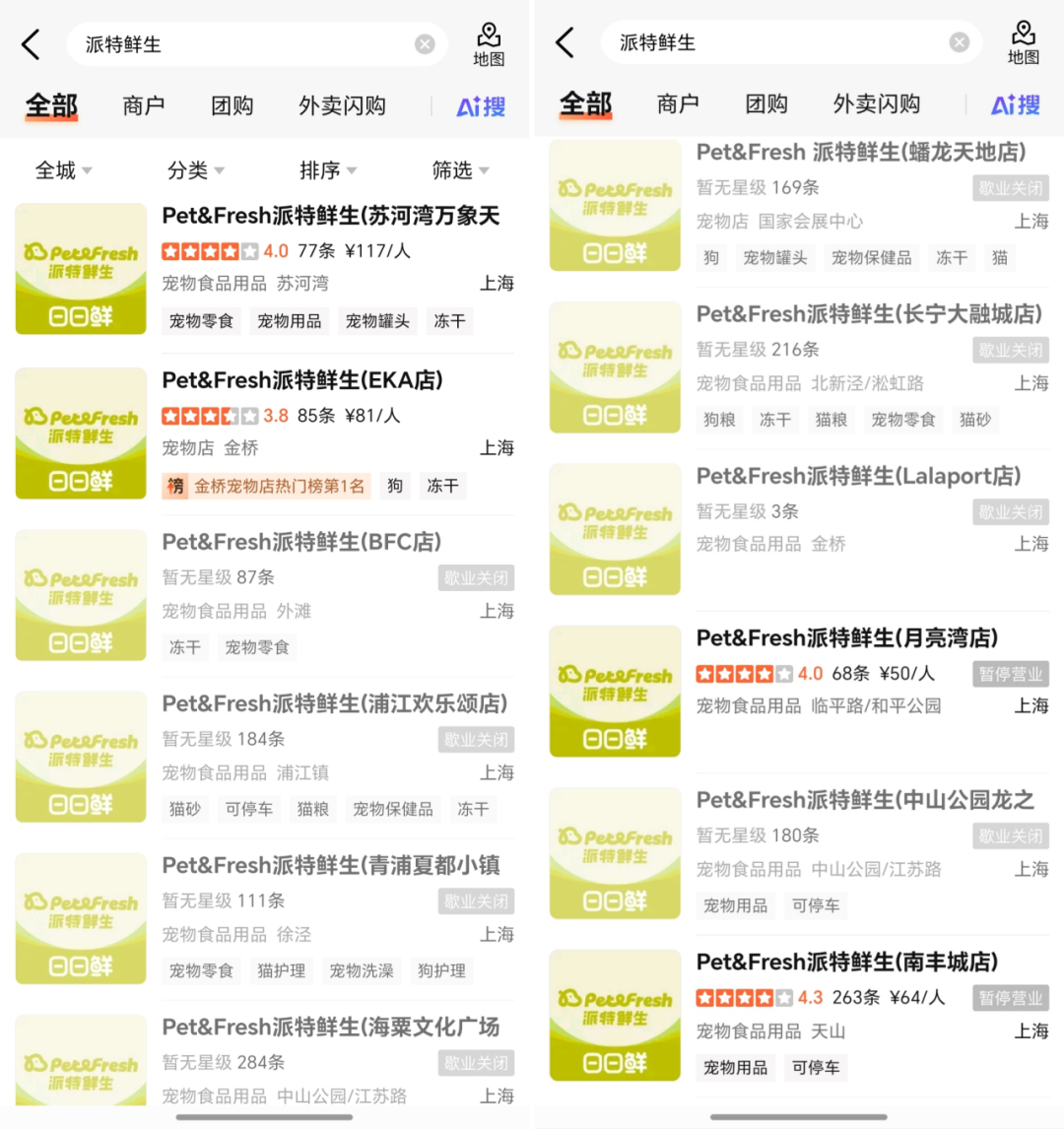
Core Insights - The pet economy, with a market size of 300 billion and gross margins reaching 50%, appears to be a lucrative business, but the reality is more complex and challenging for large companies [1][4]. Group 1: Market Dynamics - Major players like Hema have entered the pet market with high expectations, but have faced significant losses, exemplified by Pet Fresh's closure of 18 stores after just 9 months, with an average monthly loss exceeding 200,000 RMB per store [2][6]. - Despite the high gross margins in pet food, with domestic brands achieving 40%-50% margins, the actual profitability for many companies is low, with some reporting negative net margins [5][6]. Group 2: Cost Structure - The high gross margins in the pet industry are offset by substantial marketing and operational costs, particularly in advertising through KOLs (Key Opinion Leaders), which can consume a significant portion of revenue [8][10]. - Companies like Zhongchong and Peidi have shown that even leading firms struggle with profitability, with Zhongchong's gross margin at 28.16% and net margin at only 9.33% [6][9]. Group 3: Business Model Challenges - The pet economy is characterized by a reliance on personal relationships and trust between pet owners and service providers, making it difficult for large companies to replicate the success of smaller, independent operators [22][23]. - The expansion of large pet service providers often leads to operational inefficiencies and customer dissatisfaction, as seen with companies like Jichongjia, which faced closures after rapid expansion [22][24]. Group 4: Comparison with Other Industries - The challenges faced in the pet economy mirror those in other high-margin industries like beauty and medical services, where the core value often lies in individual expertise rather than scalable business models [14][20]. - The pet industry, much like the beauty and medical sectors, is fundamentally a "people-driven" business, where success is tied to individual skills and customer relationships rather than just operational efficiency [20][23].