
特朗普关税

Search documents
美国参议院否决了推翻特朗普关税的最新提议
news flash· 2025-04-30 23:04
美国参议院否决了推翻特朗普关税的最新提议 周三,美国参议院否决了推翻特朗普一系列关税的最新提议。几小时前,美国政府数据显示,在关税计 划混乱的情况下,美国经济出现了三年来的首次萎缩。旨在阻止特朗普关税的措施以49赞成和49票反对 的投票结果无法获得通过,三名与特朗普决裂的共和党人投了赞成票。 ...
美国商务部长卢特尼克:华尔街对特朗普关税的看法是错误的,因为他们没有看到“全局”。
news flash· 2025-04-29 18:02
美国商务部长卢特尼克:华尔街对特朗普关税的看法是错误的,因为他们没有看到"全局"。 ...
据PUNCHBOWL:亚马逊(AMZN.O)将展示每件产品受特朗普关税影响的成本。
news flash· 2025-04-29 09:23
据PUNCHBOWL:亚马逊(AMZN.O)将展示每件产品受特朗普关税影响的成本。 ...
美国财长贝森特:特朗普关税取决于贸易伙伴们想要什么。
news flash· 2025-04-28 21:06
Core Viewpoint - U.S. Treasury Secretary Becerra stated that the implementation of tariffs by former President Trump will depend on what trade partners desire [1] Group 1 - The decision on tariffs is influenced by the demands and negotiations with trade partners [1]
4月23日电,越南政府称,由于特朗普关税隐现,政府正在寻求更多贸易协议以驱动增长。
news flash· 2025-04-23 02:07
智通财经4月23日电,越南政府称,由于特朗普关税隐现,政府正在寻求更多贸易协议以驱动增长。 ...
美股又崩了,特朗普真急了,美联储却不想背锅 | 京酿馆
Sou Hu Cai Jing· 2025-04-22 10:28
Market Performance - The U.S. market experienced a significant downturn on April 21, with the Dow Jones Industrial Average falling by 971.82 points, a decline of 2.48%, while the S&P 500 and Nasdaq Composite dropped by 2.36% and 2.55% respectively [2] - The U.S. dollar index fell by 1.10% to close at 98.278, marking a 16-month low and the sixth time it has dropped below the 100 mark since the collapse of the Bretton Woods system in 1973 [2] - Long-term U.S. Treasury bonds faced a sell-off, leading to a steepening yield curve, with the ratio of U.S. government bonds to global counterparts hitting a 13-month low, indicating a rapid deterioration in U.S. Treasury performance [2] Institutional Investor Behavior - Institutional investors are strategically divesting from U.S. dollar assets due to the impact of "Trump tariffs," with significant sell-offs in U.S. stocks, dollars, and Treasuries [5] - PIMCO, a major bond management firm, has adopted a "low allocation to dollars" strategy, reducing exposure to U.S. Treasuries while increasing holdings in European, Japanese, and emerging market bonds [5] - Japanese insurance company Fukoku Mutual Life has announced plans to reduce foreign debt holdings and increase purchases of long-term Japanese government bonds, indicating a shift away from U.S. Treasuries [5] Federal Reserve Independence - There are concerns regarding the potential erosion of the Federal Reserve's independence as President Trump pressures for interest rate cuts amid market volatility [3][8] - Trump's attempts to challenge the Fed's independence and possibly remove Chairman Powell face significant legal hurdles, as historical precedents require "just cause" for such actions [8][9] - Even if Powell were to be removed, he would still hold voting rights as one of the seven members of the Fed's board, limiting the impact of any potential removal [9] Economic Implications of Rate Cuts - A potential interest rate cut by the Federal Reserve, while aimed at alleviating economic concerns stemming from tariffs, may not effectively restore confidence in U.S. dollar assets [11][12] - The U.S. Treasury's net interest expenditure for fiscal year 2024 is projected to be $882 billion, which constitutes 3.06% of GDP, exceeding military spending [11] - The ongoing tariff war is expected to increase core inflation rates in the U.S. by 2.5% to 3.5%, with new tariffs potentially raising annual household expenses by 10% to 15% [11][12]

日本转向强硬,美国盟友态度正在起变化
Xin Jing Bao· 2025-04-15 11:38
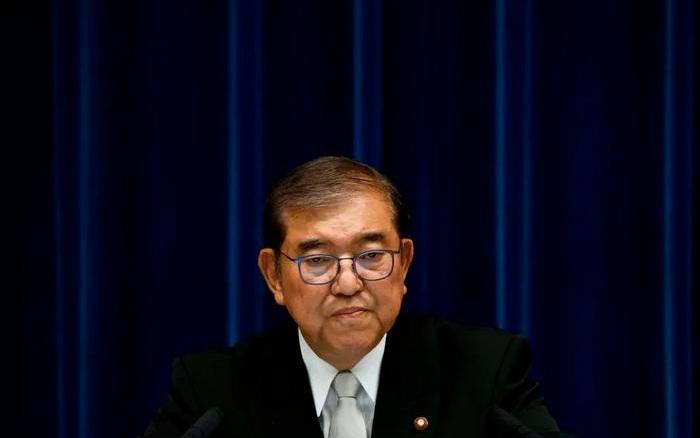
日本首相石破茂。图/新华社 新京报消息,面对反复无常的"特朗普关税",美国的亲密盟友们大多坐不住了。 据央视新闻客户端援引外媒报道,日本首相石破茂4月14日表示,虽然日本不会对美国产品加征关税进 行报复,但在即将与美国政府举行的关税谈判中,日本不打算做出重大让步,也不会急于达成协议。 石破茂4月14日在众议院预算委员会表示,"我并不认同不断妥协、尽快谈拢就是好的做法。"不让步, 不着急,不能不断妥协,这是迄今为止日本对"特朗普关税"作出的最严厉的表态。 然而仅仅在一周前,石破茂还表示,"必须与美国一次性就关税达成协议。"他还称越早与特朗普通电话 越好,同时希望在合适的时间访问美国。 不只是日本态度转为强硬。例如,即将于5月初上台执政的德国候任总理默茨4月12日对媒体表示:"特 朗普的关税政策,正在把下一场金融危机的时间表提前。"针对美国可能退出北约以及退出全球化进程 的担忧,默茨说,"世界上不是只有美国。" 加拿大总理卡尼4月10日就警告说,加拿大正在通过实施反制关税来对抗美国的不合理关税,这些措 施"旨在对美国造成最大程度的痛苦"。最新消息称,一些加拿大的大型基金公司正考虑不再投资更多美 国私人资产,其中包 ...
“特朗普冲击”的最佳对标:1971年的“尼克松冲击”发生了什么?
华尔街见闻· 2025-04-14 10:01
Core Viewpoint - The article discusses the potential economic repercussions of Trump's tariff policies, drawing parallels to Nixon's abandonment of the gold standard in 1971, suggesting that these actions could lead to significant instability in the dollar and the global trade order [1][2]. Group 1: Historical Context - The long-term effects of current tariff policies could mirror the impact of Nixon's decision to abandon the gold standard, which ended the post-war financial framework established with WWII allies [2]. - Nixon's measures, including a 10% import tariff and price controls, failed to achieve their intended goals and instead led to a loss of business confidence and stagflation, contributing to severe inflation in the 1970s [2][10]. Group 2: Market Reactions - As the dollar index has dropped from a high of 110.18 to 100.10, a decline of over 9%, investors are reassessing their strategies, leading to a shift towards gold and physical assets for preservation of value [4]. - There is a noticeable trend of investors moving away from U.S. assets, with a reevaluation of the dollar's status as a reserve currency, indicating a rapid process of de-dollarization [8]. Group 3: Economic Implications - The short-term political tool of tariffs may lead to long-term economic pain, as seen in Nixon's case where the economic shockwaves lasted for decades [10]. - The current financial landscape may react more swiftly to policy changes than in 1971, with the bond market potentially exerting pressure on politicians to alter their strategies more rapidly [12].
特朗普关税严重侵蚀美元的国际地位
Di Yi Cai Jing· 2025-04-13 14:14
Group 1: Economic Impact of Tariffs - The tariffs imposed by Trump are expected to significantly harm the U.S. economy, with the average tariff rate on all imported goods projected to rise from 2.5% in 2024 to 16.5% in 2025, the highest since 1937, leading to an estimated decline in imports by approximately $800 billion [2] - The uncertainty surrounding the tariffs has caused U.S. companies to delay major investment decisions, reflecting a broader hesitation in both corporate and consumer spending due to unpredictable economic conditions [3][4] - Major technology companies, including Apple, Amazon, Meta, Google, and Microsoft, have seen a combined market value loss of $1 trillion as a result of increased costs and supply chain pressures stemming from the tariffs [3] Group 2: Investor Sentiment and Market Reactions - Investor and consumer confidence has been shaken, leading to a cautious approach in capital investments and spending, which in turn has contributed to a slowdown in economic activity [3] - The likelihood of a recession in the U.S. has increased, with JPMorgan raising the probability of a recession in 2025 from 40% to 60%, and other indicators reflecting a similar trend [5] - The U.S. Treasury market has experienced significant sell-offs, with the yield on 10-year Treasury bonds rising sharply, indicating a loss of confidence in U.S. debt as a safe haven [9] Group 3: Dollar's International Standing - The tariffs are undermining the credibility of the U.S. and diminishing global demand for the dollar, particularly as countries like China may seek to reduce their dollar reserves in favor of alternatives like gold [8] - The dollar's dominance in global trade and finance is being challenged, with its share of global foreign exchange reserves at 58% and 64% of global debt denominated in dollars, raising concerns about its future stability [6][7] - The potential for a shift away from the dollar as the world's reserve currency is increasing, as countries may seek alternatives due to the perceived risks associated with U.S. economic policies and political actions [10]