
绿水青山就是金山银山

Search documents
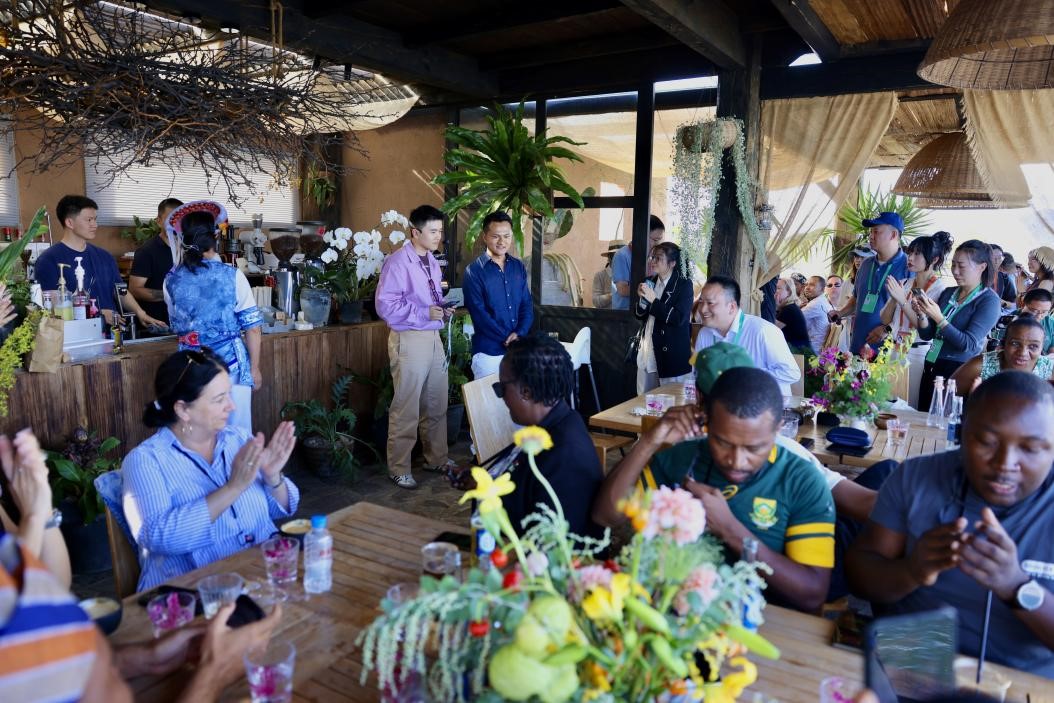
洱海今日谈:我的宝藏,与你分享
人民网-国际频道 原创稿· 2025-09-22 08:18
Core Viewpoint - The story of a local coffee shop, "Xindhi Coffee," in Dali, Yunnan, illustrates the successful integration of entrepreneurship with environmental conservation, highlighting the importance of sustainable development in attracting tourism and enhancing local economies [1][4][6]. Group 1: Company Overview - "Xindhi Coffee" was established in 2021 by a local entrepreneur, Du Jie, who aimed to create a welcoming space for visitors to enjoy the scenic beauty of Erhai Lake [4]. - Initially, the coffee shop struggled with low customer turnout, selling only a few cups of coffee daily [4]. - The shop has transformed into a popular destination, now serving thousands of customers each day and generating significant revenue [6]. Group 2: Industry Context - The rise in visitors to Dali and the success of "Xindhi Coffee" can be attributed to the local government's efforts in environmental restoration, particularly the cleanup of Erhai Lake [6]. - The concept of "green development" has gained traction in China, with Dali implementing strict measures to combat pollution, which has revitalized the area's natural beauty [6][7]. - The coffee shop serves as a model for how local businesses can thrive by aligning with sustainable practices and leveraging the natural environment as a key asset [7].

头屯河重生记:从“头疼河”到“幸福河”
Yang Shi Xin Wen Ke Hu Duan· 2025-09-21 01:46
Core Viewpoint - The transformation of the Toutunhe River, previously known for pollution, showcases a successful environmental restoration effort over ten years, aligning with the principle that "lucid waters and lush mountains are invaluable assets" [2] Group 1: Environmental Restoration - The Toutunhe River underwent systematic governance, resulting in the relocation of 93 polluting enterprises [2] - The ecological river channel was rebuilt, and the green coverage rate increased from 10% to 87% [2] - The project created 653 hectares of forest parks and 1273 acres of ecological water areas [2] Group 2: Community and Recreational Development - Five major themed parks were established, integrating cycling, bird watching, water activities, and cultural leisure [2] - The area has become a popular destination for fitness and nature experiences for both residents and tourists, referred to as the "Tingzhou Ecological Green Valley" [2]
新时代党的治疆方略的成功实践白皮书丨白皮书:新疆高质量发展和高水平开放协同共进
Xin Hua Wang· 2025-09-19 07:15
Core Viewpoint - The white paper released by the State Council's Information Office emphasizes the coordinated advancement of high-quality development and high-level openness in Xinjiang [1] Group 1: Economic Development - Xinjiang is fully promoting high-quality development, with significant enhancement in economic comprehensive strength and multiple indicators achieving historic leaps [1] - The region is planning the construction of "ten networks," including railways, highways, aviation, electricity, natural gas, commercial logistics, and computing power, to accelerate the establishment of a modern industrial system with distinctive advantages [1] Group 2: Ecological Protection - Xinjiang firmly establishes the concept that "lucid waters and lush mountains are invaluable assets," adhering to integrated protection and systematic governance of mountains, waters, forests, fields, lakes, grasslands, and deserts [1] - The region is focused on enhancing ecological security capabilities and levels [1] Group 3: Regional Openness - Xinjiang consciously integrates its regional openness strategy into the national overall layout of westward opening, aiming to build a golden passage between Asia and Europe and serve as a bridgehead for westward openness [1]
宁夏12宗水土保持生态产品“变现”1240万元
Xin Hua She· 2025-09-19 06:12
Core Insights - A special signing ceremony took place in Ningxia Hui Autonomous Region, where village collectives from seven cities and counties signed agreements with twelve enterprises, involving twelve ecological products related to water and soil conservation, with a total transaction amount of 12.4 million yuan [1] - This initiative follows the first carbon credit transaction for water and soil conservation projects in the Yellow River Basin completed in September 2022, continuing the exploration of the "green mountains and clear waters are invaluable assets" transformation path [1] Group 1 - The ecological products involved in the transaction cover various sectors including agriculture, livestock, tourism, and leisure, with a direct transaction amount and mobilized social capital reaching 76.2 million yuan, showcasing a diverse range of transactions in terms of quantity, scope, type, and amount [1] - In 2025, Ningxia plans to select one typical small watershed from each of the seven cities and counties to conduct pilot explorations for the value transformation of ecological products, focusing on 23 indicators across material supply, regulatory services, and cultural tourism [2] - The initiative aims to address challenges related to the measurement, collateralization, trading, and monetization of ecological products, with a systematic approach to promote comprehensive governance of soil erosion through integrated watershed management [2]
生态环境部:2024年联合央行建立绿色金融项目推介机制 首批贷款达143亿元|快讯
Hua Xia Shi Bao· 2025-09-19 06:01
Core Viewpoint - The Chinese government is focusing on high-quality development through ecological environment protection, with a comprehensive policy framework established by the Ministry of Ecology and Environment to promote green productivity and optimize industrial structure [2][3]. Group 1: Policy Framework and Implementation - The Ministry of Ecology and Environment has developed an effective policy system that includes standards, precise regulation, environmental impact assessment (EIA) reform, market mechanisms, and green finance [2]. - During the "14th Five-Year Plan" period, the number of EIAs for high-emission and high-pollution projects has decreased, while those for wind power and new energy vehicles have increased by 44.4% and 31.3% respectively in the first half of 2025 compared to the previous year [2]. - A total of 14,600 EIA documents for high-tech electronic information manufacturing projects have been approved since the beginning of the "14th Five-Year Plan," involving a total investment of 6.28 trillion yuan [2]. Group 2: Traditional Industry Transformation - The Ministry has revised 32 emission standards to guide the green transformation of key industries, resulting in 198 million tons of coking capacity and 110 million tons of cement clinker capacity achieving ultra-low emission upgrades [3]. - Over 2,000 coal-fired boilers have undergone organized emission modifications, showcasing a revitalization of traditional industries [3]. Group 3: Technological Innovation and Green Development - A national platform for ecological and environmental technology achievements has been established, gathering over 5,000 outstanding technological results to support low-carbon development [3]. - Steel companies in Tangshan have adopted new technologies that significantly reduce energy consumption and pollutant emissions, contributing to the largest clean steel production system globally [3]. - In the textile industry, a new dyeing technology using supercritical carbon dioxide has saved 100,000 tons of water annually, avoiding significant wastewater discharge [3]. Group 4: Green Finance Initiatives - More than 100 projects have received financial support since the beginning of the "14th Five-Year Plan," with a total credit amount of 216.4 billion yuan and loans issued amounting to 76.4 billion yuan [4]. - The Ministry of Ecology and Environment, in collaboration with the People's Bank of China, has established a project promotion mechanism for green finance, with initial loan contracts reaching 14.3 billion yuan [4]. Group 5: Urban Environmental Improvement - The Ministry encourages innovative practices for high-quality development and high-level protection, exemplified by the ecological restoration of urban rivers, which enhances urban quality and attracts millions of visitors [5]. - The comprehensive governance of the Liangma River in Beijing has transformed it from a severely polluted waterway to a scenic area, significantly contributing to the city's high-quality development [5].
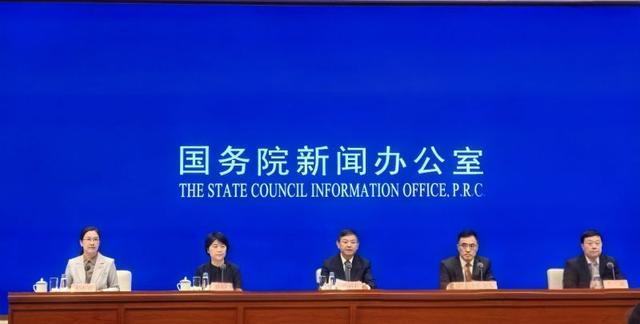
杭州、九龙携手探索跨区域可持续发展新路径
Mei Ri Shang Bao· 2025-09-18 08:18
Group 1 - Zhejiang is a significant birthplace of Xi Jinping's ecological civilization thought and the "Lucid waters and lush mountains are invaluable assets" concept [1] - The exchange group from Ganzi Prefecture, Sichuan Province, visited Hangzhou to learn about rural revitalization and innovative practices [1] - The visit included exploring successful models of ecological governance and cultural tourism integration [1][2] Group 2 - Anji Yucun has transformed from a mining village to an ecological park, showcasing sustainable development through ecological agriculture and tourism [2][3] - Newyu Village transitioned from a polluted fish farming area to a thriving lotus cultivation site, generating significant income [3] - The exchange group observed various successful rural revitalization strategies, providing valuable insights for Ganzi County [3][8] Group 3 - The visit to BrainCo highlighted advancements in artificial intelligence and its applications in healthcare and education [4][5] - The experience included interactive demonstrations of brain-controlled devices, showcasing the potential of technology in everyday life [5] - The group also explored the digital economy's impact on social governance and public services at the Huashu Digital TV Industrial Park [6] Group 4 - The exchange group visited historical sites in Jiaxing to understand the importance of red culture and its role in promoting social harmony and development [7] - The experience emphasized the need for grassroots leaders to learn from historical examples to enhance community engagement [7][8] - Participants expressed confidence in applying lessons learned from Zhejiang's green development model to improve local conditions in Ganzi County [8]
一家之言|绿水青山的五重价值
Zhong Guo Huan Jing Bao· 2025-09-18 03:22
Core Viewpoint - The concept of "Green Water and Green Mountains" embodies a multi-layered value system that extends beyond mere economic wealth to include social justice, cultural heritage, and spiritual well-being [1][2]. Economic Development - The microeconomic level has achieved basic needs fulfillment through the utilization of natural resources, which form the material basis for traditional trade [1]. - At the macroeconomic level, both developed and developing countries recognize that severe environmental pollution and resource overconsumption are bottlenecks to economic growth, necessitating planned utilization of natural environments [1]. Spiritual and Social Values - As material needs are met, there is a growing pursuit of health and comfort, leading to an increased emphasis on a clean and beautiful natural environment as a key consideration for living [1]. - The idea of "Green Water and Green Mountains" transcends material wealth, focusing on mental health, legal rights, and the spiritual aspects of life [1][2]. Environmental Justice and Equity - The interconnectedness of natural ecosystems highlights the importance of green development for achieving common prosperity, benefiting both current and future generations [2]. - The value of "Green Water and Green Mountains" reflects a positive worldview and a balanced lifestyle, emphasizing respect and appreciation for nature while pursuing spiritual fulfillment over material wealth [2].
中国第七大沙漠治理率达40% 实现“更绿的沙漠”
Zhong Guo Xin Wen Wang· 2025-09-18 03:09
Core Insights - The 10th Kubuqi International Desert Forum was held in Ordos, Inner Mongolia, showcasing the transformation of the Kubuqi Desert from a barren landscape to a green area with solar panels [1][3] - The Kubuqi Desert, once referred to as the "Sea of Death," has seen significant ecological restoration efforts over the past 20 years, with a governance rate increasing from 4.6% to 40% [3][4] - The Kubuqi Desert has been recognized as a "Global Desert Ecological Economic Demonstration Zone" by the United Nations Environment Programme, highlighting its successful desertification control practices [3][4] Industry Developments - The Kubuqi Desert's ecological governance has led to the establishment of international cooperation, with Ordos City collaborating with over 20 countries to export smart desertification control technologies [5] - The "Billion Trees Shrub Germplasm Project and Three-Dimensional Photovoltaic Desertification Control Project" was launched in 2023, indicating a commitment to global desertification prevention efforts [3] - The local government is promoting tourism by intentionally leaving some small sand dunes ungoverned to attract visitors, showcasing the beauty of the desert [4]
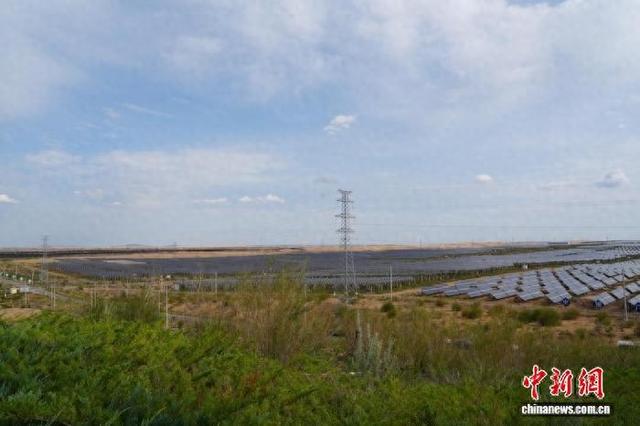
浙西乡村生态富民:茶香漫青山 流泉变“金源”
Zhong Guo Xin Wen Wang· 2025-09-17 06:21
Core Viewpoint - The article highlights the successful integration of ecological protection and economic development in SuZhuang Town, Kaihua County, Zhejiang Province, showcasing the growth of the tea and water industries as a result of sustainable practices and community engagement [1][6]. Group 1: Tea Industry - SuZhuang Town has over 50 tea factories, with one factory producing 20,000 to 30,000 pounds annually, focusing on "Kaihua Longjing" green tea and "Qianjiangyuan Kaimenhong" black tea, generating an annual output value of 40 million to 50 million yuan [2]. - The tea factory owner, Fu Fude, emphasizes the improvement in water and air quality due to ecological protection efforts, which enhances tea quality [1][2]. - The factory has established a "Common Prosperity Workshop" to provide technical services to local tea farmers, promoting organic farming practices [1]. Group 2: Water Industry - The water industry in SuZhuang Town benefits from the clean water sourced from the GuTian Mountain National Nature Reserve, with a local water factory producing 5 million boxes annually, primarily sold in the Yangtze River Delta region [5]. - The water factory owner, Zhao Jianjun, highlights the importance of strict ecological protection measures, which prevent pollution in the area, ensuring the sustainability of the water source [5]. - The water factory also contributes to local employment by providing 30 jobs, increasing the average monthly income of workers by approximately 5,000 yuan [5]. Group 3: Ecological Protection Initiatives - Kaihua County has implemented an "Ecological Police" system with over 3,800 personnel to monitor and protect ecological indicators, ensuring high water and air quality [1][6]. - The establishment of the Qianjiangyuan-Baishanzu National Park Ecological Protection Center in SuZhuang Town integrates various technologies for comprehensive monitoring of the ecological environment [5][6].
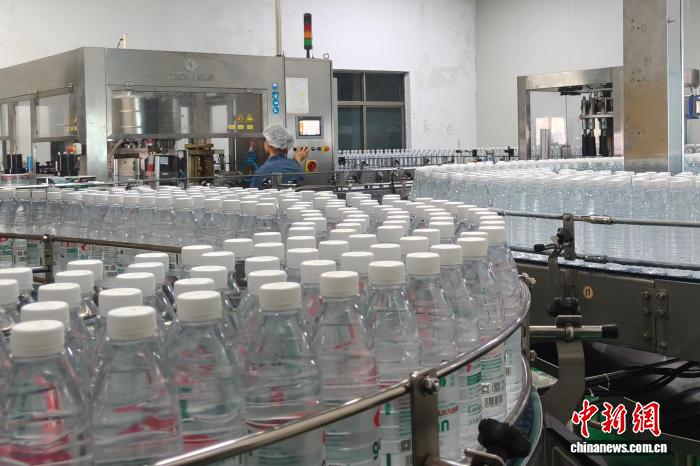
国际代表“点赞”中国治沙成就
Zhong Guo Xin Wen Wang· 2025-09-16 13:14
Core Insights - The article highlights China's significant achievements in desertification control, particularly in the Kubuqi Desert, where vegetation coverage has increased from less than 3% to over 50%, and the frequency of sandstorms has decreased by approximately 90% [1][2]. Group 1: International Recognition - International representatives praised China's desertification control efforts during the 10th Kubuqi International Desert Forum, emphasizing the need for global action against land degradation [1]. - The United Nations Deputy Secretary-General acknowledged the alarming rate of land degradation globally and highlighted China's proactive measures in transforming deserts into productive land [1][3]. Group 2: Historical Context and Achievements - China has shifted from a "desert advancing, people retreating" model to a "green advancing, desert retreating" model, achieving an annual reduction of 10 million mu (approximately 6.67 million acres) of desertified land [2]. - The "Two Mountains" concept, proposed 20 years ago, has guided China's rapid progress in ecological restoration and sustainable development [2][3]. Group 3: Global Impact and Collaboration - China's experience in desertification control, particularly the "Kubuqi model," has been recognized as a global public good, providing valuable lessons for countries facing similar challenges, such as Brazil and Mexico [3][4]. - The collaboration between China and other nations in sharing knowledge and technology for desertification prevention has been emphasized, showcasing China's commitment to global ecological protection [3][4].