
绿色出行

Search documents
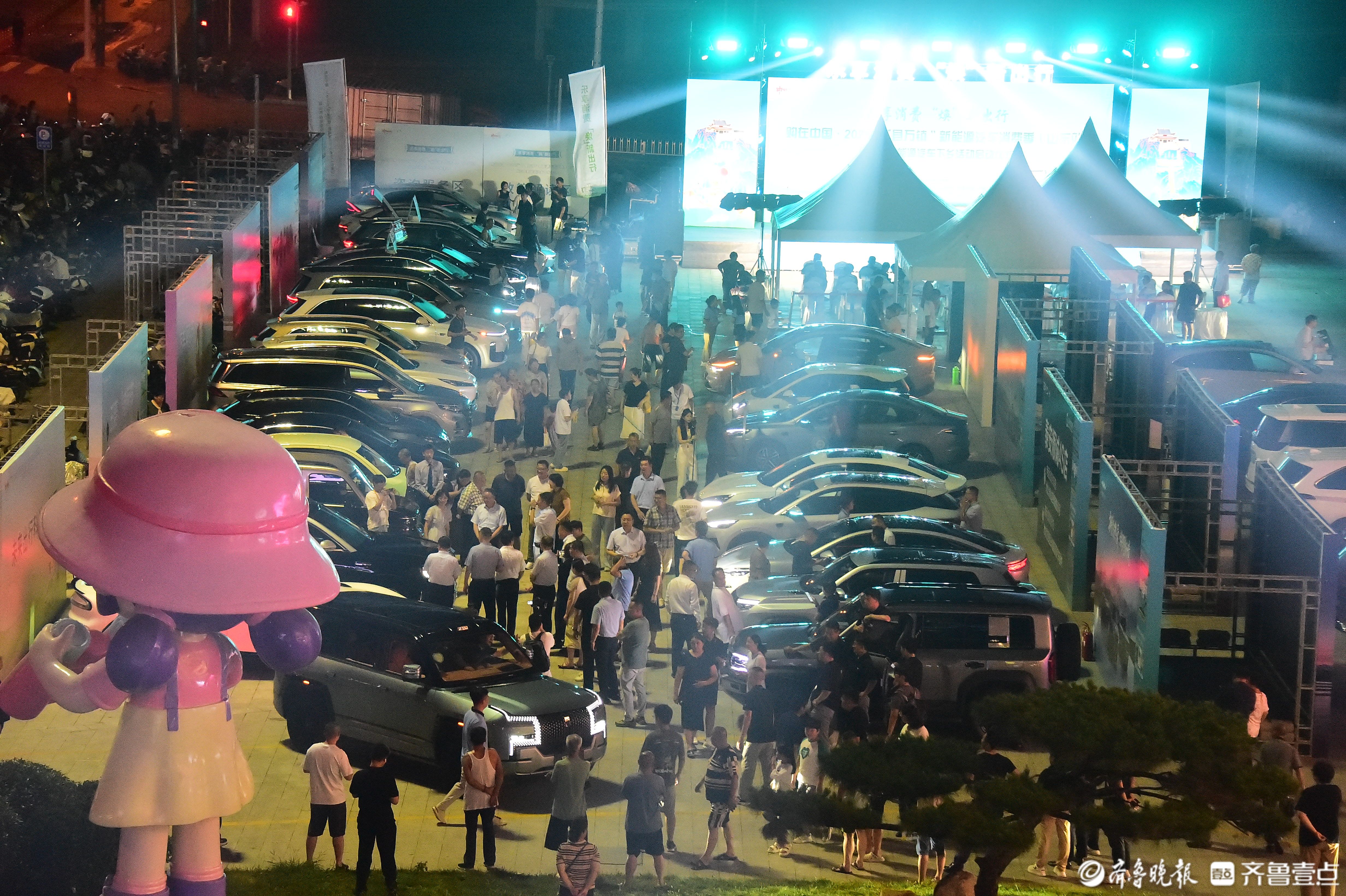
购在中国·2025“千县万镇”新能源汽车消费季(山东站)盛大启动 多品牌优惠政策助力绿色出行“焕”新升级
Qi Lu Wan Bao· 2025-08-15 13:13
Core Viewpoint - The "Purchase in China 2025" campaign aims to boost consumption and expand domestic demand by promoting the sales of new energy vehicles (NEVs) in rural areas of Shandong province, integrating green travel with rural revitalization efforts [1][45]. Group 1: Event Overview - The event was launched on August 15 in Tai'an, Shandong, focusing on the county and township markets to unlock the consumption potential of NEVs [1]. - The theme of the event is "Enjoy Consumption, Renew Travel," driven by a dual approach of policies and activities [1]. Group 2: Organizers and Participants - The event is co-hosted by the Shandong Provincial Department of Commerce and the Dazhong Media Group, with support from local government and media [4]. - Over 50 well-known automotive brands and hundreds of NEV models were present, providing a one-stop shopping platform for consumers [4]. Group 3: Promotional Offers - Major car manufacturers are offering significant discounts and incentives during the event, including trade-in bonuses and financial plans [8][15]. - Tesla is providing a "five-year interest-free" financing option along with an 8,000 yuan insurance subsidy [8]. - BYD is offering a 6,999 yuan benefits package for a 99 yuan deposit, with discounts on various models ranging from 6,000 to 10,000 yuan [15]. Group 4: Policy Support - The event emphasizes the implementation of national trade-in and scrapping subsidy policies, with dedicated areas for policy interpretation and consultation [41]. - The "policy package" includes purchase subsidies, trade-in benefits, and special price models to ensure consumers understand and can easily access the discounts [41]. - Shandong province has seen a leading growth rate in retail sales, with 247,000 vehicle scrapping applications in the first half of the year, indicating strong market activity [41]. Group 5: Future Outlook - The campaign is expected to create a wave of enthusiasm for NEVs across the province, with ongoing efforts to innovate consumption scenarios and implement policies [45]. - The goal is to accelerate the adoption of NEVs in households, contributing to the green economy and rural revitalization [45].

最大载客90人 全新宇威E9PRO还有哪些看点?
第一商用车网· 2025-08-15 03:47
Core Viewpoint - The article highlights the launch of the Yutong Y9PRO, a 9-meter "0" low-floor electric bus, which represents a significant advancement in public transportation, focusing on comfort, accessibility, and technological innovation in response to urbanization and demographic changes [1][18]. Group 1: Product Features - The Yutong Y9PRO addresses market demands by completing Yutong's low-floor product lineup, establishing a full range of low-floor buses from 5 to 18 meters, setting a new benchmark for technological development in the industry [3][18]. - The bus features a spacious interior, high comfort, and advanced intelligence, aiming to provide a green, comfortable, and convenient travel experience for the public [3][18]. Group 2: Power and Efficiency - The Y9PRO is equipped with a self-developed high-efficiency drive motor with a peak power of 200 kW, ensuring speed and torque during acceleration and climbing [4]. - The bus utilizes lithium iron phosphate batteries with capacities of 200.92/208.640/255.000 kWh, significantly enhancing operational efficiency and capable of withstanding extreme weather conditions [4]. Group 3: Design and Comfort - The Y9PRO features a stylish and simple exterior design, with a spacious interior layout that minimizes steps, reducing the risk of passenger injuries [7][9]. - The bus includes safety features such as an airbag and delay dual anti-pinch technology for doors, ensuring passenger safety during boarding and alighting [9]. Group 4: Capacity and Space - The overall dimensions of the Y9PRO are 8990mm in length, 2550mm in width, and 3320mm in height, optimizing internal space utilization compared to similar products [10][11]. - The bus has a maximum passenger capacity of 90, comparable to a 10-meter bus, and features a scientifically designed seating layout with up to 31 seats [13]. Group 5: Safety and Intelligence - The Y9PRO includes comprehensive safety features such as a full protective driver enclosure, anti-misstep pedals, and emergency operation systems to ensure driver safety [15]. - The bus is equipped with advanced intelligent systems, including vehicle networking capabilities, remote diagnostics, and monitoring, enhancing operational management and safety [16].


老旧小区“统建统服”充电桩落地
Mei Ri Shang Bao· 2025-08-13 02:44
Core Viewpoint - The "Unified Construction and Service" public charging pile initiative in Chun'an County addresses the charging difficulties faced by residents in old communities, enhancing convenience for electric vehicle owners and promoting green travel [2][3] Group 1: Project Overview - The first batch of 32 "Unified Construction and Service" public charging piles was officially powered on in the Nanyuan New Village community, significantly alleviating the charging challenges for residents [2] - The initiative was proposed by the State Grid Chun'an County Power Supply Company to systematically resolve the charging issues in old communities through a coordinated approach involving government, power supply enterprises, and residents [2] Group 2: Implementation and Community Engagement - Prior to project initiation, the construction plan and its effects were widely solicited for resident feedback, leading to the formal launch of the "Public Charging Pile Construction in Old Communities" project [2] - A specialized working group composed of power supply and community representatives was established to conduct thorough research in five selected communities, ensuring the chosen locations were convenient for residents and suitable for grid access [2]
成都世运会|开幕式何以“圈粉”?
Xin Hua Wang· 2025-08-08 07:45
Core Viewpoint - The opening ceremony of the Chengdu World University Games on August 7 showcased a blend of local culture, sports, and community spirit, attracting global attention and participation [1][2][6][9]. Group 1: Event Highlights - The opening ceremony took place at the lakeside, integrating urban scenery and sports atmosphere, which is a departure from traditional stadium settings [1]. - The event featured a vibrant fireworks display and performances that highlighted the rich cultural heritage of Chengdu, including elements like the Sanxingdui bronze statue and local artistic expressions [2][3][5]. - Notable athletes, including Olympic champions, served as flag bearers, adding to the excitement of the ceremony [6]. Group 2: Cultural Significance - The performances included traditional cultural symbols and modern artistic expressions, creating a dialogue between ancient and contemporary cultures [2]. - The event emphasized themes of green living and healthy lifestyles, with participants showcasing cycling as a sustainable mode of transport [7]. - The theme song "Wàn Qiān" was performed by children from around the world, symbolizing innocence and a shared global spirit [7]. Group 3: Community Engagement - Local citizens expressed pride in showcasing Chengdu to the world, highlighting the city's charm and inviting visitors to experience its beauty [9]. - The ceremony was described as a perfect farewell for the outgoing president of the International World Games Association, emphasizing its significance on a global stage [9].

荣威M7 DMH:周通勤成本低至7元以下,15万级省王登场
Qi Lu Wan Bao· 2025-08-08 07:03
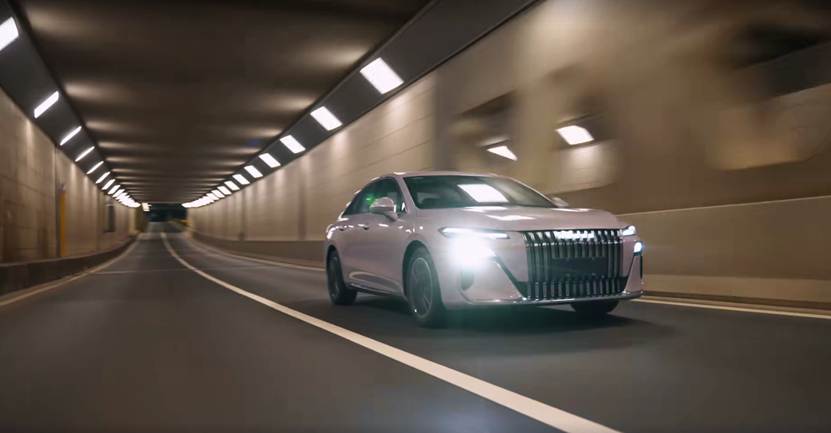
齐鲁晚报·齐鲁壹点 吴海云 荣威 M7 DMH 的优势并非仅局限于续航与油耗,其在外观设计上也尽显旗舰风范。直瀑式威仪前脸以多条双线镀铬 饰条纵向排列,于细节处彰显挺拔身姿与自信气场;矢量光轨晶钻日行灯承袭明珠概念车的家族化美学,在视觉上拓 宽车头,尽显沉稳大气,气场全开;荣耀迎宾光毯如光之羽翼般点亮黑夜,为每一次出行增添专属的仪式感。 除了令人惊叹的超长续航,超低油耗亦是荣威 M7 DMH 的一大显著亮点。其亏电油耗低至 2.91L/100km,这一数据在 同级别车型中处于绝对领先地位。如此低的油耗,不仅意味着在燃油模式下能为用户节省大量开支,也体现了其出色 的能源利用效率,符合当下绿色出行的理念。 这样出众的续航与油耗表现,所带来的经济性优势尤为显著。在日常高频的纯电通勤场景中,按照日均 32km 的典型 通勤频率计算,用户仅需 "一周一充" 便能满足整周的出行需求,彻底告别了频繁充电的繁琐与焦虑。若按谷时电价计 算,纯电模式下的周通勤成本更是低至不到 7 元,极大地减轻了日常出行的经济负担。即便在需要使用燃油的长途出 行中,超低的亏电油耗也能有效控制出行成本,让用户在享受远方风景的同时,也减轻了燃油开支 ...
开放or严管?共享电单车,如何便民不添堵?
Ren Min Ri Bao· 2025-08-04 08:05
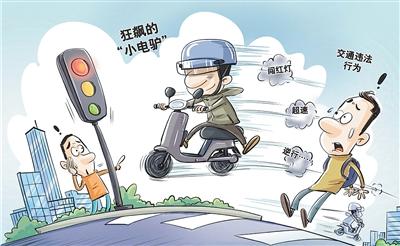
Core Viewpoint - The rapid development of shared electric bicycles (e-bikes) has provided convenience for urban commuting but has also led to issues such as improper parking, safety concerns, and fire hazards [1][3][5]. Group 1: Benefits of Shared E-bikes - Shared e-bikes can effectively address short-distance travel challenges, particularly the "last mile" problem that public transport cannot cover [3][7]. - They are recognized as part of the green transportation system, contributing to low-carbon transport development [7][12]. - The average usage intensity of shared e-bikes is estimated to be 4 to 7 times higher than that of private e-bikes, indicating better resource utilization [7][9]. Group 2: Challenges and Concerns - Issues such as improper parking, safety during riding, and fire hazards from battery storage have been raised by users and local residents [4][5][8]. - The lack of adequate charging infrastructure and the presence of old e-bikes pose ongoing safety risks [8]. - There are concerns about the management of shared e-bikes, including illegal modifications and non-compliance with safety standards [8][9]. Group 3: Regulatory and Management Insights - Local governments are urged to implement stricter regulations and management strategies to address the challenges posed by shared e-bikes [5][10]. - Some cities are exploring the integration of shared e-bikes with public transport to enhance overall efficiency and service coverage [11][12]. - The development of technology, such as electronic fencing for parking, is being utilized to improve compliance and safety [10].
有人呼吁开放,有人呼吁严管——共享电单车,如何便民不添堵
Ren Min Ri Bao· 2025-08-04 05:37
Core Viewpoint - The rapid development of shared electric bicycles (e-bikes) has provided convenience for urban commuting but has also led to issues such as improper parking, safety concerns, and fire hazards [1][2][3]. Group 1: Benefits of Shared E-bikes - Shared e-bikes can effectively address short-distance travel challenges, particularly the "last mile" problem that public transport cannot cover [1]. - They are recognized as a part of the green transportation system, contributing positively to urban mobility and environmental goals [4]. - The average usage intensity of shared e-bikes is estimated to be 4 to 7 times higher than that of private e-bikes, indicating their efficiency [4]. Group 2: Challenges and Concerns - Issues such as disorderly parking, safety of the e-bikes, and fire hazards from battery storage have been raised by users and local residents [2][3][5]. - The current infrastructure for charging and parking is insufficient, with only about 20% of the targeted charging ports in residential areas completed [5]. - The presence of old e-bikes and batteries poses ongoing fire risks, with a significant number of incidents reported [5]. Group 3: Regulatory and Management Insights - Experts suggest that shared e-bikes, when managed by professional companies under government oversight, can be more effectively regulated compared to private e-bikes [6]. - The implementation of new safety standards (New National Standard) for e-bikes is set for September 2025, which will help phase out non-compliant vehicles [5][6]. - Cities are increasingly adopting a more open approach to shared e-bikes, exploring integration with public transport systems to enhance overall urban mobility [7][8][9]. Group 4: Future Outlook - The projected number of shared e-bikes in China is expected to reach approximately 7.13 million by the end of 2024, covering all provinces [8]. - Shared e-bikes are seen as a valuable complement to public transport, particularly in extending service reach and improving efficiency in low-density areas [8][9].
第二届中国品牌汽车海外展览会在智利开幕
Zhong Guo Chan Ye Jing Ji Xin Xi Wang· 2025-08-04 01:00
Core Insights - The second China Brand Automotive Overseas Exhibition recently opened in Santiago, Chile, showcasing over ten Chinese automotive brands, including Chery, Foton, XCMG, and Seres [1] - Chile's Deputy Minister of Transportation, Jorge Daza, highlighted China's role as a key strategic partner in green transportation, with an expectation of approximately 4,400 Chinese-made electric buses operating in the Santiago metropolitan area by early 2026 [1] - More than 40% of the new electric vehicle models certified in Chile between January 2024 and May 2025 are expected to come from China [1] Industry Summary - Chinese automotive brands have successfully entered the Chilean market over the past decade, gaining consumer favor due to advanced technology and excellent cost-performance ratio, leading to a dominant market share [1] - The influence of Chinese automotive brands in the international market is increasing, with a shift towards electrification, intelligence, and connectivity [1] - The cooperation between China and Chile in the field of green development not only provides consumers with more quality choices but also injects new vitality into the Chilean market [1]
共享电单车,如何便民不添堵(金台视线)
Ren Min Ri Bao· 2025-08-03 22:04
Core Viewpoint - The rapid development of shared electric bicycles (e-bikes) has provided convenience for urban commuting but has also led to issues such as improper parking, safety concerns, and fire hazards [1][2][3][4]. Group 1: Benefits of Shared E-bikes - Shared e-bikes can effectively address the "last mile" problem in public transportation, enhancing urban mobility and promoting green development [1][4]. - The average usage intensity of shared e-bikes is estimated to be 4 to 7 times higher than that of private e-bikes, indicating their efficiency in resource utilization [4]. Group 2: Challenges and Concerns - Issues such as disorderly parking, safety of e-bikes, and fire hazards from battery storage have been raised by residents in various cities [2][3][5]. - The national average of residential charging ports is only about 20%, falling short of the targeted 30%, which contributes to the challenges faced by shared e-bikes [5]. Group 3: Regulatory and Management Insights - Experts suggest that shared e-bikes, managed by professional companies under government oversight, have advantages over private e-bikes in terms of compliance and safety [6]. - The implementation of new national safety standards for e-bikes is set for September 2025, which aims to phase out older, less safe models [5][6]. Group 4: Integration with Public Transport - Shared e-bikes can complement public transportation by extending service coverage and improving overall efficiency, particularly in low-density areas [8][9]. - Cities are exploring ways to integrate shared e-bikes with existing public transport systems, enhancing the overall urban mobility framework [8][9].
有人呼吁开放,有人呼吁严管 共享电单车,如何便民不添堵(金台视线)
Ren Min Ri Bao· 2025-08-03 21:50
Core Viewpoint - The rapid development of shared electric bicycles (e-bikes) has provided convenience for urban commuting but has also raised concerns regarding safety, parking, and regulatory challenges [1][4]. Group 1: Benefits of Shared E-bikes - Shared e-bikes can effectively address short-distance travel issues, particularly the "last mile" problem that public transport cannot cover [2][5]. - They contribute to green and low-carbon transportation, enhancing urban mobility options and efficiency for short trips [5][9]. - The average usage intensity of shared e-bikes is estimated to be 4 to 7 times higher than that of private e-bikes, indicating their potential for resource efficiency [5]. Group 2: Challenges and Concerns - Issues such as improper parking, safety hazards, and fire risks associated with battery storage have been reported, leading to calls for stricter management [2][3][6]. - The lack of adequate charging infrastructure and the presence of old e-bikes pose ongoing safety risks, with a significant number of fire incidents reported [6]. - User behavior, including riding without helmets and overloading, has raised traffic safety concerns [3][8]. Group 3: Regulatory and Management Perspectives - Local governments are cautious about the impact of shared e-bikes on urban environments, traffic order, and safety, necessitating comprehensive studies before widespread implementation [4][10]. - Experts suggest that shared e-bikes, managed by professional companies under government oversight, can be more effectively regulated compared to private e-bikes [7][10]. - The integration of shared e-bikes with public transport systems is being explored to enhance overall urban mobility and efficiency [9][10].