
通用人工智能

Search documents
任正非最新讲话:没有网络的算力是信息孤岛 AI重在应用
Zhong Guo Jing Ji Wang· 2025-12-05 03:07
Core Insights - Huawei's CEO Ren Zhengfei emphasizes the importance of youth and their role in shaping the future, encouraging them to embrace change and not fear failure [1][2][3] - The discussion highlights the significance of AI applications in various industries, with Huawei focusing on practical implementations over theoretical advancements [4][5][6] Group 1: AI and Industry Applications - AI is seen as a transformative force in industries such as agriculture and mining, with examples including optimizing furnace efficiency and remote coal mining operations [5][6] - The company is exploring the use of AI in healthcare, enhancing diagnostic capabilities through large models and remote monitoring [6] - AI's impact on productivity is expected to be significant, with predictions that it could reduce the workload of software engineers by 30% to 70% in the future [25] Group 2: Education and Talent Development - The importance of education in fostering talent for technological advancement is emphasized, with a call for a shift towards a more decentralized and accessible education model [10][8] - Huawei supports initiatives to improve IT education in underdeveloped regions, focusing on teaching skills rather than providing direct solutions [7][10] - The company recognizes the need for collaboration between academia and industry to cultivate talent and drive innovation [13][10] Group 3: Future of Work and AI - The potential for job displacement due to AI is acknowledged, with suggestions for re-education programs to help workers transition to new roles [24][25] - The company anticipates a future where AI will be integrated into various sectors, enhancing efficiency and productivity [23][25] - There is a recognition that while AI will automate many tasks, it will also create new opportunities for skilled workers [25][24] Group 4: Global Collaboration and Innovation - Huawei's engagement with international competitions like ICPC is seen as a way to connect with global talent and foster innovation [30][31] - The company values collaboration with educational institutions worldwide to enhance technological development and share knowledge [32][31] - Ren Zhengfei highlights the importance of cultural exchange and learning from global advancements to drive local innovation [29][30]
《练秋湖畔贝壳图书馆漫谈》任总与ICPC主席、教练及获奖选手座谈会纪要
Xin Lang Cai Jing· 2025-12-05 02:39
ICPC主席:首先,非常感谢邀请我们来到这个美丽的园区,这是一个方方面面都非常棒的地方,是一 个广交朋友、一起聚会的好地方。我想对大家表达感谢,给我们提供这样的机会。英语有一个非常好的 词是"together",能够聚在一起,非常感谢! 任总:非常感谢ICPC主席、各位教练、各位年轻的世界金牌获得者。我们认为,我们正处在一个快速 变动的时代,希望在年轻人,你们正放射着青春的光芒。你们是年轻人的榜样,时代的希望是寄托在你 们青年人身上的。 练秋湖畔贝壳图书馆漫谈 ◆以下内容引自2025年11月14日华为任正非先生与ICPC主席、教练及获奖选手座谈会纪要 练秋湖畔贝壳图书馆漫谈 ——任总与ICPC主席、教练及获奖选手座谈会纪要 2025年11月14日上午 Veronika Soboleva:大家早上好!首先,非常感谢任总将ICPC的队伍带到练秋湖这么漂亮的园区,非 常荣幸今天能够来到这里。所有参加的成员都代表ICPC,这一年都非常努力,他们来自超过三十多个 国家和地区,有110多人,包括来自世界各地的教练和参赛获胜者。有一些同事是远程参加,有一些是 现场参加,非常高兴来到这里分享我们的想法,聆听您的洞见。非常感谢 ...


小扎亲自煲汤,硅谷挖人手段又升级了
3 6 Ke· 2025-12-05 02:08
OpenAI首席研究官Mark Chen爆料,硅谷AI人才争夺激烈,Meta首席执行官扎克伯格甚至亲 自烹饪送汤招揽人才。 人工智能企业间的商战某种程度上并不高科技,甚至可能只关乎于一碗汤。 OpenAI首席研究官Mark Chen在一档播客节目中激情爆料,称硅谷现在的AI人才争夺格局已经发生了变 化,Meta首席执行官扎克伯格甚至自己烹饪并亲自送汤来招揽他想从OpenAI挖走的科研人员。 Chen透露自己当时非常震惊,但随后"从善如流"。现在他也会给自己的新员工送汤,并希望从Meta挖 走人才。不过,他不会自己烹饪,而是让硅谷里的一家高档韩国餐厅负责制作。 而由于人工智能行业允许研究人员提前兑现股权,提供特殊的计算资源获取渠道,并许诺员工在人工智 能系统构建方式中的强大影响力,企业很难用当年互联网时期的健身房、免费咖啡等福利吸引人才,因 此,更多的企业家不得不开始提供一些"情绪价值"。 扎克伯格的汤就是一个典型案例。企业高管通过构建亲密方式来招揽员工,以在薪酬和资源上再次加 码,比如送汤的背后意味十分简洁明了:你是重要人才,所以值得我花时间来讨好。 本文来自微信公众号"科创板日报",作者:马兰,36氪经授权 ...

任正非最新发声: 没有网络的算力是信息孤岛 AI重在应用
Sou Hu Cai Jing· 2025-12-05 01:25
Core Points - Huawei's President Ren Zhengfei emphasized the importance of youth, talent, and education during a discussion with ICPC leaders and award-winning participants, highlighting the need for innovation and the application of AI in various fields [1][5][11] - The ICPC (International Collegiate Programming Contest) is recognized as a significant platform for showcasing students' programming skills and innovative thinking [1][6] - Ren discussed the relationship between AI and human society, suggesting that the next 10 to 20 years will be crucial for understanding AI's impact on social structures and human existence [7][10] - The company is focusing on practical applications of AI in industries such as agriculture, mining, and healthcare, aiming to enhance efficiency and safety through advanced technologies [8][10][12] - Ren highlighted the importance of education in fostering talent, stating that a strong educational foundation is essential for a technologically advanced nation [11][12] - The discussion also touched on the need for collaboration between academia and industry to address challenges and improve educational standards globally [11][12][19] Summary by Sections AI and Its Applications - AI is seen as a transformative force in various sectors, with Huawei exploring its applications in areas like mining, healthcare, and autonomous operations [8][10][12] - The company is leveraging AI to enhance operational efficiency, such as optimizing furnace temperatures in steel production and improving safety in mining operations [8][10] Education and Talent Development - Ren emphasized the role of education in nurturing talent, stating that schools should focus on exploring the future while companies should create commercial value [11][12] - The importance of teaching practical skills and fostering innovation in students was highlighted, with a call for educational institutions to adapt to the changing technological landscape [11][12] Collaboration Between Academia and Industry - The need for closer collaboration between educational institutions and industries was discussed, with an emphasis on providing resources and training to improve programming skills in underdeveloped regions [11][12][19] - Ren acknowledged the challenges faced by different regions in achieving educational parity and expressed support for initiatives aimed at enhancing IT education globally [11][12][19] Future Outlook - The discussion pointed towards a future where AI and technology will play a crucial role in societal advancement, with a focus on practical applications rather than theoretical advancements [10][12][24] - Ren expressed optimism about the potential for young people to drive innovation and contribute to societal progress, urging them to embrace challenges and pursue their dreams [11][12][19]

OpenAI,竟然输给了一碗汤?
财联社· 2025-12-04 16:06
以下文章来源于科创板日报 ,作者马兰 科创板日报 . 人工智能企业间的商战某种程度上并不高科技,甚至可能只关乎于一碗汤。 这也反映出该行业内关键的供需矛盾。业内共识,目前能够设计和训练尖端大型语言模型的人才库极其稀少,全球具备独立推进这项技术所 需专业知识的研究人员可能不足1000人。 而由于人工智能行业允许研究人员提前兑现股权,提供特殊的计算资源获取渠道,并许诺员工在人工智能系统构建方式中的强大影响力,企 业很难用当年互联网时期的健身房、免费咖啡等福利吸引人才,因此,更多的企业家不得不开始提供一些"情绪价值"。 OpenAI首席研究官Mark Chen在一档播客节目中激情爆料,称硅谷现在的AI人才争夺格局已经发生了变化, Meta首席执行官扎克伯格甚 至自己烹饪并亲自送汤来招揽他想从OpenAI挖走的科研人员。 Chen透露自己当时非常震惊,但随后"从善如流"。现在他也会给自己的新员工送汤,并希望从Meta挖走人才。不过,他不会自己烹饪,而 是让硅谷里的一家高档韩国餐厅负责制作。 他甚至开玩笑称计划在OpenAI公司外开设烹饪课,以凸显出目前硅谷人才竞争中的荒谬感。但不可否认的是, 硅谷对于AI顶尖研究人才 ...

仙工智能赴港IPO:收入高增却连年亏损 现金流依赖股权融资及银行贷款 主要供应商与客户重叠
Xin Lang Cai Jing· 2025-12-04 09:28
Core Viewpoint - Shanghai XianGong Intelligent Technology Co., Ltd. (hereinafter referred to as "XianGong Intelligent") is seeking to go public on the Hong Kong Stock Exchange, facing significant financial challenges with cumulative losses exceeding 170 million yuan over three and a half years, making this IPO a critical step to overcome funding bottlenecks and a test of its business model sustainability [1][5]. Company Overview - Established in 2020, XianGong Intelligent focuses on its self-developed SRC series controllers, creating a one-stop solution of "controller + software + robot" [6]. - The company has achieved the highest global sales of controllers in 2023-2024, with a market share of 23.6%, serving over 1,600 clients across 35 countries and regions [6]. - From 2022 to 2024, the company experienced a compound annual growth rate (CAGR) of 35.7%, with revenue projected to reach 339 million yuan in 2024, where the robot complete machine business will account for 69.5% of total revenue [6]. Competitive Advantages - The core competitive advantage of XianGong Intelligent lies in its technological barriers, integrating advanced technologies such as VLA algorithms and 3D SLAM navigation, achieving a positioning accuracy of ±2mm [2]. - The company has launched the SRC-5000 series controller, supporting humanoid robots in autonomous decision-making, and holds 174 patents with R&D investment exceeding 20% for three consecutive years, significantly above the industry average [2][6]. Financial Challenges - Despite technological leadership, XianGong Intelligent has not converted this into profitability, with cumulative losses exceeding 170 million yuan from 2022 to the first half of 2025, and significant cash flow volatility [7]. - In 2024, the net cash outflow reached 24.96 million yuan, worsening to -30.517 million yuan in the first half of 2025, driven by high R&D and sales expenses, which accounted for 47.2% of revenue [7]. - The lengthening payment cycle has exacerbated cash flow risks, with trade receivables increasing from 36.86 million yuan in 2022 to 109 million yuan in 2024, and turnover days extending from 48 to 81 days [7]. Supply Chain Risks - The IPO prospectus reveals risks related to supplier concentration and customer overlap, with the top five suppliers accounting for 38.7% of purchases in 2024, and the largest supplier representing 15.8% [3]. - Notably, some customers also act as suppliers, raising concerns about pricing fairness and potential conflicts of interest, which could attract regulatory scrutiny [3]. Market Context - XianGong Intelligent operates in a rapidly growing market, with the global industrial intelligent robot market expected to reach 115 billion yuan by 2029, growing at a CAGR of 35.5% [8]. - The company faces intense competition from foreign giants like KUKA and ABB, as well as domestic peers like Geek+ and Yunji Technology, amid a landscape of technological iteration and price wars [8]. IPO Fund Utilization - The IPO proceeds are intended for AGI technology R&D, global sales network expansion, and supply chain integration, aiming to establish a positive cycle of "technology-scenario-cash flow" [4][8]. - However, the capital market's patience for proving profitability from scale effects is limited, and failure to demonstrate this in the short term may jeopardize the high-growth narrative [4].
人民日报专访科大讯飞董事长刘庆峰
Sou Hu Cai Jing· 2025-12-04 03:55
Core Viewpoint - The article emphasizes the importance of a long-term perspective in the development of artificial intelligence (AI), highlighting the need for companies to focus on their strengths and avoid overextending themselves in various sectors [1]. Group 1: Company Strengths and Market Focus - The company has a strong foundation in intelligent voice recognition technology, which serves as a basis for its development of large language models [3][4]. - The strategy of "AI + Industry" is chosen to ensure that AI applications have tangible benefits and measurable outcomes in various fields such as education and healthcare [4]. - The company aims to optimize its product lines, focusing on areas where it has historical expertise and can meet user needs effectively [6]. Group 2: R&D Investment and Profitability - Despite an increase in revenue, the company experienced a decline in net profit due to significant investments in research and development, which accounted for approximately 20% of sales revenue [6][7]. - The company believes that increasing R&D investment is essential to remain competitive in the emerging era of general artificial intelligence [6]. Group 3: Domestic Capabilities and Innovation - The company emphasizes the importance of using domestic computing power for training large models to avoid reliance on foreign technology and ensure long-term development security [7][8]. - There is a recognition of the existing gap between domestic and foreign computing capabilities, and the company advocates for a commitment to innovation and integration across the AI industry [8][9]. Group 4: Social Impact and Responsibility - The company acknowledges the potential of AI to transform lifestyles and improve productivity, while also addressing the need for social safety nets for workers displaced by AI advancements [14][15]. - It is committed to using AI for social good, providing services to special education schools and assisting hearing-impaired individuals through voice recognition technology [16]. Group 5: Talent Development and Industry Collaboration - The company stresses the need for cultivating interdisciplinary talent who understand both AI and various professional fields to facilitate the application of AI across industries [15]. - It advocates for increased collaboration with private capital to accelerate the transformation of technological achievements into practical applications [15].

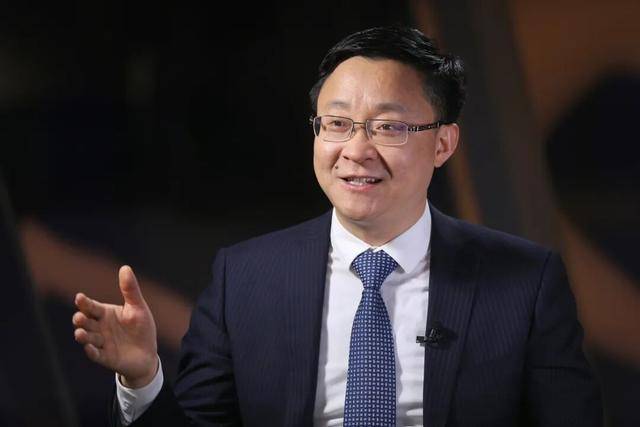
发展AI是不是大厂专利?如何看待增收不增利?人民日报专访科大讯飞董事长
Xin Lang Cai Jing· 2025-12-04 00:13
Core Insights - The company experienced revenue growth last year, but its net profit attributable to shareholders declined, raising concerns about the "increased revenue without increased profit" situation [1] - The decline in profit is attributed to a significant increase in R&D investment, which accounts for approximately 20% of the company's sales revenue [1] - The company emphasizes the importance of long-term investment in R&D to remain competitive in the emerging era of general artificial intelligence [1] Group 1: Company Strategy - The company acknowledges the pressure from declining profits but maintains that other financial indicators are healthy [1] - The chairman highlights the need for a long-term perspective in developing artificial intelligence, indicating that increased R&D spending is essential to avoid being left behind [1] - The company differentiates itself from larger firms by emphasizing agility and the ability to seize opportunities, suggesting that smaller players can also succeed in the AI field [1] Group 2: Technology and Market Position - The chairman discusses the significance of the "Xunfei Spark Large Model" and its domestic attributes, stressing that AI development should leverage domestic computing power for training large models [1] - The company believes that relying on domestic resources is crucial to avoid significant vulnerabilities and ensure long-term development security [1] - The chairman points out that pre-trained large models are the closest technology to human cognitive patterns, underscoring the importance of domestic capabilities in this area [1]
北京市人工智能核心产业规模预计突破4500亿元,以超2500家AI企业
Sou Hu Cai Jing· 2025-12-03 11:52
Core Insights - Beijing's AI industry is projected to exceed 450 billion yuan by 2025, with over 2,500 AI companies and 183 registered large models, establishing itself as the national leader in the sector [1] Policy and Innovation - The growth of Beijing's AI industry is supported by a precise policy framework, including the "Beijing Embodied Intelligence Technology Innovation and Industry Cultivation Action Plan," which prioritizes embodied AI and offers up to 100 million yuan in R&D subsidies for humanoid robot development [3] - The city has introduced a "global service package" for AI companies, facilitating overseas expansion with support in data compliance, intellectual property protection, and cross-border financing, resulting in a 40% year-on-year increase in overseas revenue for AI firms in the first half of 2025 [3] Research and Development - Research institutions in Beijing are pivotal for AI innovation, exemplified by the FlagOS system from the Zhiyuan Research Institute, which significantly reduces the cost of training large models, enabling small and medium enterprises to develop specialized models efficiently [3] - The "Tongtong 2.0" project represents a breakthrough in general artificial intelligence, showcasing capabilities in autonomous perception and decision-making during a live demonstration at the 2025 World Artificial Intelligence Conference [4][5] Industry Ecosystem - The AI ecosystem in Beijing features a tiered structure with leading companies like Baidu and ByteDance providing infrastructure, while smaller firms focus on niche areas, with 40% of national AI financing directed towards these companies in the first half of 2025 [5] - The autonomous driving sector in Beijing has seen significant advancements, with companies like Pony.ai and WeRide forming a closed loop of algorithms, hardware, and real-world applications, exemplified by Pony.ai's Robotaxi service achieving over 10,000 daily orders [5] Global Influence and Standards - Beijing's AI development is influencing global standards, with the city leading the formulation of the "Artificial Intelligence Ethical Governance Guidelines," which has been recognized by the United Nations AI advisory body [6] - The experience of Beijing serves as a model for other cities in China, demonstrating a triad of policy, research, and industry collaboration, as seen in Shanghai and Shenzhen's adoption of similar strategies [6] Future Outlook - As Beijing's AI industry approaches the 450 billion yuan milestone, it is transitioning from a focus on scale to one of value leadership, with expectations of becoming a global beacon for AI innovation, particularly in emerging technologies like general artificial intelligence and quantum computing [6]

推动平台经济创新和健康发展
Jing Ji Ri Bao· 2025-12-02 22:07
Core Insights - The rapid development of artificial intelligence is transforming the platform economy and raising concerns about its healthy development [1] - The platform economy is a crucial link between merchants and consumers, with over 1 billion users across major companies like Tencent, Alibaba, Douyin, and Baidu as of June this year [1] - The platform economy is projected to account for approximately 26.8% of the total retail sales of consumer goods in China, with an estimated online retail sales of about 15.52 trillion yuan in 2024 [1] Group 1 - The platform economy is characterized by digital consumption growth, accelerated industrial internet upgrades, and the rapid digitization of the real economy [2] - It has become a key driver of innovation and a testing ground for cutting-edge technologies, including general artificial intelligence [2] - The emergence of platform-based employment represents a significant new form of employment in the economy [2] Group 2 - Policies such as "Opinions on Promoting the Standardized, Healthy, and Sustainable Development of the Platform Economy" have been introduced to create a vibrant and innovative market environment [2] - However, there are risks associated with platform enterprises, including potential abuse of market dominance, privacy violations, and capital expansion issues [2] - The platform economy exhibits a Matthew effect, where leading companies like Google and Amazon dominate the international market due to their early advantages and global reach [2] Group 3 - Promoting innovation and healthy development in the platform economy is crucial for economic growth, necessitating a balance between development and regulation [3] - Strengthening regular oversight of the platform economy and enhancing data security governance capabilities are essential [3] - A collaborative regulatory framework that integrates online and offline supervision should be established to ensure effective governance [3]