
多边贸易体制

Search documents
中国期货每日简报-20250925
Zhong Xin Qi Huo· 2025-09-25 08:09
Report Industry Investment Rating No relevant content provided. Core Viewpoints - On September 24, equity indices rose while CGB futures fell. Slightly more commodities rose, with energy & chemicals performing stronger [2][9][12]. - China will not seek new special and differential treatment in WTO negotiations, which is an important stance declaration and will promote global trade and investment liberalization and inject positive energy into the reform of the global economic governance system [36]. Summary by Directory 1. China Futures 1.1 Overview - On September 24, equity indices rose while CGB futures fell. Slightly more commodities rose, with energy & chemicals performing stronger [9][12]. - Top three gainers in China's commodity futures were glass (up 4.7% with 0.0% m-o-m open interest change), fuel oil (up 3.7% with 25.3% m-o-m open interest change), and SCFIS(Europe) (up 2.7% with -1.4% m-o-m open interest change). Top three decliners were rapeseed meal (down 3.0% with -0.7% m-o-m open interest change), rapeseed oil (down 1.0% with -6.7% m-o-m open interest change), and soybean meal (down 0.8% with 1.4% m-o-m open interest change) [10][11][12]. - In China's financial futures, equity indices rose (IC and IM up 3.9% and 3.2% respectively), and CGB futures fell (TL down 0.4%) [12]. 1.2 Daily Raise 1.2.1 Glass - On September 24, glass increased by 4.7% to 1237 yuan/ton. The Work Plan for Stabilizing Growth in the Building Materials Industry (2025 - 2026) was issued, regulating cement and glass production capacity [16][19]. - Current actual demand is weak, but there are peak - season and policy expectations. After mid - stream inventory destocking, there may be volatile fluctuations. In the medium - to - long term, market - oriented capacity reduction is needed, and prices are expected to fluctuate downward [17][19]. - On the demand side, off - season demand declined, deep - processing orders edged up m - o - m, and inventory days decreased m - o - m. Mid - and downstream pre - holiday inventory replenishment is expected to lead to inventory destocking this week, but the replenishment may be ending. On the supply side, some production lines are to be commissioned in September, and there are concerns about production line suspensions due to coal - to - natural - gas conversion in the Shahe area [18][19]. 1.2.2 Soda Ash - On September 24, soda ash increased by 2.3% to 1307 yuan/ton. The oversupply pattern remains unchanged, and wide - ranging fluctuations are expected in subsequent operations. In the long run, the price center will move downward to drive capacity reduction [24][26]. - On the supply side, production capacity has not been cleared, and long - term pressure remains. The second phase of the Alxa project was commissioned, but output will take time. On the demand side, heavy soda ash procurement is expected to maintain rigid demand, with stable float - glass daily melting volume and rebounding photovoltaic - glass daily melting volume. Light soda ash downstream procurement has flattened, and downstream inventory - replenishment sentiment is weak [25][26]. - Sentiment disturbs the futures market. With the alleviation of shipment issues and mid - stream inventory accumulation, short - term industrial contradictions are limited, and the futures market mostly follows macro policies [26]. 1.2.3 Coking Coal - On September 24, coking coal increased by 1.2% to 1224.5 yuan/ton. "Anti - involution" is the main policy theme, and market sentiment is unlikely to turn significantly cold as relevant expectations are not falsified [29][31]. - Fundamentally, coal mines are producing cautiously during over - capacity inspections, supply recovery is slow, and there is limited room for further growth. Mid - and downstream sectors have started pre - National - Day inventory replenishment, so prices are expected to fluctuate upward in the short term [29][31]. - On the supply side, coal mine production in producing areas is recovering slowly due to safety supervision, environmental protection, and over - capacity inspections. At the import end, Mongolian coal clearance at Ganqimaodu Port remains high. On the demand side, coke output is high, downstream coke enterprises have started pre - holiday inventory replenishment, and some intermediate links have also started purchasing, reducing upstream coal mine inventories [30][31]. 2. China News 2.1 Macro News - On September 24, the MOFCOM held a press briefing to introduce that China, as a responsible major developing country, will not seek new special and differential treatment in WTO negotiations. This is an important stance declaration and a key measure for China to uphold the multilateral trading system and promote global economic governance reform [36].
商务部:中方已向WTO提交中国关于特殊和差别待遇问题的立场文件
Di Yi Cai Jing· 2025-09-25 07:58
Core Viewpoint - China, as the largest developing country, asserts its right to special and differential treatment in the WTO while committing not to seek new special treatment in current and future negotiations, aiming to promote WTO reform and support global development initiatives [1][5]. Group 1: China's Position in WTO - China's submission to the WTO emphasizes its status as the largest developing country entitled to special treatment, while also highlighting the negative impact of unilateral tariffs imposed by certain countries on the multilateral trade system [1][4]. - The Chinese government has historically accepted fewer special and differential treatments compared to other developing members, demonstrating a commitment to multilateral trade [4]. Group 2: International Response - The international community has responded positively to China's announcement, with WTO Director-General Ngozi Okonjo-Iweala praising China's commitment to a more balanced and fair global trade system [3][6]. - Experts believe that China's decision to forgo new special treatment will facilitate trade negotiations and counteract unfounded criticisms regarding its developing country status [6][7]. Group 3: China's Ongoing Commitment - China maintains its identity as a developing country and continues to support the multilateral trading system, emphasizing its role in global economic governance and cooperation with other developing nations [5][6]. - The country has implemented zero tariffs on all products from least developed countries and is actively pursuing economic partnership agreements to enhance trade relations [5].

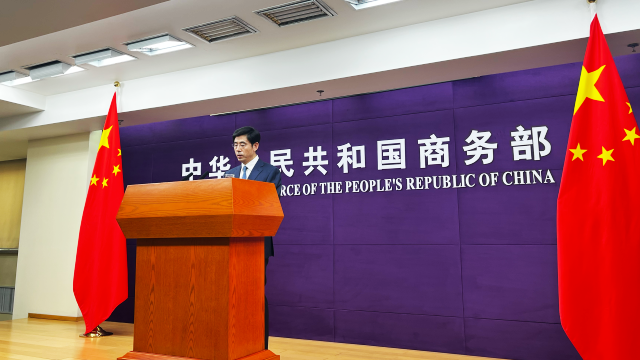
中国在世贸谈判中不寻求新的特殊和差别待遇,要怎样落实?商务部回应
Huan Qiu Wang· 2025-09-25 07:45
【环球时报-环球网报道 记者倪浩】9月25日下午,商务部举行例行新闻发布会。有媒体提问称,当地 时间9月23日,李强总理在出席联合国大会相关活动时表示,中国作为负责任的发展中大国在世贸组织 当前和未来谈判中将不寻求新的特殊和差别待遇。请问中方未来将如何落实这一承诺? 何亚东称,"发展是当今世界的重要主题,这一立场宣示体现了中国作为发展中大国和世界贸易大国的 担当,具有鲜明的发展属性。近年来,中国大力推进高水平对外开放,坚持有序扩大自主开放和单边开 放,为世界发展作出了积极贡献。中国已对所有建交的最不发达国家100%税目产品实施零关税,还在 积极推进通过商签共同发展经济伙伴关系协定,落实对53个非洲建交国实施100%税目产品零关税的举 措。" 他表示,中国仍然是世界上最大的发展中国家,中国发展中国家地位和身份没有改变,中国始终是全球 南方的一员,永远和发展中国家站在一起。中国将一如既往地践行真正的多边主义,支持以规则为基础 的多边贸易体制,并与其他发展中成员站在一起,推动将发展作为世贸组织议程的中心,更好地弥合南 北发展鸿沟,推动完善全球经济治理,建设开放型世界经济。 对此,商务部新闻发言人何亚东表示,李强总理 ...
中国表示在WTO不寻求新的特殊和差别待遇
日经中文网· 2025-09-25 02:34
Core Viewpoint - China, as a developing country, will not seek new special and differential treatment in current and future WTO negotiations, contrasting with the protectionist stance of the Trump administration [2][9]. Group 1: China's Position in WTO - China joined the WTO in 2001 as a developing country and has undergone significant trade reforms, resulting in a trade volume that has expanded approximately 12 times by 2024 compared to when it joined [6][8]. - The decision to not seek new special and differential treatment reflects China's commitment to multilateral trade and its desire to assume a leadership role in global trade, especially in light of rising protectionism from the U.S. [9][10]. Group 2: Implications of China's Decision - Despite not seeking new special treatment, China's actual trade burdens are expected to remain largely unchanged, as criticisms regarding its export subsidies persist [9]. - The Chinese government emphasizes that it will continue to advocate for its rights as a developing country in areas such as climate change and public health, while maintaining its status as the largest developing country [10].
中国在世贸组织当前和未来谈判中不寻求新的特殊和差别待遇彰显发展中大国担当
Ren Min Ri Bao· 2025-09-24 23:22
李成钢说,当前,以规则为基础的多边贸易体制面临严峻挑战,霸权主义、单边主义、保护主义甚嚣尘 上,个别国家接连发起贸易战、关税战,严重损害世贸组织成员正当利益,严重扰乱国际经贸秩序,给 全球经济发展带来不确定性和不稳定性。国际社会对维护多边贸易体制的呼声更加强烈,对世贸组织发 挥更积极作用的期待日益上升。 《 人民日报 》( 2025年09月25日 04 版) 美国当地时间9月23日,全球发展倡议高级别会议上,中方宣布:中国作为负责任的发展中大国,在世 贸组织当前和未来谈判中将不寻求新的特殊和差别待遇。 李成钢表示,中方将一如既往维护多边贸易体制,全面深入参与世贸组织改革和国际经贸规则调整。中 方将坚定与广大发展中成员站在一起,将发展置于世贸组织改革进程中心位置,推动世贸组织达成更多 发展导向型成果,推动全球经济治理体系朝着更加公正合理的方向发展。 "这是中方着眼国际国内两个大局对外作出的重要立场宣示,是中方坚定维护多边贸易体制、积极落实 全球发展倡议和全球治理倡议的重要举措,必将为促进全球贸易投资自由化便利化注入强心剂,必将为 推进全球经济治理体系改革进程注入正能量。"李成钢说。 韩勇说,下一步,中方愿与各方 ...
中国在世贸“将不寻求新的特殊和差别待遇”,中国仍是世界最大发展中国家且始终是全球南方一员
Huan Qiu Shi Bao· 2025-09-24 23:06
Core Viewpoint - China, as a responsible developing country, will not seek new special and differential treatment in current and future WTO negotiations, emphasizing its commitment to multilateral trade systems and global governance initiatives [1][2][4] Group 1: China's Position and Commitment - China's announcement reflects its significant stance in supporting the multilateral trade system amidst rising unilateralism and protectionism [1][2] - The commitment to not seek new special and differential treatment is seen as a move to enhance global trade and investment liberalization [1][2] - China's position is characterized as responsible and stable, showcasing its development stage and commitment to a more equitable international system [2][4] Group 2: International Reactions and Implications - WTO Director-General Ngozi Okonjo-Iweala praised China's decision as a major step for WTO reform, highlighting China's leadership in this matter [2][3] - Analysts suggest that this declaration may ease long-standing tensions between China and the U.S. regarding trade negotiations and could revitalize stalled WTO reforms [2][3] - The statement is viewed as a contrast to the U.S. approach, particularly regarding its obligations to the WTO, indicating China's proactive role in the multilateral trade framework [3][4] Group 3: China's Development Status - Despite its commitment, China maintains its status as the largest developing country, emphasizing its ongoing support for other developing nations' rights to special and differential treatment [2][4] - The decision is framed as a shift from being a rule taker to a rule maker, reflecting China's enhanced capacity to assume greater international responsibilities [4] - China's economic stature as the world's second-largest economy and largest goods trader positions it as a key player in shaping new trade rules [4]
中国在世贸谈判中将不寻求新的特殊和差别待遇
Zhong Guo Qing Nian Bao· 2025-09-24 22:41
Core Points - China announced at the high-level meeting of the Global Development Initiative that it will not seek new special and differential treatment in current and future WTO negotiations, demonstrating its commitment to multilateral trade systems and responsibilities as a major developing country [1][2] - The position and identity of China as the world's largest developing country remain unchanged, and it will continue to stand with other developing nations [1] - This announcement is expected to bring new opportunities and momentum to global economic cooperation, with a focus on promoting common interests and supporting WTO reforms [1] Summary by Sections - **China's Commitment to Multilateral Trade** China emphasizes its unwavering support for the multilateral trade system and is willing to enhance communication and cooperation with all parties to contribute to an open world economy [2] - **WTO Negotiations and Reforms** China aims to push for the inclusion of investment facilitation agreements and e-commerce agreements into the WTO legal framework and seeks practical outcomes from the upcoming 14th WTO Ministerial Conference in March 2026 [2]
中国在世贸谈判中将不寻求新的特殊和差别待遇 外交部:彰显大国担当
Mei Ri Jing Ji Xin Wen· 2025-09-24 16:00
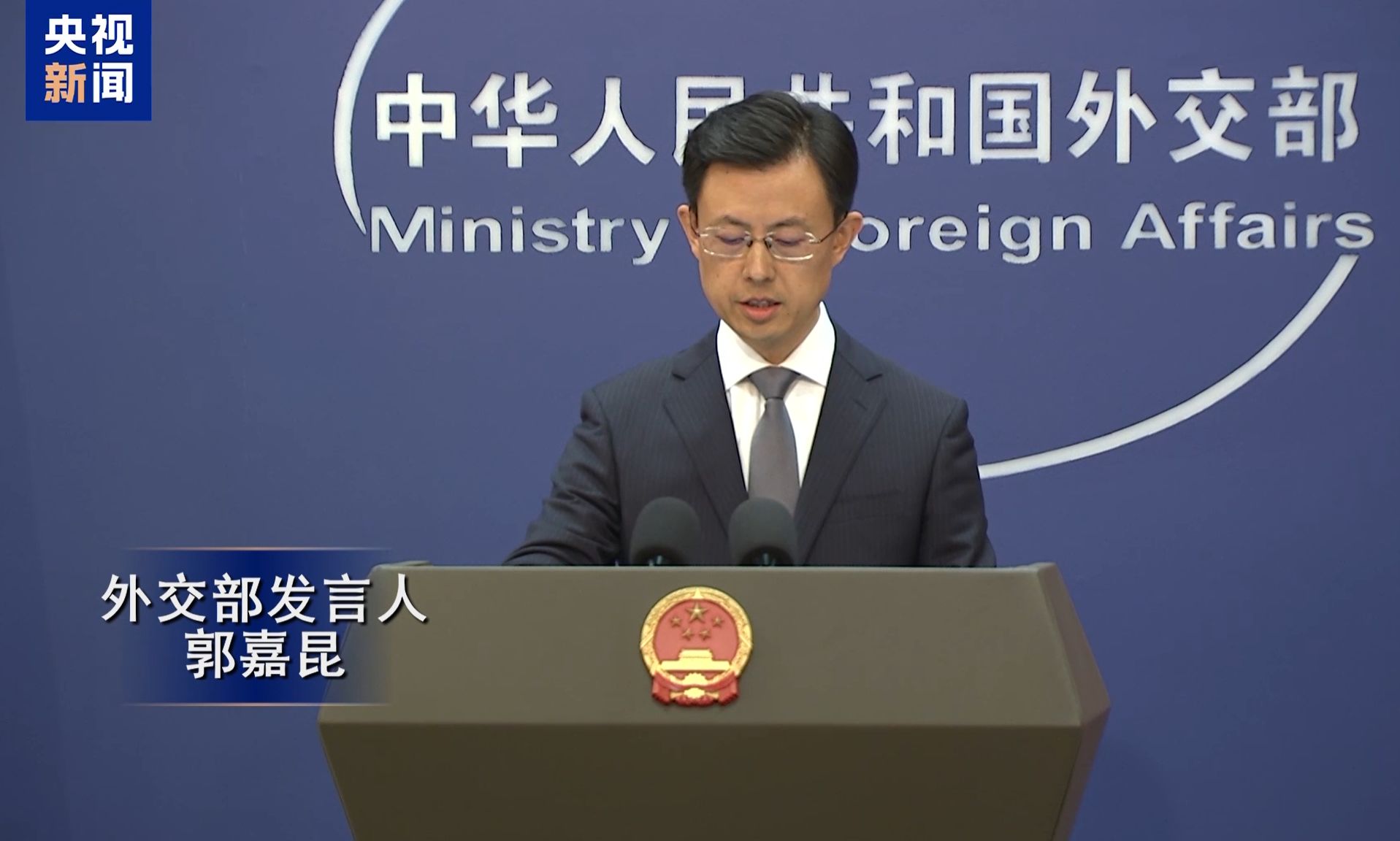
图片来源:央视新闻视频截图 每日经济新闻综合央视新闻 (文章来源:每日经济新闻) 据央视新闻,9月24日,外交部发言人郭嘉昆主持例行记者会,有记者就李强总理在全球发展倡议高级别会议上讲话提问。 郭嘉昆表示,李强总理在全球发展倡议高级别会议上宣布,中国作为负责任的发展中大国,在世贸组织当前和未来谈判中将不寻求新的特殊和差别待遇。这 既是支持多边贸易体制的主动举措,也是中方落实全球发展倡议和全球治理倡议的重要行动。当前,单边主义、保护主义抬头,多边贸易体制和全球经贸秩 序遭受冲击,作为最大的发展中国家,中方上述表态充分彰显负责任大国的担当。 我们将继续坚持高质量发展,扩大高水平对外开放,积极落实四大全球倡议,维护多边贸易体制,积极参与世贸组织的改革进程,捍卫发展中成员正当权 益,推动构建更加公正合理的全球治理体系。 ...
中国关于世贸组织特殊和差别待遇问题怎么看?解读来了!
券商中国· 2025-09-24 15:13
Core Viewpoint - China has announced that it will not seek new special and differential treatment in current and future negotiations at the World Trade Organization (WTO), emphasizing its commitment to multilateral trade systems and global governance initiatives [2][4][5]. Group 1: China's Position and Identity - China's status as the largest developing country remains unchanged, and it continues to identify with the "Global South" [5][6]. - The WTO allows developing members to enjoy special and differential treatment, which includes increased trade opportunities and policy space [4][5]. Group 2: Implications of the Announcement - The decision to not seek new special and differential treatment is seen as a move to maintain the multilateral trade system and facilitate progress in negotiations [8][9]. - This announcement may help alleviate tensions in negotiations where Western countries have previously argued against China's special treatment, potentially leading to more constructive discussions [8][9]. Group 3: Future Actions and Commitments - China will continue to uphold its position as a developing member, defend the rights of developing countries, and promote trade and investment liberalization [6][9]. - Future efforts will focus on opposing unilateralism and protectionism, updating WTO rules, and achieving practical outcomes at the upcoming WTO Ministerial Conference in March 2026 [9].

专家解读 | 中国在WTO谈判中不寻求新的特殊和差别待遇,意味着什么
Di Yi Cai Jing· 2025-09-24 15:04
Core Viewpoint - China, as a responsible developing country, will not seek new special and differential treatment in current and future WTO negotiations, demonstrating its commitment to multilateral trade systems and global governance initiatives [1][5][6] Group 1: China's Position in WTO - China's decision to forgo new special and differential treatment reflects a proactive stance in promoting multilateral trade negotiations and global cooperation [1][3] - The move is seen as a significant declaration of China's support for the multilateral trading system amidst rising unilateralism and protectionism [5][6] - China emphasizes that its status as a developing country remains unchanged, and it will continue to support the legitimate rights of other developing members [8][9] Group 2: Special and Differential Treatment - Special and differential treatment allows developing members to enjoy various benefits in trade negotiations, including increased trade opportunities and technical assistance [2] - Since joining the WTO in 2001, China has actively participated in negotiations while voluntarily limiting its special and differential treatment, often yielding to pressures from other members [3][6] - The decision to not seek new special and differential treatment is intended to alleviate tensions in trade negotiations and counteract criticisms from developed countries [6][7] Group 3: Implications for Global Trade - China's announcement is expected to inject positive energy into the global trade and investment liberalization process, supporting the reform of the global economic governance system [1][5] - The decision is also aimed at enhancing the inclusivity and universality of international trade, addressing the development gap between countries [6][9] - By relinquishing the pursuit of special treatment, China aims to strengthen its negotiating position and contribute more effectively to global economic governance [7][9]