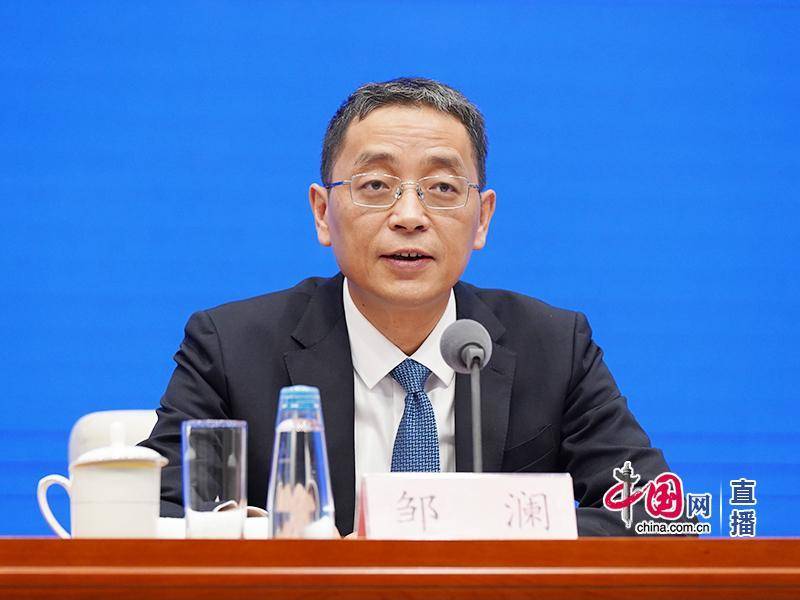
适度宽松的货币政策

Search documents
中国记协举办新闻茶座 解读中央经济工作会议精神
Xin Hua She· 2026-01-15 12:56
Core Viewpoint - The article discusses the insights of Professor Su Jian from Peking University regarding the economic outlook for China in 2026, emphasizing the need for proactive fiscal and monetary policies to address current economic challenges [1]. Group 1: Economic Environment - The external environment for China's economy is becoming increasingly complex, severe, and uncertain [1]. - Despite these challenges, the long-term supportive conditions and fundamental trends for China's economy remain unchanged, providing confidence for development [1]. Group 2: Policy Recommendations - It is essential to implement a more proactive fiscal policy and moderately loose monetary policy as per the Central Economic Work Conference's requirements [1]. - Continuous efforts are needed to prevent and mitigate risks in key areas while focusing on stabilizing employment, enterprises, markets, and expectations [1]. Group 3: Additional Topics - Professor Su Jian addressed questions regarding the aging population and the development of the real estate market [2].
降准降息仍有空间!央行透露2026年货币政策风向
Sou Hu Cai Jing· 2026-01-15 11:44
Core Viewpoint - The press conference highlighted the Chinese government's commitment to maintaining a loose monetary policy to support stable economic growth, reasonable price recovery, and the promotion of consumption and private enterprises in the context of the 14th Five-Year Plan [1][7]. Group 1: Monetary Policy - The People's Bank of China (PBOC) will continue to implement a moderately loose monetary policy in 2026, focusing on stabilizing growth and promoting reasonable price increases [1][3]. - There is still room for interest rate cuts, with the current average statutory deposit reserve ratio at 6.3%, indicating potential for further reductions [3][4]. - The PBOC has noted that the net interest margin for banks has stabilized at 1.42% for two consecutive quarters, which supports the possibility of interest rate cuts [3][4]. Group 2: Structural Policy Measures - The PBOC announced eight new measures aimed at optimizing economic structure, including a 0.25 percentage point reduction in various structural monetary policy tool rates [4][5]. - Specific measures include increasing the quota for agricultural and small enterprise loans by 500 billion yuan and establishing a separate quota of 1 trillion yuan for private enterprise loans [4][5]. Group 3: Exchange Rate Policy - The PBOC emphasized a stable exchange rate policy, asserting that the Chinese yuan will remain stable at a reasonable equilibrium level, with a dual floating mechanism expected to continue [6]. - Approximately 30% of foreign trade transactions are conducted in yuan, reducing the impact of exchange rate fluctuations on trade [6]. Group 4: Foreign Exchange Market Resilience - In 2025, the foreign exchange market transaction volume reached 42.6 trillion USD, with the foreign exchange hedging ratio for enterprises rising to 30%, both historical highs [6]. - The outlook for 2026 suggests a stable foreign exchange market with orderly cross-border capital flows and enhanced resilience [6]. Group 5: Consumer Support Policies - The PBOC plans to enhance financial support for service consumption, including expanding loan support for health and elderly care sectors [7]. - Policies will also focus on improving consumer financing capabilities and optimizing the consumer finance service environment [7]. Summary - The press conference conveyed a clear signal that the monetary and financial policies in the opening year of the 14th Five-Year Plan will maintain a loose stance, focusing on stabilizing total volume, optimizing structure, reducing costs, preventing risks, and promoting openness to support stable economic growth and high-quality development [7].

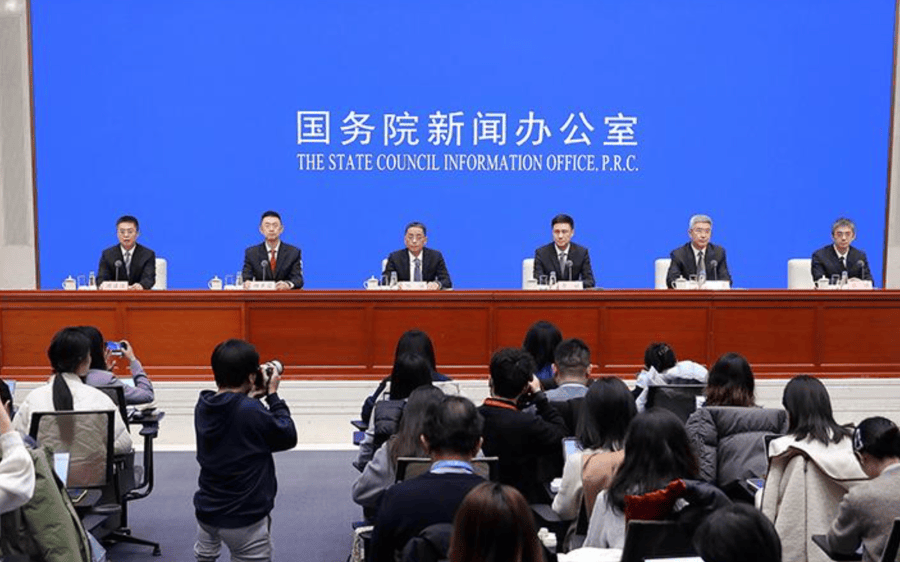
央行透露2026年货币政策风向
2 1 Shi Ji Jing Ji Bao Dao· 2026-01-15 10:48
Group 1: Monetary Policy Focus - The core focus of the monetary policy is to stabilize growth and promote reasonable price recovery, with room for interest rate cuts remaining [1][3] - The People's Bank of China (PBOC) plans to continue implementing a moderately accommodative monetary policy in 2026, enhancing counter-cyclical and cross-cyclical adjustments to support the "14th Five-Year Plan" [1][3] Group 2: Price Level and Inflation - Recent positive changes in China's price levels were highlighted, with the CPI rising by 0.8% year-on-year in December 2025, the highest since March 2023 [3] - The core CPI, excluding food and energy, increased by 1.2% year-on-year, maintaining a growth rate above 1% for four consecutive months [3] Group 3: Structural Policy Measures - The PBOC introduced eight key measures to optimize economic structure, including a 0.25 percentage point reduction in various structural monetary policy tool rates [4][5] - Specific measures include increasing the quota for agricultural and small enterprise loans by 500 billion yuan and establishing a separate quota of 1 trillion yuan for private enterprise loans [4] Group 4: Exchange Rate Stability - The PBOC emphasized a clear and consistent exchange rate policy, maintaining the RMB's stability at a reasonable equilibrium level [6] - Factors supporting the RMB's stability include China's large market size, complete industrial chain, and ongoing domestic demand growth [6] Group 5: Foreign Exchange Market Resilience - In 2025, the foreign exchange market transaction volume reached 42.6 trillion USD, with the corporate foreign exchange hedging ratio rising to 30%, both historical highs [7] - The outlook for 2026 indicates a stable foreign exchange market with orderly cross-border capital flows [7] Group 6: Consumer Support Policies - The PBOC plans to enhance financial support for key service consumption sectors, including hospitality, tourism, and elderly care, through targeted loan policies [8] - Measures will also focus on improving residents' consumption capacity and optimizing consumer finance services [8]
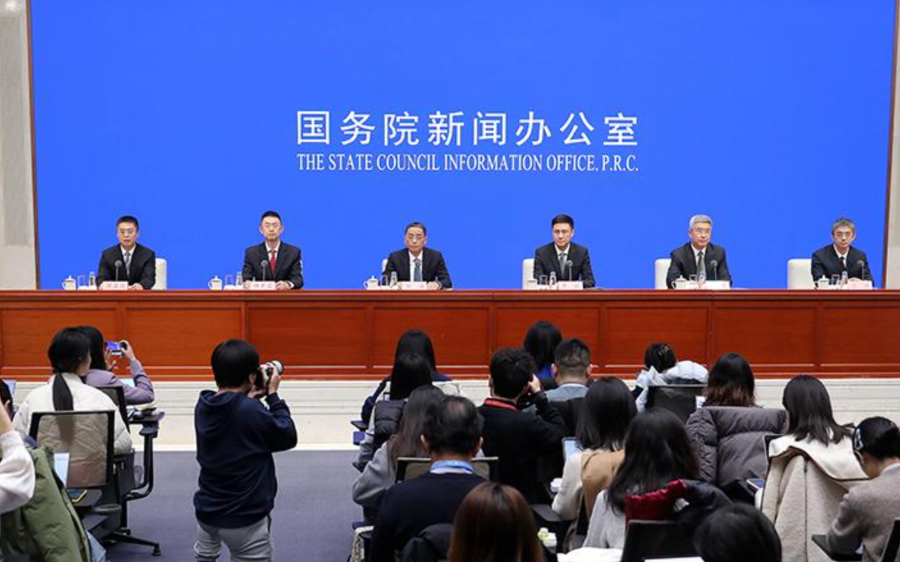
央行将适时把健康产业纳入服务消费与养老再贷款支持领域
Xin Lang Cai Jing· 2026-01-15 10:10
Group 1 - The central bank of China will continue to implement a moderately loose monetary policy to boost consumption and expand domestic demand, creating a suitable monetary and financial environment [1][4] - The monetary policy will focus on enhancing the structural guidance of monetary credit policies to improve the adaptability and effectiveness of financial support for consumption [1][4] Group 2 - Specific measures include enhancing financial support efficiency in key service consumption areas, promoting residents' consumption capacity, supporting genuine consumption financing needs, and optimizing basic services for consumer finance [4] - The central bank plans to include the health industry in the support areas for service consumption and elderly care refinancing once relevant industry authorities clarify the recognition standards [4] - The central bank will encourage financial institutions to increase credit supply in the consumption sector by offering preferential interest rates on refinancing, particularly in sectors closely related to people's livelihoods such as accommodation, catering, cultural tourism, sports entertainment, elderly care, and domestic services [4]
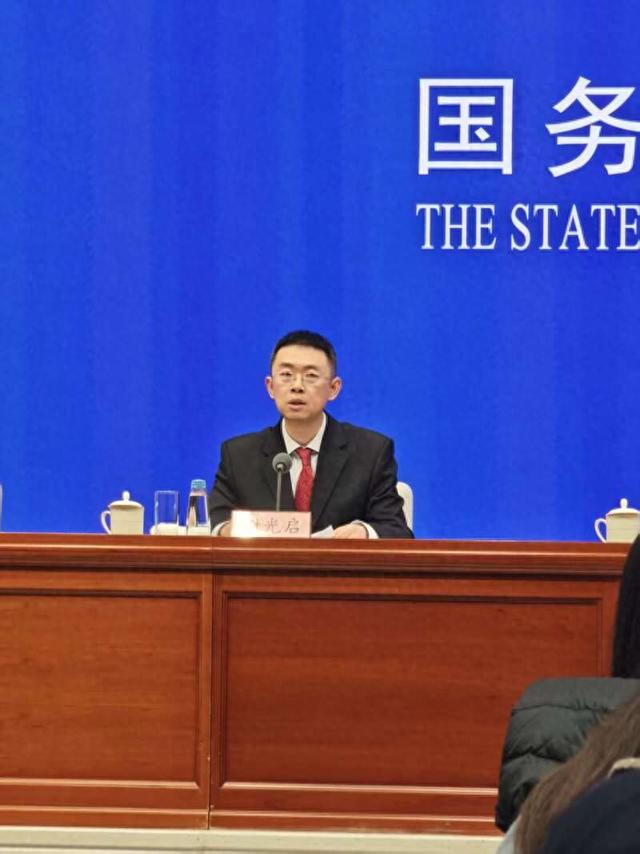
央行:2025年社融规模增量35.6万亿元,M2增长8.5% 继续实施适度宽松的货币政策
Sou Hu Cai Jing· 2026-01-15 09:44
Core Insights - The People's Bank of China has implemented a moderately accommodative monetary policy since 2025, maintaining ample liquidity and supporting the recovery of the economy [3] - By the end of 2025, the social financing scale and M2 money supply in China grew by 8.3% and 8.5% year-on-year, respectively, outpacing economic growth and CPI targets by approximately 1.3 and 1.5 percentage points [3][4] - The total social financing increment for 2025 reached 35.6 trillion yuan, effectively meeting the funding needs of the real economy [3] Financing Structure - Direct financing accounted for 46.9% of the social financing increment, totaling 16.7 trillion yuan, which is 7.8 percentage points higher than the last year of the 13th Five-Year Plan (2020) [4] - Net financing from government bonds was 13.84 trillion yuan, an increase of 2.54 trillion yuan from the previous year [4] - Non-financial corporate bond net financing reached 2.39 trillion yuan, up by 482.5 billion yuan year-on-year, while non-financial corporate stock financing was 476.3 billion yuan, an increase of 186.3 billion yuan [4] - Financial institutions issued 15.91 trillion yuan in RMB loans to the real economy, with off-balance-sheet financing also showing positive growth [4] M2 and Deposits - By the end of 2025, M2 balance was 340.29 trillion yuan, with an 8.5% year-on-year growth, which is 0.5 percentage points higher than the previous month and 1.2 percentage points higher than the same period last year [4] - Total new RMB deposits in 2025 amounted to 26.4 trillion yuan, with household deposits increasing by 14.6 trillion yuan and non-financial corporate deposits growing by 2.3 trillion yuan [5][6] - Asset management products reached a total asset value of 119.9 trillion yuan, growing by 13.1% year-on-year, influencing the deposit structure [6] Future Outlook - The People's Bank of China plans to continue implementing a moderately accommodative monetary policy to align the growth of social financing and money supply with economic growth and price level expectations, providing strong financial support for the "14th Five-Year Plan" [6]
利好来了!商业购房贷款首付降至30%,降准降息还有空间!央行发声,还将推出8大措施
2 1 Shi Ji Jing Ji Bao Dao· 2026-01-15 09:20
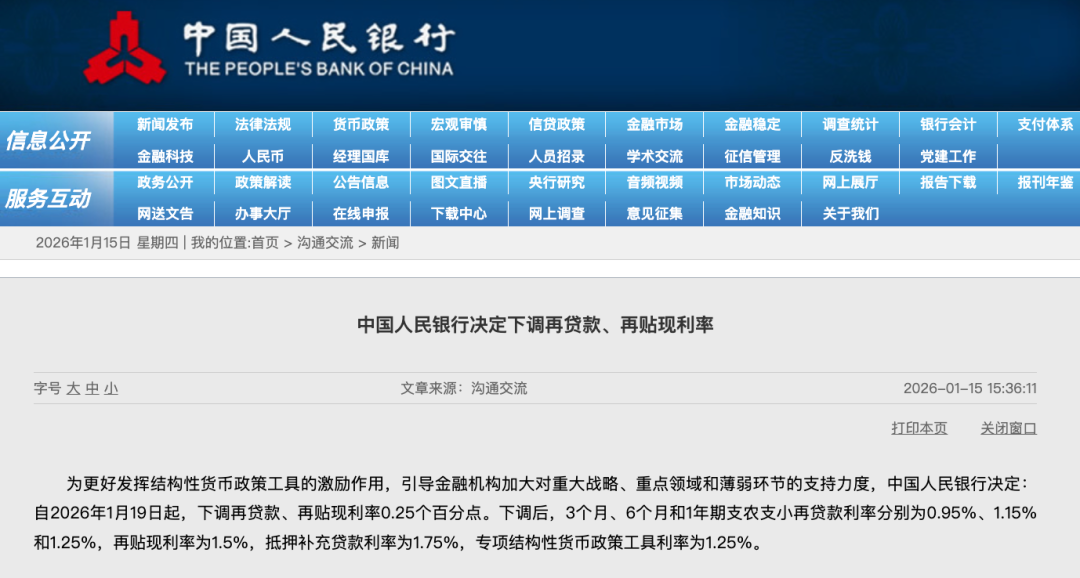
央行表示,为更好发挥结构性货币政策工具的激励作用,引导金融机构加大对重大战略、重点领域和薄弱环节的支持力度,中国人民银行决定:自2026年 1月19日起,下调再贷款、再贴现利率0.25个百分点。下调后,3个月、6个月和1年期支农支小再贷款利率分别为0.95%、1.15%和1.25%,再贴现利率为 1.5%,抵押补充贷款利率为1.75%,专项结构性货币政策工具利率为1.25%。 | | | | 中国人民银行 | | | | | | | | | --- | --- | --- | --- | --- | --- | --- | --- | --- | --- | --- | | | R | | THE PEOPLE'S BANK OF CHINA | | | | | | | | | 信息公开 | 新闻发布 | 法律法规 | 货币政策 | 宏观审慎 | 信贷政策 | 金融市场 | 金融稳定 | 调查统计 | 银行会计 | 支付体系 | | | 金融科技 | 人民币 | 经理国库 | 国际交往 | 人员招录 | 学术交流 | 征信管理 | 反洗钱 | 党建工作 | | | 服务互动 | 政务公开 | 政策解读 | 公 ...
利好来了!商业购房贷款首付降至30%,降准降息还有空间!央行发声,还将推出8大措施
21世纪经济报道· 2026-01-15 09:17
| | S | | 中国人民银行 THE PEOPLE'S BANK OF CHINA | | | | | | | | | --- | --- | --- | --- | --- | --- | --- | --- | --- | --- | --- | | 信息公开 | 新闻发布 | 法律法规 | 货币政策 | 宏观审慎 | 信贷政策 | 金融市场 | 金融稳定 | 调查统计 | 银行会计 | 支付体系 | | | 金融科技 | 人民币 | 经理国库 | 国际交往 | 人员招录 | 学术交流 | 征信管理 | 反洗钱 | 党建工作 | | | 服务互动 | 政务公开 | 政策解读 | 公告信息 | 图文直播 | 央行研究 | 音频视频 | 市场动态 | 网上展厅 | 报告下载 | 报刊年鉴 | | | 网送文告 | 办事大厅 2026年1月15日 昆朗四 我的位置:首页 > 沟通交流 > 新闻 | 在线申报 | 下载中心 | 网上调查 | 意见征集 | 金融知识 | 关于我们 | | | 记者丨 唐 婧 张欣 编辑丨肖嘉 方海平 1月15日盘后,中国人民银行官网发布《中国人民银行决定下调再贷款、再贴现利率》 ...

央行:适时把健康产业纳入服务消费与养老再贷款支持领域
Nan Fang Du Shi Bao· 2026-01-15 09:13
Core Viewpoint - The People's Bank of China (PBOC) is expanding its support for service consumption and elderly re-loans, with plans to include the health industry once relevant standards are established [1][3]. Group 1: Financial Support for Service Consumption - The PBOC aims to enhance the effectiveness of financial support in key service consumption areas, including hospitality, tourism, sports, entertainment, elderly care, and domestic services [3][4]. - A total of 500 billion yuan has been allocated for service consumption and elderly re-loans, with 118.4 billion yuan already disbursed as of the end of November 2025 [3][4]. - The balance of consumer loans, excluding personal housing loans, reached 21.2 trillion yuan by the end of November 2025 [3]. Group 2: Enhancing Consumer Capacity - The PBOC will continue to implement policies that support entrepreneurship and employment for key groups, as well as small and micro enterprises [4][5]. - There is a focus on developing consumer finance to meet diverse and personalized consumer needs, while also lowering financing costs through coordinated financial and fiscal policies [5]. Group 3: Optimizing Consumer Financial Services - The PBOC is committed to improving a diversified payment service system and enhancing payment experiences in key consumption scenarios [5]. - Policies for one-time credit repair will be implemented to improve the consumer finance environment [5].
央行放大招!商业用房购房贷款最低首付比例下调至30%
Nan Fang Du Shi Bao· 2026-01-15 09:08
南都讯 记者潘珊菊发自北京 1月15日,中国人民银行新闻发言人、副行长邹澜在国新办发布会上透露, 会同金融监管总局将商业用房购房贷款最低首付比例下调至30%,支持推动商办房地产市场去库存。 中央经济工作会议明确,2026年要继续实施适度宽松的货币政策,人民银行将按照党中央、国务院决策 部署,加大逆周期和跨周期调节力度,有效支持"十五五"开好局、起好步。 邹澜提到,根据当前经济金融形势需要,人民银行将先行推出两方面政策措施。一方面是下调各类结构 性货币政策工具利率,提高银行重点领域信贷投放的积极性。另一方面是完善结构性工具并加大支持力 度,进一步助力经济结构转型优化。 具体包括以下八项: 一是下调各类结构性货币政策工具利率0.25个百分点。各类再贷款一年期利率从目前的1.5%下调到 1.25%,其他期限档次利率同步调整。 二是将支农支小再贷款与再贴现打通使用,增加额度,并单设民营企业再贷款。合并使用支农支小再贷 款与再贴现额度,增加支农支小再贷款额度5000亿元,总额度中单设一项民营企业再贷款,额度1万亿 元,重点支持中小民营企业。 四是合并设立科技创新与民营企业债券风险分担工具。将此前已经设立的民营企业债券融 ...
央行回应物价关切:多项积极信号显现,继续实施适度宽松货币政策推动物价合理回升
Sou Hu Cai Jing· 2026-01-15 09:06
Core Viewpoint - The People's Bank of China (PBOC) is committed to maintaining a supportive monetary policy to promote reasonable price recovery and support high-quality development of the real economy [1][4]. Group 1: Price Trends - Positive changes in price levels have been observed, with the Consumer Price Index (CPI) rising by 0.8% year-on-year in December 2025, the highest level since March 2023 [3]. - The core CPI, excluding food and energy, increased by 1.2% year-on-year, maintaining a growth rate above 1% for four consecutive months [3]. - The Producer Price Index (PPI) has seen a narrowing decline of 1.7 percentage points from its low in July, with a month-on-month increase for three consecutive months [3]. Group 2: Price Structure and Consumer Behavior - Significant declines in specific categories were noted, such as a 30% drop in pork prices and an 11.7% decrease in transportation equipment prices, influenced by cyclical factors and market supply-demand dynamics [3]. - Conversely, education, culture, and entertainment prices rose by 3.6%, with tourism prices increasing by 14.4%, indicating an ongoing optimization and upgrading of consumer spending structures [3]. Group 3: Monetary Policy and Economic Support - The PBOC has maintained a supportive monetary policy stance, ensuring liquidity remains ample, with financial growth significantly outpacing nominal GDP growth over an extended period [4]. - Future monetary policy will focus on stabilizing economic growth and promoting reasonable price recovery, aligning with the central economic work conference's directives [4]. - The PBOC aims to create a conducive monetary and financial environment for price recovery through integrated effects of incremental and stock policies [4].