AI投资

Search documents
Enlight Renewable Energy .(ENLT) - 2025 Q3 - Earnings Call Transcript
2025-11-12 14:00
Financial Data and Key Metrics Changes - Total revenues and income increased to $165 million, up 46.7% year over year from $113 million [25] - Revenue from electricity sales rose 27% to $139 million compared to $109 million in the same period last year [25] - Adjusted EBITDA grew by 23% to $112 million compared to $91 million for the same period in 2024 [26] - Net income increased by 33% to $32 million compared to $24 million last year [26] - Full-year 2025 guidance for revenue is now expected between $555 million and $565 million, and adjusted EBITDA is expected between $405 million and $415 million, representing increases of 6% and 4.5% respectively [29] Business Line Data and Key Metrics Changes - New projects contributed $22 million to revenues from electricity sales, with significant contributions from Atwisko, Reyes Project, Pupin, and Tapolca [25][26] - Energy storage is identified as a major growth engine, with significant acquisitions in Europe, including the Berdegow project in Germany and the Edison project in Poland [9][10] - The global mature storage portfolio reached 11.8 gigawatt-hours, reflecting an annual revenue potential of $650 million to $700 million once operational [10] Market Data and Key Metrics Changes - Revenue distribution: 47% from Israel, 27% from Europe, and 26% from the U.S. [26] - The company has secured $4.8 billion in project finance and corporate debt over the past 12 months, enhancing financial flexibility [28] Company Strategy and Development Direction - The company aims to triple its business size every three years, with a projected annual revenue run rate of about $2 billion by the end of 2028 [17] - The strategy includes a focus on energy storage to address the growing demand in Europe, particularly in Germany and Poland [9][43] - The company is committed to maintaining a disciplined approach to growth, ensuring strong returns on investments with expected returns on equity above 15% [17][18] Management's Comments on Operating Environment and Future Outlook - Management expressed confidence in the company's ability to navigate challenges and capitalize on market opportunities, particularly in renewable energy [5][16] - The anticipated growth in AI investments is expected to drive unprecedented demand for electricity, positioning renewable energy as a key solution [16] - The regulatory environment is improving, with favorable developments expected to support growth [17] Other Important Information - The company has made significant progress in securing eligibility for federal tax credits, with over 9 gigawatts of projects safe-harbored [22] - The Snowflake A project in Arizona reached a financial close of $1.5 billion, marking a significant milestone for the company [11][27] Q&A Session Summary Question: How did solar and wind resource availability compare to typical seasonal assumptions? - Management noted additional wind in some Israeli assets and solar performance was in line with expectations, with extra revenue from battery storage projects [30] Question: What enabled the acceleration in safe harboring projects? - The strategy involved significant physical work both onsite and offsite, allowing the company to complete the 9-gigawatt safe harboring target ahead of schedule [31][32] Question: What are the growth rates expected for operating capacity moving forward? - Continued growth is expected, with a build-out of projects safe-harbored between 14-17 gigawatts, and the company is prepared to manage interconnection and permitting risks [33][34] Question: Can you discuss the EBITDA guidance and long-term targets? - The company aims for project-level EBITDA to be above 70%, with adjustments on the corporate side affecting overall margins [38] Question: What is the current exposure to India tariffs and mitigation strategies? - The company is focused on sourcing PV cells from countries not subject to ongoing investigations, providing flexibility to mitigate country-specific risks [39] Question: Are the recent acquisitions in Europe part of a new strategy? - The acquisitions are part of a diversified approach, allowing the company to grow consistently across different regions and technologies [41][42]

段永平方略访谈:从如何选公司,到如何教孩子 | 50条核心干货
雪球· 2025-11-12 13:00
Group 1: Investment Insights - Cheap things can become cheaper [3] - Investment is simple but not easy; understanding a company's business and future cash flow is crucial [4] - Most retail investors lose money in both bull and bear markets, with about 80% experiencing losses [12] Group 2: Corporate Culture - Corporate culture is significantly influenced by the founder; finding people who resonate with the culture is essential [6] - The concept of a "not-to-do list" evolves through experience and lessons learned [7] - Trust and transparency within the company foster a strong culture [19] Group 3: Corporate Management - Decision-making as a CEO should not be influenced by what predecessors would do; focus on current responsibilities [22] - Trust in partners is vital, and it is important to not fear their mistakes [23] - Founders often struggle to leave their companies due to emotional attachment [27] Group 4: Understanding Companies - The speaker primarily invests in three stocks: Apple, Tencent, and Moutai [37] - Apple avoids products that do not add sufficient value to users, reflecting its strong corporate culture [38] - Moutai's unique flavor and consumer recognition are critical to its brand identity [48]





Enlight Renewable Energy .(ENLT) - 2025 Q3 - Earnings Call Transcript
2025-11-12 12:00
Financial Data and Key Metrics Changes - Total revenues and income increased to $165 million, up 46.7% year over year from $113 million [29] - Adjusted EBITDA grew by 23% to $112 million compared to $91 million for the same period in 2024 [32] - Net income rose by 33% to $32 million from $24 million last year [31] - The company raised its full-year 2025 guidance, now expecting revenues between $555 million and $565 million, and adjusted EBITDA between $400 million and $415 million, representing a 64.5% increase for both metrics [34] Business Line Data and Key Metrics Changes - Revenues from electricity sales rose 27% to $139 million, driven by new operational projects [29] - New projects contributed $22 million to revenue from electricity sales, with significant contributions from Atrisko, Israeli projects, and Pupin [30] - The energy storage segment is highlighted as a major growth engine, with a global mature storage portfolio reaching 11.8 gigawatt hours, projected to generate annual revenues of $650 million to $700 million once operational [10] Market Data and Key Metrics Changes - Revenues and income distribution: 47% from Israel, 27% from Europe, and 26% from the U.S. [30] - The company is expanding its presence in Europe, particularly in energy storage, with acquisitions in Germany and Poland [9][60] Company Strategy and Development Direction - The company aims to triple its business size every three years, with a focus on disciplined growth and strong returns on investments [15][19] - The strategy includes diversifying across geographies and technologies, with a commitment to maintaining profitability [19][62] - The company is positioned to capitalize on the growing demand for renewable energy, particularly in the context of AI investments and improving regulatory environments [16][17] Management's Comments on Operating Environment and Future Outlook - Management expressed confidence in the company's growth trajectory, citing strong market fundamentals and a robust project pipeline [19] - The company anticipates continued growth in operating capacity, with expectations for a similar growth rate as seen in previous years [42] - Management highlighted the importance of mitigating risks related to interconnection and permitting as the company expands its project portfolio [42] Other Important Information - The company secured approximately $4.8 billion in project finance and corporate debt over the past twelve months, enhancing its financial flexibility [11][34] - The Snowflake A project in Arizona is noted as the largest project in the company's history, with expected revenues of approximately $130 million in its first full year of operation [11][12] Q&A Session Summary Question: How did solar and wind resource availability compare to typical seasonal assumptions? - Management noted additional wind in Israeli assets and solar performance was in line with expectations, with battery storage projects contributing additional revenues [37][38] Question: What enabled the acceleration in safe harboring projects? - The strategy included significant physical work both on-site and off-site, allowing for the completion of safe harbor requirements ahead of schedule [40] Question: What are the expected growth rates of operating capacity moving forward? - Continued growth is expected, with a focus on prioritizing projects and mitigating risks associated with interconnection and permitting [42][43] Question: Can you discuss the current India tariff exposure and mitigation strategies? - The company is sourcing PV cells from countries not subject to ongoing investigations, providing flexibility to mitigate country-specific risks [53] Question: Any updates on changes or strategies since the new CEO joined? - The CEO reaffirmed commitment to the existing strategy, emphasizing diversification and diligent execution to maintain growth rates [62]
软银回应为何清仓英伟达
是说芯语· 2025-11-12 06:35
Core Viewpoint - SoftBank's recent decision to liquidate its entire stake in NVIDIA has raised significant market attention, resulting in $5.83 billion in cash. The firm also reduced its stake in T-Mobile, generating $9.17 billion [1][3]. Group 1: SoftBank's Investment History - In 2017, SoftBank acquired nearly 5% of NVIDIA for $4 billion, becoming one of its major shareholders [3]. - In 2019, SoftBank sold all its NVIDIA shares for $7 billion, missing out on a potential gain that could have exceeded $240 billion today [3]. Group 2: Recent Investment Activities - Since last year, SoftBank has aggressively increased its investment in NVIDIA, raising its holdings from $1 billion in Q4 of last year to approximately $3 billion in Q1 of this year before the recent liquidation [3]. - NVIDIA's founder, Jensen Huang, has also been selling shares, having cashed out over $1 billion since June [3]. Group 3: Financial Strategy and Future Investments - SoftBank's CFO, Yoshimasa Goto, indicated that the sale of NVIDIA shares was to raise funds for significant investments in OpenAI, with an additional $22.5 billion planned following OpenAI's restructuring in December [3]. - For the period from April to September, SoftBank reported investment gains of 3.92 trillion yen, with 2.15 trillion yen attributed to the rising valuation of OpenAI [3]. - Goto mentioned that it is currently unclear whether AI investments are becoming "bubble-like," emphasizing the importance of maintaining financial stability while seizing investment opportunities [3].


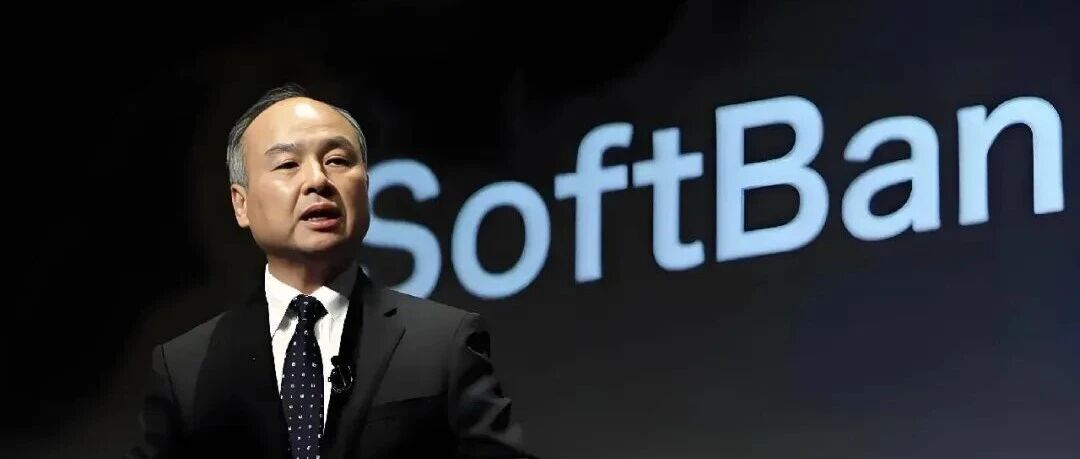
孙正义出手!软银清仓英伟达押注OpenAI,英伟达跌近3%
Sou Hu Cai Jing· 2025-11-12 04:33
Core Insights - SoftBank Group has sold its entire stake in Nvidia, cashing out $5.83 billion, which has led to a 2.96% drop in Nvidia's stock price [1] - The sale involved 32.1 million shares of Nvidia, which were sold at a price of $5.83 billion as of the end of the second quarter [1] - SoftBank plans to invest an additional $22.5 billion in OpenAI, with the investment expected to be completed by December through the SoftBank Vision Fund 2 [1] Historical Context - SoftBank initially invested $4 billion in Nvidia in 2017, acquiring nearly 5% of the company [1] - In 2019, SoftBank sold all its Nvidia shares for $7 billion, missing out on Nvidia's market value increase from $100 billion to $4 trillion [1] - After a period of renewed interest, SoftBank increased its Nvidia holdings to approximately $3 billion before the recent liquidation [1] Market Sentiment - The timing of SoftBank's announcement comes amid rising concerns about potential bubbles in AI investments, sparking intense debate in the market [2]
午评:创业板指半日跌1.58% 农行、工行双双创历史新高
Zhong Guo Jin Rong Xin Xi Wang· 2025-11-12 04:13
Market Overview - A-shares opened lower on November 12 but rebounded briefly before declining again, with the ChiNext Index dropping over 1% [1] - The banking sector showed strength, with Agricultural Bank and Industrial and Commercial Bank reaching historical highs, Agricultural Bank rising over 3% and surpassing a market capitalization of 3 trillion yuan [1] - Oil and gas stocks performed well, with PetroChina and other companies hitting the daily limit [1] - The food and beverage sector also showed strong performance, with companies like Sanyuan and Zhongrui achieving consecutive gains [1] - Conversely, hard materials stocks weakened significantly, with World Materials dropping over 12%, and photovoltaic stocks adjusted downwards, with Tongwei and Longi Green Energy experiencing substantial declines [1] Sector Performance - Oil and gas extraction and services, insurance, gas, combustible ice, fentanyl, and brain-computer interface sectors saw significant gains [2] - Conversely, photovoltaic equipment, batteries, film and television, cultivated diamonds, silicon energy, and controllable nuclear fusion sectors experienced notable declines [2] Institutional Insights - CITIC Securities highlighted two major investment opportunities in AI by 2026: focusing on computing power related to leading companies and new technology upgrades, and identifying investment opportunities in AI's application across various industries [3] - Tianfeng Securities noted that the coal-to-gas market is maturing, with 12 projects totaling 44 billion cubic meters per year currently in planning, driven by improved pricing mechanisms and technological advancements [3] - Galaxy Securities remains optimistic about the computing power sector, particularly in PCB, domestic computing power, IP licensing, and chip inductors, anticipating a recovery in the foldable screen market by 2026 [4] Battery Technology Developments - Wan Gang, Chairman of the China Association for Science and Technology, stated that solid-state batteries are currently in the R&D and pilot testing stages, with significant growth in China's power battery sales and exports [5] - The focus is on overcoming technical challenges related to manufacturing costs, cycle life, and environmental adaptability to promote industrial application [5] Small and Medium Enterprises Support - The establishment plan for the second phase of the National SME Development Fund has been approved by the State Council, aimed at guiding more social capital to support the growth of early-stage SMEs [6] Futures Market Statistics - In October, the national futures market recorded a trading volume of approximately 602.96 million contracts and a turnover of 612.20 billion yuan, with a year-on-year increase of 4.54% in turnover [7] - Cumulatively, from January to October, the futures market saw a total trading volume of approximately 7.35 billion contracts and a turnover of approximately 6.09 trillion yuan, reflecting year-on-year growth of 14.86% and 21.82%, respectively [7]

软银回应为何清仓英伟达
Feng Huang Wang· 2025-11-11 14:28
Group 1 - SoftBank disclosed in its latest financial report that it has "liquidated its position in NVIDIA," generating $5.83 billion in funds [1] - The company also reduced its stake in T-Mobile, raising $9.17 billion [1] - SoftBank's last liquidation of NVIDIA shares occurred in 2019, where it invested $4 billion and made a net profit of $3 billion; however, if the shares had been held until now, the value would exceed $240 billion [1] Group 2 - SoftBank's CFO, Yoshimasa Goto, stated that the large investment in OpenAI necessitated the sale of shares to raise funds for further investment [1] - Following a financing agreement, SoftBank plans to invest an additional $22.5 billion in OpenAI upon its restructuring completion in December [1] - From April to September this year, SoftBank recorded investment gains of 3.92 trillion yen, with 2.15 trillion yen (approximately 99.2 billion yuan) attributed to the increase in OpenAI's valuation [1] Group 3 - Goto mentioned that it is currently impossible to determine whether AI investments are "bubble-like," emphasizing the importance of maintaining financial stability while seizing investment opportunities [1] - When asked if the decision to liquidate NVIDIA shares was based on valuation judgments, Goto refrained from commenting, stating that asset allocation adjustments are an inherent part of investment companies' operations [1]
软银回应为何清仓英伟达
财联社· 2025-11-11 14:16
Group 1 - SoftBank disclosed a complete liquidation of its Nvidia shares, generating $5.83 billion, and reduced its stake in T-Mobile for $9.17 billion [1] - The CFO of SoftBank, Yoshimasa Goto, stated that the large investment in OpenAI necessitated the sale of stocks to raise funds, with an additional investment of $22.5 billion planned following OpenAI's restructuring [2] - SoftBank's investment gains from April to September amounted to 3.92 trillion yen, with 2.15 trillion yen attributed to the increase in OpenAI's valuation [2] Group 2 - Goto refrained from commenting on whether the decision to liquidate Nvidia was based on valuation judgments, emphasizing that asset allocation adjustments are a part of an investment company's nature [3]

刚刚,软银清仓英伟达
半导体芯闻· 2025-11-11 10:17
Core Insights - SoftBank Group sold its entire stake in NVIDIA for $5.83 billion, marking a significant divestment from a major tech player [2][4] - The company also sold $9.17 billion worth of T-Mobile shares between June and September [4] - SoftBank's Vision Fund is set to invest an additional $22.5 billion in OpenAI, indicating continued interest in AI despite market risks [4] Financial Performance - For the first quarter of the fiscal year 2025-2026, SoftBank reported revenues of ¥1.82 trillion, a 7% year-on-year increase, and a pre-tax profit of ¥689.94 billion, up 205.7% [4] - The Vision Fund returned to profitability, contributing ¥451.39 billion to pre-tax profits [4] - In the second quarter, SoftBank's net profit reached an astonishing ¥2.5 trillion, exceeding market expectations [5] Market Trends and Risks - AI investment is reportedly reaching extreme levels, with significant risks accumulating in the market [2][8] - The concentration of investments in a few major players, particularly NVIDIA, raises systemic risk concerns [8] - Current market sentiment is highly optimistic, with a notable increase in retail and institutional investments in tech stocks [8] Historical Context - SoftBank previously sold its NVIDIA shares in 2019, missing out on substantial gains as NVIDIA's market cap soared [5] - The current investment climate mirrors historical bubbles, with extreme market conditions often leading to downturns [8][9]
重磅突发!415亿大清仓!
天天基金网· 2025-11-11 08:29
Core Viewpoint - The article highlights significant developments regarding SoftBank's recent financial activities, particularly its sale of Nvidia shares and the implications of AI investment trends, indicating a potential shift from opportunity to risk in the market [3][5][10]. Group 1: SoftBank's Financial Moves - SoftBank sold its entire stake in Nvidia for $5.83 billion (approximately 41.5 billion RMB) in October 2023 [5]. - The company also divested $9.17 billion worth of T-Mobile shares between June and September 2023 [5]. - SoftBank's Vision Fund is set to invest an additional $22.5 billion, with completion expected in December 2023 [6]. Group 2: SoftBank's Performance Metrics - For the first quarter of the fiscal year 2025-2026, SoftBank reported revenues of 1.82 trillion JPY, a year-on-year increase of 7% [6]. - The company achieved a pre-tax profit of 689.94 billion JPY, a staggering increase of 205.7% year-on-year, with the Vision Fund contributing 451.39 billion JPY to this profit [6]. - In the second quarter, SoftBank's net profit reached an impressive 25 trillion JPY, exceeding market expectations [7]. Group 3: AI Investment Trends and Risks - AI investments are reportedly at extreme levels, with various indicators suggesting that market risks are accumulating rapidly [3][9]. - The concentration of investments in major tech stocks has reached new highs, with retail investors heavily involved [9]. - Historical patterns indicate that when all investors share the same narrative, a market reversal may be imminent, suggesting that the AI investment frenzy is transitioning from opportunity to risk [10].