
一次性信用修复政策

Search documents
2026年的第一天,“我的贷款逾期记录消除了”,多地网友晒出截图:赶上好时候了
Mei Ri Jing Ji Xin Wen· 2026-01-01 14:44
Core Viewpoint - The People's Bank of China has implemented a one-time credit repair policy that allows individuals to have certain overdue loan records removed from their credit reports, significantly improving their credit status as of January 1, 2026 [1][4]. Group 1: Policy Details - The policy was announced on December 22, 2025, to support individuals with damaged credit who have actively repaid their debts, aiming to aid economic recovery [1][4]. - Overdue information for personal loans not exceeding 10,000 yuan will not be displayed if the debt is repaid by March 31, 2026 [1][4]. - The credit repair process is automatic, requiring no application from individuals, and the credit reporting center will handle the technical processing of eligible overdue information [4]. Group 2: Individual Experiences - Many individuals have reported their credit reports being updated, with overdue records being cleared. For example, a person who had 47 months of overdue records found them all removed [2][3]. - Another individual noted a reduction in overdue records from 9 to 2, with the cleared records primarily from 2021 [2]. - A third individual shared that previously recorded overdue loans under 10,000 yuan were also removed, although some records remained due to penalties exceeding the threshold [3]. Group 3: Implementation and Impact - The policy is designed to be fair and straightforward, not differentiating between loan types or institutions, thus providing a broad opportunity for credit rebuilding [4]. - The credit reporting center is tasked with ensuring that any remaining overdue records that should be cleared can be addressed through customer service channels [4].


2026年新规今起施行
Xin Lang Cai Jing· 2026-01-01 01:18
Group 1 - New regulations will be implemented starting January 1, 2026, aimed at addressing public concerns and enhancing development vitality [1] - New behaviors affecting social security, such as exam cheating and unauthorized drone flights, will be subject to management and penalties [3] - A notification on improving kindergarten charging policies will establish a directory management system for service and tuition fees, requiring public disclosure of fees [4] Group 2 - Electric vehicle energy consumption limits will require manufacturers to upgrade technology, resulting in an average increase of approximately 7% in driving range for vehicles weighing around 2 tons, improving driver experience [5] Group 3 - The revised National Common Language and Writing Law will impose new regulations on online language usage, designating the third week of September each year as National Common Language Promotion Week [9] Group 4 - The People's Bank of China has introduced a one-time credit repair policy, allowing automatic adjustments of overdue records based on repayment situations, which will no longer appear on personal credit reports [10][11] Group 5 - The revised National Park Law encourages public participation in national park protection and promotes various forms of environmental education, including establishing free open days for the public [13][14] Group 6 - The amended Cybersecurity Law supports research in artificial intelligence fundamentals and key technologies, while enhancing ethical standards and risk monitoring [15] Group 7 - The revised civil case cause regulations have added causes related to data and virtual property, refining intellectual property causes, and addressing urgent public concerns such as new employment forms and elderly rights protection, bringing the total to 1,055 causes [16][17][18]

2026年1月新规速递|一次性信用修复政策重塑个人信用
Xin Hua She· 2025-12-31 04:08
Group 1 - The core viewpoint of the article is that new regulations will take effect on January 1, 2026, addressing various aspects such as social security, education, electric vehicles, and cybersecurity to better respond to public concerns and enhance development vitality [1] Group 2 - The People's Bank of China will implement a one-time credit repair policy starting January 1, 2026, which will automatically adjust credit records based on different repayment situations [1] - Overdue records generated between January 1, 2020, and December 31, 2025, will not be displayed in personal credit reports if certain conditions are met, including a single overdue amount not exceeding 10,000 yuan and full repayment by March 31, 2026 [1] - This policy aims to alleviate the impact of overdue debts on individuals' credit reports, thereby potentially improving access to credit for affected individuals [1]
与你息息相关!2026年一批新规将施行
Yang Shi Xin Wen· 2025-12-30 23:12
Group 1: VAT Law Implementation - The new VAT Law of the People's Republic of China will take effect on January 1, 2026, consisting of six chapters that clarify taxpayer obligations and tax scope [1] - The law specifies applicable tax rates, including zero tax rates for exports, and outlines methods for calculating tax liabilities under different circumstances [1] - It enhances tax incentives by detailing the standards for VAT exemptions and mandates timely public disclosure of these policies [1] - The law also improves tax administration measures, standardizing processes for tax payment, invoice issuance, and tax refund management [1] Group 2: Housing Tax Policy - Starting January 1, 2026, individuals selling homes purchased for less than two years will be subject to a 3% VAT, while those selling homes held for two years or more will be exempt from VAT [5] - This policy allows individuals to apply the new regulations for any VAT not yet declared before January 1, 2026 [5] Group 3: Credit Repair Policy - The People's Bank of China will implement a one-time credit repair policy starting January 1, 2026, which will automatically adjust credit records for overdue payments made between January 1, 2020, and December 31, 2025 [7] - To qualify for this adjustment, individuals must repay overdue debts of no more than 10,000 yuan by March 31, 2026 [7] Group 4: Kindergarten Fee Regulation - A new notification regarding kindergarten fee policies will take effect on January 1, 2026, establishing government-guided pricing for public and non-profit private kindergartens, while for-profit kindergartens will follow market pricing [10] - The policy mandates a clear fee list and public disclosure of all charges, prohibiting any fees not listed or publicly announced [10] Group 5: Electric Vehicle Standards - A new national standard for electric vehicle energy consumption will be implemented on January 1, 2026, requiring that new passenger vehicles not exceed 15.1 kWh per 100 km [16] - This standard is expected to improve the average driving range of electric vehicles by approximately 7% without increasing battery capacity [16] Group 6: Second-Hand Vehicle Export Management - A joint notice from the Ministry of Commerce and other departments will enforce stricter controls on the export of new vehicles labeled as second-hand, effective January 1, 2026 [18] - The notice requires additional documentation for vehicles registered for less than 180 days to ensure compliance with export regulations [18] Group 7: Cybersecurity Law Amendments - The revised cybersecurity law will take effect on January 1, 2026, addressing the governance of artificial intelligence and enhancing risk monitoring and safety regulations [20] - The law supports research in AI foundational theories and key technologies, promoting the development of necessary infrastructure [20] Group 8: Civil Case Regulations - The updated regulations for civil case categories will be effective from January 1, 2026, adding provisions for data and virtual property disputes, and refining categories related to intellectual property and commercial disputes [22] - The total number of civil case categories will reach 1,055, reflecting the evolving legal landscape [22]
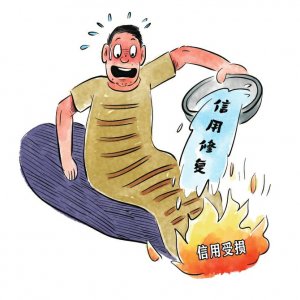
一次性信用修复政策来了
Xin Lang Cai Jing· 2025-12-30 18:06
Core Viewpoint - The People's Bank of China has announced a one-time credit repair policy aimed at supporting individuals with damaged credit who are actively repaying their debts, allowing them to efficiently restore their credit status [2] Group 1 - The policy applies to personal overdue information for amounts not exceeding 10,000 RMB for the period from January 1, 2020, to December 31, 2025 [2] - Individuals who fully repay their overdue debts by March 31, 2026, will have their overdue information not displayed in the financial credit information database [2]
青海“征信便民”码上线服务群众
Xin Lang Cai Jing· 2025-12-30 18:06
Core Viewpoint - The People's Bank of China has implemented a one-time credit repair policy to assist individuals with damaged credit who are actively repaying their debts, allowing them to efficiently restore their credit status [1][2]. Group 1: Policy Overview - The one-time credit repair policy targets individuals with overdue credit information in the People's Bank of China credit system, specifically for overdue amounts not exceeding 10,000 RMB from January 1, 2020, to December 31, 2025 [1]. - Individuals who fully repay their overdue debts by March 31, 2026, will have their overdue records removed from the credit system [1]. Group 2: Implementation Details - The policy does not differentiate between types of loan institutions or credit business categories, operating on an "automatic enjoyment" basis without the need for application or fees [2]. - Overdue records will be processed in phases, with those repaying by November 30, 2025, having their records removed starting January 1, 2026, while those repaying between December 1, 2025, and March 31, 2026, will see their records removed by the end of the following month [2]. Group 3: Access and Support - The Qinghai branch of the People's Bank of China has launched a "credit convenience code" to help citizens easily access information about credit repair policies and services [2][3]. - This code provides comprehensive resources, including online credit report queries, offline query locations, and practical content on credit repair policies and rights [3]. - Citizens can utilize various channels to confirm whether their overdue information has been adjusted, with additional free credit report queries available during a specified period [2][3].
平安银行积极响应国家一次性信用修复政策,多措并举助力客户重塑信用
Xin Lang Cai Jing· 2025-12-29 07:08
Core Viewpoint - The People's Bank of China has implemented a one-time credit repair policy to support individuals affected by the pandemic, and Ping An Bank has quickly established a dedicated task force to ensure effective implementation of this policy [1][2]. Group 1: Policy Implementation - Ping An Bank emphasizes the importance of the one-time credit repair policy as a significant measure to support personal credit rebuilding and promote economic recovery [2]. - The bank has organized a comprehensive mobilization meeting to ensure understanding and execution of the policy across all levels, highlighting the need for unified thought, clear division of responsibilities, and timely customer response [2]. Group 2: System Support and Process Optimization - To facilitate easy and timely access to credit status, Ping An Bank has enhanced both online and offline inquiry services, including the launch of data query functions for internal staff and self-service channels for customers [3]. - The bank has established a cross-departmental communication mechanism to synchronize policy execution progress and customer data, while also updating its knowledge base to efficiently address customer inquiries [3]. Group 3: Consumer Protection and Awareness - Ping An Bank is committed to adhering to regulatory requirements for accurate and timely reporting of credit information, while actively resisting illegal intermediary scams related to credit repair [4]. - The bank plans to continue monitoring policy execution and optimizing service processes to ensure the effective implementation of the credit repair policy, fostering a positive social atmosphere around creditworthiness [4].

平安银行积极响应国家一次性信用修复政策 多措并举助力客户重塑信用
Sou Hu Cai Jing· 2025-12-29 07:02
Core Viewpoint - The People's Bank of China has implemented a one-time credit repair policy to support individuals affected by the pandemic, with Ping An Bank responding promptly to facilitate the policy's execution [1][2]. Group 1: Policy Implementation - Ping An Bank has established a special task force to ensure the smooth implementation of the one-time credit repair policy, emphasizing its importance in rebuilding personal credit and promoting economic recovery [1]. - A comprehensive mobilization meeting was held to ensure all staff understand and execute the policy effectively, with leaders stressing the significance of the initiative [1]. Group 2: System and Service Enhancements - Ping An Bank is enhancing its online and offline credit inquiry services to allow customers to easily check their credit status, including the launch of new self-service features on the Pocket Bank APP [1]. - The bank has improved its customer service mechanisms, including a weekly communication system to monitor policy execution and customer complaints, ensuring efficient and accurate responses to customer inquiries [1]. Group 3: Public Awareness and Consumer Protection - To raise awareness of the credit repair policy, Ping An Bank has initiated various promotional activities, including publishing policy guidelines on its official website and distributing informational brochures at branches [2]. - The bank is committed to protecting consumer rights by adhering to regulatory requirements and combating illegal practices related to credit repair, while also enhancing fraud prevention measures [2].
谨防诈骗,多家银行提示!
Zhong Guo Jing Ying Bao· 2025-12-26 14:15
Core Viewpoint - The People's Bank of China has officially issued a notice regarding a one-time credit repair policy, which allows eligible individuals' overdue information to be excluded from the financial credit information database [1] Group 1: Implementation of the Policy - Several state-owned and small to medium-sized banks have quickly responded to the notice, providing answers to customer inquiries about the one-time credit repair policy [1][3] - The notice emphasizes the need for coordination among institutions, with the credit reporting center required to implement detailed measures and system adjustments [2] Group 2: Conditions and Process - The one-time credit repair policy applies to individuals with overdue information in the credit database, specifically for overdue records generated between January 1, 2020, and December 31, 2025, with a single overdue amount not exceeding 10,000 yuan [4] - Individuals must fully repay their overdue debts by March 31, 2026, to benefit from the policy, which will automatically exclude relevant overdue information from display starting January 1, 2026 [3][4] Group 3: Consumer Awareness and Fraud Prevention - Banks are warning consumers about potential scams related to "credit repair," emphasizing that the policy is completely free and does not require third-party intervention [4][5] - Consumers are advised to directly consult their banks for information regarding the policy, as there are no fees or applications required to benefit from the credit repair [5]
一次性信用修复政策落地 消金公司快速响应 有望打开增量市场
Bei Jing Shang Bao· 2025-12-26 06:11
一次性信用修复政策重磅落地,12月22日,中国人民银行发布一次性信用修复政策:明确对特定时期、 特定金额的个人逾期信息进行一次性修复,且实行"免申即享"的便捷模式。作为政策落地的"最后一公 里",北京商报记者注意到,截至12月23日,除了多家银行行动外,也有多家消金公司响应,包括系统 改造升级、专项触达与引导、设计专项服务流程等,通过官网官微通知、短信推送、人工电话沟通等多 种渠道,向目标用户讲解政策适用条件,主动引导客户深入了解政策内容。目前,各项任务正有序开 展。 其中,马上消费金融相关部门负责人回应北京商报记者称,疫情期间,部分金融消费者因维持经济周转 出现债务逾期,个别失信记录不仅影响个人信用评分,更制约其后续融资与生活发展。一次性信用修复 政策的出台,精准聚焦因故失信群体的信用改善需求,有效缓解其信用压力,让金融政策彰显出"以人 为本"的温度与关怀。 在政策响应上,机构重点将客户服务保障作为工作核心抓手。马上消费金融相关部门负责人称,公司全 力推进内部多系统改造升级,设计专项服务流程,确保电话客服、在线客服等渠道能够为客户提供精准 的政策咨询应答。同时,公司开通"本机构个人数据查询功能",提供逾期信 ...