企业IPO

Search documents
上市前“隐身”? 羊奶粉品牌宜品集团拟赴港IPO:董事长控制企业从供应商名单中消失
Xin Lang Cai Jing· 2025-10-30 06:44
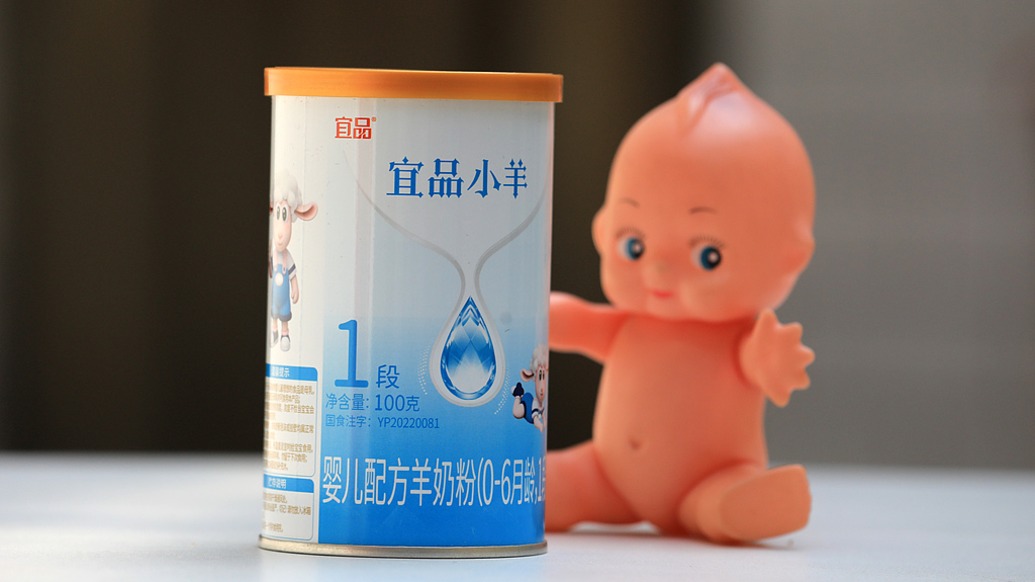
Core Viewpoint - Yipin Group, China's second-largest goat milk powder brand, is preparing for an IPO in Hong Kong, facing scrutiny from the China Securities Regulatory Commission regarding its historical development, employee stock ownership, information security, and foreign investment access [2] Financial Performance - Yipin Group's revenue for 2022 to 2025 (H1) is reported as 1.402 billion, 1.614 billion, 1.762 billion, and 806 million yuan respectively, with corresponding net profits of 227 million, 168 million, 172 million, and 57 million yuan [3] - Revenue growth peaked at 15.17% in 2023 but is projected to slow to 9.16% in 2024, with a significant decline of 10.36% in H1 2025 [3] - Net profit saw a year-on-year decrease of 25.21% in 2023, a slight increase of 2.5% in 2024, followed by a drastic drop of 42.57% in H1 2025 [3] Product Structure - The product structure is heavily reliant on infant formula goat milk powder, which accounted for 55.1%, 57.4%, 58.6%, and 55.6% of revenue from 2022 to H1 2025 [4] - The special medical food segment has a gross margin of 76.1%, significantly higher than the overall company gross margin of 49.9%, but its smaller scale limits its impact on reducing dependency on traditional milk powder [4] Research and Development - Yipin Group's R&D expenses have decreased significantly, from 19.91 million yuan in 2022 to 8.418 million yuan in 2023, and further down to 8.014 million yuan in 2024, with the R&D expense ratio dropping from 1.42% in 2022 to 0.45% in 2024 [5] - As of June 30, the company had 322 million yuan in cash and cash equivalents against short-term borrowings of 502 million yuan, resulting in a cash coverage ratio of approximately 64% [5] Inventory Management - Inventory turnover days have increased, reported at approximately 276, 296, 307, and 361 days from 2022 to 2025, attributed to strategic decisions made in 2023 to stockpile raw materials in response to new national standards [5] Supplier and Customer Relationships - The chairman's associated company has been a major supplier for 11 years, with procurement amounts from this supplier being 47.977 million yuan in 2023, accounting for 4% of total procurement [10] - One of the top five customers is also an associated party, involved in retail distribution of Yipin Group's products in Jiangsu, maintaining a relationship for seven years [14]

四川新荷花再次递表港交所 系62岁创始人携家族的第五次上市尝试
Mei Ri Jing Ji Xin Wen· 2025-10-20 09:17
Core Viewpoint - Sichuan Xinhehua Traditional Chinese Medicine Co., Ltd. has submitted its prospectus to the Hong Kong Stock Exchange for the second time after its initial attempt in April 2023 failed, marking the fifth attempt by founder Jiang Yun to take the company public after 14 years of efforts in the IPO marathon [1][4]. Company Overview - Founded in 2001, Sichuan Xinhehua has been deeply engaged in the traditional Chinese medicine (TCM) sector for 24 years, focusing on the research, production, and sales of both toxic and non-toxic TCM pieces, with a product matrix of 770 types [1]. - The company ranks second in the national TCM market with a market share of 0.4% based on projected revenue for 2024, and its products are exported to markets such as Vietnam and Malaysia [1]. Ownership Structure - The company exhibits a typical family-controlled structure, with founder Jiang Yun holding 31.5% directly and controlling an additional 15.6% through Guojia Investment, totaling 47.1% ownership [2]. - Family members are actively involved in management, with Jiang Yun's son, Jiang Ercheng, serving as Executive Director and Deputy Director of R&D [2]. IPO Attempts - Sichuan Xinhehua has made multiple attempts to go public, starting with its first application to the Shenzhen Stock Exchange in March 2011, which was voluntarily withdrawn in August 2012 [3]. - The company made a second attempt in 2020, but withdrew its application in April 2021 due to market conditions [3]. - In October 2023, the company initiated a new application for the Shenzhen Stock Exchange but voluntarily terminated the process in April 2024 [3]. Financial Performance - The company's revenue has grown from 780 million yuan in 2022 to 1.249 billion yuan in 2024, representing a cumulative growth of 60.1% over three years, although the growth rate has slowed significantly [4]. - Profit figures for 2022, 2023, and 2024 were 77.39 million yuan, 104 million yuan, and 89.11 million yuan respectively, with the decline in 2024 attributed to rising raw material costs and management expenses [5].
Shein最新财报实锤文件曝光 四年向新加坡纳税超33亿元
Sou Hu Cai Jing· 2025-10-15 09:36
Core Insights - SHEIN's Singapore headquarters reported a revenue exceeding $37.04 billion for 2024, marking a nearly 20% year-on-year increase, while net profit fell over 15% to $1.099 billion [1] - The total assets of SHEIN's Singapore headquarters reached $15.27 billion in 2024, a more than 70% increase from $8.85 billion in 2023 [1] - Concerns have been raised regarding SHEIN's potential tax avoidance by shifting significant revenue to Singapore, alongside speculation about its intentions to relocate its headquarters back to China to facilitate a Hong Kong IPO [1][2] Financial Performance - SHEIN's Singapore headquarters paid over $188 million in local taxes for 2024, equivalent to over 1.34 billion RMB [2] - From 2021 to 2023, SHEIN's net profits in Singapore were reported as 1.41 billion RMB, 4.55 billion RMB, and 9.32 billion RMB, totaling over 15 billion RMB, with cumulative local tax payments exceeding 3.3 billion RMB [2] Regulatory Challenges - SHEIN is facing increasing scrutiny and challenges in overseas markets, particularly in France, where it has encountered a €190 million (approximately 1.59 billion RMB) fine for compliance issues [2] - The company's expansion into physical retail in France has sparked backlash, leading to the withdrawal of several local brands from its partnered stores [2] - The combination of compliance issues and rising sales costs may further pressure SHEIN's profitability, as indicated by the 15% decline in net profit reported for 2024 [2]
功臣无名,董秘暴富,初源新材IPO的背后
Sou Hu Cai Jing· 2025-10-10 05:16
Core Viewpoint - Hunan Chuyuan New Materials Co., Ltd. has entered a critical phase in its IPO process, backed by the substantial assets of Hunan Wujian Group, which has diversified into various sectors over the years [1][2]. Company Background - Hunan Wujian Group, founded in 1979 by five brothers, has grown from a small aluminum product factory to a private giant with total assets exceeding 70 billion [1]. - Chuyuan New Materials was established in 2017 to expand the photopolymer film business, initially as a subsidiary of Wujian Group [2]. Business Development - The company began production in 2020 and acquired key customer resources through the purchase of a distributor in 2021 [2]. - In 2023, the company completed its restructuring and officially initiated its IPO preparations [2]. Leadership Transition - The leadership transition within the company reflects a typical family business succession, with key family members actively involved in operations and decision-making [2][3]. - The actual controller, Xiao Zhiyi, has played a pivotal role in the company's development and is a representative of the second generation of the Xiao family [3]. Market Position - Under Xiao Zhiyi's leadership, Chuyuan New Materials has established a significant market presence, with a projected global market share of 13.2% by 2024, ranking first among domestic companies and third globally [3]. Financial Performance - The company's revenue is expected to grow from 910 million to 1.057 billion from 2022 to 2024, indicating a growth rate above the industry average [3]. Technology and R&D Concerns - There are concerns regarding the actual contributions of core technical personnel, with discrepancies noted between their claimed roles and their patent contributions [4][5]. - The sudden increase in patent applications during the IPO preparation period raises questions about the authenticity of the company's long-term technological accumulation [6]. Financial Risks - The company's accounts receivable have significantly increased, from 363 million to 539 million, with a rising proportion of revenue attributed to credit sales, indicating potential cash flow issues [8][9]. - The collection period for major clients has extended, raising concerns about the company's credit policies and financial health [9]. Strategic Partnerships - In 2021, the company established a partnership with Hunan University, which may indicate reliance on external academic resources for technological development [10].
锂电回收撑起百亿估值,独角兽金晟新能再冲IPO
Bei Jing Shang Bao· 2025-09-24 13:43
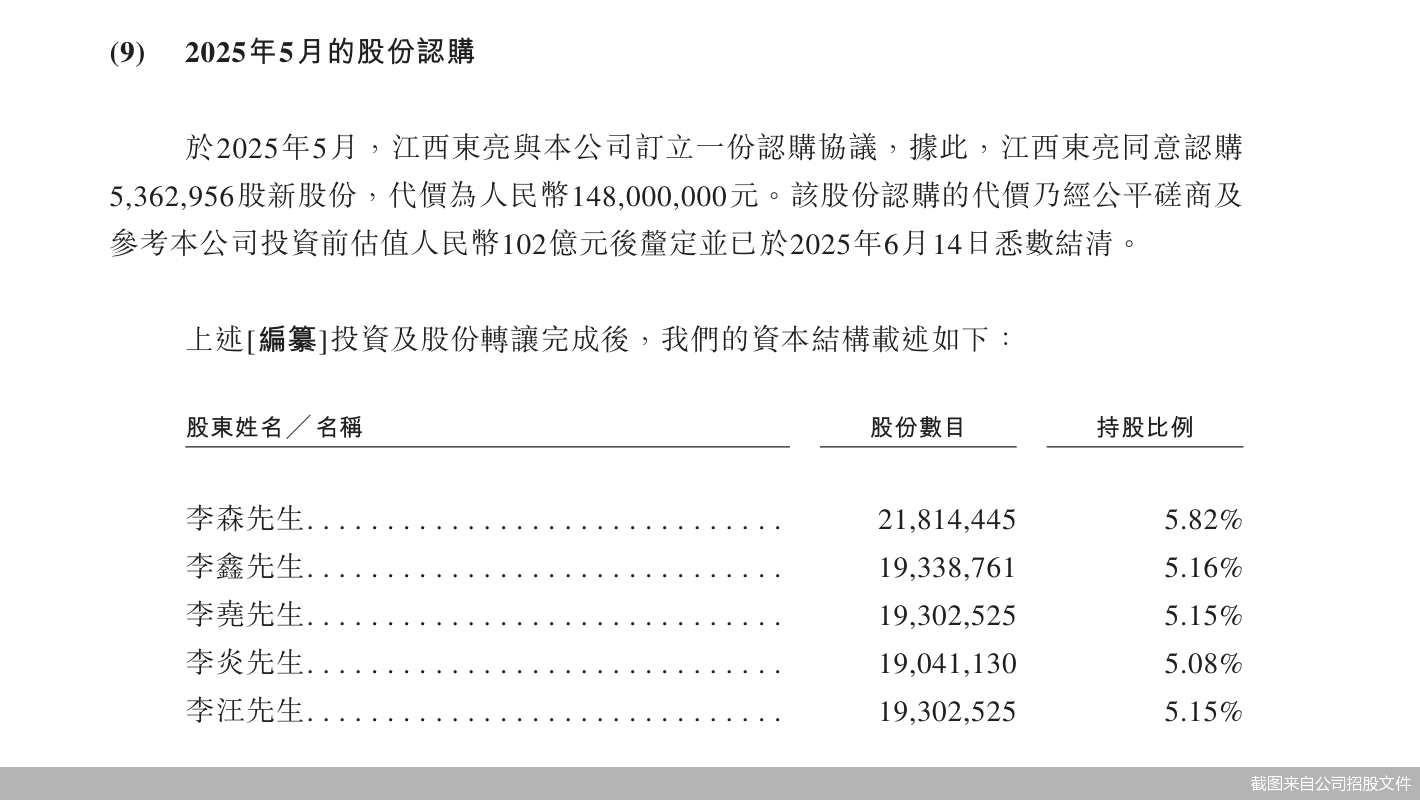
Core Viewpoint - Guangdong Jinseng New Energy Co., Ltd. (hereinafter referred to as "Jinseng New Energy") has submitted its IPO application to the Hong Kong Stock Exchange, indicating a pressing need for financing despite previous unsuccessful attempts to list on both A-share and Hong Kong markets [1] Financial Performance - Jinseng New Energy has not achieved profitability in the first half of the year, with revenues declining from approximately 29.05 billion yuan in 2022 to 21.57 billion yuan in 2024, and corresponding net profits showing a downward trend from 1.51 billion yuan to -3.44 billion yuan [4] - Cumulative losses for the company from 2023 to the first half of 2025 are approximately 9.59 billion yuan, with a reported revenue of about 9.37 billion yuan in the first half of 2025, down from 9.95 billion yuan in the same period last year [4] Financial Pressure - As of June 30, 2025, Jinseng New Energy has interest-bearing bank loans and other borrowings amounting to 2.1 billion yuan, with 1.8 billion yuan due within one year [5] - The company's debt-to-asset ratio has increased significantly, from approximately 48.5% in 2022 to 74.8% in 2024, with a slight decrease to 73.3% in the first half of 2025 [5] Market Position - Jinseng New Energy is recognized as the second-largest lithium battery recycling and regeneration company globally, and the largest third-party lithium battery recycling and regeneration enterprise, according to a report by Frost & Sullivan [6] - The company has a valuation exceeding 10.2 billion yuan based on a recent investment round, which is approximately 30 billion yuan higher than its valuation listed in the 2025 Hurun Global Unicorn List [8] Ownership Structure - The founding brothers, Li Sen, Li Xin, Li Yan, Li Wang, and Li Yao, collectively control 55.69% of the voting rights in Jinseng New Energy [8]
IPO周报:年内7家企业注册失败,22家过会后终止审核
Di Yi Cai Jing· 2025-09-22 07:44
Group 1 - As of September 21, 2025, a total of 22 companies that had passed the review have terminated their IPO applications, with 7 of these companies having been in the queue for over 1000 days [1][2] - From September 15 to September 21, three companies terminated their IPO applications: Jiangsu Ronghui General Lithium Co., Ltd., Hangzhou Sanai Environmental Technology Co., Ltd., and Xinjiang Boshiran Intelligent Agricultural Machinery Co., Ltd. [1] - Jiangsu Ronghui General Lithium Co., Ltd. had been in the queue for 1197 days before terminating its application, and it primarily engages in the research, production, and sales of lithium products [2] Group 2 - The company planned to raise 3.06 billion yuan for projects including the production of battery-grade lithium carbonate and lithium hydroxide, as well as for research and development [2] - The financial performance of Jiangsu Ronghui General Lithium Co., Ltd. showed revenues of 510 million yuan in 2020, 1.54 billion yuan in 2021, and 5.91 billion yuan in 2022, with net profits of -48.68 million yuan, 405 million yuan, and 1.99 billion yuan respectively [2] - Seven companies have terminated their registration this year, with the longest queue duration reaching 1110 days, indicating challenges in the IPO process [3]
艾为电气涉虚假审计报告
Nan Fang Du Shi Bao· 2025-09-16 23:15
Core Viewpoint - The Ministry of Finance has issued penalties against Shenzhen Juyuan Lide Accounting Firm for failing to implement necessary audit procedures and issuing false audit reports related to Shenzhen Aiwei Electric Technology Co., Ltd, which is currently pursuing an IPO on the Shenzhen Stock Exchange's Growth Enterprise Market [2][3]. Financial Irregularities - Aiwei Electric was found to have fabricated multiple financial data points in its 2022 financial statements, including a reduction of cash by 13.76 million yuan (89% reduction), accounts receivable by 20.25 million yuan (25% reduction), inventory by 36.27 million yuan (55% reduction), accounts payable by 47.50 million yuan (66% reduction), and other payables by 76.10 million yuan (83% reduction) [3]. - The company also inflated undistributed profits by 33.36 million yuan (111% increase) and research and development expenses by 586.13 thousand yuan (33% increase) [3]. Company Performance - Aiwei Electric has shown significant revenue growth, with projected revenues of 215 million yuan, 341 million yuan, and 442 million yuan for 2022, 2023, and 2024 respectively, indicating year-on-year growth rates of 58.21% and 29.69% for 2023 and 2024 [5]. - The net profit attributable to the parent company is expected to grow from 57 million yuan in 2022 to 106 million yuan in 2024, with growth rates of 50.63% and 22.46% for the respective years [5]. Product Pricing Trends - The average selling price of Aiwei Electric's thermal management high-voltage controllers has been declining, with prices of 255.48 yuan, 246.33 yuan, and 208.74 yuan per unit from 2022 to 2024, reflecting a decrease of 15.26% and 3.58% in 2024 and 2023 respectively [5][6]. Shareholding Structure Issues - Aiwei Electric has faced issues with shareholding structure, including over three years of shareholding entrustment, which raises uncertainties regarding its IPO prospects [7][10]. - The lack of formal agreements regarding shareholding entrustment has led to legal disputes, with ongoing arbitration and litigation concerning the ownership of shares [9][10].

7月中国一级市场发生融资事件802个,环比增长14%;IPO井喷,26家企业上市;人工智能赛道持续火热丨投融资月报
创业邦· 2025-08-23 01:01
Core Insights - In July 2025, China's primary market saw 802 financing events, a 14% increase from the previous month and stable compared to the same period last year [2][6] - The total disclosed financing amount reached 35.279 billion RMB, up 6% month-over-month but down 2% year-over-year [2][6] - Key sectors for financing included intelligent manufacturing, artificial intelligence, and healthcare, with artificial intelligence experiencing a significant month-over-month increase of 26% [2][8] Financing Events Overview - The distribution of financing events by stage included 630 early-stage events (78.55%), 136 growth-stage events (16.96%), and 36 late-stage events (4.49%) [3][20] - The disclosed financing amounts were 18.283 billion RMB for early-stage (51.82%), 10.308 billion RMB for growth-stage (29.22%), and 6.689 billion RMB for late-stage (18.96%) [20] Industry Distribution - The top five industries accounted for 68% of all financing events, totaling 548 events, with intelligent manufacturing leading at 188 events [8] - The disclosed amounts for these top five industries reached 23.896 billion RMB, also representing 68% of the total [8][10] Geographic Distribution - The leading regions for financing events were Jiangsu (124), Zhejiang (117), Guangdong (117), Shanghai (115), and Beijing (107) [16] - The top cities included Shanghai (115), Beijing (107), Shenzhen (80), Hangzhou (70), and Suzhou (56) [18] IPO Market Analysis - In July 2025, 26 Chinese companies completed IPOs, maintaining the same number as the previous month but up 44% year-over-year [4][46] - The total amount raised through these IPOs was 37.921 billion RMB, a 5% increase from the previous month and a staggering 487% increase from the same month last year [4][46] - The majority of IPOs were supported by VC/PE, with 14 out of 26 companies, indicating a 54% penetration rate [4][46] M&A Market Analysis - There were 11 M&A events in July 2025, a significant decrease of 69% from the previous month and 87% year-over-year [4][55] - The total disclosed amount for these M&A events was 863 million RMB, down 87% month-over-month and 96% year-over-year [4][55] Global Financing and Unicorns - Globally, there were 41 new large financing events in July 2025, with China contributing 9 events, accounting for 22% of the total [24] - China saw the addition of 1 new unicorn in July, bringing the total to 504 unicorns, which is 27% of the global total [32]

沪鸽口腔港股招股书失效 家族控股84% 被指突击分红掏空现金流
Xi Niu Cai Jing· 2025-08-20 07:09
Core Viewpoint - The company Hujie Dental has faced multiple setbacks in its attempts to go public since 2015, with its latest IPO application in Hong Kong becoming invalid, marking the fourth failed attempt at capital raising [2]. Group 1: Company Background - Hujie Dental began its capital market journey in March 2015 by listing on the New Third Board but voluntarily delisted two years later [2]. - Over the past eight years, the company has made several attempts to go public, including efforts in the ChiNext and Sci-Tech Innovation Board, but has not succeeded [2]. Group 2: Market Position - Hujie Dental's main products include dental impression materials and synthetic resin teeth, with a market share of 17.9% in elastic impression materials and 22.2% in synthetic resin teeth, leading the domestic market [2]. Group 3: Financial Performance - The company exhibits a "high gross margin, low growth" characteristic, with its two main products contributing approximately 60% of total revenue, which is projected to increase from 280 million yuan to 304 million yuan from 2022 to the first three quarters of 2024 [2]. - The gross profit margin for the company was 54.9% in 2022, with sales costs representing 45.1% of total revenue [6]. Group 4: Pricing and Sales Challenges - Hujie Dental's core product prices have stagnated, with synthetic resin teeth priced at 0.9 yuan per piece and the price of invisible orthodontic products decreasing from 3,564 yuan per case in 2022 to 3,212 yuan in 2024 [6][7]. - The company faces significant price pressure due to its invisible orthodontic products being included in bulk procurement programs in several provinces [7]. Group 5: Ownership Structure and Dividend Policy - The ownership structure of Hujie Dental is highly concentrated and family-controlled, with the founder holding 52.56% of shares through an offshore company, and family members controlling over 75% of voting rights [7]. - The company has engaged in substantial dividend payouts, including a one-time dividend of 145 million yuan in January 2025, which is nearly equal to the net profit for 2022-2023 [7][8]. Group 6: Cash Flow and Financial Health - The large dividend distributions have put pressure on Hujie Dental's cash flow, with cash and equivalents at 145 million yuan and short-term borrowings rising to 152 million yuan, indicating a cash shortfall [8]. - The net operating cash flow for the first three quarters of 2024 decreased by 47.7%, highlighting a tightening cash flow situation [8].

来自资深保代的投行成长笔记
梧桐树下V· 2025-08-19 09:54
Core Viewpoint - The article emphasizes the challenges and complexities of working in investment banking, particularly for newcomers, and introduces a learning package designed to help them understand the industry better and develop essential skills [1][2]. Group 1: Learning Package Overview - The learning package includes a printed material titled "Investment Banking Growth Notes," an online course on assessing the feasibility of corporate IPOs, and a customized notebook [3][43]. - "Investment Banking Growth Notes" consists of 312 pages, over 120,000 words, and 9 chapters, covering career planning, industry insights, and essential skills for investment banking professionals [3][6]. Group 2: Content Breakdown - Chapters 1 and 2 provide foundational knowledge about investment banking, including department divisions, regulatory frameworks, basic skills, project classifications, daily tasks, personnel sources, future transitions, and industry trends [6][8]. - Chapters 3 to 7, which occupy about 62% of the book, detail the skills necessary for investment banking, such as industry research, client acquisition, due diligence, financial thinking, and company valuation [10][32]. - Chapter 3 focuses on industry skills, covering quantitative thinking, macro data, industry division, due diligence guidelines, financial metrics analysis, and research application techniques [10][13]. - Chapter 4 shares insights from an experienced underwriter on acquiring IPO business, including market conditions, channel development, and preparation for client meetings [16][18]. - Chapter 5 discusses due diligence processes, emphasizing information collection, verification, and analysis, along with specific operational procedures [23][24]. - Chapter 6 explains how to analyze financial statements to understand a company's true condition, detailing the relationships between balance sheets, income statements, and cash flow statements [25][27]. - Chapter 7 covers valuation methods, including relative and absolute valuation, and offers insights on how companies can enhance their valuations [28][30]. Group 3: IPO Focus - Chapters 8 and 9 shift focus to IPO projects, with Chapter 8 addressing common regulatory concerns during IPO reviews, such as financial compliance and related party transactions [34][36]. - Chapter 9 outlines the responsibilities of various departments within a company during the IPO process, ensuring they meet regulatory requirements and are prepared for inquiries [37][40].