信任危机

Search documents
雷军罕见出手,小米的转折点?
财富FORTUNE· 2025-12-05 13:05
Core Viewpoint - Xiaomi's stock price has experienced significant volatility, with a nearly 100% increase in the first half of the year followed by a decline of over 35% from its June peak, reflecting the challenges faced by the company and its founder Lei Jun's influence on market sentiment [1] Group 1: Stock Buyback and Market Response - Lei Jun's recent investment of over 100 million HKD in Xiaomi shares and the company's aggressive stock buyback strategy, with a single buyback amount reaching up to 400 million HKD, are seen as efforts to instill confidence in the market [1] - Following these actions, Xiaomi's stock price rose over 5% on November 25, returning above 40 HKD, indicating a potential recovery trend [1] Group 2: Business Challenges - Xiaomi's smartphone business, a cornerstone of the company, reported a revenue of 46 billion CNY in Q3 2025, a year-on-year decline of 3.2%, with a gross margin dropping to 11.1% due to rising manufacturing costs and aggressive pricing strategies from competitors like Huawei [2] - The IoT and lifestyle products segment, while showing a revenue growth of 5.6% to 27.6 billion CNY in Q3, faced a 15.7% decline in smart home appliance revenue, attributed to reduced government subsidies and intensified competition [2] Group 3: Automotive Business and Trust Issues - Xiaomi's automotive division has seen rapid growth, with the 500,000th vehicle rolling off the production line in just over a year, but it faces scrutiny over product quality and marketing practices, leading to a potential trust crisis [4] - Controversies surrounding the SU7 Ultra model, including legal disputes over marketing claims, have raised questions about the integrity of the company's messaging and the founder's accountability [5][6] Group 4: Industry Implications - The challenges faced by Xiaomi reflect broader issues within the Chinese electric vehicle industry, which is transitioning from a focus on hardware to software reliability and ethical data use, highlighting the need for improved transparency and communication [6] - The company's reliance on founder Lei Jun's personal brand and the need for a shift from a "celebrity-driven" model to one based on product reliability and service quality are critical for regaining consumer trust [7]


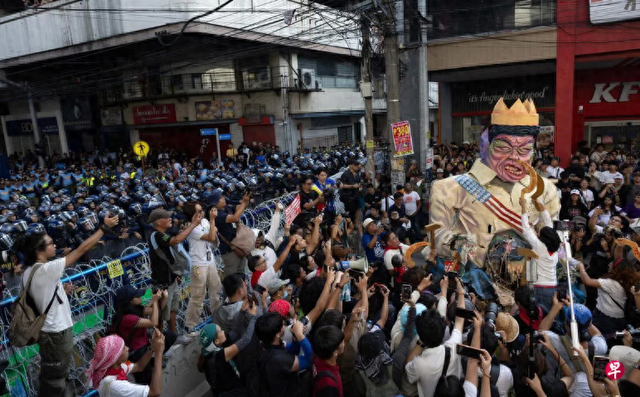
陈相秒、张舒:街头抗议不断、关键人物“翻脸”,小马科斯为何仍“稳坐钓鱼台”?
Guan Cha Zhe Wang· 2025-12-04 00:39
Core Points - The article discusses the ongoing anti-corruption protests in the Philippines, particularly focusing on the government's handling of a multi-billion dollar infrastructure corruption scandal [1][2][4] - The protests reflect a significant trust crisis for President Marcos, exacerbated by political rivalries and the historical context of family politics in the Philippines [2][5][19] Summary by Sections Protests and Public Sentiment - Thousands of Filipinos protested in Manila, demanding accountability for a corruption scandal involving billions of dollars [1] - This is the second major protest since the corruption allegations surfaced in July, indicating growing public discontent [1][2] - The protests are fueled by a broader trust crisis in the Marcos administration, with public support and trust ratings declining significantly [5][6][8] Trust and Approval Ratings - Marcos' approval rating dropped from 62% in July 2025 to 54% in September 2025, while disapproval rose from 19% to 26% [6] - Trust levels fell from 64% to 57% in the same period, with significant declines among lower-income groups [7] - Recent polls indicate that public trust in the government is at an all-time low, with many believing corruption is more prevalent now than three years ago [8][10] Government Response and Political Dynamics - The Marcos administration has attempted to distance itself from the corruption allegations, employing a "sacrificial" strategy by allowing key political allies to resign [9][12] - Key figures, including the Speaker of the House and the Secretary of Public Works, have resigned amid the scandal, reflecting an effort to mitigate public outrage [12][13] - The establishment of an "Independent Commission on Infrastructure" to investigate the corruption has been met with skepticism, as many doubt its effectiveness [10][23] Corruption Allegations and Historical Context - The article highlights the historical context of corruption in the Philippines, noting that up to half of the funds allocated for flood control projects may have been lost to corruption [10][14] - Allegations include that contractors must pay kickbacks of 20% to 25% before projects even begin, significantly reducing the actual funds available for construction [9][10] - The political rivalry between the Marcos and Duterte families adds complexity to the situation, with both sides implicated in corruption [2][19] Future Implications - The protests are expected to continue, particularly as the typhoon season approaches, which could exacerbate public dissatisfaction with inadequate infrastructure [19][24] - The military and police have expressed support for the Marcos administration, indicating that a coup is unlikely despite the protests [20][24] - The article suggests that if the administration fails to address the corruption issues before the next typhoon season, the trust crisis could deepen, potentially leading to a shift in political power dynamics [24][25]
俄披露欧洲对乌克兰的信任裂缝!腐败挖墙角,军援从慷慨走向审慎
Sou Hu Cai Jing· 2025-11-21 06:04
Core Viewpoint - The article highlights the growing concerns among European countries regarding the effectiveness and integrity of aid to Ukraine, particularly in light of recent corruption scandals that have eroded trust in the Ukrainian government [1][3][6]. Group 1: Corruption and Governance Issues - A significant corruption case involving nearly $100 million in the energy sector has been revealed, leading to the resignation of several high-ranking officials in Ukraine [3][5]. - The corruption scandal has sparked public outrage in Ukraine, as citizens face issues like power outages and rising prices, prompting a shift in European support from generous to cautious [3][5]. - European experts view the situation as a risk signal, emphasizing that if the governance and accountability of aid are not credible, support may turn into a burden [3][6]. Group 2: Impact on International Support - The article notes that the perception of aid as a "cash machine" is growing among voters in donor countries, leading to increased scrutiny of how funds are allocated and used [5][6]. - Countries like Hungary and Slovakia, which have historically opposed extensive aid, are joined by others like the Czech Republic and Romania in expressing similar concerns [3][5]. - The narrative of support for Ukraine has shifted from an idealistic view of defending against aggression to a more pragmatic approach that requires institutional accountability [8]. Group 3: Opportunities for Reform - The current crisis presents an opportunity for Ukraine to overhaul its governance structures and restore public trust, which is essential for sustaining international support [8]. - For European nations, this situation underscores the need to transition from emotional support to a more institutionalized and transparent commitment to aid [8]. - The article concludes that accountability and transparency are crucial for any country seeking to be viewed as a reliable ally in the international arena [8].

最脏的一幕,出现了!
Xin Lang Cai Jing· 2025-11-20 16:15
Core Viewpoint - The rise of AI-generated fake images has led to a significant increase in fraudulent refund claims in the e-commerce sector, causing distress among merchants and undermining trust in the online shopping ecosystem [3][19][36]. Group 1: Impact on E-commerce - E-commerce platforms are facing a surge in fraudulent refund requests, where individuals use AI-generated images to falsely claim product defects [3][17]. - Merchants report that customers are submitting obviously fake images, sometimes with AI watermarks still visible, to justify their refund requests [5][8]. - The "only refund" policy, initially designed to streamline customer service, has become a burden for merchants as they now have to scrutinize refund requests more closely [17][22]. Group 2: Consequences for Merchants - Small businesses, particularly those in lower-tier cities, are severely affected by these fraudulent activities, with malicious refunds threatening their daily operations and livelihoods [23][24]. - The financial strain from these scams can wipe out the profits from multiple sales, pushing merchants into a precarious position where they must choose between accepting orders or risking losses [24][25]. - Merchants are increasingly raising prices to offset the risks associated with potential fraudulent refunds, which ultimately impacts consumers [22][36]. Group 3: Regulatory and Platform Responses - In response to the growing issue, regulatory bodies have begun implementing measures to combat AI misuse, including guidelines to prevent the malicious use of AI-generated content [29][30]. - E-commerce platforms are enhancing their verification systems to protect merchants' rights and prevent fraudulent activities [30][32]. - The establishment of an account integrity system aims to track and penalize users who engage in fraudulent refund practices [30][32]. Group 4: Trust and Ethical Considerations - The ongoing fraudulent activities are eroding the foundational trust that underpins the e-commerce ecosystem, leading to a situation where both consumers and merchants are increasingly suspicious of each other [19][36]. - The article emphasizes the importance of maintaining ethical standards in transactions, advocating for a return to simple, honest exchanges between buyers and sellers [38][39].

乌克兰能源腐败案爆雷泽连斯基惩罚亲信,国家反腐遇难题
Sou Hu Cai Jing· 2025-11-16 09:08
Core Points - The Ukrainian government is facing a significant corruption scandal involving $100 million linked to the company "Energy Atom," with the main perpetrator, Mindich, being a close associate of President Zelensky [1][3][12] - The scandal has led to the resignation of key ministers and the implementation of personal sanctions against Mindich, including the freezing of his overseas assets [1][4][6] - The rapid response from the government, including a special cabinet meeting and public statements from Zelensky, indicates a strong stance against corruption, especially in the context of wartime governance [4][6][14] Summary by Sections Corruption Scandal - The National Anti-Corruption Bureau of Ukraine revealed a corruption scandal involving bribery, abuse of power, and illegal enrichment, leading to criminal charges against eight individuals [3] - Mindich, a prominent businessman and co-founder of Zelensky's production company, is identified as the central figure in the corruption scheme [3][12] Government Response - Following the scandal's exposure, the Ukrainian government acted swiftly, with Prime Minister Shmyhal confirming a special cabinet meeting and proposing sanctions against Mindich [4][6] - The sanctions include freezing Mindich's assets and restricting his financial transactions, reflecting a "zero tolerance" policy towards corruption [4][6] Political Implications - The scandal has raised concerns about trust in the government, particularly as it involves individuals close to Zelensky, potentially undermining public confidence in his administration [8][12] - Observers note that while the government has taken steps to address the issue, the effectiveness of these measures in restoring trust and ensuring accountability remains uncertain [10][14] Challenges Ahead - The investigation faces challenges, including the need for international cooperation to trace the funds involved, as one key figure is under investigation in the U.S. [4][10] - The complexity of the case, including the potential involvement of higher-level officials, raises doubts about whether the investigation will uncover the full extent of the corruption [10][12]

每天150亿条,Meta的诈骗广告帝国
Guan Cha Zhe Wang· 2025-11-15 01:07
Core Insights - Meta's platforms, including Facebook, Instagram, and WhatsApp, reach nearly half of the global population but are facing a significant trust crisis due to the prevalence of fraudulent advertisements [1][3][4] - Approximately 10% of Meta's total revenue in 2024, equating to $16 billion, was generated from ads suspected of fraud, highlighting the company's structural reliance on "violating income" [3][4] Summary by Sections Fraudulent Advertising - Meta displays around 15 billion suspected fraudulent ads daily, contributing significantly to its revenue [1][3] - The types of scams include fake investment schemes, illegal online casinos, and impersonation of well-known brands or public figures [3][4] - Fraudsters have created fake accounts impersonating U.S. military personnel, sending millions of messages weekly to deceive users [3] Internal Mechanisms and Revenue - Meta's internal mechanisms allow for the circulation of fraudulent ads, only banning accounts with a 95% likelihood of fraud [3][4] - The "punitive bidding" mechanism allows Meta to charge higher fees to suspicious accounts, generating substantial revenue from high-risk ads, estimated at $3.5 billion every six months [3][4] User Experience and Algorithmic Impact - Meta's personalized advertising system inadvertently promotes the spread of fraudulent content, creating a cycle where users are continuously exposed to similar scams [4][5] - A report indicated that about one-third of successful scams in the U.S. are linked to Meta's products, with the platform being deemed easier for fraud than Google [4][5] Company Response and Challenges - In response to external criticism, Meta's spokesperson claimed that the reported 10% revenue from fraudulent ads was an overestimation, asserting a 58% decrease in user complaints about such ads over the past 18 months [7] - Meta's internal documents reveal a plan to reduce the share of violating ad revenue from 10.1% in 2024 to 7.3% by the end of 2025, with a long-term goal of 5.8% by 2027 [7][11] Regulatory Environment and Comparisons - The regulatory landscape for Meta is complex, with varying enforcement standards across jurisdictions, unlike the swift regulatory response seen in China's internet sector [8][11] - Experts have criticized Meta for profiting from fraudulent sources, calling for stricter regulations and potential fines in the billions [9][11] Trust and Responsibility - The crisis surrounding fraudulent ads raises fundamental questions about the balance between technological advancement and user safety [12][14] - Internal documents indicate that Meta is aware of its role in facilitating fraud, with a significant portion of successful scams linked to its platforms [12][14] Conclusion - The situation underscores a critical issue: the need for technology to serve its intended purpose without compromising user trust, as the loss of trust could undermine the entire digital ecosystem [13][14]


融资圈乱象:真资方遇不到好项目,好项目被假资方割
Sou Hu Cai Jing· 2025-11-12 12:09
Core Insights - The current financing landscape is characterized by a chaotic environment where genuine investors are often misled by fake projects, while good projects are exploited by fraudulent investors [3][4][7] - There is a significant misalignment of expectations between project founders and investors, leading to a cycle of distrust and missed opportunities [3][4][10] - The structural issue of information asymmetry complicates the matching process between quality projects and legitimate investors, resulting in a low success rate for funding [10][11] Group 1: Misalignment of Expectations - Investors often avoid projects during tough times, citing high risks, but rush to invest once profitability is demonstrated, leading to frustration among project founders [3][4] - This "drought and flood" logic creates a deadlock where both parties question each other's motives and sincerity [3][4] Group 2: Trust Crisis - A dual defensive posture has emerged in the financing ecosystem, where genuine investors are inundated with numerous exaggerated project proposals, most of which lack viability [4][7] - Entrepreneurs face challenges as they are bombarded with requests for fees from supposed investors, further eroding trust in the funding process [6][7] Group 3: Structural Challenges - The number of active equity funds in China exceeds 60,000, yet less than 10% are actively investing, while over 300,000 business proposals are submitted annually, with only 3% receiving term sheets [10][11] - The presence of fake investors not only deceives entrepreneurs but also disrupts the trust framework, making it increasingly difficult for genuine investors and quality projects to connect [11][12]

AI换脸技术被滥用,如何不“丢”脸?
Zhong Guo Xin Wen Wang· 2025-11-10 05:59
Core Viewpoint - The rapid development of AI face-swapping technology is leading to a trust crisis, as evidenced by incidents like the unauthorized use of actor Wen Zhengrong's image in live streaming [3] Group 1: AI Technology and Its Implications - AI face-swapping technology is being misused for creating entertainment content and scams, resulting in privacy and financial risks for individuals [3] - The technology, originally intended to enhance convenience and creativity, is now challenging the boundaries of trust and authenticity in society [3] Group 2: Ethical and Legal Considerations - The misuse of AI face-swapping raises questions about legal and moral boundaries, highlighting the need for ethical standards in technology [3] - There is a call for technology to serve humanity positively, ensuring that algorithms respect the authenticity and dignity of individuals in the digital age [3]

一场“道歉式”营销,炸出无人机赛道的残酷真相
3 6 Ke· 2025-10-22 00:56
Core Insights - DJI unexpectedly launched a significant price reduction campaign, leading to public backlash from customers who recently purchased products at full price [1][3] - Insta360's founder, Liu Jingkang, humorously acknowledged the situation and offered compensation to DJI customers, effectively leveraging the moment for marketing [3][4] - The price war reflects underlying growth anxieties for both companies, as they face market saturation and seek new growth avenues [5][6] Company Strategies - DJI, characterized as a "steady giant," relies on its strong technological foundation, extensive patent portfolio, and supply chain advantages to maintain market leadership [10] - Insta360, representing a "bold newcomer," focuses on innovative user experiences and clever marketing strategies to differentiate itself in the competitive landscape [10] - Both companies are engaged in direct competition, with DJI entering the action and panoramic camera markets to challenge Insta360's core offerings [7][10] Market Dynamics - The global market for panoramic cameras is projected to reach 7.85 billion yuan by 2027, which poses a challenge for Insta360 as it seeks to justify its high valuation [6] - DJI's recent price cuts and product innovations are responses to geopolitical challenges and customer dissatisfaction with perceived product stagnation [7][10] - The competition between DJI and Insta360 highlights a broader issue within the smart hardware industry, where innovation is stalling and companies are increasingly competing on price [11] Industry Implications - The ongoing conflict between DJI and Insta360 may lead to a reshaping of the industry, with smaller companies lacking core technologies and brand identity potentially being pushed out [11] - The price war serves as a precursor to deeper competition in areas such as ecosystem development, AI integration, and user experience enhancement [11]


“贝尔斯登”翻版?投行Jeffries是如何深陷First Brand“暴雷”
美股IPO· 2025-10-16 08:06
Core Viewpoint - Jefferies Financial Group faces a significant trust crisis following the bankruptcy of First Brands Group, where it acted as both an investment banking advisor and a financing entity, leading to severe market repercussions and questions about its due diligence capabilities [1][3][9]. Group 1: Jefferies' Dual Role and Implications - Jefferies served as both the investment banking advisor and the financing provider for First Brands, which filed for bankruptcy with actual debts exceeding $116 billion, significantly higher than the $59 billion previously disclosed [1][3][5]. - The firm’s asset management division, through Point Bonita Capital, provided factoring financing, which involved First Brands selling future receivables to obtain cash flow, creating a potential risk of financial manipulation [4][5]. Group 2: Financial Discrepancies and Market Reaction - Jefferies' marketing materials claimed that 71% of First Brands' $50 billion sales were financed through factoring, misleadingly suggesting that this did not affect the company's creditworthiness [5][6]. - Following the bankruptcy announcement, Jefferies' stock price plummeted by 18%, resulting in a market capitalization loss of approximately $2.5 billion, raising concerns about the firm's judgment and due diligence [9][10]. Group 3: Broader Market Context and Comparisons - The situation has drawn parallels to the collapse of Bear Stearns in 2008, as both firms were heavily involved in high-risk financial practices that led to significant trust issues in the market [10][11]. - Analysts previously viewed Jefferies as a rising contender among top investment banks, but the current crisis has cast doubt on its operational integrity and risk management practices [10].