
冬季养生

Search documents
二十四节气里的养生密码:冬季养生为啥要吃梨?
Zhong Guo Xin Wen Wang· 2025-12-13 01:40
Core Viewpoint - The article emphasizes the importance of traditional Chinese solar terms in guiding modern health practices, particularly in winter, highlighting the benefits of consuming specific fruits like pears for nourishment and hydration [1][2]. Group 1: Seasonal Health Practices - During winter, daily routines should align with natural rhythms, advocating for early sleep and late rising to conserve internal energy [2]. - Key areas for warmth include the head, neck, and feet, with recommendations to wear hats, scarves, and warm socks to prevent energy loss and cold exposure [2]. - Consuming warming foods such as lamb and chicken is encouraged, with lamb paired with radish to balance its heat [2]. Group 2: Dietary Recommendations - Fruits that provide hydration and nutrition, such as pears, apples, and kiwis, are recommended for winter, with pears noted for their high water content and vitamin C [2][4]. - It is advised to control fruit intake to avoid excessive sugar consumption, especially for sensitive individuals and the elderly, who may benefit from consuming warmed fruit [3]. Group 3: Cultural Significance of Solar Terms - The solar terms serve as a reminder to adapt lifestyle and dietary choices according to seasonal changes, promoting health and well-being [4]. - Traditional customs associated with solar terms enhance daily life with a sense of rhythm and cultural richness, contributing to a more meaningful existence [5].
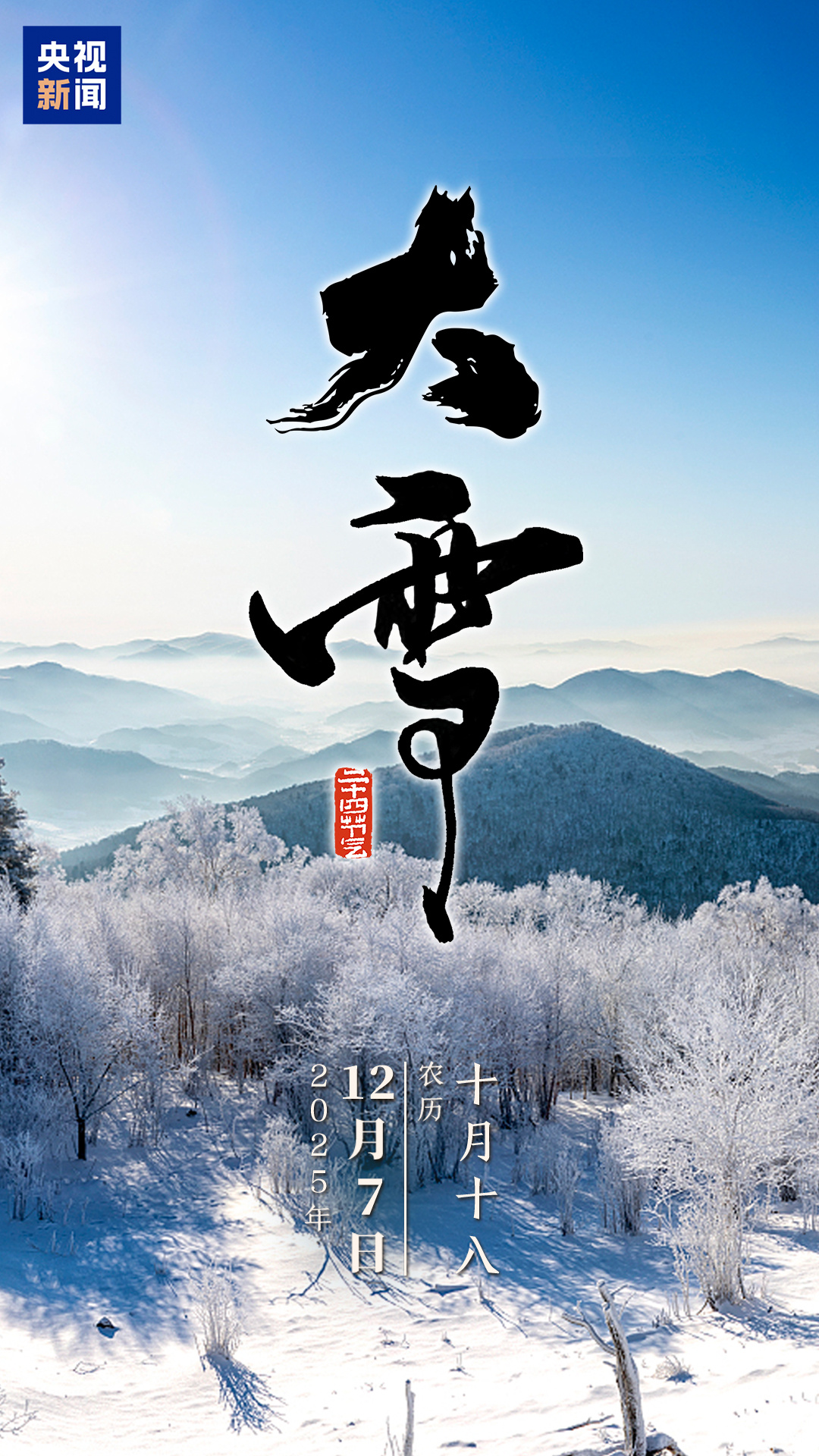
今日大雪,一组海报与你分享冬日快乐
Yang Shi Xin Wen Ke Hu Duan· 2025-12-07 01:56
Group 1 - The "Great Snow" solar term marks the third solar term of winter, indicating a significant drop in temperature and shorter daylight hours [9] - During this period, people are advised to focus on warmth and protection against the cold, emphasizing the importance of dressing warmly [10][11] - The "Great Snow" season is also seen as a time for health preservation, following principles from traditional Chinese medicine, such as ensuring adequate sleep [15] Group 2 - Snow cover during this season helps to insulate the soil, preventing freezing and protecting against pests, while also reserving moisture for the upcoming crop growth [17]

如何健康过冬?这份详尽指南请收好
Zhong Guo Qing Nian Bao· 2025-12-06 02:03
Group 1 - The article emphasizes the importance of tailored dietary supplements during winter, highlighting that not all individuals should follow the same supplementation practices due to varying body constitutions [2][3] - It is advised that individuals with Qi deficiency and Yang deficiency can consume foods like lamb, yam, and lotus seeds, while those with Yin deficiency and excess heat should opt for cooling foods such as lily, duck, and American ginseng [2] - The article warns against the indiscriminate use of "goufang" (traditional Chinese medicinal pastes), stating that it is not suitable for everyone and should be prescribed based on individual constitution [3] Group 2 - The article discusses the common issue of winter fatigue and low mood, suggesting that increased sleep duration and exposure to sunlight can help alleviate these feelings [4][5] - Recommendations for improving energy levels include morning sunlight exposure, acupressure on specific points, and the use of aromatic substances like mint and rosemary [4] - The article also mentions the potential benefits of moderate coffee consumption in the morning to boost energy, while cautioning against excessive intake that could lead to insomnia [5] Group 3 - The article highlights the significance of appropriate physical activity during winter, recommending low-intensity aerobic exercises such as walking and Tai Chi to promote blood circulation without excessive sweating [6] - It advises that outdoor activities should be scheduled during warmer parts of the day to avoid cold-related health issues [6]
冬补藏安康 沈阳中医药文化市集热闹开集
Zhong Guo Xin Wen Wang· 2025-11-23 01:58
Core Insights - The event "Traditional Chinese Medicine Culture Market" aims to promote TCM culture and meet public health needs during winter, organized by Shenyang Health Commission and Shenyang Traditional Chinese Medicine Hospital [1] Medical Sector - The medical section focuses on winter diseases and body conditioning, featuring a team of renowned TCM experts providing free pulse diagnosis, tongue diagnosis, and personalized treatment services [1] - Specialized consultations and preventive guidance are offered for common winter illnesses such as cardiovascular diseases, respiratory diseases, and children's recurrent respiratory infections [1] Health and Wellness Sector - Free experiential areas for acupuncture, massage, cupping, scraping, and ear acupressure are set up to allow citizens to experience TCM techniques [2] - Activities include group teaching and demonstrations of traditional exercises like Baduanjin and Tai Chi, promoting physical activity for health [2] - Interactive games and handcraft projects are organized to engage youth in TCM culture, including making herbal sachets and traditional medicinal products [2] Cultural and Creative Sector - The cultural section features free tastings of classic winter health dishes such as ginger lamb soup and red date tea, alongside the sale of health products and cultural merchandise [2] - Traditional medicine-making techniques are showcased, allowing citizens to participate in the creation of herbal products and learn about ancient methods [2] Industry Sector - A display area for local medicinal materials highlights the geographical advantages and medicinal value of Liaoning's native herbs [3] - TCM enterprises present products like health food packages and smart moxibustion devices, integrating TCM with modern health technology [3] - An AI TCM diagnostic area utilizes wearable devices to collect health data, predicting potential health risks and providing preventive advice based on big data analysis [3]
年轻人加入冬季养生局:“00后”订单同比涨43%
Nan Fang Du Shi Bao· 2025-11-13 15:48
Core Insights - The early onset of winter in northern China has led to a surge in bookings for ski and hot spring accommodations, indicating a strong demand for winter tourism [1][2][3] Ski Accommodation Trends - As of November 10, 2025, ski accommodation bookings in Zhangjiakou's Chongli area have increased by 60% year-on-year, making it the top destination for ski lodgings in China [1][3] - Nationwide, ski accommodation bookings are up approximately 15% for the new snow season, with regions like Jilin and Xinjiang seeing their orders double [2][3] - There is a growing trend for longer stays, with nearly 20% of bookings in Chongli being for 7 days or more, reflecting a 13% increase in such reservations [2][3] Hot Spring Accommodation Trends - Bookings for hot spring accommodations featuring keywords like "private hot spring" and "spa" have grown by over 30% year-on-year [1][4] - The demographic shift shows that "post-00s" are increasingly participating in winter wellness tourism, with their orders rising by 43% [4][5] - Popular hot spring destinations include cities in Northeast and Southwest China, with notable increases in bookings in places like Baoshan, which saw a 73% rise [5] Service Enhancements - Many ski accommodations are enhancing their services, offering amenities such as ski equipment rentals, meal delivery, and wellness services like massages and hot springs [3] - The concept of "ski-in/ski-out" accommodations is gaining traction, with bookings for these types of lodgings increasing by 150% [3]