
反垄断监管

Search documents
特朗普回应Netflix并购华纳:市场份额飙升需审查,我将参与决策
Feng Huang Wang· 2025-12-08 00:32
Core Viewpoint - The recent acquisition of Warner Bros. Discovery by Netflix is expected to face significant scrutiny from antitrust regulators due to the substantial market share the combined entity will hold [1][2] Group 1: Acquisition Details - Netflix announced the acquisition of Warner Bros. Discovery at a price of $27.75 per share, combining cash and stock, successfully outbidding Paramount's Skydance [2] - The deal is seen as a transformative move in the streaming industry, potentially altering the competitive landscape [2] Group 2: Regulatory Concerns - President Trump expressed concerns regarding the merger, indicating that the combined market share of Netflix and Warner Bros. Discovery will require careful examination by economists [1] - Despite a positive personal relationship with Netflix's co-CEO Ted Sarandos, Trump made it clear that there are no guarantees for regulatory approval of the merger [1]


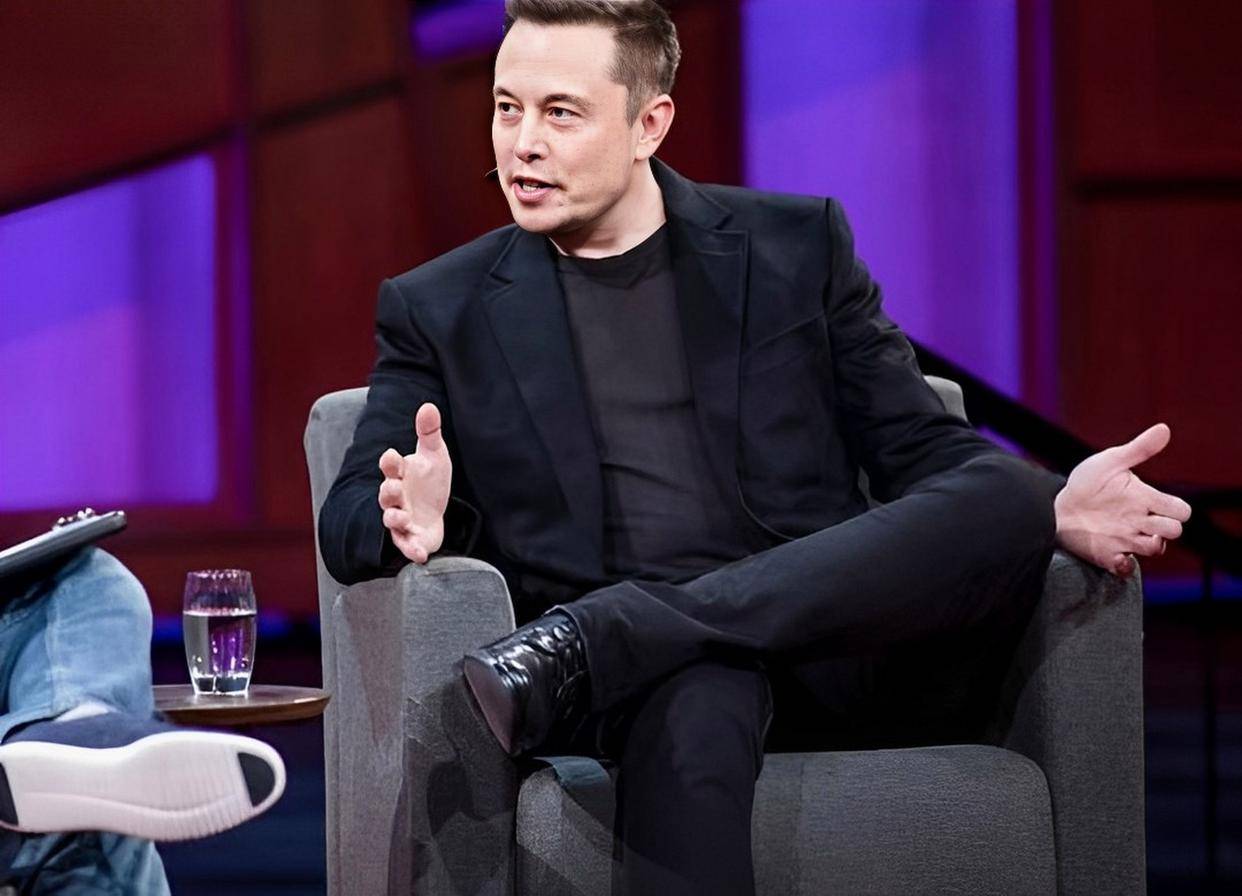
马斯克采访时再提微信,感叹中国用户靠一个App搞定生活,西方十年都学不来
Sou Hu Cai Jing· 2025-12-06 04:26
Core Viewpoint - Elon Musk is striving to transform his X platform into a comprehensive application akin to China's WeChat, highlighting the cultural and regulatory challenges he faces in the Western market [1][4]. Group 1: Cultural and Psychological Barriers - The Western perception of social and financial services as separate domains creates a psychological barrier for users, making them resistant to integrating these functions on a single platform [4]. - A significant majority of Americans express distrust towards how tech companies handle personal data, with over 80% concerned about potential misuse of their information [4]. Group 2: Existing Financial Infrastructure - The entrenched credit card system in the West, which has developed over more than fifty years, provides a robust financial ecosystem that includes consumer protections and rewards, making it difficult for new payment methods to gain traction [5]. - The convenience of credit cards, combined with their extensive benefits, poses a challenge for mobile payment solutions to prove their superiority [7]. Group 3: Regulatory Challenges - Increasing regulatory scrutiny in the West, particularly through measures like the EU's Digital Markets Act (DMA), poses a significant risk for Musk's plans to bundle services on the X platform, as it could lead to antitrust issues [9]. - The regulatory environment emphasizes preventing market dominance and ecosystem bundling, contrasting sharply with the integrated model of WeChat [9]. Group 4: Comparative Ecosystem Analysis - WeChat's success stems from its ability to evolve in a less developed service environment, rapidly integrating social and financial services into a single platform [11]. - The fragmented nature of the Western digital ecosystem, where various industries operate independently, offers users more choices but results in a less cohesive experience [11]. - The complex network of over 6 million developers and 50 million creators within WeChat's ecosystem forms a strong competitive advantage that is difficult to replicate [13].


苹果或面临高达380亿美元的罚款 相当于过去三个财年公司全球平均营业额的10%!发生了什么?
Mei Ri Jing Ji Xin Wen· 2025-11-28 05:25
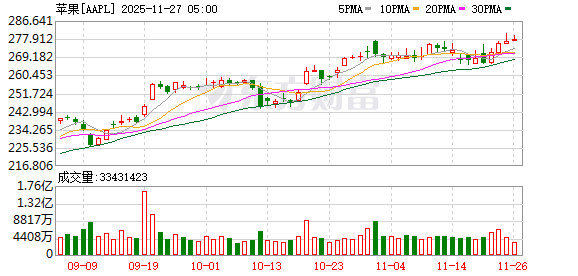
Group 1 - Apple is challenging an antitrust law in India, facing potential fines of up to $38 billion, which is 10% of its global average revenue over the past three fiscal years [2] - Apple denies the allegations and opposes the inclusion of its global revenue in the fine calculation by Indian regulators [2] - Analysts note that service revenue has become a major growth driver for Apple, but global regulatory pressures may introduce significant uncertainty to its profit outlook [2] Group 2 - Apple has requested the EU to abolish the Digital Markets Act, claiming it should implement more purpose-driven legislation [4] - The European Commission has responded firmly, stating that Apple has raised various objections to the Digital Markets Act since its enactment and has rejected negotiations to comply with the law [4] - Apple was previously fined €500 million for violating provisions of the Digital Markets Act, and an ongoing investigation into the company remains active [4]

六部门发文!事关促消费;万科债券疑将展期;俄回应“和平计划”丨每经早参
Mei Ri Jing Ji Xin Wen· 2025-11-26 22:03
Group 1 - The U.S. stock market saw all three major indices rise, with the Dow Jones up 0.67%, S&P 500 up 0.69%, and Nasdaq up 0.82% [5] - Major tech stocks mostly increased, with Oracle rising over 4%, AMD over 3%, and other notable gains from Nvidia, Tesla, Netflix, and Microsoft [5] - The U.S. economy is reportedly experiencing stagnation, with manufacturing and retail sectors facing cost pressures due to tariffs, and some companies indicating that AI is replacing entry-level jobs [5] Group 2 - European stock indices collectively rose, with the Euro Stoxx 50 up 1.50%, FTSE 100 up 0.89%, CAC 40 up 0.88%, DAX 30 up 1.19%, and FTSE MIB up 1.01% [6] - The Chinese government is implementing measures to enhance consumer goods supply-demand adaptability, aiming for significant improvements in supply structure by 2027 and a high-quality development pattern by 2030 [8] Group 3 - The Hong Kong High Court approved a change in the injunction for China Evergrande Group, allowing legal action against Xu Jiayin's ex-wife for assets exceeding $220 million [16] - Vanke's bond may be extended as Shanghai Pudong Development Bank convenes a meeting regarding the bond's repayment, indicating potential financial strain [18] - Xiaomi Group repurchased 7.5 million shares for over HKD 300 million, reflecting confidence in its stock value [19] Group 4 - Li Auto reported Q3 revenue of CNY 27.4 billion, maintaining a leading position among new energy vehicle companies, with a total of 93,211 vehicle deliveries [21] - The departure of a prominent analyst from GF Securities highlights significant changes in the brokerage industry amid declining commission revenues [22] - The former CBO of Zeekr has joined Honor, indicating a trend of talent movement within the automotive and technology sectors [25] Group 5 - Tesla's global VP clarified that the origin of suppliers does not exclude them from consideration, with over 95% localization of parts in its Shanghai factory [29] - Italy's antitrust authority has accused Meta of abusing its market dominance through changes in WhatsApp's business terms, reflecting increasing global regulatory scrutiny [30]


苹果开放日区Siri语音助手更换,第三方商店落地在即
2 1 Shi Ji Jing Ji Bao Dao· 2025-11-19 10:10
Core Insights - Apple is enabling Japanese iPhone users to replace Siri with third-party voice assistants and is also supporting third-party app stores, following the new Japanese law aimed at reducing monopolistic practices in the smartphone software market [1][2] Group 1: Regulatory Changes - The new law, effective December 18, 2023, mandates that dominant companies like Apple and Google must open their app stores and payment systems to third-party services [2] - Companies are prohibited from blocking third-party app stores, restricting developers' payment options, or discriminating against developers [2] - Violations of the law could result in fines of up to 20% of a company's domestic revenue, increasing to 30% for repeated offenses [2] Group 2: Impact on Developers - Developers, including those in the gaming sector, will benefit from diversified distribution and payment channels within the Japanese iOS ecosystem [3] - Smaller teams can now turn to third-party platforms if their games face challenges in passing App Store reviews, while larger companies may establish their own stores for direct user engagement [3] - Localized payment options such as PayPay and convenience store payments can be integrated directly, potentially reducing the commission costs that have historically ranged from 15% to 30% [3]
微信苹果达成关键协议
21世纪经济报道· 2025-11-14 10:00
Core Viewpoint - Apple announced a reduction in the App Store commission rate from 30% to 15% for certain developers, contingent upon their participation in the new "Mini Apps Partner Program" [1][3]. This move is seen as a strategy to balance interests with platforms like WeChat, Alipay, and Douyin [1]. Group 1: Apple and Tencent Agreement - Tencent has reached an agreement with Apple, allowing Apple to handle payments for WeChat mini-games and apps, taking a 15% cut [3]. - Currently, Apple charges a 30% commission on digital revenue for apps earning over $1 million annually, while those earning less pay 15% [3]. - Tencent's president acknowledged the strong relationship between Tencent and Apple, indicating ongoing discussions to enhance the mini-game ecosystem [3]. Group 2: Revenue Sharing and Market Impact - The new revenue-sharing model between Apple and Tencent is expected to impact the commercial ecosystem, although the exact effects remain to be seen [7]. - Most digital content apps and mini-programs primarily generate revenue through In-App Purchases (IAP), In-App Ads (IAA), or a hybrid model, with the 15% commission likely applying only to IAP [8]. - Advertising revenue typically does not go through Apple's payment channels, complicating the revenue-sharing structure [9]. Group 3: Market Dynamics and Developer Incentives - The mini-program market is rapidly growing, with projections indicating a revenue of 398.36 billion yuan in 2024, a 99.18% increase year-on-year [12]. - The agreement allows Tencent to tap into this growing market, which has been negatively impacted by the lack of in-app purchase support on iOS [12]. - The new arrangement may lead to more paid applications transitioning to mini-programs, potentially strengthening the market power of these platforms [14]. Group 4: Regulatory Context and Compliance Risks - Apple's adjustments in commission rates and payment processing are partly driven by increasing antitrust scrutiny in various regions [16][17]. - The "Mini Apps Partner Program" requires developers to integrate Apple's official software technologies, which may raise compliance risks under antitrust laws [18][20]. - The requirement for data sharing and the prohibition of third-party payment channels could be seen as an abuse of market dominance [20].

苹果腾讯讲和,微信小程序官宣接入iOS端虚拟支付
2 1 Shi Ji Jing Ji Bao Dao· 2025-11-14 08:36
Core Points - Apple announced a reduction in the App Store commission rate from 30% to 15% for certain app developers, contingent upon their participation in the new "Mini Apps Partner Program" [1][3] - This new policy is seen as a strategy for Apple to balance its revenue sources with platforms like WeChat, Alipay, and Douyin [1][3] Revenue Sharing - Apple will take a 15% cut from payments processed for WeChat mini-games and applications under a new agreement with Tencent [3] - Currently, the App Store charges a 30% commission on apps with annual revenues exceeding $1 million, while those below this threshold are charged 15% [3] - The 15% commission is expected to apply only to in-app purchases (IAP) and not to advertising revenue [7][8] Payment Channels - Apple's commission structure is primarily based on its payment channels, which allows it to track in-app purchases and enforce its revenue share [8] - Advertising revenue does not typically go through Apple's payment system, making it difficult for Apple to collect its commission from that segment [8] Market Dynamics - The current market commission rates do not support Apple's 15% revenue share proposal, as other platforms have varying rates [9][10] - Tencent's mini-games currently have a 15% commission on advertising revenue, while other operating systems have higher rates for in-app purchases [9][10] Strategic Implications - The agreement between Apple and Tencent reflects a mutual need to develop the iOS market, as the lack of in-app purchase support for mini-programs has negatively impacted user experience [14][15] - The new revenue-sharing model may lead to a shift of paid applications towards mini-program platforms, enhancing their market power and bargaining capabilities [15] Regulatory Context - Apple's adjustments in commission rates are influenced by increasing antitrust scrutiny in various regions, prompting the company to seek new revenue streams [16][17] - The "Mini Apps Partner Program" requires developers to integrate Apple's technology deeply, which may raise compliance risks under antitrust laws [20]
21调查|苹果腾讯讲和,微信小程序官宣接入iOS端虚拟支付
2 1 Shi Ji Jing Ji Bao Dao· 2025-11-14 08:16
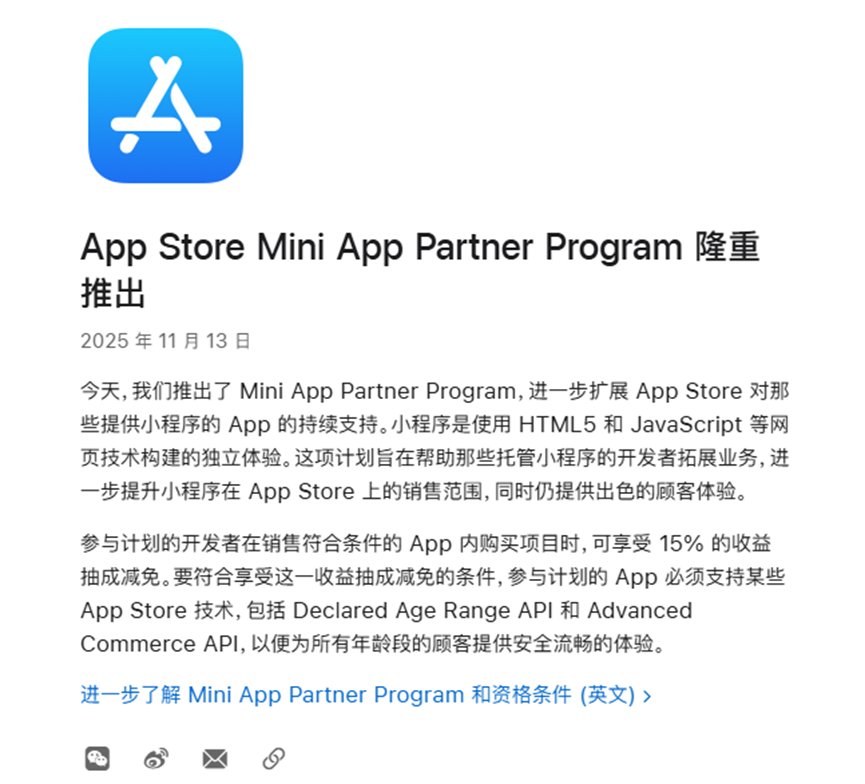
Core Viewpoint - Apple has announced a reduction in the App Store commission rate from 30% to 15% for certain app developers, contingent upon their participation in the new "Mini Apps Partner Program," which aims to balance interests with platforms like WeChat, Alipay, and Douyin [1][2]. Group 1: Commission Structure - The new commission structure allows Apple to take a 15% cut from developers with annual revenues exceeding $1 million, while those below this threshold will continue to pay 15% [1]. - Tencent has reached an agreement with Apple to handle payments for WeChat mini-games and apps, with Apple taking a 15% share [1][2]. - The commission of 15% is expected to apply only to in-app purchases (IAP) and not to advertising revenue [3]. Group 2: Payment Channels and Market Dynamics - Apple's commission, often referred to as "Apple tax," is primarily based on its payment channels, which allows it to track app revenue [4]. - Advertising revenue typically does not go through Apple's payment system, making it difficult for Apple to collect fees from this channel [4]. - Current market commission rates for similar platforms show that WeChat's IAA revenue share is around 15%, while other operating systems have higher rates, indicating that Apple's 15% may be competitive [5][6]. Group 3: Ecosystem Implications - The agreement between Apple and Tencent reflects a mutual need to enhance the iOS market, as the lack of in-app purchases for mini-programs has negatively impacted user experience and platform ecology [10]. - The new commission structure may lead to a shift of paid applications to mini-program platforms, potentially increasing their market power and bargaining capabilities [11]. - The agreement also suggests a redefinition of the responsibilities and influence among ecosystem participants, including hardware platforms, mini-program platforms, developers, and users [11]. Group 4: Regulatory Context - Apple's adjustments in commission rates and payment structures are influenced by increasing antitrust scrutiny in various regions, prompting the company to seek revenue growth through partnerships with mini-program platforms [12][13]. - The "Mini Apps Partner Program" requires developers to integrate Apple's technology and share user data, which raises potential compliance risks under antitrust laws [14].
侵犯隐私、扼杀创新!苹果(AAPL.US)呼吁欧盟废除《数字市场法案》
智通财经网· 2025-09-25 06:57
Core Viewpoint - Apple is urging EU antitrust regulators to repeal the Digital Markets Act (DMA), claiming it poses privacy risks to users and could stifle innovation [1][2] Group 1: Apple's Opposition to DMA - Apple has reiterated its opposition to the DMA, which was implemented by the EU to protect consumer rights and prevent large tech companies from abusing their dominant positions [1] - The company emphasizes that while it is complying with the rules, it calls for a closer examination of the regulations' impact on individuals and businesses in the region [1][2] Group 2: Risks Associated with DMA - Apple argues that mandatory use of external payment services and allowing sideloading could expose iPhone users to malware and scams [2] - The company also expresses concerns that allowing other companies to access user data could lead to sensitive information leaks [2] Group 3: Financial Implications and Penalties - In April, the EU Commission fined Apple €500 million (approximately $588 million) for violating rules that allow developers to direct users to shop outside the Apple Store, which Apple is appealing [2] - The DMA targets companies with annual sales of at least €7.5 billion or a market capitalization of €75 billion in the 27 EU countries [2] - Other large tech companies, such as Meta, have also faced fines under this regulation, with the EU imposing significant penalties on firms like Google, totaling over $8 billion [2]
谷歌反垄断裁决获胜 股价上涨6.7%未来市场竞争力待考
Xin Lang Cai Jing· 2025-09-02 21:12
Core Points - A recent antitrust ruling by a U.S. court determined that Google is not required to sell its Chrome browser or divest its Android operating system, leading to a 6.7% increase in Google's stock price in after-hours trading [1] - The ruling is part of a broader initiative by the U.S. government to regulate large tech companies, including Meta Platforms, Amazon, and Apple, to control their market dominance [1] - Google is also facing another lawsuit from the U.S. Department of Justice regarding its alleged illegal monopoly in the online advertising technology sector, which may further impact its business model [2] Group 1 - The court's decision directly addressed the prosecutors' demands to reduce Google's market influence by selling Chrome and Android, which are key products in the smartphone operating system market [1] - The ruling requires Google to share information with competitors to address its monopoly behavior in the online search space [1] - Analysts suggest that despite the legal challenges, Google's retention of its main product lines may help maintain its competitive edge in the short term [2] Group 2 - The European Union is also monitoring Google's market behavior but has paused part of its penalty plans related to Google's abuse of its advertising technology dominance, potentially influenced by geopolitical factors [2] - The expected internal deadline for EU fines against Google has been postponed, which may involve further constraints on Google's business model [2] - The evolving legal landscape indicates that Google's market practices will face increased scrutiny, necessitating strategic adjustments in response to changing market conditions and regulatory requirements [2]
