
国际储备多元化

Search documents
7月中国减持美国国债257亿美元!持仓规模创2009年以来新低
证券时报· 2025-09-19 07:28
Group 1 - The core viewpoint of the article highlights the significant changes in foreign holdings of U.S. Treasury securities, particularly noting China's substantial reduction in its holdings to a record low since 2009, while Japan and the UK have increased their investments [1][2]. Group 2 - As of July, foreign investors held a total of $9.1587 trillion in U.S. Treasury securities, with China holding $730.7 billion, a decrease of $25.7 billion from June [1]. - Japan's holdings reached $1.1514 trillion, increasing by $3.8 billion, continuing a trend of accumulation throughout the year [1]. - The UK also saw a significant increase, holding $899.3 billion after adding $41.3 billion in July [1]. - Since April 2022, China has been gradually reducing its U.S. Treasury holdings, with a focus on diversifying its international reserves and adjusting gold reserves [1]. - In July, foreign investors net increased their holdings of U.S. securities by $2.1 billion, with private foreign capital contributing a net increase of $22.6 billion, while official foreign capital shifted from net buying to net selling, decreasing by $20.5 billion [2]. - U.S. investors also increased their overseas long-term securities holdings, net buying $29.6 billion [2].


央行连续第10个月增持黄金,持续增持成为常态
Di Yi Cai Jing· 2025-09-07 02:55
据世界黄金协会数据,2024年全球黄金需求总量达4974吨,创历史新高。欧洲中央银行6月11日发布的 报告称,2024年各国(或地区)央行持有的黄金储备达20%,仅次于美元的46%,超过欧元的16%,接 近布雷顿森林体系时期的水平,成为2024年按市场价格计算的第二大全球储备资产。 国家金融与发展实验室特聘高级研究员庞溟认为,从长期来看,黄金在避险、抗通胀、长期保值增值等 方面仍存在不可替代的优点,兼具金融和商品的多重属性,因此我国央行推进国际储备多元化、在组合 配置中加入和动态调整黄金储备的战术操作不会改变,持续增持黄金的战略方向也不会改变。 东方金诚首席宏观分析师王青也判断,未来央行增持黄金仍是大方向。截至7月末,我国官方国际储备 资产(主要由外汇储备和黄金储备构成)中黄金的占比为7.0%,明显低于15%左右的全球平均水平。从 优化国际储备结构角度出发,未来需要持续增持黄金储备,适度减持美债。此外,黄金是全球广泛接受 的最终支付手段,央行增持黄金能够增强主权货币的信用,为稳慎推进人民币国际化创造有利条件。由 此,从优化国际储备结构、稳慎扎实推进人民币国际化,以及应对当前国际环境变化等角度出发,未来 央行增 ...
央行连续第10个月增持黄金,持续增持成为常态
第一财经· 2025-09-07 02:54
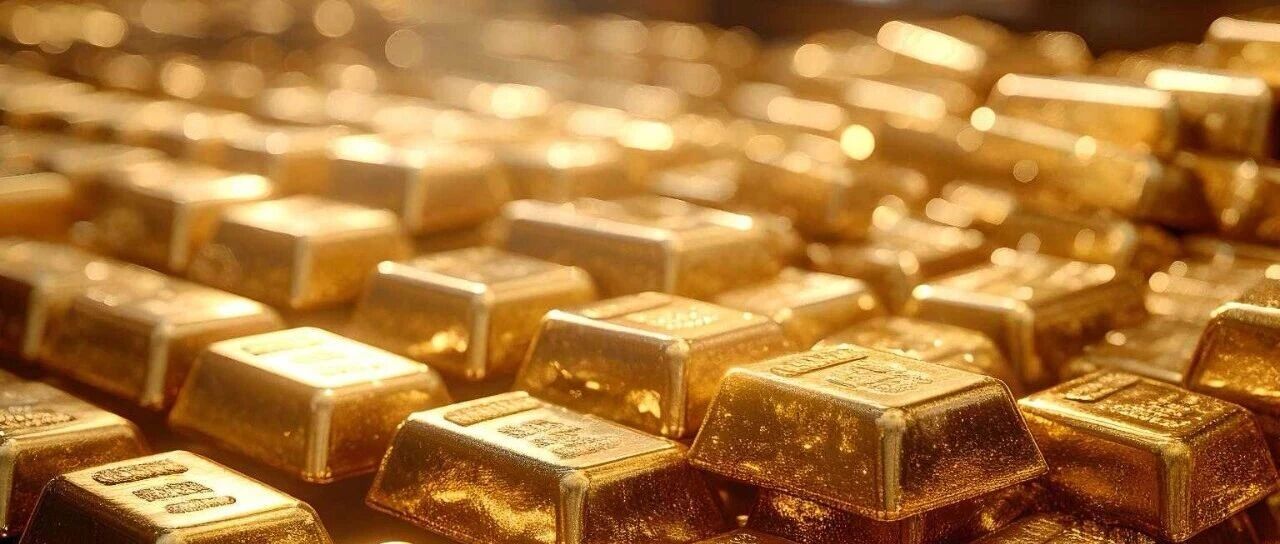
央行数据显示, 中国8月末黄金储备7402万盎司,7月末黄金储备报7396万盎司,为连续第10个月 增持黄金。 7月31日,世界黄金协会(WGC)发布的二季度全球黄金需求报告显示,"购金主力军"全球央行的 购买量有所放缓,在二季度净购金166吨,增储量同比减少21%。但上半年总体维持在五年平均水 平以上,较十年平均水平高出40%以上,预计未来仍将成为购金主力。同时,此前美国非农数据"爆 雷"带动美联储9月降息预期大增,也有望助力金价。 据世界黄金协会数据,2024年全球黄金需求总量达4974吨,创历史新高。欧洲中央银行6月11日发 布的报告称,2024年各国(或地区)央行持有的黄金储备达20%,仅次于美元的46%,超过欧元的 16%,接近布雷顿森林体系时期的水平,成为2024年按市场价格计算的第二大全球储备资产。 国家金融与发展实验室特聘高级研究员庞溟认为,从长期来看,黄金在避险、抗通胀、长期保值增值 等方面仍存在不可替代的优点,兼具金融和商品的多重属性,因此我国央行推进国际储备多元化、在 组合配置中加入和动态调整黄金储备的战术操作不会改变,持续增持黄金的战略方向也不会改变。 东方金诚首席宏观分析师 王青也判 ...
央行“八连增”黄金究竟有何深意?
Zheng Quan Ri Bao· 2025-08-08 07:19
Core Viewpoint - The People's Bank of China (PBOC) has increased its gold reserves for eight consecutive months, reaching 73.9 million ounces, reflecting a strategic move to diversify international reserves, support the internationalization of the Renminbi, and address global economic uncertainties [1][2][4]. Group 1: Optimization of International Reserves - The continuous increase in gold reserves by the PBOC is a proactive measure to optimize the composition of international reserves [2]. - The share of the US dollar in global foreign exchange reserves has dropped to a historical low due to rising US debt and economic slowdown, weakening dollar credibility [2]. - Gold, as a non-sovereign credit reserve asset, serves as an ideal hedge against the depreciation of dollar assets, aligning with global trends and strengthening the resilience of international reserve assets [2]. Group 2: Strengthening Renminbi Internationalization - The PBOC's consistent gold purchases serve as a credit foundation for the internationalization of the Renminbi [3]. - A recent survey indicates that central banks expect the share of currencies like the Euro and Renminbi, along with gold, to rise in global reserves over the next five years, reflecting a shift towards a multipolar international monetary system [3]. - The PBOC's orderly increase in gold reserves signals the solid value support of the Renminbi, promoting its use in trade settlements, investment financing, and foreign exchange reserves [3]. Group 3: Addressing Global Economic Uncertainties - The global economy faces significant challenges due to geopolitical tensions, making gold an attractive asset with hedging properties, anti-inflation capabilities, and long-term value stability [4]. - Gold meets the core demands of international reserve management for safety, liquidity, and value preservation, acting as a stabilizer in complex international environments [4]. - The PBOC's steady monthly increase in gold reserves helps mitigate market volatility and provides a reliable buffer against external shocks [4].
32922亿美元!外汇局最新发布
天天基金网· 2025-08-08 05:05
Core Viewpoint - The article discusses the recent changes in China's foreign exchange reserves and gold reserves, highlighting the stability and potential of China's economy despite fluctuations in global financial markets [1][2][3]. Foreign Exchange Reserves - As of July 2025, China's foreign exchange reserves stood at 32,922 billion USD, a decrease of 252 billion USD from June, representing a decline of 0.76% [1][3]. - The State Administration of Foreign Exchange (SAFE) indicates that the current level of foreign exchange reserves is slightly above 3 trillion USD, which is considered adequate to support the stability of the RMB exchange rate and to withstand external shocks [1][3]. - Analysts believe that China's economic fundamentals remain strong, with supportive policies expected to maintain a stable foreign exchange reserve level [1][3]. Gold Reserves - By the end of July 2025, China's gold reserves reached 7,396 million ounces, an increase of 6 million ounces, marking the ninth consecutive month of gold accumulation by the central bank [2][3]. - The increase in gold reserves is viewed as a strategy to enhance the credibility of the sovereign currency and to facilitate the internationalization of the RMB [3][4]. - Experts suggest that gold retains advantages in terms of risk aversion, inflation resistance, and long-term value preservation, supporting the diversification of international reserves [4].

7月末外储规模小幅下降 央行连续9个月增持黄金
Zhong Guo Zheng Quan Bao· 2025-08-07 21:11
Group 1 - As of July 2025, China's foreign exchange reserves stood at $32,922 billion, a decrease of $252 billion from the end of June, representing a decline of 0.76% [1] - The decline in foreign exchange reserves was influenced by macroeconomic data, monetary policy, and expectations from major economies, alongside fluctuations in asset prices and exchange rates [1] - China's foreign exchange reserves are considered to be at a moderately sufficient level, which supports the stability of the RMB exchange rate and acts as a buffer against potential external shocks [1] Group 2 - As of the end of July, China's gold reserves increased to 7,396 million ounces, up by 6 million ounces, marking the central bank's continuous increase in gold holdings for nine consecutive months [1] - The central bank's increase in gold reserves is aimed at enhancing the credibility of the sovereign currency and facilitating the cautious advancement of RMB internationalization [2] - The long-term strategy of diversifying international reserves and incorporating gold into the reserve mix remains unchanged, as gold is viewed as a hedge against inflation and a means of long-term value preservation [2]
七月外汇储备保持稳定 央行黄金九连增
Zheng Quan Shi Bao· 2025-08-07 18:22
Group 1 - The latest statistics from the State Administration of Foreign Exchange show that as of the end of July 2025, China's foreign exchange reserves stood at $329.22 billion, a decrease of $25.2 billion from the end of June, representing a decline of 0.76% [1] - China's foreign exchange reserves have remained above $3.2 trillion for 20 consecutive months, indicating stability in the reserves despite fluctuations in global financial asset prices [1] - The appreciation of the US dollar and depreciation of non-US currencies have contributed to the decrease in foreign exchange reserves when calculated in dollar terms [1] Group 2 - The People's Bank of China has been increasing its gold reserves consistently for nine months, with the official gold reserves reaching 7.396 million ounces by the end of July, an increase of 60,000 ounces from the previous month [1] - The monthly increase in gold reserves has been maintained at around 60,000 to 70,000 ounces since April, reflecting a strategic balance between optimizing reserve structure and controlling acquisition costs [2] - It is anticipated that countries will continue to increase their gold reserves in the medium term, with a long-term strategy of diversifying international reserves and dynamically adjusting gold holdings [2]
央行连续9个月扩大黄金储备 专家表示持续增持黄金大方向不会变
Zheng Quan Ri Bao· 2025-08-07 16:27
Group 1 - As of the end of July 2025, China's foreign exchange reserves stood at $329.22 billion, a decrease of $25.2 billion from the end of June, representing a decline of 0.76% [1] - The decline in foreign exchange reserves was influenced by macroeconomic data, monetary policy, and expectations from major economies, leading to an increase in the US dollar index and a mixed performance in global financial asset prices [1][2] - The US dollar index rose by 3.4% in July, reaching a peak of 100.1042 on July 31, marking the highest level since May 23 [1] Group 2 - The depreciation of non-US currencies against the dollar resulted in a negative valuation effect on foreign exchange reserves, as the reserves are denominated in dollars [1] - The People's Bank of China has increased its gold reserves to 7.396 million ounces as of the end of July, adding 60,000 ounces since the end of June, continuing a trend of increasing gold holdings for nine consecutive months [2] - The long-term outlook for gold remains positive due to its advantages in hedging against risks, inflation, and maintaining value, with central banks expected to continue increasing gold investments amid global uncertainties [3]
央行连续9个月增持黄金!外汇储备继续站稳3.2万亿美元
Sou Hu Cai Jing· 2025-08-07 12:26
Group 1 - As of the end of July 2025, China's foreign exchange reserves stood at $32,922 billion, a decrease of $252 billion from the end of June, marking a decline of 0.76% [1][2] - The decline in foreign exchange reserves was influenced by macroeconomic data, monetary policy expectations, and fluctuations in global financial asset prices, with the dollar index rising [2][3] - China's foreign exchange reserves have remained above $3.2 trillion for 20 consecutive months, indicating stability in the overall scale [2] Group 2 - As of the end of July 2025, China's official gold reserves reached 73.96 million ounces, an increase of 60,000 ounces from the previous month, with the central bank having increased its gold holdings for nine consecutive months [3] - The People's Bank of China has maintained a consistent monthly increase in gold reserves, typically around 60,000 to 70,000 ounces since April [3] - Global central banks continue to purchase gold at significant levels despite a slowdown in the pace of buying, driven by ongoing economic and geopolitical uncertainties [3]
外储变动受多重因素影响,央行持续增持黄金成常态
Di Yi Cai Jing· 2025-08-07 11:08
Core Insights - China's official gold reserves have increased for nine consecutive months, with a total of 7,396 million ounces as of the end of July, reflecting a month-on-month increase of 6,000 ounces [1][4][6] - As of the end of July, China's foreign exchange reserves stood at $32,922 billion, a decrease of $25.2 billion or 0.76% from the end of June, primarily due to fluctuations in the dollar index and asset prices [1][2][3] Foreign Exchange Reserves - The decline in foreign exchange reserves is attributed to a significant rise in the dollar index, which increased by 3.39% at the end of July compared to the end of June, reversing a five-month downward trend [2][3] - The depreciation of non-dollar currencies, including the Japanese yen, euro, and British pound, against the dollar has also contributed to the decrease in foreign reserves, as these reserves are primarily dollar-denominated [2][3] Gold Reserves Strategy - The continuous increase in gold reserves is seen as a strategic move to optimize the international reserve structure, with the current gold share in China's international reserves at 7.0%, significantly below the global average of around 15% [4][6] - Analysts predict that the trend of increasing gold reserves will continue, driven by the need to enhance the credibility of the sovereign currency and support the gradual internationalization of the renminbi [6] Market Outlook - The World Gold Council reported that global gold demand is expected to reach a historical high of 4,974 tons in 2024, with central banks remaining the primary buyers despite a slowdown in purchases in the second quarter [5] - The outlook for gold prices remains positive, with forecasts suggesting potential increases due to ongoing economic uncertainties and inflation concerns [4][5]