混合现实

Search documents
库克下月满65岁 苹果或迎特努斯时代|画说热点
Sou Hu Cai Jing· 2025-10-18 02:39
Core Insights - Tim Cook has been at the helm of Apple for 15 years, succeeding Steve Jobs, and is characterized by a more conventional executive style compared to Jobs' charismatic leadership [2][40] Background and Early Career - Tim Cook was born on November 1, 1960, in Mobile, Alabama, in a rural family [4] - He graduated from Auburn University in industrial engineering and developed a traffic signal optimization system during his studies [6] - Cook began his career at IBM in 1982, later held positions at Intelligent Electronics and Compaq, before joining Apple in 1998 as Senior Vice President of Worldwide Operations [8] Leadership Transition - Cook became COO of Apple in 2011 and was invited by Jobs to consider the CEO position shortly before Jobs' passing [10][12] - Upon taking over, Cook faced skepticism due to his different public persona and the challenges of leading a company with a legacy like Apple's [14][16] Product Development and Innovation - Under Cook's leadership, Apple expanded its product line with new offerings like the Apple Watch, AirPods, and AirTag, alongside the continued success of the iPhone [18][20] - The iPhone 6 series, launched in 2014, became the highest-selling iPhone model with over 250 million units sold [20] - The Apple Watch quickly became the market leader in smartwatches, outselling the entire Swiss watch industry [22] - AirPods captured nearly half of the global wireless earphone market share by 2020 [24] Corporate Culture and Values - Cook has shifted Apple's corporate culture towards teamwork and collaboration, contrasting with Jobs' competitive approach [30][32] - He has emphasized philanthropy, environmental responsibility, and diversity, reshaping Apple's values since becoming CEO [28][32] Future Leadership - As Cook approaches retirement age, speculation about his successor has intensified, with hardware engineering VP John Ternus emerging as a leading candidate [40][42] - Ternus, a mechanical engineer with a strong track record at Apple, is seen as capable of leading the company into its next chapter, especially in emerging technologies [44][58]



A股收评:尾盘回升!沪指收0.19%,科创50指数涨1.4%,稀土、黄金板块爆发
Ge Long Hui· 2025-10-13 07:09
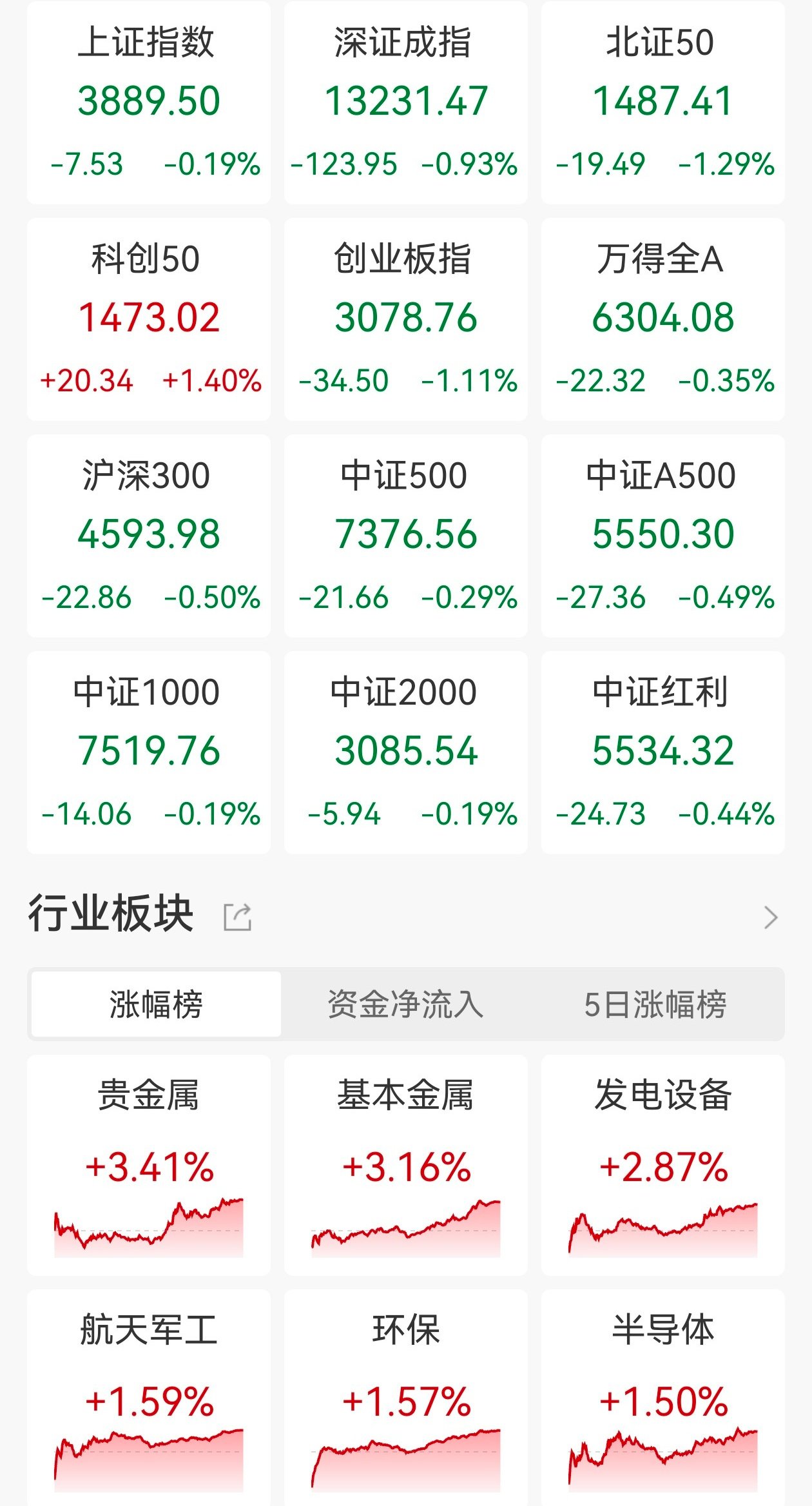
Core Points - The US-China economic and trade tensions have escalated, leading to a collective decline in major A-share indices in the morning session, although they recovered slightly by the end of the trading day [1] - The Shanghai Composite Index closed down 0.19% at 3889 points, while the Shenzhen Component Index fell 0.93% and the ChiNext Index dropped 1.11%. The Sci-Tech 50 Index, however, rose by 1.4% [1] - The total market turnover was 2.37 trillion yuan, a decrease of 159.9 billion yuan compared to the previous trading day, with over 3600 stocks declining [1] Market Performance - The Shanghai Composite Index: 3889.50, down 0.19% [1] - The Shenzhen Component Index: 13231.47, down 0.93% [1] - The ChiNext Index: 3078.76, down 1.11% [1] - The Sci-Tech 50 Index: 1473.02, up 1.4% [1] - The total market turnover: 2.37 trillion yuan, down 159.9 billion yuan [1] Sector Performance - The Ministry of Commerce implemented export controls on rare earth-related items, leading to a surge in the rare earth sector, with stocks like Galaxy Magnetic and New Lai Fu hitting the daily limit [1] - International gold prices reached new highs, boosting the precious metals and gold sectors, with stocks like Western Gold and Zhaojin Gold also hitting the daily limit [1] - The photolithography machine concept stocks rose, with New Lai Materials hitting the daily limit [1] - The controllable nuclear fusion sector strengthened as Shanghai promotes the establishment of China Fusion Energy Co., with stocks like Hezhan Intelligent also hitting the daily limit [1] - Other sectors that performed well included small metals, SMIC concept stocks, and electronic chemicals [1] - Conversely, the robotics and reducer sectors declined, with Siling Co. leading the losses [1] - The automotive parts sector fell sharply, with Ningbo Huaxiang dropping over 8% [1] - The consumer electronics sector saw widespread declines, with Xiechuang Data falling over 6% [1] - Other sectors with significant declines included mixed reality, CRO, Xiaomi automotive, and weight loss drugs [1] Top Gainers - Precious metals: +3.41% [2] - Power generation equipment: +2.87% [2] - Basic metals: +3.16% [2] - Environmental protection: +1.59% [2] - Semiconductors: +1.57% [2] - Aerospace and military industry: +1.50% [2]
库克下月满65岁,苹果将迎来“特努斯时代”?为什么是他!
Sou Hu Cai Jing· 2025-10-12 12:23
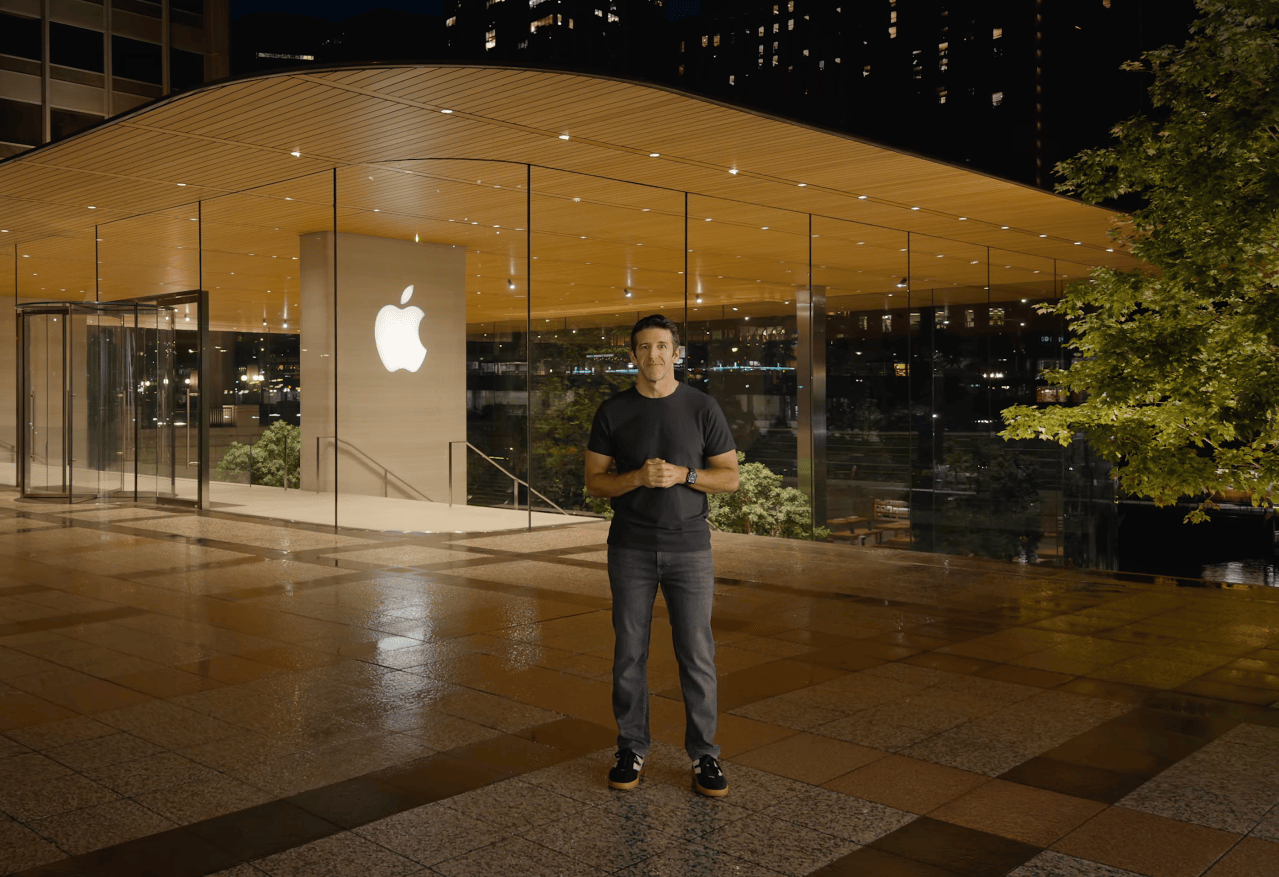
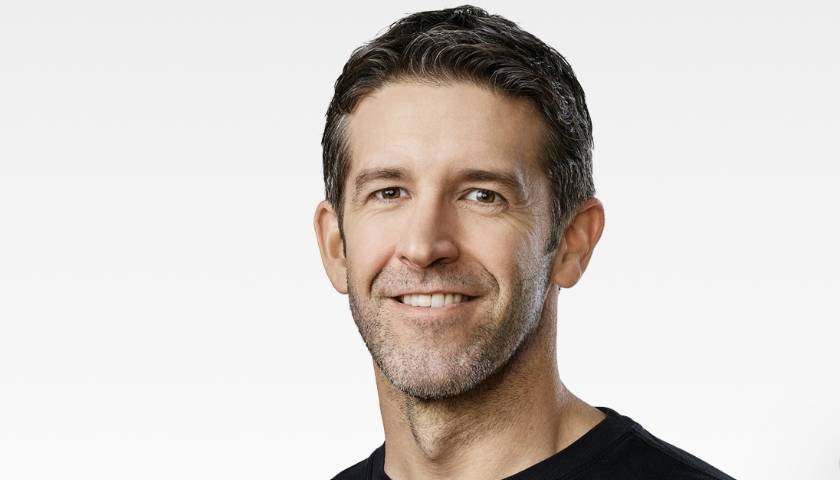
Core Insights - Apple CEO Tim Cook will turn 65 on November 1, and while he has not officially announced retirement, the company is reportedly preparing for a smooth leadership transition [1] - Hardware engineering senior vice president John Ternus is seen as the most likely successor to Cook, with the company actively promoting him [1][6] - Ternus has been given significant responsibilities and visibility, indicating a potential shift in leadership strategy [8] Group 1: Leadership Transition - Tim Cook has been CEO since 2011, succeeding Steve Jobs [1] - Speculation about the next CEO has been ongoing, with Ternus emerging as a central figure in succession plans [1][6] - Ternus has been featured prominently in recent product launches, suggesting a strategic push from Apple to prepare him for a leadership role [1] Group 2: John Ternus Profile - John Ternus, aged 50, is a mechanical engineer and has been with Apple since 2001, playing a key role in product design during a pivotal time for the company [3][5] - He has held various positions, including vice president of hardware engineering, and was promoted to senior vice president in January 2021 [5] - Ternus's background in hardware engineering and his experience with key products like AirPods and iPhones position him well for future leadership [5] Group 3: Reasons for Ternus's Favorability - The departure of COO Jeff Williams has elevated Ternus as the leading candidate for succession [6] - At 50, Ternus is the same age as Cook was when he took over, suggesting he could lead Apple for over a decade [6] - Ternus is well-regarded by Apple enthusiasts and has gained Cook's trust, indicating strong internal support for his potential leadership [8] Group 4: Strategic Implications - The choice of Ternus may reflect Apple's future strategic direction, particularly in emerging technologies like mixed reality and artificial intelligence [8] - Analysts suggest that the board may prefer a technically skilled leader to navigate the next chapter for Apple, especially given the challenges in cutting-edge technology areas [8] - There is speculation that Cook may remain involved with the company in some capacity after stepping down, similar to other tech leaders [8]
激发影视产业带动效应
Jing Ji Ri Bao· 2025-10-11 22:11
Core Insights - The second Golden Panda Awards event in Chengdu, Sichuan, resulted in the signing of 64 film and television industry projects, with a total contract value exceeding 12 billion yuan [1] - The film and television industry plays a significant role in enhancing cultural influence and market demand, while also driving local economic growth through integration with various sectors such as tourism and dining [1] - There is a growing concern regarding the overemphasis on commercial benefits and traffic gains in some local film projects, which may neglect cultural quality and sustainable development [1][2] Summary by Sections Economic Impact - The film industry activates local economies through on-site filming, which generates cash flow by renting venues, purchasing materials, and hiring temporary actors [2] - Successful film projects can serve as incubators for city IPs, thereby restructuring regional industrial ecosystems [2] - Policy guidance and efficient collaboration within industry clusters are crucial for maximizing the economic effectiveness of the film industry [2] Challenges and Concerns - Some industry practitioners focus excessively on short-term traffic and box office profits, lacking the ability to create quality content and a long-term vision [2] - This short-sighted approach may hinder the organic integration of the film industry with regional economic development and negatively impact local cultural dissemination [2] Recommendations for Development - To promote high-quality development in the film industry, a collaborative effort is needed to create a positive creative environment that balances cultural and commercial values [3] - Innovation in creative methods is essential, utilizing new technologies such as artificial intelligence and augmented reality to enhance film development and diversify the industry [3]
权力交接悄然开启?苹果硬件工程高级副总裁或成库克继任者
Sou Hu Cai Jing· 2025-10-10 02:55
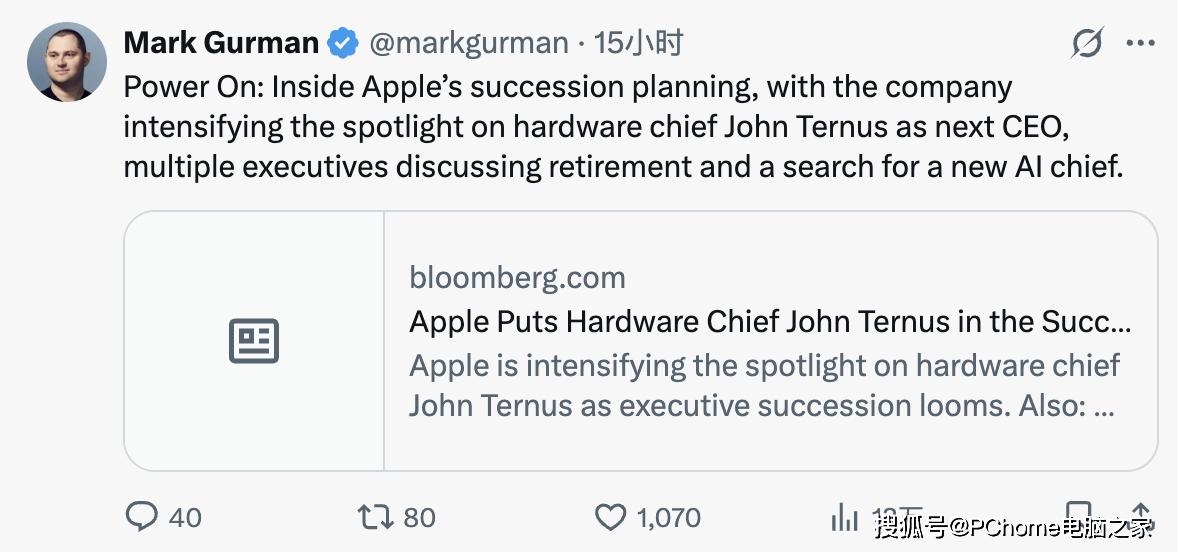
Core Insights - Apple CEO Tim Cook is approaching retirement age, with John Ternus, the Senior Vice President of Hardware Engineering, being viewed as the leading candidate for succession [1][2] - Ternus has a strong background in hardware engineering and has been with Apple since 2001, leading significant product developments [1][2] - The need for a technology expert to drive innovation in emerging fields like mixed reality and AI is critical for Apple's future [2] Group 1: Leadership Transition - John Ternus is seen as a suitable successor to Tim Cook, being 50 years old and potentially able to lead Apple for a decade or more [2] - Ternus has gained significant trust from Cook and has been involved in strategic decisions beyond hardware engineering [4] - Cook has emphasized the importance of nurturing multiple internal candidates for succession [4] Group 2: Company Performance and Challenges - Apple has faced challenges under Cook's leadership, including a slowdown in iPhone growth and innovation [5] - The company's revenue from Greater China was reported at $16.002 billion, a year-over-year decline of 2.26%, marking seven consecutive quarters of revenue decline [5] - Apple's stock price has dropped over 14% from early 2025 to August, while competitors like Nvidia and Microsoft have seen significant market cap increases [6]
中国科技馆VR体验空间启动运营
Ke Ji Ri Bao· 2025-10-09 08:40
Core Insights - The China Science and Technology Museum has officially launched its VR experience space for public ticket sales starting October 1, aligning with national policies to promote the integration of virtual reality with industry applications and the development of intelligent interactive learning models [1][2] Group 1: VR Experience Offerings - The VR experience space features two main attractions: the MR immersive art experience "Da Vinci: Time Wheel" and the VR immersive experience "Time Maze: Dinosaur Crisis" [1] - "Da Vinci: Time Wheel" is a national premiere project utilizing advanced MR technology, allowing visitors to walk freely in an interactive space and engage with classic inventions from Da Vinci's manuscripts through gesture recognition and force feedback systems [1] - "Time Maze: Dinosaur Crisis" allows visitors to become agents of a time management bureau, navigating a prehistoric world filled with bio-engineered dinosaurs in a 17-minute adventure that combines realistic scenes with interactive storytelling [1] Group 2: Additional VR Experiences - A VR dynamic flying chair experience will also be available, synchronizing seat movements with the on-screen action to enhance audience immersion [2] - During the National Day holiday, three short films will be showcased: "Moon Factory," depicting humanity's establishment of a factory on the moon in 2040; "People in the Asteroid Belt," following scavengers searching for precious platinum; and "Journey to Alien Planet," where viewers become space warriors battling alien forces [2]
库克即将卸任,硬件主管约翰・特纳斯成苹果CEO热门候选人
Sou Hu Cai Jing· 2025-10-06 14:47
Core Viewpoint - The industry widely believes that Apple now needs a "tech-savvy" leader to drive innovation in key frontier areas such as mixed reality, generative AI, smart home technology, and autonomous driving, as the current pace of advancement appears conservative under Tim Cook's leadership [3] Group 1 - Tim Cook has successfully elevated Apple's market value to new heights and expanded multiple high-margin product lines through his supply chain and operational capabilities [3] - There is a growing expectation for Apple to regain the technological adventurous spirit reminiscent of the Steve Jobs era [3] Group 2 - Turnas possesses a unique combination of engineering background and team leadership, earning the trust of Cook and being granted core decision-making authority over product roadmaps and feature definitions [5] - Turnas has broken traditional boundaries within Apple, significantly influencing the company's strategic direction, and has seen a notable increase in public exposure over the past year [5] - Although known for his steady approach and lacking a "risk-taking" investment style, Turnas's pragmatic yet innovative qualities may provide the necessary balance for Apple amid the AI and new hardware wave under Cook's management structure [5]
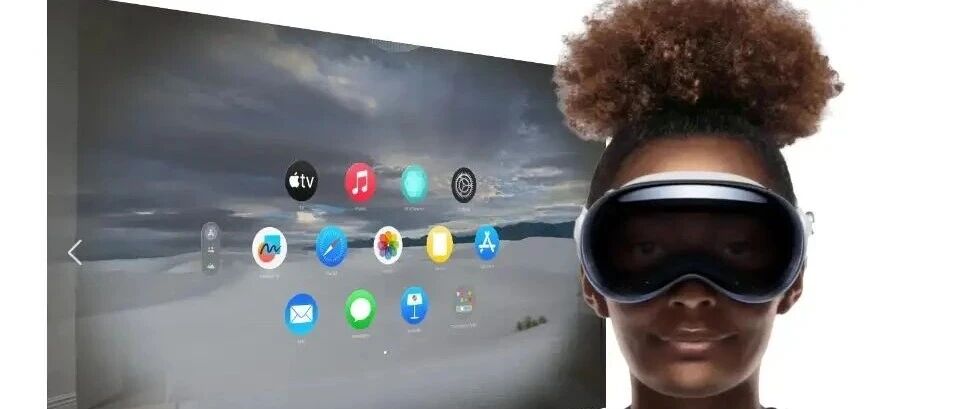
苹果暂停Vision Pro开发,全力转向AI智能眼镜,挑战Meta
华尔街见闻· 2025-10-02 11:39
Core Viewpoint - Apple has paused its Vision Pro headset revision plans to focus on developing smart glasses that can compete with Meta's offerings, indicating a strategic shift in its product development priorities [1][6]. Group 1: Product Development Strategy - Apple was originally preparing a lighter and cheaper version of the Vision Pro, codenamed N100, expected to launch in 2027, but has redirected resources to accelerate smart glasses development [1][2]. - The company is currently developing at least two types of smart glasses: the first, codenamed N50, will pair with the iPhone and lacks a screen, with a public reveal anticipated as early as next year [1][2]. - The second smart glasses will feature a screen and are expected to challenge Meta's recently launched Ray-Ban Display, with an accelerated development timeline [2]. Group 2: Competitive Landscape - Despite the shift in focus, Apple remains behind Meta in the smart glasses market, as Meta launched its first smart glasses, Ray-Ban Stories, in 2021 and has since released upgraded versions that have gained popularity [3]. - Meta has enhanced its non-screen glasses with improved camera performance and battery life, establishing a foothold in the device market [3]. Group 3: Technological Challenges - Apple's smart glasses will heavily rely on voice interaction and artificial intelligence, areas where the company has historically lagged, with delays in the Apple Intelligence platform and Siri upgrades [3][4]. - The company is working on a revamped version of Siri, expected to launch by March next year, which will support various new devices, including smart glasses [4]. Group 4: Vision Pro Performance - The decision to pivot towards smart glasses is partly due to the underwhelming performance of the Vision Pro, which has been criticized for being too heavy and expensive at $3,499, limiting its mainstream market appeal [6][10]. - Apple had initially planned to follow up the Vision Pro with a simplified version but has since shelved that plan in favor of developing a new, lighter design [6][11]. Group 5: Future Prospects - Apple has not completely abandoned the Vision Pro project, as it plans minor updates, including a chip upgrade, with a potential release by the end of this year [9]. - The company has invested billions and a decade of development into the original Vision Pro, indicating a long-term commitment to the mixed reality space [11].
苹果暂停Vision Pro开发,全力转向AI智能眼镜,挑战Meta
美股IPO· 2025-10-02 03:53
Core Viewpoint - Apple has paused the development of the Vision Pro lightweight headset originally planned for 2027, redirecting resources towards the development of AI-driven smart glasses to compete with Meta's leading position in the market [1][3] Group 1: Strategic Shift - Apple is reallocating personnel from the Vision Pro project to accelerate the development of smart glasses, which are seen as a more urgent task [3] - The company is currently developing at least two different models of smart glasses, with the first model (codename N50) expected to pair with the iPhone and be unveiled as early as next year [3] - The second model will feature a screen and is anticipated to challenge Meta's recently launched Ray-Ban Display [3] Group 2: Market Position - Despite the strategic shift, Apple remains significantly behind Meta in the smart glasses market, which has seen Meta successfully launch products like Ray-Ban Stories and the upgraded Ray-Ban Meta [4] - Meta has enhanced its smart glasses with improved camera performance and battery life, establishing a foothold in the device market [4] Group 3: Technological Challenges - Apple's smart glasses will heavily rely on voice interaction and artificial intelligence, areas where the company has historically lagged [5] - The development of the Apple Intelligence platform has fallen behind schedule, and upgrades to the Siri voice assistant have also been delayed [5] Group 4: Vision Pro Performance - The decision to pivot towards smart glasses is partly due to the underwhelming performance of the Vision Pro, which has been criticized for being too heavy and expensive at a price point of $3,499 [6] - Apple had initially planned to follow up the Vision Pro with a simplified version but has since shelved that plan in favor of a new design for the smart glasses [6] Group 5: Future Prospects - Apple is not completely abandoning the Vision Pro, as there are plans for minor updates, including a chip upgrade expected by the end of this year [7] - The company has invested billions and a decade of time into the original Vision Pro, indicating a potential future release of a lighter and cheaper version [7] Group 6: Industry Trends - Both Apple and Meta are focused on developing true AR glasses that can integrate digital content with the real world, surpassing current heads-up display technologies [8]

迎国庆中秋假期 中国科技馆打造推出贯通古今融合创新“科普盛宴”
Zhong Guo Xin Wen Wang· 2025-09-30 12:15
Core Points - The China Science and Technology Museum is launching a series of innovative science popularization activities during the National Day and Mid-Autumn Festival holidays from October 1 to 8, 2025, themed "A Feast of Science" [1][3] - The activities include interactive science shows, special events in the Huaxia Science Classroom, VR immersive experiences, AI applications, and a newly opened ocean exhibition hall [1][3][10] Group 1: Thematic Activities - The "Double Festival Celebration, Science Fun" theme includes four main sections: "Science Carnival," "Science N Times," "Dreaming Planet - Science Education +," and "Saluting Scientists," catering to various age groups [3] - The "Science Carnival" features daily interactive science shows such as liquid nitrogen experiments and balloon stacking to spark curiosity [3] - The "Science N Times" section offers hands-on experiences with cutting-edge technology themes, including classic science performances and interactive activities like "Create My Robot" and "Low-Temperature Laboratory" [3][4] Group 2: Ancient Technology Experiences - The Huaxia Science Classroom will host four ancient technology experience activities, allowing visitors to engage with historical innovations [4][5] - Activities include exploring the structure of ancient chariots, assembling crossbows, and understanding the evolution of long-handled weapons [4][5][6] Group 3: Innovative Experiences - The museum will introduce a mixed reality immersive art experience titled "Da Vinci - Time and Space Wheel," allowing visitors to interact with Da Vinci's inventions [7] - VR experiences will include dynamic flying chair rides and immersive exploration of themes like dinosaurs and space [7][8] - AI applications will enhance visitor engagement through features like photo recognition, personalized posters, and interactive adventure experiences [7][8] Group 4: Ocean Exhibition Hall - The newly renovated ocean exhibition hall, themed "Harmony with the Sea: From Fear to Coexistence," showcases the evolution of human relationships with the ocean through 25 exhibits [10] - The hall integrates cultural elements such as ocean myths and songs, along with advanced technologies like VR to create an immersive exploration space [10]