稀土产业

Search documents
内行人大揭秘,“工业维生素”稀土的反常识真相
Sou Hu Cai Jing· 2025-11-18 17:12
Core Insights - Rare earth elements, often referred to as "industrial vitamins," are essential for various technologies despite their low usage in products [4][5] - China has established itself as a dominant player in the rare earth industry due to technological advancements and control over the entire supply chain [6] Group 1: Supply and Demand Dynamics - Global rare earth reserves are approximately 90 million tons, significantly higher than gold reserves of 0.064 million tons [4] - China's strict quota system has limited supply growth to only 5% last year, while demand from sectors like electric vehicles and wind energy is expected to grow at around 10% annually over the next 3-5 years [7] - The price disparity between domestic and international markets, with domestic praseodymium-neodymium oxide priced at approximately 547,000 CNY per ton compared to a proposed floor price of 789,000 CNY per ton in the U.S., further supports price increases [8] Group 2: Technological Advancements - China's success in rare earth extraction is attributed to the "cascade extraction technology" developed by academician Xu Guangxian, allowing for a purity level of 99.9999% (6N), surpassing the 99.99% (4N) achieved overseas [6] - China is the only country with a complete rare earth industry chain, making it difficult for other nations to rebuild their supply chains in the short term [6] Group 3: Investment Opportunities - Ordinary investors are encouraged to consider the rare earth ETF (159713), which includes over 40 stocks with nearly 50% exposure to both upstream and downstream segments of the industry [9]

25年来首次!美国稀土传出重磅消息,美财长兴高采烈宣布:将冲击中国稀土“王牌”?信号不简单
Sou Hu Cai Jing· 2025-11-11 10:42
Core Viewpoint - The announcement of the first domestically produced rare earth magnet in the U.S. in 25 years is portrayed as a significant achievement, but it is largely seen as a political maneuver rather than a true industrial breakthrough [1][3][5]. Industry Analysis - The complete rare earth industry chain includes mining, smelting, separation, purification of rare earth oxides, and production of high-performance magnets, which requires mature technology, stable production capacity, and specialized talent [3]. - Currently, China dominates the global rare earth processing capabilities, holding over 80% of the market and more than 90% of magnet production capacity, a result of decades of industry development [3]. - The only U.S. rare earth mine in development, Mountain Pass, has a reserve of only 1.4 million tons, representing just 1.3% of global reserves, and primarily consists of light rare earths, lacking the heavy rare earths critical for military and high-end electronics [3][5]. - The U.S. has long relied on Chinese technology for smelting and separation, and prior to Chinese export controls, U.S. mined rare earths were sent to China for processing [3]. Cost and Competitive Landscape - Rare earth mining and processing are characterized as labor-intensive and environmentally challenging, with significant capital investment required for compliance with environmental standards [5]. - Without substantial government subsidies, U.S. rare earth products lack competitiveness in the market, while China can achieve economies of scale due to its complete supply chain and established technology [5]. - Experts estimate that establishing a fully independent rare earth supply chain in the U.S. could take at least 10 years, which is beyond the current administration's term [5]. Political Context - The announcement of the rare earth magnet coincides with the upcoming midterm elections, suggesting a political motive to showcase achievements and bolster support for the current administration [5]. - The U.S. government's emphasis on this development is seen as an attempt to distract from other domestic issues and to reinforce the narrative of "American resurgence" [5][7]. - China's export controls on rare earths are framed as a means to regulate industry development and ensure global supply chain stability, contrasting with the U.S. approach of unilateral restrictions [7]. Strategic Implications - The U.S. effort to challenge China's dominance in the rare earth sector is viewed as unrealistic given the significant technological and industrial gaps that have developed over decades [7]. - A sustainable approach to developing the U.S. rare earth industry would require respecting industry dynamics and fostering international cooperation rather than relying on political rhetoric [7].

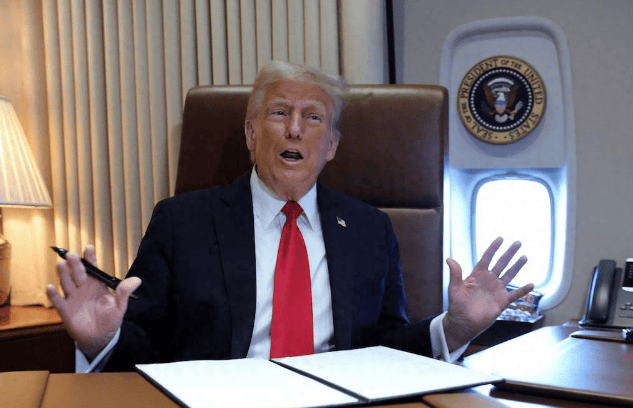
普京也要入稀土局?对内阁下了死命令,27天出成绩,稀土自立刻不容缓
Sou Hu Cai Jing· 2025-11-05 12:36
Core Viewpoint - Putin's directive to develop a comprehensive roadmap for rare earth mining and processing by December 1 highlights a strategic shift in Russia's resource management, particularly in response to geopolitical pressures and the need for self-sufficiency in critical resources [1][3][5] Group 1: Current State of Rare Earth Resources - Russia has significant rare earth deposits, with over 28 million tons identified across 18 sites, yet the actual extraction is less than 2%, leading to a 90% reliance on imports for rare earth needs [1][3] - Historically, Russia has prioritized traditional energy sectors over rare earth development, but recent geopolitical events, particularly the Ukraine conflict, have prompted a reevaluation of this approach [3][5] Group 2: Strategic Implications - The shift in focus towards rare earth resources is driven by the need to reduce dependency on external powers, particularly China and the U.S., as competition in this sector intensifies [5][7] - Putin's strategy aims to establish a fully self-sufficient rare earth industry in Russia, encompassing exploration, extraction, processing, and application, which is seen as essential for national competitiveness [7][9] Group 3: Challenges Ahead - Building a complete rare earth supply chain will require substantial investment, technological advancements, and skilled labor, areas where Russia currently faces significant shortcomings [7][9] - The ongoing costs and resource depletion from the Ukraine conflict add further uncertainty to the successful implementation of this strategic shift [7][9] Group 4: Future Outlook - Despite the challenges, if Russia can effectively integrate its resources and develop the necessary technology and industry chain, it could secure a competitive position in the global rare earth market [9] - The potential for international cooperation in technology and market sharing remains a viable path for Russia to enhance its rare earth capabilities while reducing reliance on China and the U.S. [9]

西方欢呼稀土出现窗口期?别傻了,中重稀土还攥在中国手里!
Sou Hu Cai Jing· 2025-11-05 08:48
Core Viewpoint - China announced a one-year suspension of its rare earth export control policy, coinciding with the U.S. also pausing related measures, leading to optimism in Western media about reducing dependence on Chinese rare earths, which is deemed unrealistic [1][3][11] Background Knowledge - In early October, China implemented strict controls on rare earth exports, affecting the entire supply chain from mining to production, causing anxiety in Western industries reliant on these materials [3] - Western countries, including the U.S. and Australia, have invested heavily in establishing independent supply chains, with both nations committing $1 billion each, viewing this as a strategic breakthrough [3][6] Misunderstanding of the Industry - Some believe the one-year suspension is a "golden opportunity" for Western countries to overcome their reliance on China, underestimating the complexity of the rare earth industry [4] - Rare earths consist of 17 elements, categorized into light and heavy rare earths, with the U.S. capable of mining 43,000 tons of light rare earths annually, but lacking refining capabilities, as 90% of global refining is controlled by China [6][8] Heavy Rare Earths Challenge - Heavy rare earths, crucial for high-tech applications like aerospace and defense, are predominantly produced in China, with 99% of global production concentrated there [8] - Western efforts to develop refining capabilities are still in experimental stages, with significant timeframes for commercial production, indicating a long road ahead [8][9] Export Restrictions - China's recent suspension only applies to new regulations from October, while previous export restrictions on heavy rare earths and critical elements for semiconductors and military applications remain in effect, contributing to supply shortages in the West [11] - The notion that Western countries can stockpile during this one-year period is misguided, as previous restrictions have already limited their options [11] Conclusion - The current situation is characterized as a self-deceptive attempt by Western nations to believe they can turn the tide in the rare earth industry, while in reality, they are far from achieving independence from Chinese dominance [11]
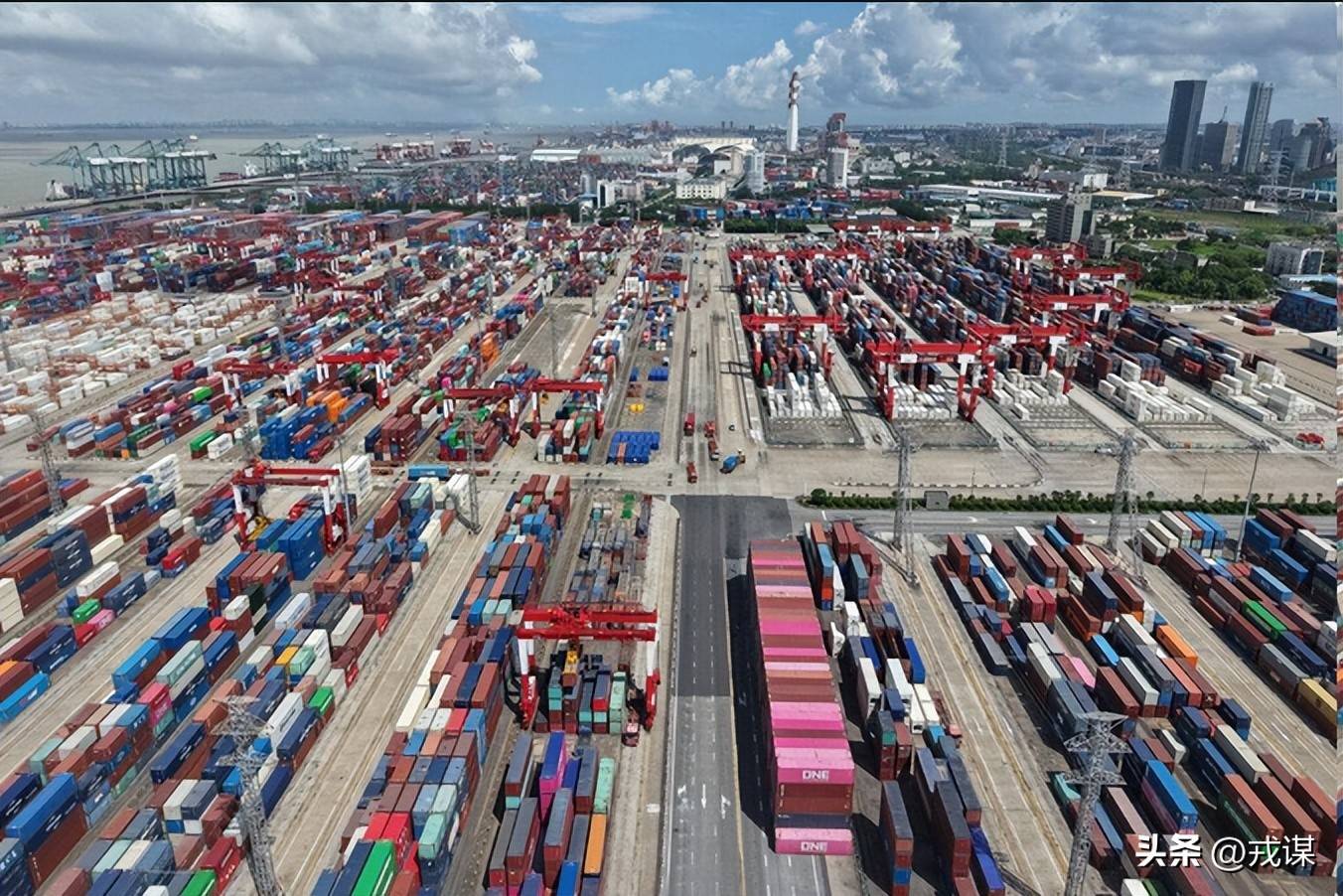
国际产业新闻早知道:中美经贸磋商多项共识落地,中欧举行“升级版”出口管制对话磋
Chan Ye Xin Xi Wang· 2025-11-04 06:01
Group 1: US-China Agricultural Trade - The US and China have reached a consensus to expand agricultural trade, relieving American soybean farmers who are hopeful for renewed purchases from Chinese companies [1][3] - The specific measures for expanding agricultural trade have not yet been disclosed by China, and it remains unclear if negotiations will be required for other agricultural products [2] - The American Soybean Association noted that while no formal trade agreement has been signed, the news is still positive for farmers, with the total value of US soybean exports projected at approximately $24.5 billion for 2024, with over $12.5 billion coming from China [3] Group 2: EU-China Export Control Dialogue - China and the EU held a dialogue on export controls, focusing on mutual concerns and agreeing to maintain communication to stabilize supply chains [4][5] - The dialogue follows China's announcement of expanded export controls on rare earths, which raised serious concerns in the EU [6] - The EU Trade Commissioner confirmed that the export control measures announced by China also apply to the EU, emphasizing continued cooperation on improving export control policies [7] Group 3: AI and Technology Investments - OpenAI has signed a $38 billion multi-year agreement with Amazon to provide cloud computing services, highlighting the increasing demand for computing power in the AI industry [21][22] - Microsoft has secured a $9.7 billion agreement with IREN to lock in new computing resources, as the company expands its AI service capabilities [26][27] - Microsoft plans to invest over $15 billion in the UAE over the next seven years, including expanding AI data centers, following the approval of export licenses for advanced chips [54] Group 4: Semiconductor and AI Chip Developments - South Korea's semiconductor exports reached $15.73 billion in October, marking a 25.4% year-on-year increase, driven by strong demand for high-capacity memory [50][51] - The US startup Vulcan Elements has secured a $1.4 billion deal with the government to build a factory for rare earth magnets, focusing on recycling electronic waste [87][88] - The US government is providing significant funding to support domestic production of rare earth materials, which are critical for advanced technologies [90][91] Group 5: Automotive Industry Developments - Geely has signed a strategic cooperation agreement with Renault to deepen local production and market expansion of electric vehicles in Brazil, acquiring a 26.4% stake in Renault Brazil [68][69] - Japanese automakers are redefining future vehicles at the Japan Mobility Show, showcasing concepts that integrate living spaces and community services [62][63] - The launch of new industrial wireless communication chips in China marks a significant advancement in industrial communication technology, enabling more flexible and efficient manufacturing processes [55][56]

【转|太平洋有色新材料-北方稀土深度】资源与技术优势,卡位高质量发展
远峰电子· 2025-11-02 08:07
Core Viewpoint - The article emphasizes the growth potential of the rare earth industry, particularly focusing on the company's strategic positioning and product development in response to increasing demand across various sectors, including electronics, robotics, and renewable energy [2][4][19]. Company Overview and Financial Data - The company, China Northern Rare Earth Group, has a rich history dating back to 1927, evolving through four strategic phases: foundational research, industrial expansion, full industry chain integration, and high-quality development [4]. - As of 2024, the company has 28 first-level subsidiaries and 17 second-level subsidiaries, covering all aspects of rare earth mining, separation, processing, and material manufacturing [8]. - The company achieved a total rare earth mining quota of 188,700 tons in 2024, maintaining a 69.9% share of the national quota [13]. Product and Revenue Structure - The company produces over 100 types of rare earth products, categorized into raw materials, functional materials, and end-use products [10]. - In 2024, the company reported a revenue of 32.97 billion yuan, a slight decrease of 1.58% year-on-year, with a net profit of 1.004 billion yuan, down 57.64% due to fluctuating prices of key products [15][19]. - The revenue structure shows a clear focus on rare earth products, which accounted for 72.25% of total revenue in 2024, while environmental services grew significantly [19]. Market Demand and Applications - The demand for rare earth materials is driven by their applications in consumer electronics, electric vehicles, and renewable energy technologies, with significant growth expected in the automotive sector [52][55]. - The company is positioned to benefit from the increasing demand for rare earth permanent magnets, particularly in electric vehicles and energy-efficient appliances [55][62]. Price Trends and Cost Structure - Rare earth prices have shown volatility, with significant price increases for key products like praseodymium and neodymium oxides in 2024, which positively impacted the company's profitability [28][15]. - The cost structure indicates that raw material costs account for approximately 70% of total costs, with ongoing efforts to optimize production costs [25]. Global Industry Context - China remains the largest supplier of rare earths globally, with a significant share of the world's reserves and production capacity [33][36]. - The article highlights the increasing competition from international players, particularly in the U.S. and Australia, as they ramp up their rare earth production capabilities [39][43]. Future Outlook - The company is optimistic about the future of the rare earth industry, projecting continued growth in net profits from 2025 to 2027, driven by rising demand and improved operational efficiencies [2][19]. - The strategic focus on high-quality development and technological innovation positions the company favorably within the global rare earth supply chain [4][19].

北方稀土第三季度盈利增近七成"牛散"买进前十大流通股东
Zheng Quan Shi Bao· 2025-10-27 22:45
Core Insights - Northern Rare Earth achieved a significant increase in net profit for Q3 2025, reaching 610 million yuan, a year-on-year growth of nearly 70% [1] - The company reported a total revenue of 11.425 billion yuan for Q3, marking a 33.32% increase compared to the previous year [1] - For the first three quarters of 2025, total revenue was 30.292 billion yuan, up 40.50%, with net profit soaring by 280.27% to 1.541 billion yuan [1] Financial Performance - Q3 revenue was 11.425 billion yuan, a 33.32% increase year-on-year [1] - Q3 net profit reached 610 million yuan, reflecting a 69.48% year-on-year growth [1] - Basic earnings per share for Q3 were 0.1688 yuan [1] - For the first three quarters, revenue totaled 30.292 billion yuan, a 40.50% increase, with net profit at 1.541 billion yuan, up 280.27% [1] Product Sales and Production - Sales prices for major rare earth products increased year-on-year, contributing to higher sales volume and gross profit [1] - Production and sales of rare earth smelting and separation products increased year-on-year [1] - Rare earth metal production rose by 26.67%, with sales up by 23.50% [1] - Production of rare earth functional materials increased by 22.23%, with sales growing by 21.27% [1] - All three product categories achieved historical highs in production and sales for the same period [1] Market Dynamics - The price of rare earth concentrate for Q4 2025 was adjusted to 26,205 yuan per ton, a 37.13% increase, marking the highest rise in recent years [2] - Northern Rare Earth is accelerating key project developments, including the first phase of a new generation upgrade project nearing completion and the orderly advancement of the second phase [2] - A joint venture with Fujian Jinlong Rare Earth Co., Ltd. is progressing with preliminary work on a 5,000-ton rare earth separation project [2] Stock Performance and Shareholding - Since Q3 2025, Northern Rare Earth's stock price has increased by 114% [3] - Institutional holdings have shown divergence, with notable increases from certain funds while others have reduced their positions [3] - Wang Bin, a prominent investor, has become the sixth largest circulating shareholder with a 0.83% stake [3]

北方稀土第三季度盈利增近七成 “牛散”买进前十大流通股东
Zheng Quan Shi Bao· 2025-10-27 18:11
Core Insights - Northern Rare Earth (600111) reported a significant increase in net profit for Q3 2025, achieving 610 million yuan, a year-on-year growth of nearly 70% [1] - The company's revenue for Q3 reached 11.425 billion yuan, up 33.32% year-on-year, while the net profit for the first three quarters surged by 280.27% to 1.541 billion yuan [1] - The price and sales volume of major rare earth products increased, contributing to record-high sales figures for the company [1] Financial Performance - Q3 revenue was 11.425 billion yuan, a 33.32% increase year-on-year [1] - Q3 net profit was 610 million yuan, reflecting a 69.48% year-on-year growth [1] - Basic earnings per share for Q3 were 0.1688 yuan [1] - Revenue for the first three quarters totaled 30.292 billion yuan, a 40.50% increase year-on-year [1] - Net profit for the first three quarters was 1.541 billion yuan, a remarkable increase of 280.27% [1] Product Performance - The production and sales volume of rare earth smelting and separation products increased year-on-year [1] - Rare earth metal production rose by 26.67%, with sales up by 23.50% [1] - Production of rare earth functional materials increased by 22.23%, with sales growing by 21.27% [1] - All three product categories achieved historical highs in production and sales volume for the same period [1] Market Dynamics - The price of rare earth concentrate was adjusted to 26,205 yuan per ton for Q4 2025, marking a 37.13% increase, the highest in recent years [2] - Northern Rare Earth is accelerating key project developments, including the first phase of a new generation upgrade project and a joint venture for a 5,000-ton rare earth separation project [2] Stock Performance - Since Q3, Northern Rare Earth’s stock price has increased by 114% [3] - Institutional holdings have shown divergence, with some funds increasing their positions while others, such as Huatai-PB and E Fund, have reduced their holdings [3] - Notably, a prominent investor, Wang Bin, has become the sixth-largest circulating shareholder with a 0.83% stake [3]
从矿石到“磁王”!究竟是谁掌握了稀土加工的核心科技?
Huan Qiu Wang· 2025-10-24 09:18
Core Insights - Rare earth elements are considered a strategic asset for China in international resource competition [1] - The U.S. relies on China for rare earth processing, highlighting a significant gap in domestic capabilities [3][6] - China dominates the global rare earth industry, controlling key segments of the supply chain [4][9] Industry Overview - The global rare earth industry consists of 17 metal elements, essential for various high-tech applications [3] - China has developed a complete rare earth industry chain, including exploration, mining, refining, processing, and trade, producing over 400 product types [4][9] - The Mountain Pass mine in California is the only operational rare earth mine in the U.S., currently managed by MP Materials [3] Technological Advancements - China has made significant advancements in rare earth separation technology, moving from reliance on foreign methods to developing its own [5][8] - The introduction of a new extraction theory by Chinese scientists has drastically improved the efficiency and purity of rare earth element separation [5][6] Market Dynamics - The rare earth permanent magnet market is projected to triple by 2035, with China supplying over 90% of the global demand [7][9] - Despite only accounting for 30% of total rare earth production, permanent magnets represent 80% of the market value [7] Historical Context - China became the world's largest rare earth producer in 1986, surpassing the U.S. [6] - The development of the first high-performance neodymium-iron-boron permanent magnet in China marked a significant milestone in the industry [8] Competitive Position - China controls 91% of rare earth refining, 87% of oxide separation, and 94% of magnet production globally [9][10] - The lack of rare earth chemistry programs in the U.S. contrasts with China's extensive academic focus on the field [9][10]
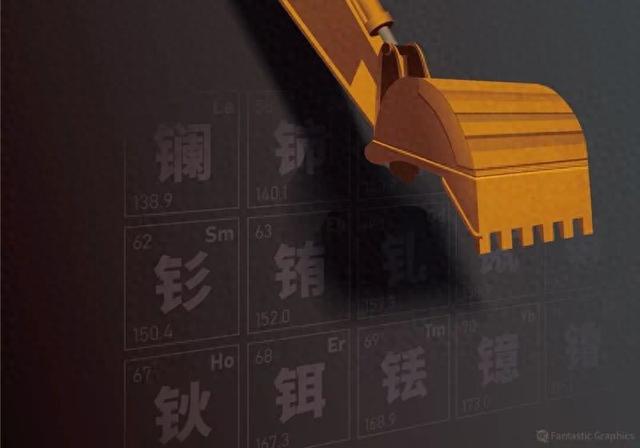
前三季业绩大增稀土上市公司再添一家,广晟有色:预计同比扭亏
Xin Lang Cai Jing· 2025-10-16 13:08
Core Viewpoint - Guangsheng Nonferrous Metals Co., Ltd. expects a significant increase in net profit for the first three quarters of 2025, indicating a recovery in the rare earth market and effective management strategies [2][3]. Financial Performance - The company anticipates a net profit attributable to shareholders of between 100 million to 130 million yuan, an increase of 376 million to 406 million yuan compared to the same period last year, marking a turnaround from losses [2]. - The expected net profit after deducting non-recurring gains and losses is projected to be between 121 million to 151 million yuan, reflecting an increase of 405 million to 435 million yuan year-on-year [3]. Market Conditions and Strategies - The overall rise in the rare earth market has allowed the company to expand its production scale and enhance its market analysis and management [3]. - The company has implemented measures to improve collaboration between upstream and downstream marketing, innovate marketing models, and adjust trade structures, leading to increased production and sales of rare earth smelting separation and rare earth permanent magnet materials [3]. Company Background - Guangsheng Nonferrous is the only legal rare earth mining enterprise in Guangdong Province, holding all approved rare earth mining licenses in the region [4]. - The company has a complete rare earth industry chain advantage and focuses on mining, smelting separation, deep processing, and non-ferrous metal trading [4]. - The strategic positioning includes being a flagship enterprise for strategic resources such as rare earth, copper, and tungsten, with a comprehensive industry layout [4]. Industry Context - Several rare earth industry chain companies have reported positive earnings forecasts for the third quarter, indicating a broader trend of recovery in the sector [5]. - Other companies in the industry, such as Shenghe Resources and Northern Rare Earth, have also projected substantial increases in net profits, highlighting the overall growth in the rare earth market [6][7].