
负利率

Search documents
刚刚!宣布,0利率!
中国基金报· 2025-09-25 10:09
Core Viewpoint - The Swiss National Bank (SNB) has decided to maintain its benchmark interest rate at 0%, marking a pause in its easing cycle that began in March 2024, with officials avoiding a return to negative interest rates [2][4][10]. Monetary Policy - The SNB's decision aligns with market expectations, as inflation pressure has remained stable compared to the previous quarter. The bank will continue to monitor the situation and adjust its monetary policy as necessary [4][12]. - The central bank has indicated that reintroducing negative interest rates would pose risks to the financial system, setting a higher threshold for such a move [4][10]. Inflation and Economic Outlook - Current inflation is at 0.2%, slightly above the SNB's forecast, but still within the target range of 0%-2%. The bank projects average inflation of 0.2% for 2025, 0.5% for 2026, and 0.7% for 2027 [4][9][12]. - The global economic outlook remains uncertain, influenced by U.S. trade policies and high levels of uncertainty. The SNB expects GDP growth for 2025 to be between 1% and 1.5%, with a slight decline anticipated for 2026 due to tariffs and uncertainty [14][15]. Currency Strength - The Swiss franc has strengthened significantly this year, rising over 12% against the U.S. dollar and nearly 1% against the euro, making it one of the best-performing currencies in the G10 [7][9]. - The SNB's cautious approach to the strengthening franc allows it to observe capital inflows without immediate intervention, particularly as the franc reached a ten-year high against the dollar [4][7]. Export Challenges - Swiss exporters, particularly in the machinery and watch sectors, face challenges due to high tariffs imposed by the U.S., which are likely to suppress exports and investment [8][9][14]. - The economic outlook for Switzerland has deteriorated due to these tariffs, with the central bank highlighting the potential negative impact on the economy [9][14].


拒绝负利率!瑞士央行2024年初以来首度暂停降息
Hua Er Jie Jian Wen· 2025-09-25 09:32
Core Viewpoint - The Swiss National Bank (SNB) has decided to maintain its benchmark interest rate at zero, ending a six-month easing cycle, in line with the expectations of most economists surveyed [1][5] Group 1: Monetary Policy - The SNB's decision to keep interest rates unchanged is based on stable inflation pressures, with the current inflation rate at 0.2%, slightly above previous forecasts [1][5] - The central bank will continue to monitor the situation and adjust monetary policy as necessary to ensure price stability [1] - The latest inflation forecasts remain consistent, with expectations of an average inflation rate of 0.2% for this year, 0.5% in 2026, and 0.7% in 2027, providing room for potential policy adjustments [5] Group 2: Currency Performance - The Swiss franc has appreciated significantly this year, gaining over 12% against the US dollar and nearly 1% against the euro, making it one of the best-performing currencies among G-10 [1][6] - The strong franc is viewed as a safe-haven asset during uncertain times, despite the SNB's easing measures [6] Group 3: Economic Impact - Swiss exporters are facing dual pressures from the strong franc and high tariffs imposed by the Trump administration, which could suppress economic activity [4][6] - The KOF research institute has downgraded growth forecasts for next year due to the impact of US tariff policies [6] - Most economists believe the SNB has ended its easing cycle and will maintain zero rates at least until the end of next year, although some predict a return to negative rates if the impact of tariffs becomes clearer by December [7]
瑞士CPI数据周四出炉 瑞郎走势迎来关键考验
Jin Tou Wang· 2025-09-02 03:46
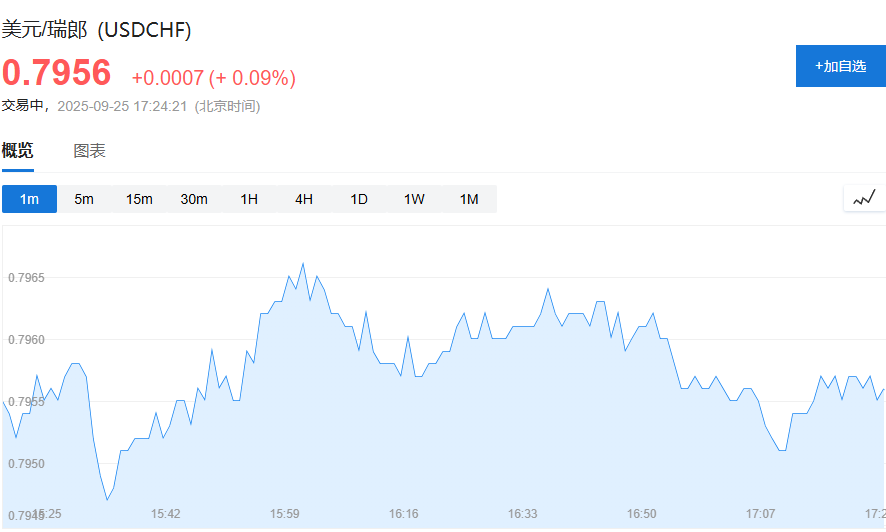
Core Viewpoint - The USD/CHF exchange rate opened at 0.8000 and is currently showing a slight increase, with market expectations focused on the upcoming Swiss CPI data for August, which is anticipated to remain stable at an annual rate of 0.2% [1] Exchange Rate Movement - The USD/CHF rate is currently at 0.8012, reflecting a 0.15% increase from the previous close [1] - The highest price recorded today is 0.8016, while the lowest is 0.7999 [1] Economic Indicators - The Swiss CPI data set to be released on Thursday is crucial for the CHF's performance, as higher-than-expected inflation could reduce the likelihood of the Swiss National Bank (SNB) lowering interest rates into negative territory later this year [1] - The SNB had previously cut the policy rate to zero in June, with the CPI for May showing a year-on-year rate of -0.1% [1] Monetary Policy Outlook - The next SNB interest rate decision is scheduled for September 25, followed by another on December 11, with the CPI data expected to provide significant insights into market expectations regarding SNB's monetary policy [1] Technical Analysis - The USD/CHF is experiencing narrow fluctuations around 0.8015, facing clear resistance from a recent downward trend line, indicating a bearish outlook in the short term [1] - The Relative Strength Index (RSI) is notably below the midline, suggesting strong bearish momentum [1] - Resistance is identified near the recent high of 0.8100, while initial support is at the psychological level of 0.8000; a break below this support could lead to further declines towards the recent low of 0.7910 [1]
滕泰:什么政策能避免通缩长期化
Di Yi Cai Jing· 2025-07-22 06:47
Group 1 - The central bank's continued interest rate cuts can significantly reduce the cost of existing debt for households, businesses, and the government, leading to substantial savings in interest payments each year [1][5] - As of June, the broad money supply (M2) grew by 8.3% year-on-year, while the narrow money supply (M1) increased by 4.6%, indicating positive changes in financial data [1] - M1 is considered a leading indicator of economic activity, as it reflects the liquidity available for consumption, investment, and trading [1][2] Group 2 - A further increase in M1 growth to between 5% and 10% is necessary for true monetary easing and to stimulate consumption, stabilize housing prices, and revitalize the stock market [2][4] - The net financing of government bonds in the first half of the year reached 7.66 trillion yuan, which is 4.32 trillion yuan more than the previous year, benefiting from the low-interest environment [4] - The corporate bond net financing was 1.15 trillion yuan, a decrease of 256.2 billion yuan year-on-year, indicating a need for improved business investment confidence and further interest rate cuts [4] Group 3 - The current household debt in China amounts to approximately 80 trillion yuan, and a 1% reduction in interest rates could save households around 800 billion yuan in interest payments annually [5] - Non-financial enterprises owe about 150 trillion yuan to banks, and a 1% interest rate cut could result in an additional 1.5 trillion yuan in profits for these companies [5] - The total government debt, including hidden debts, is over 100 trillion yuan, and a 1% interest rate reduction could save the government more than 100 billion yuan in interest payments each year [5] Group 4 - There is a viewpoint that emphasizes the importance of not deliberately devaluing the currency to enhance export advantages, suggesting that market forces should dictate currency value [8] - Concerns about interest rate cuts leading to currency devaluation and capital outflow are seen as misplaced, as the primary goal of monetary policy should be to stabilize domestic economic growth and employment [8][9] - Historical examples from Japan and the U.S. demonstrate that aggressive monetary policies, including zero and negative interest rates, can successfully stimulate economic recovery [9][10]
美国总统VS美联储主席:关于货币政策“独立性”,他们交锋过多少次?
news flash· 2025-07-16 07:32
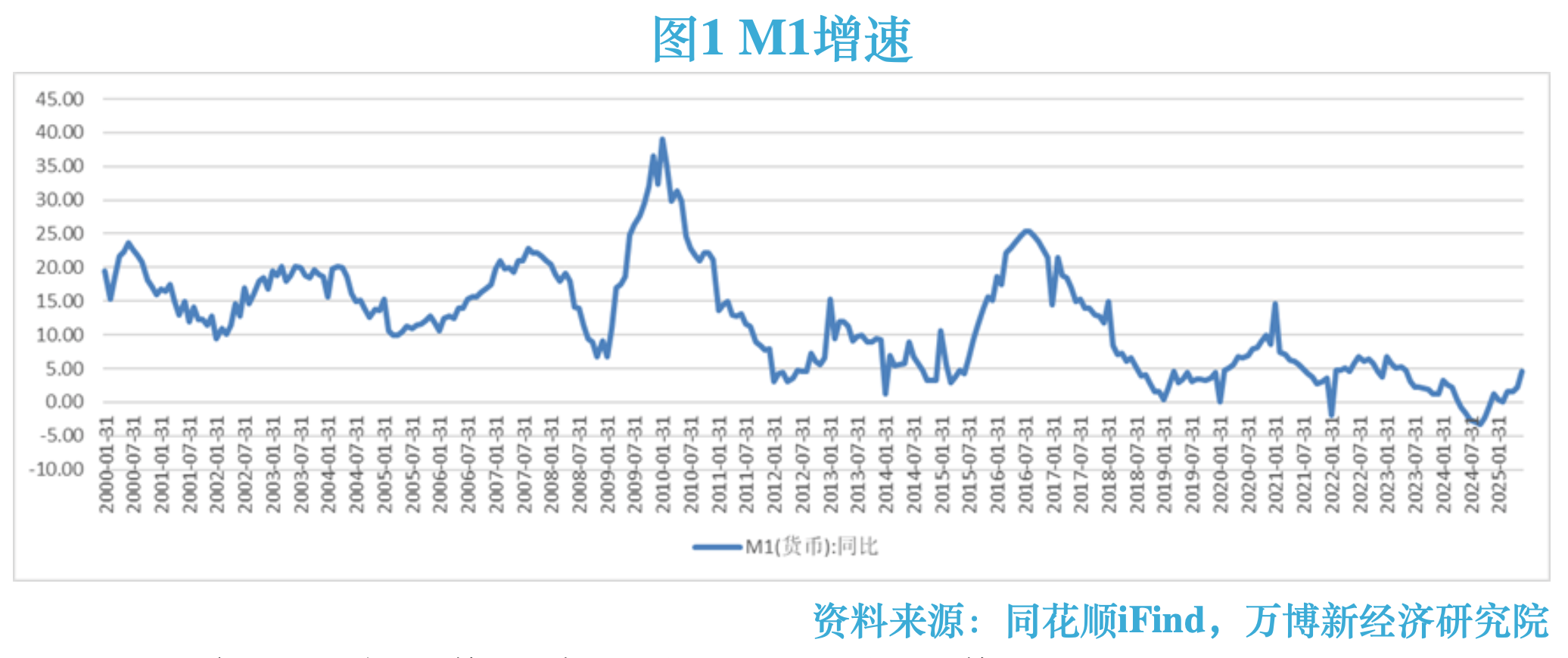
Group 1 - The article discusses the tensions between Trump and Federal Reserve Chairman Jerome Powell, highlighting Trump's dissatisfaction with Powell's reluctance to lower interest rates [4][5]. - Trump expresses a desire for significant interest rate cuts, suggesting reductions of 100 to 250 basis points, and criticizes Powell for not supporting lower rates [4][5]. - The article notes that Trump feels misled by Powell regarding the Federal Reserve's actions and threatens to dismiss him if necessary [4]. Group 2 - The article presents various economic indicators, including a CPI annual rate of -0.25% and a rising unemployment rate of +2.3% [5]. - It outlines the historical context of interest rates under different administrations, indicating a trend of dissatisfaction with the Federal Reserve's policies [5]. - The article emphasizes Trump's stance that as long as interest rates are not lowered, he will remain unhappy with the Federal Reserve's performance [5].
欧洲央行管委维勒鲁瓦:量化宽松是最佳的非常规政策工具
news flash· 2025-07-07 19:58
Core Viewpoint - The European Central Bank (ECB) Governing Council member and Bank of France Governor, Villeroy, stated that quantitative easing (QE) is the best unconventional policy tool when interest rates are at zero [1] Group 1: Quantitative Easing - Villeroy emphasized that despite criticisms of QE for causing asset bubbles, increasing inequality, and leading to losses for some Eurozone central banks, its effectiveness surpasses that of negative interest rates [1] - He highlighted that the ECB's recent strategic review supports the continued use of QE as a primary monetary policy tool [1] Group 2: Other Policy Tools - Long-term refinancing operations (LTRO) and the Transmission Protection Instrument (TPI) should primarily be used to ensure effective transmission of monetary policy to the economies of the 20 Eurozone countries [1]
7月1日电,瑞士央行官员Zanetti称,负利率是一种选择。
news flash· 2025-07-01 09:43
Core Viewpoint - Swiss National Bank official Zanetti stated that negative interest rates are an option [1] Group 1 - The discussion around negative interest rates indicates a potential shift in monetary policy strategy by the Swiss National Bank [1]
瑞士央行官员Zanetti:负利率是一种选择。
news flash· 2025-07-01 09:42
Core Viewpoint - Swiss National Bank official Zanetti stated that negative interest rates are an option for monetary policy [1] Group 1 - The discussion around negative interest rates indicates a potential shift in monetary policy strategy [1] - Zanetti's comments suggest that the Swiss National Bank is considering various tools to address economic challenges [1]
国泰海通|固收:利率在1%左右期间,欧洲的类固收投资有何变化
国泰海通证券研究· 2025-06-29 14:56
Core Viewpoint - The article discusses the evolution of the European Central Bank's (ECB) policy rates in response to economic growth and inflation, highlighting the transition from negative interest rates to a neutral stance and the anticipated shift to rate cuts in 2024 due to stabilizing energy prices and inflation expectations [1][2]. Group 1: ECB Policy Rate Evolution - Since the establishment of the eurozone in 1999, the ECB's policy rate changes reflect economic cycles and global financial conditions [1]. - The ECB entered a negative interest rate era in June 2014, with the deposit facility rate set at -0.10% [1]. - In the second half of 2022, inflation in the eurozone exceeded 10% due to the energy crisis from the Russia-Ukraine conflict, prompting the ECB to initiate its most aggressive rate hike cycle since 1999 [1]. - Starting in 2024, the ECB is expected to shift from a tightening to a neutral policy stance, with rate cuts anticipated in June 2024 as energy prices decline and inflation expectations stabilize [1]. Group 2: Factors Driving European Interest Rate Trends - Economic growth and low inflation have led to a significant decrease in the actual neutral interest rate, forcing the ECB to adopt unconventional monetary policy tools like negative rates and quantitative easing (QE) [2]. - The need to stabilize the financial system during crises, such as the European debt crisis, led the ECB to lower policy rates and implement large-scale asset purchase programs (APP) starting in 2014 [2]. - The global monetary policy environment, characterized by low rates and QE from major central banks, has influenced the ECB's policy decisions and limited its ability to tighten independently [2]. Group 3: Bond Market Performance and Investment Strategies - During the period of interest rates around 1%, the eurozone bond market performed strongly, with major bond indices showing annualized returns of 3.5%-4.5% from 2014 to 2020 [3]. - European institutional investors have favored extending duration and using derivatives for hedging in a low-rate environment [3]. - The article emphasizes the importance of dynamic duration management strategies, optimizing liability product structures, and promoting diversified asset allocation frameworks to enhance investment stability and risk management [4].

瑞士6月投资者信心指数升至-2.1
news flash· 2025-06-25 08:33
Core Insights - The Swiss Investor Confidence Index increased by 19.9 points in June, reaching -2.1 points [1] - UBS noted that despite uncertainties in geopolitical and trade policies, long-term growth and inflation expectations remain stable [1] - Analysts surveyed believe that negative interest rates are beneficial for GDP and inflation, but detrimental to pension funds and household net interest income [1]
