
资本市场投融资综合改革

Search documents
展望“十五五” 资本市场投融资综合改革进行时
Sou Hu Cai Jing· 2026-01-12 22:13
Group 1 - The core viewpoint of the article emphasizes the ongoing comprehensive reform of capital market investment and financing in China, entering a "deep water zone" as outlined in the Central Economic Work Conference and the "14th Five-Year Plan" [1][8] - The Shanghai Composite Index has shown a 17-day consecutive rise, stabilizing above 4100 points, indicating a gradual recovery of investor confidence and expectations [2] - By the end of 2025, various long-term funds held approximately 23 trillion yuan of A-share market value, a 36% increase from the beginning of the year, with cash dividends from A-share companies reaching a record high of 2.55 trillion yuan [2] Group 2 - The shift in focus from optimizing production scenarios to also optimizing consumption scenarios marks the beginning of a dual optimization era, with consumption being identified as the primary driver of economic growth [3] - The importance of stabilizing the stock market and real estate market is highlighted, as it reflects and influences public expectations and confidence [4] - The stock market's performance is directly linked to consumer spending, with rising stock prices encouraging spending in service sectors such as tourism and education [6] Group 3 - The coordination of investment and financing in the capital market is recognized as a dynamic process that requires continuous adjustment and is essential for sustainable market development [8] - The quality of listed companies is deemed crucial for attracting long-term investment, creating a virtuous cycle of high-quality companies leading to better investment returns [8] - Protecting the rights of small and medium investors is emphasized as a priority for promoting coordinated investment and financing functions [9] Group 4 - The article discusses the need for stricter enforcement of laws to enhance market confidence, transitioning from administrative penalties to a legal system focused on criminal and civil liabilities [10] - The importance of transparency in the capital market is underscored, with a call for strict penalties against fraudulent activities to ensure market integrity [11] - Since 2024, the China Securities Regulatory Commission has handled 159 financial fraud cases, imposing fines totaling 8.1 billion yuan, highlighting the commitment to combat financial misconduct [12]


如何发展好中国资本市场?——业内大咖把脉市场成长和改革逻辑
Xin Hua Cai Jing· 2026-01-11 15:31
Group 1 - The core theme of the 30th China Capital Market Forum is "China's Capital Market: History and Future," emphasizing the need for coordinated reforms in financing, investment, and institutional aspects to build a resilient and vibrant capital market ecosystem [1] - The China Securities Regulatory Commission (CSRC) is focused on implementing major decisions from the central government, promoting the "New National Nine Articles" and the "1+N" policy framework to enhance long-term capital market investments and support innovative enterprises [3] - The development of the capital market during the 14th Five-Year Plan period has seen comprehensive improvements in market scale, structural quality, and service functions, with future efforts aimed at deepening multi-level capital market reforms and enhancing investment banking capabilities [4] Group 2 - Experts suggest that to foster capital market growth, three foundational elements are necessary: rule of law, contractual spirit, and transparency, with reforms needed across asset, funding, and institutional dimensions [3] - The 2025 Central Economic Work Conference emphasizes the importance of "continuously deepening comprehensive reforms in capital market financing," highlighting the systemic and multidimensional nature of these reforms [6] - Regulatory bodies are urged to enhance the investment value of listed companies by promoting policies that encourage higher dividend payouts, with A-share companies expected to distribute a record 2.55 trillion yuan in cash dividends in 2025 [7]

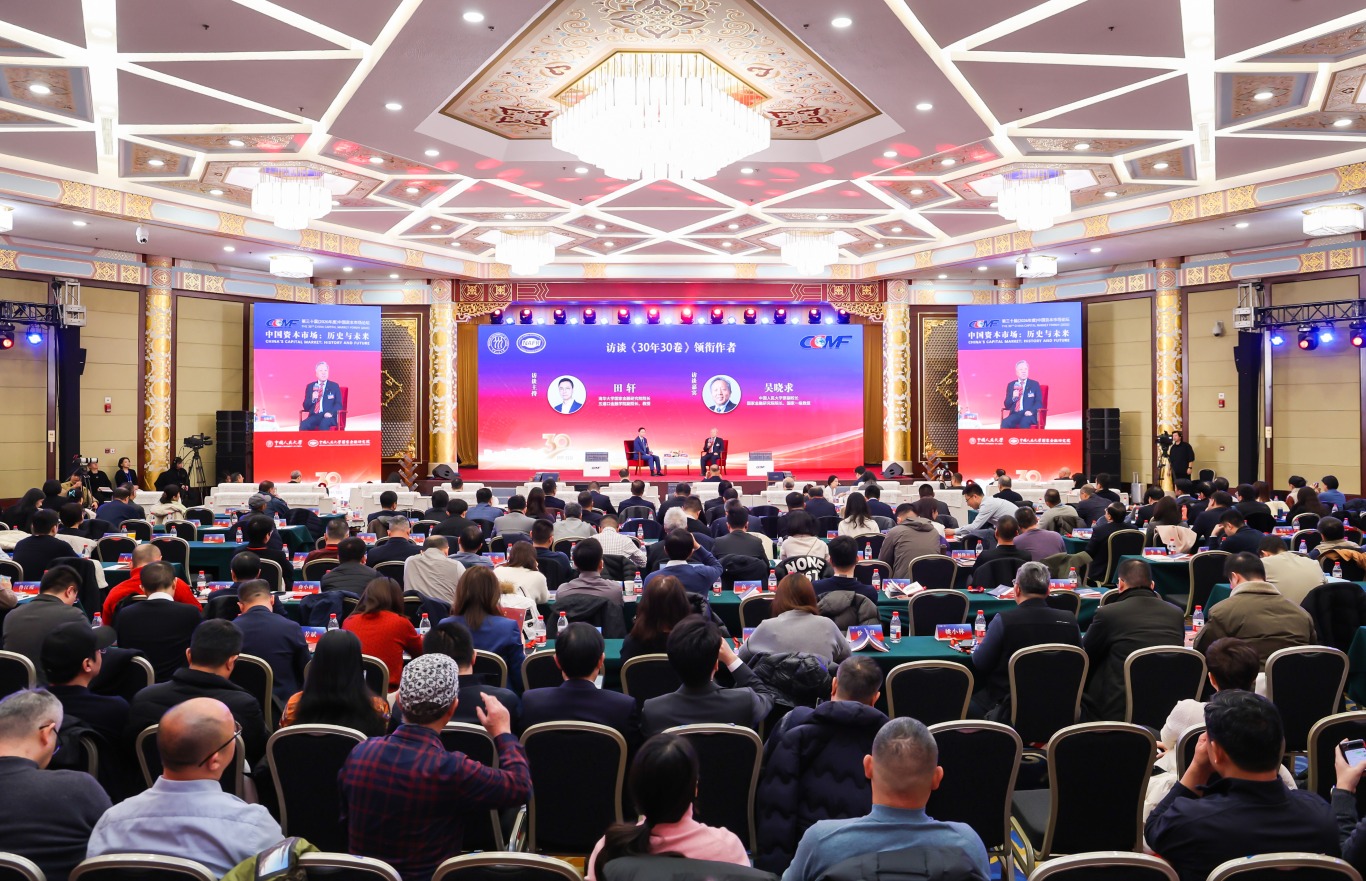
屠光绍:以“四度四性”把握资本市场投融资协调核心任务
Sou Hu Cai Jing· 2026-01-11 03:57
Core Viewpoint - The importance of establishing a coordinated investment and financing function in the capital market is emphasized as a key task and strategic deployment by the central government [2][3]. Group 1: Importance of Coordination - Investment and financing are inseparable aspects of the capital market, and their coordinated development is essential for sustainable growth [3]. - The lack of coordination between investment and financing has been a major contradiction in the development of China's capital market over the past 30 years, leading to issues such as prioritizing quantity over quality in financing [3][4]. Group 2: Systematic Challenges - Historical challenges due to the lack of coordination include the "expansion dilemma," "bear market dilemma," "long money dilemma," and "betting dilemma," all of which are closely related to the disconnection between investment and financing [4]. - Addressing these challenges through coordinated investment and financing is seen as a fundamental solution to the core issues affecting capital market development [4]. Group 3: Institutional Depth - The central government has highlighted the need for inclusive and adaptive capital market systems, indicating a clear path for deepening comprehensive reforms to resolve the coordination issues [5]. - Effective coordination requires simultaneous efforts on both the investment and financing sides, focusing on improving the quality and structure of financing entities and enhancing investment capabilities [5][6]. Group 4: Long-term Commitment - The recent emphasis on "sustained deepening of comprehensive reforms" in the capital market underscores the long-term nature of addressing coordination issues [6]. - The central government's long-term goals include integrating the coordination of investment and financing into broader economic planning and ensuring continuous reform efforts [6][7]. Group 5: Systematic Approach - The term "comprehensive reform" highlights the systemic and multidimensional nature of the work needed to create a conducive ecosystem for coordinated investment and financing [7][8]. - Coordination efforts must align with national macroeconomic policies and financial management policies, including fiscal and monetary policies, to foster a supportive ecosystem [8]. Group 6: Progress and Future Outlook - The capital market has shown initial positive results in recent years regarding the coordination of investment and financing, with regulatory bodies implementing a series of comprehensive reform measures [8][9]. - As the functions of coordinated investment and financing improve, the capital market's role in supporting high-quality development and building a strong financial nation is expected to enhance [9].
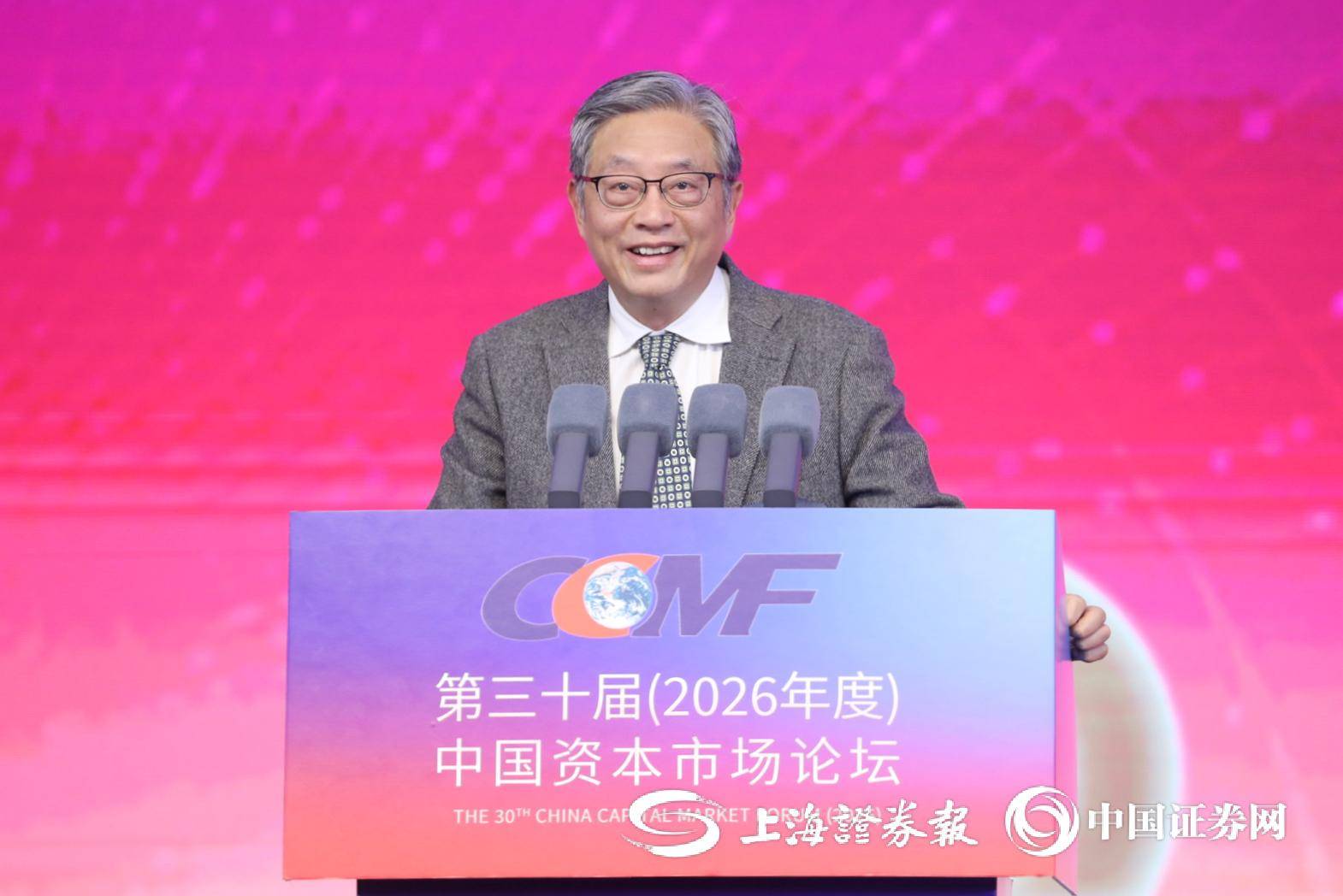
屠光绍:健全投融资相协调的资本市场功能已成为资本市场发展的核心任务
Bei Jing Shang Bao· 2026-01-10 04:32
北京商报讯(记者 马换换)投资和融资是资本市场功能的一体两面,持续深化投融资综合改革,对畅 通资本市场良性循环意义重大。1月10日,上海新金融研究院理事长、中国证监会原副主席屠光绍在第 三十届(2026年度)中国资本市场论坛上就投融资相协调的资本市场功能相关话题进行了主旨演讲。屠 光绍表示,健全投资和融资相协调的资本市场功能已经成为资本市场发展的一个核心任务,一个战略部 署。这也就意味着,它将会在资本市场发展30多年的基础之上,又站在了新的历史起点。 近年来,投融资综合改革已成为资本市场改革的重要发力点。 在投资端,深化公募基金改革,优化创投"募投管退"机制,推动各类中长期资金入市,投资端改革不断 加码。在融资端,接续推出"科创十六条""科创板八条""并购六条"等举措,设立科创板科创成长层,启 用创业板第三套上市标准,融资端改革持续发力。 屠光绍在介绍上述三项表述时提到,从功能的高度确立了投资与融资协调发展的重要性,抓住了中国资 本市场的主要矛盾。屠光绍进而表示,从宏观上来讲,资本市场投资融资相协调的功能要纳入到整个经 济金融发展的整体当中来考虑。 在会上,屠光绍强调了资本市场发展和投融资协调的重要性,特别是 ...
资本市场投融资综合改革持续深化,与万亿险资同赴共赢新局
Sou Hu Cai Jing· 2026-01-07 04:42
Core Viewpoint - The continuous deepening of capital market investment and financing reform is a strategic focus of the Chinese government, aimed at enhancing the quality and vitality of economic development through systematic and effective reforms [2][3][4]. Group 1: Policy and Strategic Focus - The 2026 economic work plan emphasizes the importance of capital market investment and financing reform as a key task, reflecting the government's commitment to reform and development [2]. - The shift from "deepening" to "continuously deepening" in policy language indicates a strong strategic determination to enhance the capital market's role in economic growth [2][3]. - The ongoing reforms are designed to create a modern capital market system that is safe, transparent, and resilient, which is essential for national financial competitiveness and economic structure optimization [3][4]. Group 2: Role of Insurance Capital - Insurance capital plays a crucial role in supporting the real economy and driving capital market reforms, acting as a strategic force with long-term attributes [5]. - Regulatory policies are encouraging insurance capital to enter the market, enhancing investment efficiency and expanding financing opportunities for enterprises [5]. - The number of equity stakes taken by insurance companies reached a peak in 2025, with 37 instances of stake acquisitions, indicating strong confidence in quality listed companies [5]. Group 3: Investment Trends and Areas - A surge in the establishment of private equity funds by insurance companies has been observed, with major firms actively participating in various investment initiatives [6]. - Insurance capital is increasingly focusing on long-term equity investments in emerging industries, aligning with national strategic priorities [6][7]. - Significant investments have been made in green energy and technology sectors, with insurance companies supporting projects that promote ecological sustainability and innovation [7][8]. Group 4: Financial Performance - The insurance sector reported remarkable financial performance in 2025, with total revenue of 2.37 trillion yuan, a 13.6% increase year-on-year, and net profit growth of 33.54% [9]. - Investment returns have been a key driver of profit growth, with total investment income for major insurance firms reaching 887.5 billion yuan, a 35.64% increase [9][10]. - The investment strategies of insurance companies have led to consistent high returns, with some firms achieving average investment returns exceeding industry averages [10][11]. Group 5: Future Outlook - The ongoing reforms and strategic investments by insurance capital are expected to foster a more balanced and effective capital market, enhancing its role as a stabilizer for the economy [11]. - The evolution of insurance capital from mere fund providers to value discoverers and resource allocators is crucial for the sustainable development of the capital market [11].





今日视点:跃马扬鞭奔向资本市场新征程
Zheng Quan Ri Bao· 2026-01-04 23:20
Group 1 - The core viewpoint of the articles highlights the significant progress and resilience of China's capital market in 2025, marked by historical milestones such as the total market value of A-shares exceeding 100 trillion yuan and annual trading volume surpassing 400 trillion yuan [1][2] - The capital market has undergone profound changes, driven by institutional reforms and structural optimization, leading to a more solid market foundation and enhanced global resource integration [1][2] - The rise of "hard technology" companies has been a standout feature, with technology firms now representing 27% of A-share companies valued over 100 billion yuan, up from 12% a decade ago [2] Group 2 - The central economic work conference emphasized the importance of continuing to deepen comprehensive reforms in capital market investment and financing, indicating a shift from "deepening" to "continuing to deepen" reforms [3] - Specific measures include fostering high-quality listed companies, enhancing corporate governance, and promoting long-term capital investment mechanisms, which are expected to inject strong financial momentum into high-quality economic development [3][4] - The anticipated reforms aim to activate the market's internal dynamics, improve transparency and efficiency, and strengthen the role of institutional investors in leading long-term and value investments [4]
资本市场投融资改革纵深推进
Xin Lang Cai Jing· 2026-01-04 22:08
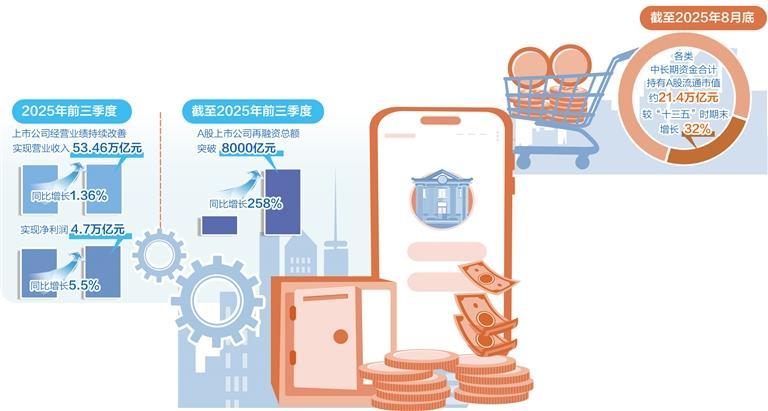
Core Viewpoint - The Chinese capital market is set for comprehensive reforms aimed at enhancing the quality of development, with a focus on attracting long-term investments and improving the investment ecosystem [2][3]. Group 1: Long-term Investment and Policy Framework - The "14th Five-Year Plan" emphasizes the need for a more inclusive and adaptable capital market, highlighting the importance of both investment and financing [2]. - As of August 2025, various long-term funds held approximately 21.4 trillion yuan in A-share market value, marking a 32% increase from the end of the "13th Five-Year Plan" [2]. - The China Securities Regulatory Commission (CSRC) aims to enhance the role of long-term funds as stabilizers in the market, promoting reforms in public funds and encouraging long-term investment products [3]. Group 2: Enhancing Investor Protection - Insufficient returns are a significant barrier to attracting more long-term funds into equity assets, leading to a focus on increasing dividend ratios and protecting investor rights [4]. - The CSRC's guidelines issued in October 2025 aim to strengthen the protection of small and medium investors, enhancing their sense of security and trust in the market [4]. Group 3: Improving Company Quality and Governance - The CSRC has initiated actions to cultivate a high-quality group of listed companies, encouraging them to increase dividend payouts and share buybacks [5]. - By the third quarter of 2025, A-share listed companies had raised over 800 billion yuan through refinancing, a 258% year-on-year increase, indicating improved operational performance [5]. Group 4: Mergers and Acquisitions Support - Optimizing the mergers and acquisitions (M&A) framework is crucial for enhancing investment value, with a focus on supporting quality enterprises through M&A [6]. - The introduction of a refinancing framework is expected to facilitate corporate mergers and enhance resource allocation in the capital market [6]. Group 5: Market Inclusivity and Adaptability - The ongoing reforms aim to enhance the inclusivity and adaptability of the capital market, ensuring it better serves the needs of various industries [7]. - The establishment of a multi-tiered capital market system is underway, focusing on different sectors such as large-cap blue chips and innovative small and medium enterprises [7]. Group 6: Future Directions and Innovations - Future reforms may include relaxing short-term profit requirements for technology-driven companies and enhancing the evaluation of innovation attributes [8]. - The introduction of a "technology bond" market aims to attract more long-term investments into hard technology sectors, addressing funding mismatches [8]. Group 7: Regulatory Enhancements - Strengthening regulatory frameworks is essential for maintaining market stability and transparency, with a focus on combating fraud and ensuring fair market practices [9]. - The CSRC is committed to developing a comprehensive regulatory system that adapts to rapid market changes and enhances investor confidence [9].
以深化改革巩固资本市场向好发展势头
Ren Min Ri Bao· 2026-01-04 09:47
Core Viewpoint - The article emphasizes the need to enhance the attractiveness and inclusiveness of the capital market to better serve as a hub for capital allocation, aligning with technological and industrial demands, and empowering technological innovation through patient capital [1][5]. Group 1: Capital Market Reforms - The "14th Five-Year Plan" suggests improving the inclusiveness and adaptability of the capital market, establishing a coordinated investment and financing system [1]. - Recent meetings have highlighted the importance of deepening comprehensive reforms in capital market financing and investment, aiming to strengthen the market's stability and attractiveness [1][5]. - The relationship between financial systems and the real economy is underscored, with reforms providing pathways to enhance market appeal and inclusiveness [1][2]. Group 2: Investment Side Enhancements - Key strategies to enhance the investment side include optimizing return mechanisms, fostering long-term investments, and implementing institutional openness [3]. - Strengthening the investment return mechanism is crucial for activating domestic capital, ensuring that listed companies prioritize investor returns [3]. - Creating a favorable investment environment for long-term funds, such as social security and insurance funds, is essential for increasing market participation [3]. Group 3: Financing Side Enhancements - The focus on the financing side is to build a "multi-layered, widely covered, and differentiated" market system to meet the diverse financing needs of various enterprises [4]. - Reforms in the "Two Innovation Boards" are aimed at broadening financing channels for innovative companies [4]. - Establishing a comprehensive financing service system that covers the entire lifecycle of enterprises is a priority, alongside market-oriented reforms in mergers and acquisitions [4]. Group 4: Risk Management - Emphasizing the importance of maintaining a controllable risk baseline while deepening capital market reforms is critical for sustainable development [5]. - The need for improved risk warning and emergency response mechanisms is highlighted to enhance the identification and management of systemic risks [5]. - Encouraging companies to improve operational efficiency and profitability is essential, alongside the implementation of a delisting system to foster a competitive market environment [5].
2025中伦IPO年报
Sou Hu Cai Jing· 2026-01-03 11:54
Group 1 - In 2025, China's capital market will further advance comprehensive reforms, enhancing market competitiveness and inclusivity for new industries, business models, and technologies [3] - Zhonglun has empowered the development of the real economy by assisting numerous new productivity enterprises in completing domestic listings and helping many Chinese companies successfully enter overseas capital markets [4] - In 2025, Zhonglun acted as issuer's lawyer for 15 companies listed on the domestic A-share market and completed listings for 15 companies on Hong Kong, US, and Singapore exchanges, leveraging its integrated professional advantages in domestic and international capital markets [4] Group 2 - Zhonglun actively participated in various research and surveys organized by the China Capital Market Society, Capital Market Academy, and relevant regulatory bodies, contributing professional insights to enhance the inclusivity and adaptability of capital market systems [4] - Looking ahead to 2026, the deepening reforms of China's capital market are expected to continue, with increasing institutional inclusivity and adaptability, and broader financial support for new productivity [4]
资本市场投融资改革“动刀” | 前瞻2026
Guo Ji Jin Rong Bao· 2025-12-31 10:26
Core Insights - The continuous deepening of capital market investment and financing reform has been a key task in the Central Economic Work Conference for two consecutive years, indicating a significant commitment to advancing the capital market in the new five-year plan [1][3][4] - The A-share market has seen a total market value exceeding 100 trillion yuan, with the technology sector accounting for over 25% of this value, reflecting a historic shift from a "one-way financing channel" to a "coordinated investment and financing ecosystem" [1][3] - The reforms aim to enhance the capital market's role in supporting technological innovation and high-quality economic development, transitioning from a focus on financing to a balanced approach of investment and financing [6][7] Investment and Financing Reform - The reform emphasizes addressing the structural imbalance in investment and financing, with a current dominance of indirect financing through banks, which does not meet the diverse funding needs for technological innovation and industrial upgrades [6][7] - The core of the reform is to break through the entire chain of "financing-investment-exit," shifting from a financing-led approach to a balanced investment and financing model, enhancing the adaptability of the capital market to technological innovation [6][7] Key Areas of Focus - Future reforms should concentrate on three dimensions: the financing end, investment end, and trading end. This includes improving the registration system, enhancing the quality of listed companies, and optimizing trading mechanisms [9][10] - The investment end should focus on building a "long money long investment" ecosystem, increasing the proportion of long-term funds entering the market, and enhancing investor protection to improve market transparency and confidence [9][10] - The financing end should provide comprehensive lifecycle services, streamline financing channels for hard technology and strategic emerging industries, and develop regional equity markets to facilitate mergers and acquisitions [10]