
黄金税改

Search documents
水贝市场大盘价定了,有料商暂停出货,有厂家恢复正常经营
21世纪经济报道· 2025-11-10 09:53
Core Viewpoint - The article discusses the impact of a new tax policy on the gold jewelry market in Shenzhen's Shui Bei, highlighting a significant increase in procurement costs and subsequent price adjustments across the industry due to the differentiation between investment and non-investment uses of gold [1][4][5]. Group 1: Tax Policy Changes - On November 1, the Ministry of Finance and the State Administration of Taxation announced a new tax policy that reduces the tax input deduction for non-investment gold purchases from 13% to 6%, leading to a 7% increase in costs for gold merchants [1][4]. - The policy's implementation coincided with a weekend, causing initial confusion in pricing, but by November 3, the market had adjusted to reflect the new tax implications [3][4]. Group 2: Market Reactions - Following the announcement, many gold retailers, including Chow Tai Fook and Lao Feng Xiang, raised their prices, with Shui Bei's gold price reported at 976 CNY per gram, approximately 7% higher than the domestic gold price [4][5]. - Retail traffic in gold stores has decreased, as consumers are opting to wait rather than purchase gold at higher prices, indicating a shift in consumer behavior [3][4]. Group 3: Business Strategies - Some merchants are temporarily halting sales to assess the impact of the new tax policy and consumer reactions, while others are shifting towards a "material settlement" model to mitigate tax impacts [8][10]. - The "material settlement" method allows transactions to avoid tax implications, as buyers only pay for processing fees without involving the gold price itself [10][11]. Group 4: Industry Dynamics - The new tax policy has created a disparity in how different segments of the gold industry are affected, with retail facing immediate impacts while production and wholesale sectors are slower to react due to the cyclical nature of gold production [13][14]. - Producers are closely monitoring changes in purchasing behavior among retailers, as rising costs are prompting adjustments in product types and quantities ordered [14].


金价突然大涨!有人却扛不住了
Sou Hu Cai Jing· 2025-11-08 16:05
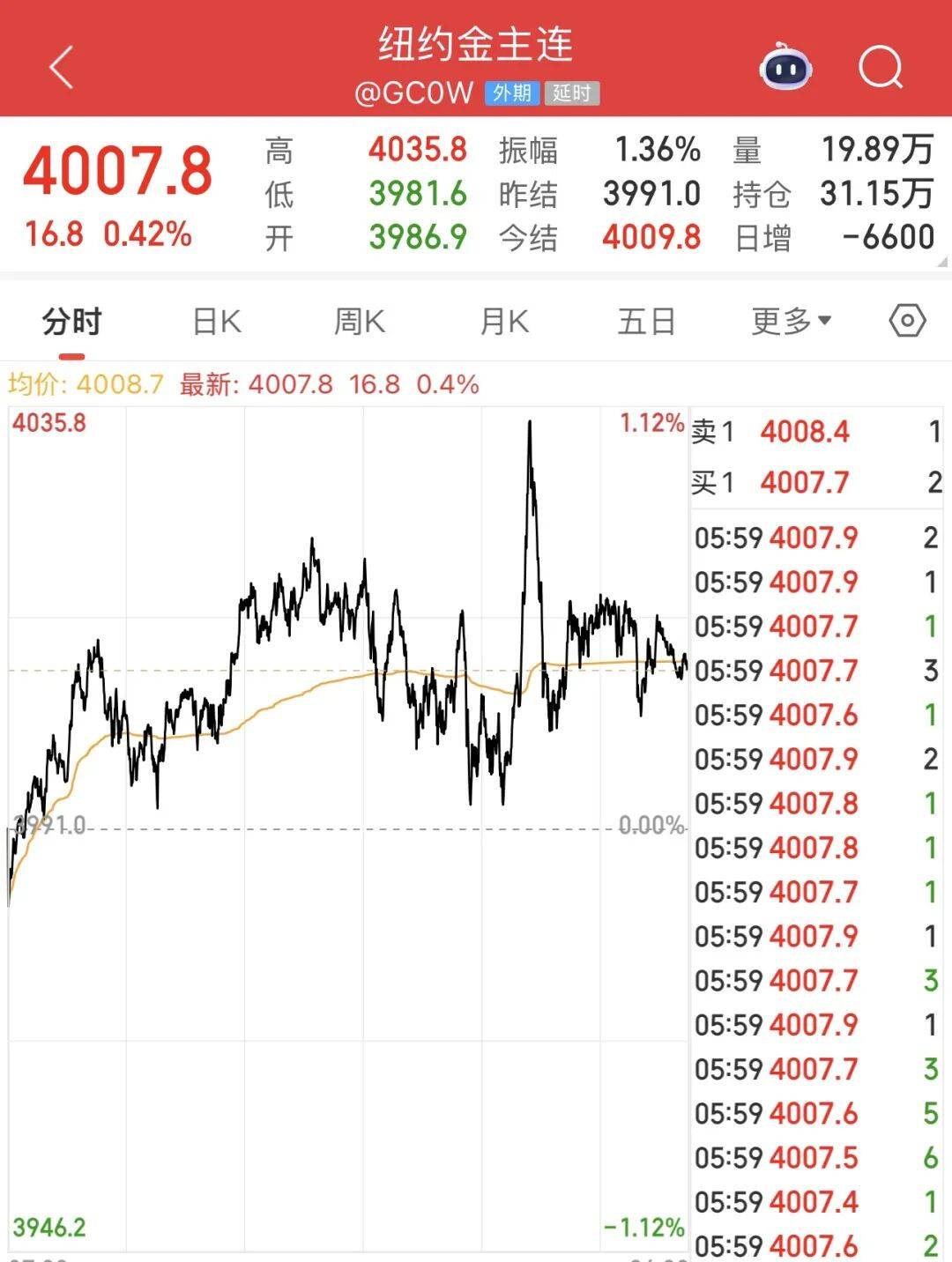
Core Viewpoint - The gold retail market is experiencing a dichotomy, with rising gold prices leading to increased demand for investment gold bars while traditional gold jewelry sales are declining due to high prices and changing consumer behavior [4][12][16]. Gold Price Movement - On November 8, COMEX gold futures rose by 0.42% to $4007.8 per ounce, with a weekly increase of 0.28%. Spot gold also saw a daily increase of over 1%, reaching $3997.63 per ounce [1]. - COMEX silver futures increased by 0.57% to $48.225 per ounce, with a weekly rise of 0.13% [3]. Retail Market Dynamics - Despite rising gold prices, jewelry stores are facing challenges, with many brands, including Chow Tai Fook, closing stores due to poor performance. As of September 30, Chow Tai Fook had 6041 retail points, down from 6644 in March, with a significant reduction in mainland China [6][8]. - In the third quarter, Chow Tai Fook's same-store sales in mainland China and Hong Kong fell by 8.6% and 10.0%, respectively [9]. Financial Performance - Chow Tai Fook reported a decline in retail points and same-store sales, while its competitor, Luk Fook, also saw a reduction in store numbers but experienced a revenue increase due to higher average selling prices driven by rising gold prices [10][11]. - For the first nine months of 2025, Chow Tai Fook's revenue decreased by 37.35%, but its overall gross margin improved to 29.74% due to product mix optimization [9]. Impact of Tax Policy - The new gold tax policy implemented on November 1 is expected to further pressure the retail market, with costs for non-investment gold enterprises increasing due to reduced input tax deductions [15][16]. - Following the tax policy, gold prices surged, with Chow Tai Fook's price per gram rising from 1198 to 1265 yuan within a few days [15]. E-commerce Growth - E-commerce has emerged as a growth area for several gold jewelry companies, with Chow Tai Fook and others reporting significant increases in online sales. For instance, Chow Tai Fook's e-commerce revenue grew by 28.72% compared to the previous year [17][19]. - The shift to e-commerce is driven by consumer preference for lower-priced, lightweight gold products, which are more competitive online due to lower processing fees [19].

周大福又涨价了
21世纪经济报道· 2025-11-04 13:53
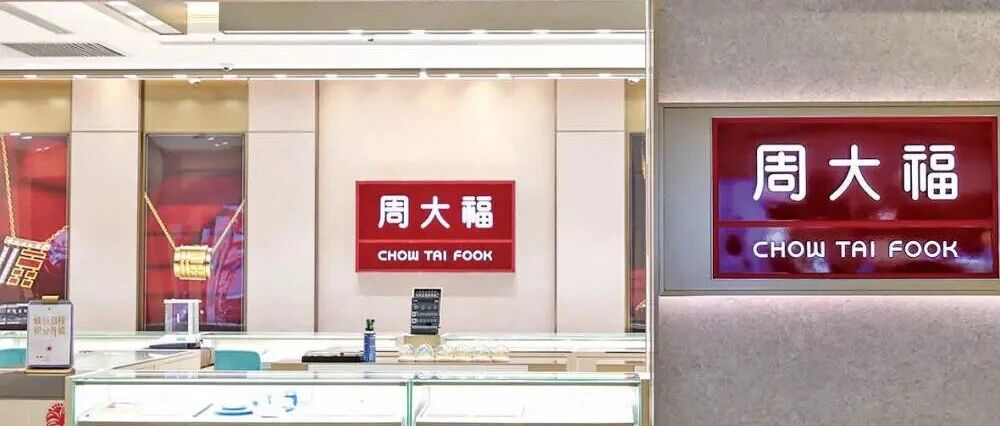
Core Viewpoint - The new gold tax policy has led to fluctuations in gold prices, impacting consumer behavior and prompting major jewelry brands like Chow Tai Fook to adjust their pricing strategies in response to increased costs associated with gold procurement and production [1][3]. Group 1: Impact of Gold Tax Policy - The new tax policy exempts individuals from value-added tax when selling used items, including gold jewelry, but frequent large-scale sales may be classified as "business sales" by tax authorities [1]. - Chow Tai Fook announced a price adjustment for certain gold products starting November 3, citing additional costs from the new tax policy [1][3]. - Major gold retailers, including Chow Tai Fook, experienced significant price increases, with some brands raising prices by over 5% in a single day [1]. Group 2: Financial Performance and Strategy - Chow Tai Fook reported a 43.7% year-on-year increase in retail value for its priced gold products during the third quarter [3]. - The company emphasizes its focus on product design, service quality, and customer relationships to maintain a reasonable profit margin [3]. - Chow Tai Fook utilizes financial tools to hedge risks and maintains stable gold inventory levels aligned with production and sales needs, rather than solely capitalizing on price increases [3].
家中黄金变现要亏?新规斩断非正规渠道,个人黄金必须"进场"了?
Sou Hu Cai Jing· 2025-11-04 08:10
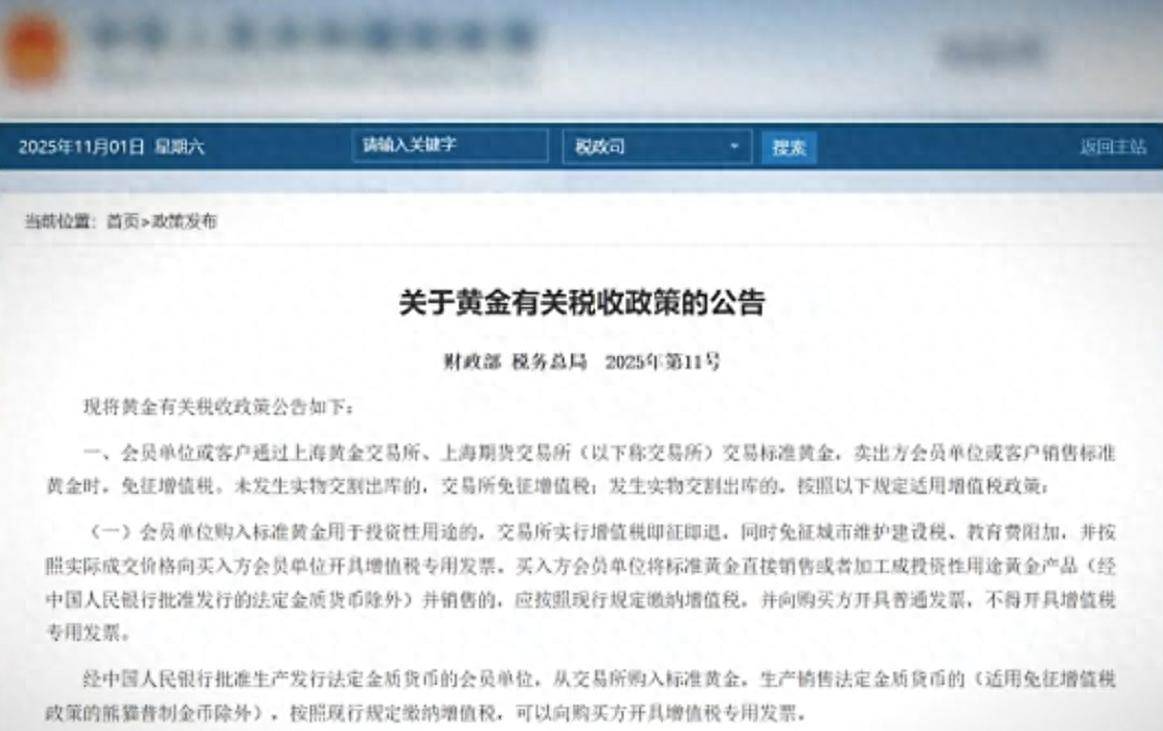
Core Insights - The new gold tax regulations issued by the Ministry of Finance and the State Administration of Taxation are a significant move in shaping the future landscape of the gold market in China over the next two decades [3][4][12]. Regulatory Changes - The new regulations specify that only standard gold traded through the Shanghai Gold Exchange and the Shanghai Futures Exchange will be eligible for tax benefits, while gold not traded through these channels will incur full VAT [4][8]. - The regulations categorize gold into two types: investment gold (e.g., gold bars) and non-investment gold (e.g., jewelry, industrial gold), leading to different tax implications based on usage [9][10]. Market Impact - The new rules aim to eliminate non-compliant trading channels, effectively pushing gold transactions back to official platforms, which may increase costs for individual sellers who cannot provide compliant VAT invoices [8][9]. - The long-term strategy behind these regulations is to enhance China's pricing power in the global gold market, similar to historical precedents where tax policies were used to influence market behavior [12][14]. Investment Considerations - For investors, financial products like paper gold and gold ETFs may offer lower transaction costs and better liquidity compared to physical gold under the new tax regime [13]. - Individuals looking to invest in physical gold should prioritize purchasing through official channels to ensure smoother future transactions and avoid price reductions due to non-compliance with tax regulations [13][14]. Strategic Implications - The tax reform is seen as part of a broader strategy to modernize governance and enhance transparency in the gold market, which could lead to a more standardized and scalable market in China [14][15]. - The changes may also have international repercussions, potentially increasing the influence of the Shanghai gold benchmark price and challenging the traditional dominance of London and New York gold markets [14][15].
中辉有色观点-20251103
Zhong Hui Qi Huo· 2025-11-03 02:52
Report Industry Investment Ratings - Gold: Long - term long position [1] - Silver: Long - term long position [1] - Copper: Long - term holding [1] - Zinc: Rebound under pressure [1] - Lead: Rebound under pressure [1] - Tin: Rebound under pressure [1] - Aluminum: Relatively strong [1] - Nickel: Relatively weak [1] - Industrial silicon: Rebound [1] - Polysilicon: Bullish [1] - Lithium carbonate: High - level adjustment [1] Core Views - For gold, the long - term support logic remains unchanged due to geopolitical order reshaping and central bank purchases, and short - term entry opportunities exist. For silver, long - term global policy stimulates demand with a continuous supply - demand gap. Copper is expected to have a long - term upward trend due to copper concentrate shortages and green copper demand. Zinc has limited up - and - down space in the short - term and a supply - increase and demand - decrease situation in the long - term. Lead, tin, and nickel prices are under pressure in the short - term. Aluminum prices are relatively strong in the short - term, while lithium carbonate prices are in a high - level adjustment phase [1]. Summary by Directory Gold and Silver - **Market Review**: After risk events landed, the market sentiment was basically released, and gold and silver fluctuated narrowly. Short - term attention should be paid to US data and government shutdown [3]. - **Underlying Logic**: The new gold tax policy affects different usage and user groups. The US government shutdown is in a stalemate, which affects Fed policies and market expectations. In the long - term, gold benefits from global monetary easing, dollar credit decline, and geopolitical pattern reconstruction [4]. - **Strategy Recommendation**: Both gold and silver have stopped falling in the short - term. Medium - and short - term entry can be considered, with strong support at 910 for domestic gold and 11200 for silver. Long - term value - oriented positions should be held [5]. Copper - **Market Review**: Shanghai copper and London copper fluctuated at high levels [7]. - **Industry Logic**: Copper concentrate shortages continue as major mining companies lower production expectations. There is an expected decline in domestic electrolytic copper production in the fourth quarter. The domestic smelting industry calls for anti - involution and possible production cuts. Downstream demand shows a pattern of high - price aversion and low - price purchasing [7]. - **Strategy Recommendation**: In the short - term, it is recommended to try long positions on dips near the 84500 - 85500 range. Long - term strategic long positions should be held. Industrial hedging can use options for protection, and strict risk control is required. The short - term focus ranges are [84500, 88500] yuan/ton for Shanghai copper and [10500, 11200] dollars/ton for London copper [8]. Zinc - **Market Review**: Zinc fluctuated narrowly [10]. - **Industry Logic**: Domestic zinc concentrate supply is abundant, and the processing fee has dropped due to smelter winter stockpiling. Refined zinc enterprise profits are in a small - scale loss. Zinc ingot production is expected to increase, and consumption is entering the off - season. The overseas LME zinc inventory soft - squeeze risk has eased [10]. - **Strategy Recommendation**: Zinc lacks a clear one - sided driving force in the short - term, with limited up - and - down space. In the long - term, it is a short - side allocation in the sector. The focus ranges are [22200, 22800] yuan/ton for Shanghai zinc and [2980, 3080] dollars/ton for London zinc [11]. Aluminum - **Market Review**: Aluminum prices are cautiously optimistic, while alumina shows a relatively weak trend [13]. - **Industry Logic**: For electrolytic aluminum, overseas interest rate cuts continue. Domestic production capacity is high, and terminal consumption is transitioning from peak season to off - season. For alumina, overseas bauxite shipments are affected by the rainy season, and the domestic industry is facing profit contraction and possible production cuts [14]. - **Strategy Recommendation**: It is recommended to take profits on rallies for Shanghai aluminum in the short - term, paying attention to the changes in downstream processing enterprise operating rates. The main operating range is [21000 - 21800] [15]. Nickel - **Market Review**: Nickel prices are under pressure, and stainless steel prices are falling back [17]. - **Industry Logic**: Overseas interest rate cuts continue. Overseas nickel production policies are adjusted, and domestic and overseas nickel inventories are accumulating. The stainless steel market shows a supply - and - demand weak situation, and terminal demand is weakening [18]. - **Strategy Recommendation**: It is recommended to short on rallies for nickel and stainless steel, paying attention to downstream consumption and stainless steel inventory changes. The main operating range for nickel is [120000 - 123000] [18]. Lithium Carbonate - **Market Review**: The main contract LC2601 opened high and closed low, with a significant reduction in positions and an enlarged decline at the end of the session [20]. - **Industry Logic**: The fundamentals are expected to improve, with continuous inventory reduction for 11 weeks and an expanding reduction range. Although supply is still growing, there are production declines in some regions. Terminal demand is strong, but the rumored resumption of production has a negative impact on the market [21]. - **Strategy Recommendation**: It is recommended to wait and see until the market stabilizes in the range of [80000 - 82000] [22].