AI技术滥用

Search documents
事关网购,新华网连发三篇评论
财联社· 2025-11-09 13:35
Group 1 - The article discusses the deceptive pricing tactics used by online ticketing platforms, where consumers are often misled into paying higher prices due to hidden fees like "refund protection" that are bundled with the advertised low prices [2][3] - Regulatory challenges are highlighted, as local authorities struggle to enforce rules against these platforms due to jurisdictional issues, leading to a lack of effective consumer protection [3] - The article calls for breaking down regional barriers in regulation, implementing clear penalties for deceptive practices, and simplifying the complaint process for consumers [3] Group 2 - The second commentary addresses the issue of online travel agencies (OTAs) unilaterally adjusting prices, which undermines the pricing autonomy of businesses and negatively impacts consumer experience [4][5] - It emphasizes that such practices, justified under the guise of "optimizing supply and demand," are a form of overreach that harms both merchants and consumers [4][5] - The article argues for the need to respect the pricing rights of businesses and maintain a fair competitive environment, as well as the importance of platforms acting as facilitators rather than price manipulators [5] Group 3 - The third commentary focuses on the misuse of AI models in e-commerce, where some merchants use AI to create misleading representations of products, leading to significant discrepancies between advertised and actual items [6][7] - It points out that while AI technology can enhance marketing, its abuse can lead to consumer distrust and increased return rates, ultimately harming businesses [7][8] - The article references new regulations aimed at ensuring transparency in AI-generated content, highlighting the legal implications of misleading advertising practices [8][9]


AI技术滥用调查:明星可被“一键换装”
Mei Ri Jing Ji Xin Wen· 2025-10-14 13:40
Core Insights - The misuse of AI technology, particularly in creating inappropriate content, has led to significant concerns for both ordinary individuals and public figures, highlighting the urgent need for regulatory measures and technological safeguards [1][3][4] Group 1: AI Misuse Cases - Several individuals, including a university mentor and a white-collar worker, have fallen victim to AI-generated inappropriate content, such as deepfake videos and cloned images, raising alarms about privacy and security [1][3] - Public figures, including athletes, have also reported being targeted by malicious AI-generated content, indicating that the issue affects a wide range of individuals [4][3] Group 2: Regulatory Responses - The Central Cyberspace Affairs Commission initiated a special action to address the misuse of AI technology, focusing on seven key issues, including the production of pornographic content and impersonation [2] - Legal experts emphasize the need for clearer regulations regarding the use of personal images in AI training, as many users are unaware of how their data is being utilized [4][19] Group 3: Content Generation and Platform Responsibility - A recent test of 12 popular AI applications revealed that five could easily perform "one-click dressing" of celebrities, while nine could generate suggestive images, showcasing the vulnerabilities in current content moderation systems [10][12] - Social media platforms are under pressure to enhance their content moderation capabilities, with some companies claiming to improve their AI detection models to reduce the exposure of low-quality content [7][16] Group 4: Legal Framework and Challenges - Existing laws provide a framework for regulating AI-generated content, but ambiguities in definitions and enforcement create challenges in addressing "borderline" content [18][19] - Experts suggest that while technology can identify and flag inappropriate content, the responsibility often falls short due to a lack of accountability and clear standards [17][19] Group 5: User Awareness and Rights - Users are encouraged to document evidence of any malicious use of their images and report such incidents to platforms and regulatory bodies, emphasizing the importance of personal vigilance in the digital age [20] - The need for increased penalties for violations is highlighted as a crucial step in deterring misuse of AI technology and protecting individual rights [20]
新晨科技:10月13日召开董事会会议
Mei Ri Jing Ji Xin Wen· 2025-10-13 10:08
Group 1 - The core point of the article is that New Morning Technology (SZ 300542) announced a board meeting to discuss providing performance guarantees for its wholly-owned subsidiary [1] - The meeting took place on October 13, 2025, combining in-person and remote participation [1] - As of the report, New Morning Technology has a market capitalization of 5.8 billion yuan [1] Group 2 - For the first half of 2025, the revenue composition of New Morning Technology is as follows: 55.31% from the banking sector, 17.22% from non-bank financial institutions, 13.74% from military industry, 11.77% from government and state-owned enterprises, and 1.96% from other sources [1]

永清环保:公司证券事务代表黄田辞职
Mei Ri Jing Ji Xin Wen· 2025-10-13 00:02
Group 1 - Yongqing Environmental Protection announced on October 13 that the board received a written resignation from Ms. Huang Tian, the company's securities affairs representative, who is resigning for personal reasons and will no longer hold any positions in the company or its subsidiaries after her resignation [1] Group 2 - The news highlights concerns regarding the misuse of AI technology, particularly in the context of celebrity manipulation and the proliferation of borderline content that drives traffic, raising questions about the effectiveness of technological safeguards [1]

AI技术滥用调查:“擦边”内容成流量密码,平台能拦却不拦?
Hu Xiu· 2025-10-12 10:08
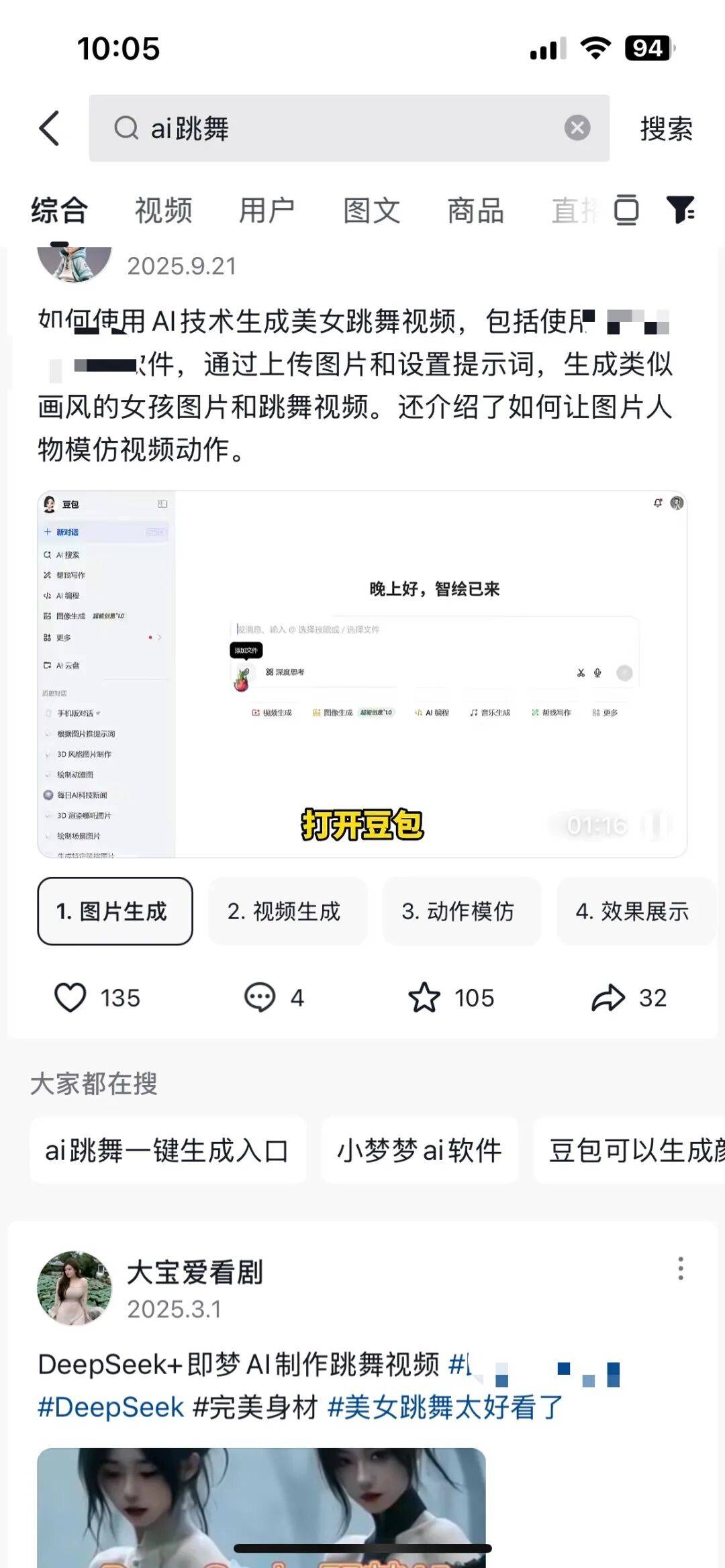
Group 1 - The article highlights the misuse of AI technology, particularly in creating inappropriate content, leading to significant concerns for both ordinary individuals and public figures [1][6][10] - A surge in AI-generated content, such as "AI dressing" and "AI borderline" images, has become prevalent on social media platforms, attracting large audiences and followers [2][10][11] - The Central Cyberspace Affairs Commission has initiated actions to address the misuse of AI technology, focusing on seven key issues, including the production of pornographic content and impersonation [4][5] Group 2 - Ordinary individuals and public figures alike are victims of AI misuse, with cases of identity theft and defamation emerging from AI-generated content [6][8][9] - The prevalence of AI-generated "borderline" content on social media platforms raises concerns about copyright infringement and the potential for exploitation [10][12][22] - Various tutorials and guides are available on social media, instructing users on how to create and monetize AI-generated borderline content, indicating a growing trend in this area [13][16][22] Group 3 - Testing of 12 popular AI applications revealed that 5 could easily perform "one-click dressing" on celebrity images, raising concerns about copyright infringement [31][32][39] - Nine of the tested AI applications were capable of generating borderline images, with the ability to bypass content restrictions through subtle wording changes [40][41][42] - The article discusses the challenges faced by platforms in regulating AI-generated content, highlighting the need for improved detection and compliance measures [54][56][60] Group 4 - The article emphasizes the need for clearer legal standards and increased penalties for violations related to AI-generated content to deter misuse [57][59][60] - Recommendations for individuals facing AI-related infringements include documenting evidence and reporting to relevant authorities, underscoring the importance of legal recourse [61] - The article concludes that addressing the misuse of AI technology requires a multifaceted approach, including technological improvements and regulatory clarity [62]
AI技术滥用调查:明星可被“一键换装”,“擦边”内容成流量密码,技术防线为何形同虚设?
Mei Ri Jing Ji Xin Wen· 2025-10-12 10:07
Group 1 - The article highlights the misuse of AI technology, particularly in creating inappropriate content and identity theft, affecting both ordinary individuals and public figures [2][4][6] - A recent investigation tested 12 popular AI applications, revealing that 5 could easily perform "one-click dressing" of celebrities, while 9 could generate suggestive images [26][27][31] - The prevalence of AI-generated content on social media platforms has led to a surge in accounts exploiting this technology for gaining followers and monetization [7][8][21] Group 2 - The article discusses the weak defenses against AI misuse, questioning the role of content platforms in preventing such abuses [3][36] - Legal frameworks exist to regulate AI-generated content, but there are challenges in enforcement and clarity regarding "borderline" content [39][40] - Experts suggest that improving detection technologies and increasing penalties for violations could help mitigate the misuse of AI [38][41]

焦点访谈|真假难辨 警惕AI带货“李鬼”!
Yang Shi Wang· 2025-10-11 13:33
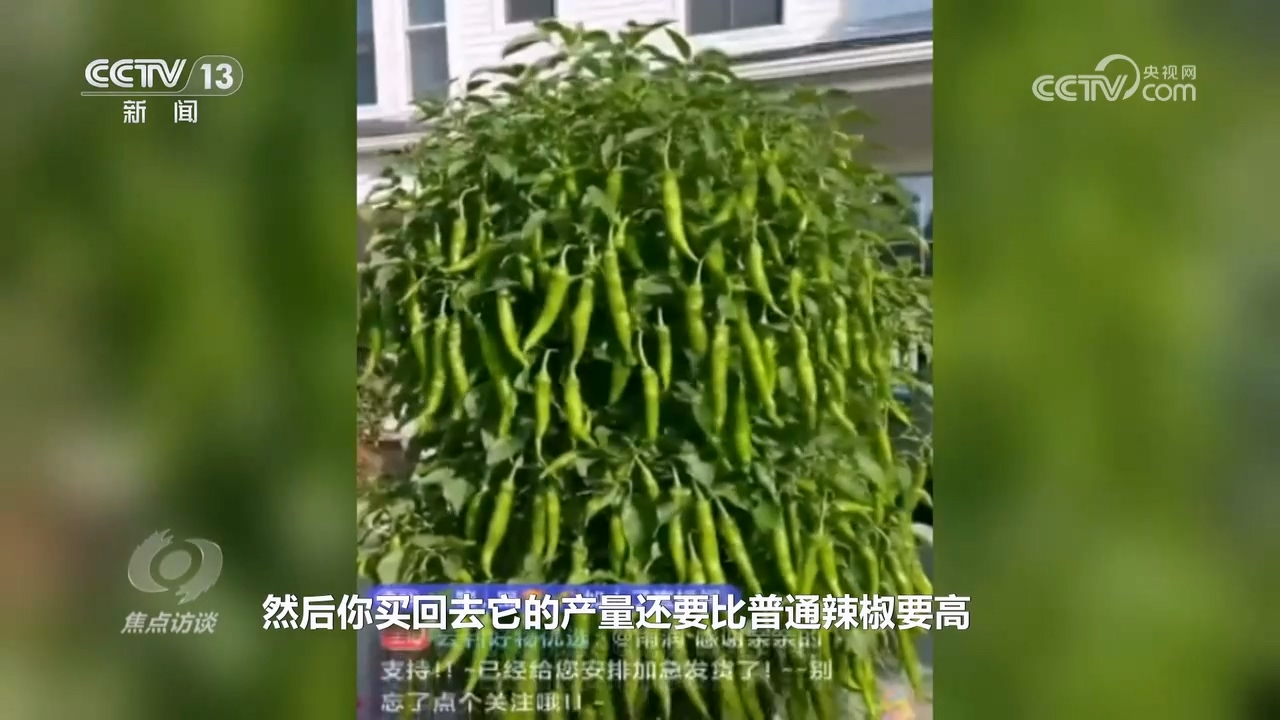
Core Viewpoint - The rise of AI-generated content in e-commerce, particularly in live streaming and short video platforms, has led to the emergence of counterfeit endorsements and products, posing significant challenges to consumer protection and digital governance [1][20]. Group 1: AI Technology and Counterfeiting - Some merchants are using AI technology to impersonate celebrities and promote agricultural products, making it difficult for consumers to distinguish between genuine and fake endorsements [1][16]. - The use of AI has resulted in misleading representations of products, such as exaggerated claims about the size and yield of agricultural products like the Zhangshu Port chili pepper [3][12]. - Technical flaws in AI-generated videos, such as unrealistic visuals and "穿模" (model penetration), highlight the limitations of current AI capabilities in accurately depicting real-world physics [7][9]. Group 2: Legal and Regulatory Implications - The actions of these counterfeiters may constitute civil and criminal offenses, violating consumer rights and potentially infringing on intellectual property laws [14][16]. - Legal experts emphasize that misleading consumers through AI-generated content can lead to violations of the Consumer Protection Law and the E-commerce Law in China [14][23]. - Recent regulations require all AI-generated content to be clearly labeled, yet many platforms struggle to enforce these rules effectively [25][27]. Group 3: Consumer Awareness and Platform Responsibility - Consumers often find it challenging to identify AI-generated content, leading to instances of deception and dissatisfaction with purchased products [20][21]. - Platforms are urged to enhance their AI content recognition systems and implement measures like digital watermarks to prevent the spread of false information [29][31]. - A collaborative effort among technology developers, platforms, and regulatory bodies is essential to combat AI fraud and protect consumer trust in the digital marketplace [31].
全红婵、孙颖莎成受害者!最新曝光
Xin Lang Cai Jing· 2025-08-19 17:14
Core Viewpoint - The proliferation of AI technology has enabled the "cloning" of specific individuals' voices, leading to civil infringement and potential criminal issues, particularly in the context of online marketing and live streaming [1][5]. Group 1: AI Voice Cloning in Marketing - Some social media influencers are using AI-cloned voices of Olympic champions, such as Quan Hongchan, to promote agricultural products, misleading fans into believing they are interacting with the actual athletes [3][5]. - A specific account on Douyin has posted 17 videos using AI to impersonate Quan Hongchan, achieving over 11,000 likes on one video, and selling 47,000 units of eggs linked to the promotion [3][5]. - Other Olympic champions, including Sun Yingsha and Wang Chuqin, have also been impersonated in similar marketing schemes [5]. Group 2: Legal and Ethical Concerns - The use of AI to clone voices raises significant legal concerns, including potential fraud and infringement of personal rights, as highlighted by experts [6][7]. - China's Civil Code now includes provisions for the protection of an individual's voice, equating it to portrait rights, thus making unauthorized use of a person's voice for AI cloning an infringement [6][7]. - Experts recommend that platforms implement stricter regulations and monitoring mechanisms to prevent the misuse of AI voice cloning technology [7]. Group 3: Regulatory Measures - In March, China's National Internet Information Office and other departments announced a regulation set to take effect in September 2025, requiring explicit labeling of AI-generated content [7]. - A nationwide campaign has been launched to address the misuse of AI technology, focusing on enhancing detection and verification capabilities on platforms [7].

确认了!全红婵、孙颖莎、王楚钦是受害者
Xin Lang Cai Jing· 2025-08-19 10:24
Core Viewpoint - The proliferation of AI technology has enabled the "one-click" cloning of specific individuals' voices, leading to civil infringement and potential criminal issues. Group 1: AI Voice Cloning and Its Implications - AI technology allows for the cloning of any person's voice in just a few seconds, resulting in frequent occurrences of infringement as voices can be easily stolen and misused [1][9][11] - Some social media influencers are using AI-cloned voices of Olympic champions to promote products, misleading fans into believing they are interacting with the actual individuals [1][3][7] Group 2: Case Studies of Voice Cloning - A social media account named "I'm Little Assistant" has posted 17 videos using AI to impersonate Olympic champion Quan Hongchan, with one video receiving 11,000 likes and selling 47,000 units of eggs [3] - Other Olympic champions, such as Sun Yingsha and Wang Chuqin, have also been impersonated in similar promotional activities [5] Group 3: The Underlying Issues and Industry Response - The ease of cloning voices has led to a gray industry where individuals can quickly gain followers and monetize their accounts through deceptive practices [9][10] - Experts suggest that platforms should take responsibility for monitoring and regulating AI voice cloning, implementing mechanisms to detect and report infringements [12][13]

奥运冠军带货土鸡蛋?央视曝光AI克隆声音乱象
Yang Shi Xin Wen· 2025-08-19 02:08
Core Viewpoint - The rise of AI technology has enabled the cloning of voices, leading to frequent infringement issues and the emergence of a gray industry behind it [1][2][10]. Group 1: AI Voice Cloning in E-commerce - AI has been used to impersonate Olympic champion Quan Hongchan's voice for selling farm products, with one video achieving 11,000 likes and 47,000 items sold [2][5]. - Other Olympic champions, such as Sun Yingsha and Wang Chuqin, have also been victims of similar voice cloning for selling products [4]. - The deceptive nature of AI-generated voices has led to significant consumer confusion, with many believing they are interacting with the actual celebrities [5]. Group 2: Gray Industry and Legal Implications - The use of AI to clone voices has created a gray industry where individuals can quickly gain followers and monetize their accounts through impersonation [8]. - Voice actors are also facing infringement issues, with cases of their voices being used without consent in promotional materials [10][12]. - Legal experts indicate that unauthorized use of AI-generated voices constitutes an infringement of personality rights, as outlined in China's Civil Code [17]. Group 3: Regulatory and Platform Responsibilities - Experts suggest that platforms must take responsibility for regulating AI voice cloning, establishing mechanisms for reporting and reviewing infringing content [19]. - A new regulation set to take effect in September 2025 will require service providers to label AI-generated content clearly [21]. - The Chinese government is initiating actions to combat the misuse of AI technology, focusing on enhancing detection and verification capabilities on platforms [21].