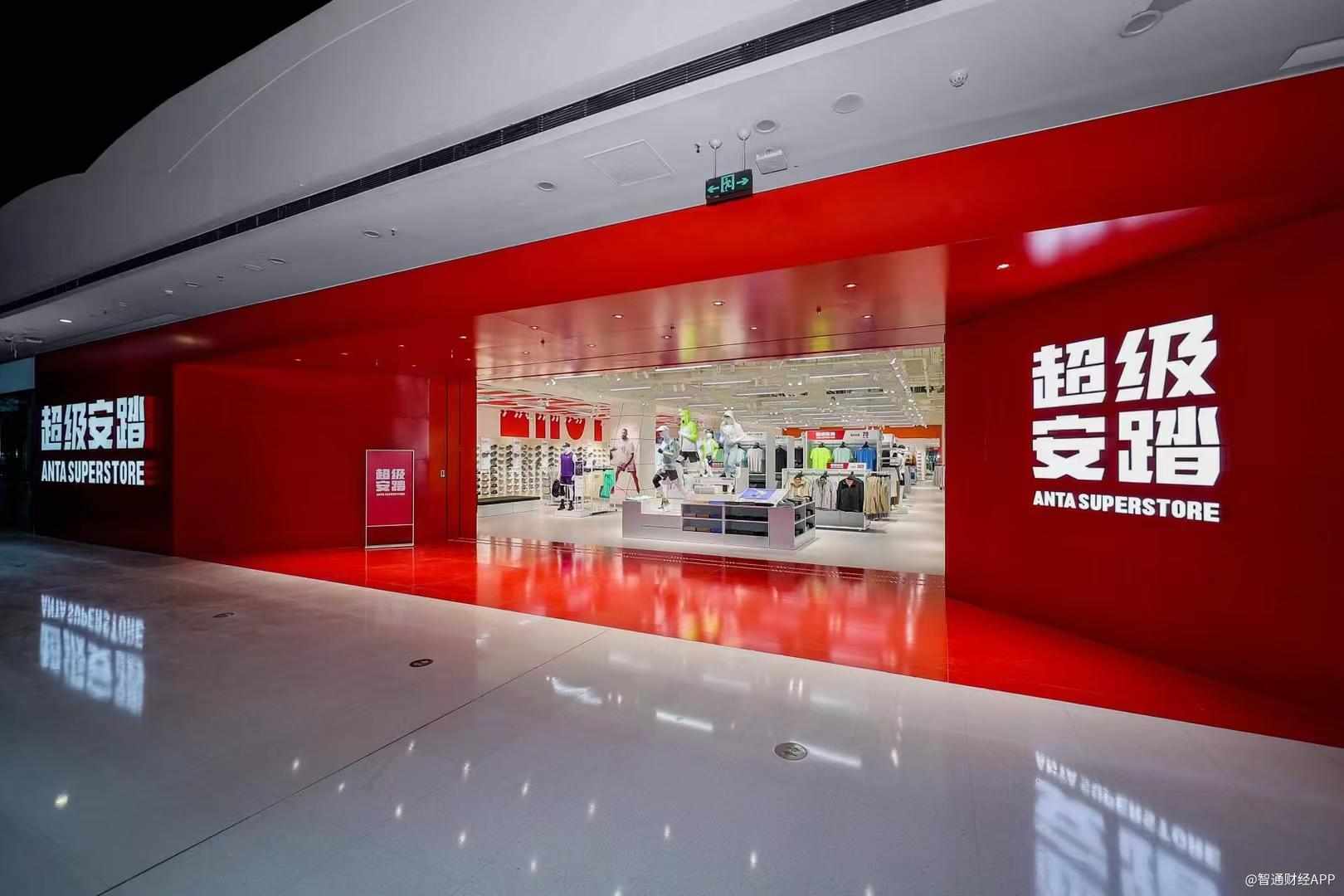
DTC战略

Search documents
AmerSports深度报告:逆势高增的高端多品牌户外运动集团
Haitong Securities International· 2025-06-16 08:22
Investment Rating - The report gives an "Overweight" rating for the company, predicting a net profit of $447 million and $566 million for 2025 and 2026 respectively, with a target price of $42.00 based on a PE valuation of 52X for 2025 [2][4]. Core Insights - The company has a strong high-end positioning and is rapidly expanding its business in Greater China, driven by local shareholders. The DTC strategy of Arc'teryx has significantly boosted profitability, and the core brands still have substantial potential for store expansion and improvement in store efficiency, leading to a continuous increase in profitability [1][2]. Financial Summary - Revenue is projected to grow from $3.549 billion in 2022 to $8.228 billion by 2027, with a CAGR of 17.4% [2]. - Gross profit is expected to rise from $1.764 billion in 2022 to $4.740 billion in 2027 [2]. - The company is forecasted to turn a net profit of $73 million in 2024, with significant growth to $447 million in 2025 and $566 million in 2026, indicating a strong recovery trajectory [2]. Business Strategy and Market Position - The company has streamlined its brand matrix post-acquisition, focusing on core brands like Arc'teryx, Salomon, and Wilson, which are positioned for high growth in the premium sports segment [6][7]. - The DTC revenue share is expected to increase significantly, enhancing gross margins, with Arc'teryx leading this growth [2][69]. - The outdoor sports segment is experiencing robust growth, particularly in China, which is projected to become the largest market for outdoor footwear and apparel by 2030 [2][3]. Brand Performance - Arc'teryx is expected to see its revenue double, with a strong focus on expanding its DTC channels and improving store efficiency [44]. - Salomon is in a growth phase, with plans to expand its store presence significantly in key markets, including China [45][68]. - Wilson is diversifying its product lines and is expected to recover from previous growth challenges, with a focus on increasing its footwear offerings [68]. Market Trends - The global outdoor footwear and apparel market is anticipated to grow at a CAGR of 7.1%, with Asia-Pacific leading the growth [3][4]. - The report highlights the increasing interest in women's sports events, indicating a strong growth potential for women's athletic footwear and apparel [3].

亚玛芬体育(AS)深度报告:逆势高增的高端多品牌户外运动集团
GUOTAI HAITONG SECURITIES· 2025-06-11 07:25
Investment Rating - The report assigns an "Accumulate" rating for Amer Sports [1] Core Views - The company is positioned in the high-end multi-brand outdoor sports segment, with strong growth potential driven by its core brands and strategic expansion in the Greater China region [3][6] - The company has streamlined its brand matrix post-acquisition, focusing on high-potential brands like Arc'teryx, Salomon, and Wilson, which are expected to drive significant revenue growth [10][12] Financial Summary - Revenue is projected to grow from $3.55 billion in 2022 to $8.23 billion by 2027, with a CAGR of 17.4% [5] - Net profit is expected to turn positive in 2024, reaching $730 million by 2027, with a significant increase of 515.9% in 2025 [5] - The company’s PE ratio is projected to decrease from 293.59 in 2024 to 29.96 by 2027, indicating improving profitability [5] Market Expansion and Brand Performance - The company has seen a revenue increase of 542% in the Greater China region from 2020 to 2024, with a revenue share increase of 17 percentage points to 25% [6][31] - Arc'teryx is expected to double its revenue, driven by strong DTC (Direct-to-Consumer) strategies and store expansion [42] - Salomon and Wilson are also expected to see significant growth, with Salomon's revenue projected to reach $1.44 billion in 2024 [45][64] Strategic Initiatives - The company is focusing on enhancing its DTC sales, which have grown significantly, with a 43.8% annual increase from 2019 to 2024 [31] - The management team has been restructured to include experienced leaders from various high-profile brands, enhancing operational efficiency and brand strategy [26][27] Competitive Landscape - The outdoor sports market is expected to grow at a CAGR of 7.1% in the Asia-Pacific region, with China projected to become the largest market for outdoor footwear and apparel by 2030 [6][18] - The company is well-positioned to capitalize on this growth due to its strong local shareholder backing and brand recognition [6][10]
亚玛芬体育(AS):深度报告:逆势高增的高端多品牌户外运动集团
GUOTAI HAITONG SECURITIES· 2025-06-11 07:01
Investment Rating - The report assigns an "Accumulate" rating for Amer Sports [1] Core Views - The company is positioned in the high-end multi-brand outdoor sports segment, with strong growth potential driven by its core brands and strategic expansion in the Greater China region [3][6] - The financial outlook is positive, with projected net profits for 2025 and 2026 expected to reach $447 million and $566 million, respectively, reflecting significant growth [6] Financial Summary - Revenue is projected to grow from $3,549 million in 2022 to $8,228 million by 2027, with a compound annual growth rate (CAGR) of 17.4% [5] - Gross profit is expected to increase from $1,764 million in 2022 to $4,740 million in 2027, indicating a strong upward trend in profitability [5] - The company is forecasted to achieve a net profit of $73 million in 2024, transitioning from losses in previous years [5] Market and Brand Positioning - Amer Sports has streamlined its brand matrix post-acquisition, focusing on high-potential brands like Arc'teryx, Salomon, and Wilson, which are expected to drive revenue growth [10][12] - The company has seen a significant increase in market share in China, with revenue from the Greater China region increasing sixfold from 2020 to 2024 [6][16] - Direct-to-consumer (DTC) sales have risen significantly, with DTC revenue expected to grow at an annual rate of 43.8% from 2019 to 2024 [31] Growth Drivers - The outdoor sports market is experiencing robust growth, with the Asia-Pacific region projected to lead the market, driven by increasing consumer interest in outdoor activities [6][18] - The company is expanding its store footprint, particularly in China, where it plans to increase the number of Salomon stores significantly [43][64] - Arc'teryx is expected to double its revenue, supported by a strong product lineup and effective marketing strategies [42][50] Brand Performance - Arc'teryx is leading in the functional apparel category, with a projected revenue of $2,019 million in 2024, reflecting a CAGR of 38% since 2019 [45] - Salomon's footwear segment is expected to see double-digit growth, with a focus on expanding its market presence in key cities [60] - Wilson is recovering from previous inventory challenges and is expected to return to double-digit growth in the near future [64]
滔搏自救,管不了阿迪耐克
3 6 Ke· 2025-05-17 00:43
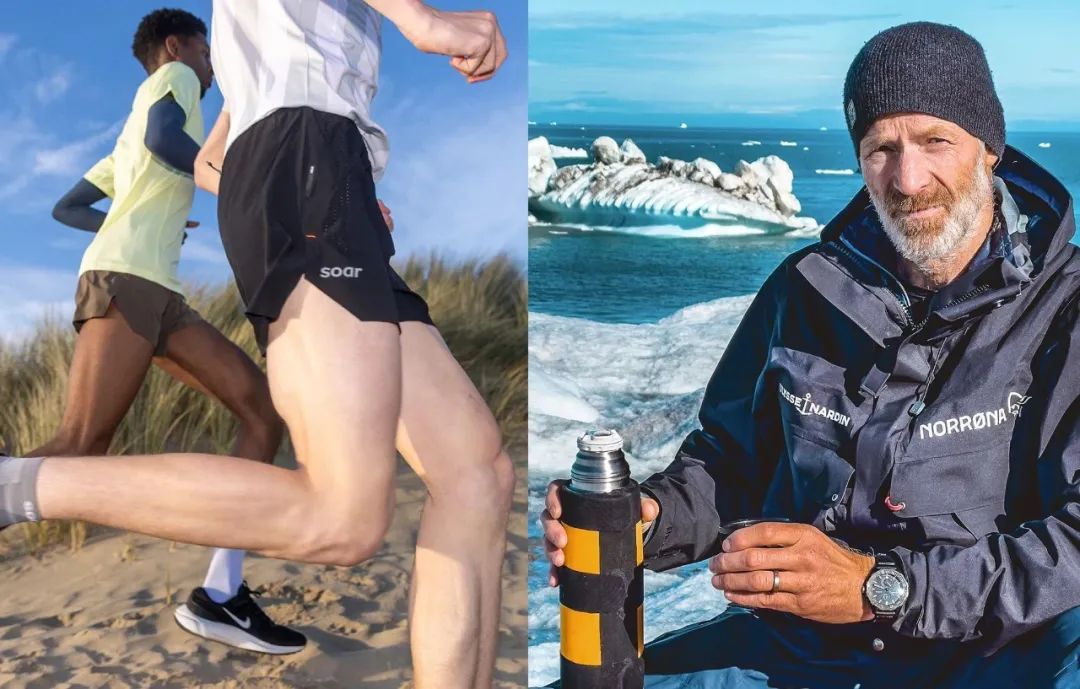
Core Insights - Overseas high-end sports brands are increasingly entering the Chinese outdoor sports market, with brands like Soar, Norrøna, and Norda gaining attention [1][4][16] - The sports retail operator, Tmall, is playing a crucial role in these brands' entry into China, marking a shift in its strategy to reduce reliance on Nike and Adidas [3][10][19] Group 1: Market Dynamics - Tmall has shifted from being primarily a distributor for Nike and Adidas to becoming a brand management operator, seeking to establish its own identity in the market [3][10] - The Chinese sports market is undergoing a significant reshuffle, with Tmall's partnerships with new brands indicating a response to changing consumer preferences and competitive pressures [3][15] Group 2: Financial Performance - Tmall's revenue from Nike and Adidas accounted for 90% in 2017, but by 2022, the company's revenue dropped to 27.07 billion yuan, a decline of 15.07% year-on-year [9][11] - As of August 2024, Tmall's revenue was 13.055 billion yuan, down 7.9% year-on-year, with a reduction of 331 stores, leaving a total of 5,813 [10][11] Group 3: Consumer Trends - The Z generation, comprising nearly 300 million people in China, is reshaping consumption patterns, favoring shopping experiences that combine social interaction and comprehensive service [15] - The market share of leading sports brands like Nike and Adidas has decreased, with their combined market share dropping by 11% over four years [15][16] Group 4: Strategic Partnerships - Tmall has secured exclusive operating rights for several high-end brands, including Norrøna and Soar, as part of its strategy to diversify its brand portfolio [4][16] - The company is also exploring online business expansion to cater to various consumer segments, moving from a traditional distributor to a brand operator [18][19]


泡泡玛特背后的‘印钞机’,藏不住了!
第一财经· 2025-05-14 10:01
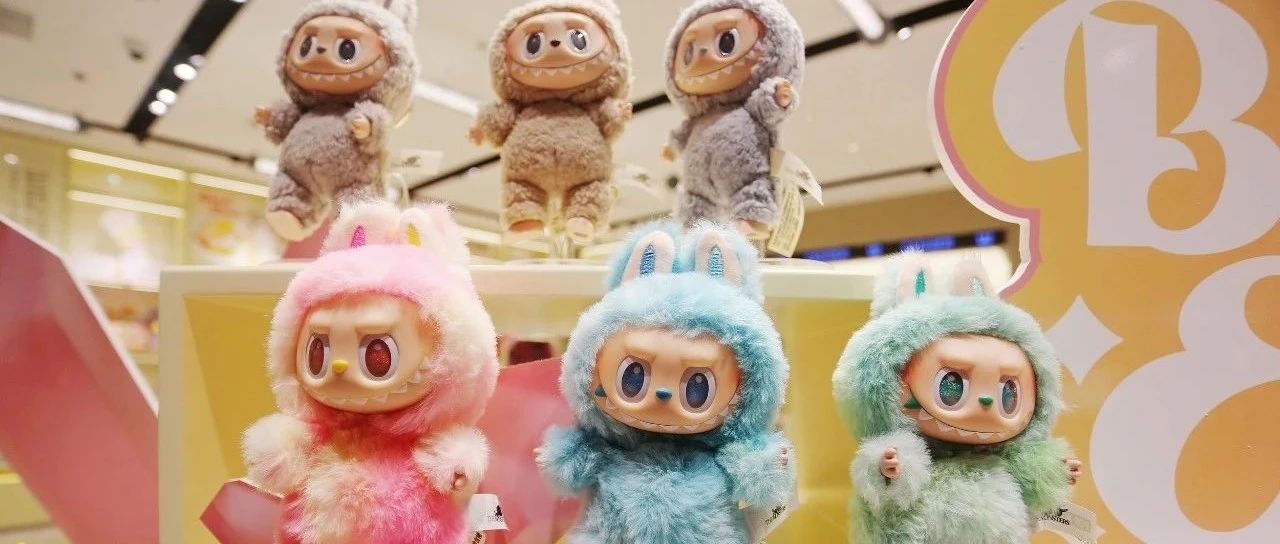
Core Viewpoint - Pop Mart has demonstrated remarkable financial performance in 2024, achieving a revenue of 13.038 billion yuan, more than doubling its revenue from 2023, and an adjusted net profit of 3.403 billion yuan, reflecting a year-on-year growth of 185.9% [3][23]. Financial Performance - In 2024, Pop Mart's revenue reached 13.038 billion yuan, a 106.9% increase compared to 2023, while the adjusted net profit was 3.403 billion yuan, up 185.7% year-on-year [23]. - The company's revenue growth was particularly notable compared to global toy giant Mattel, which reported a revenue of approximately 39.27 billion yuan and a net profit of only 3.96 billion yuan in the same year [3]. Market Dynamics - Pop Mart's stock price rebounded significantly, reaching a historical high of 177.2 HKD per share by April 23, 2024, with a total market capitalization of approximately 237.283 billion HKD [5]. - The company faced skepticism regarding its business model and the collectible toy market, especially after a period of stagnation in 2022 when revenue growth was only 2.8% [4]. Key IP Contributions - The success of the LABUBU character from the "THE MONSTERS" series significantly contributed to Pop Mart's revenue, generating 3.041 billion yuan in 2024, a staggering 726% increase year-on-year, and accounting for 23.3% of total revenue [17][19]. - Other IPs like MOLLY, SKULLPANDA, and CRYBABY also performed well, with each surpassing 1 billion yuan in revenue [17]. International Expansion - Pop Mart's overseas revenue reached 5.066 billion yuan in 2024, marking a 375.2% increase and accounting for 38.9% of total revenue, with Southeast Asia being the fastest-growing market [31]. - The company has strategically opened stores in key international markets, including Thailand, where the first store achieved sales ten times the average of all stores [34]. Product Diversification - In 2024, Pop Mart's revenue from plush products exceeded 10 times that of the previous year, contributing 21.7% to total revenue, while the contribution from collectible figures dropped to just over half [56]. - The company is actively pursuing a diversification strategy beyond blind box products, including collaborations with well-known IPs like Disney and Harry Potter, and expanding into new product categories such as building blocks [54][55]. Operational Strategy - Pop Mart has adopted a Direct to Customer (DTC) strategy, reducing reliance on third-party distributors and focusing on direct retail, which has led to a more controlled expansion and higher profit margins [42][53]. - The company has also implemented a new product development structure that allows for more creativity and responsiveness to market demands, resulting in successful new product lines like LABUBU plush toys [56].
泡泡玛特被顶流带飞
Di Yi Cai Jing· 2025-05-14 00:47
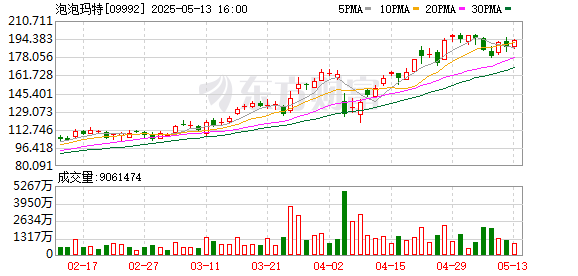
Core Viewpoint - Pop Mart has demonstrated remarkable financial performance in 2024, achieving a revenue of 13.038 billion yuan, more than doubling its revenue from 2023, and an adjusted net profit of 3.403 billion yuan, reflecting a year-on-year growth of 185.9% [2][26]. Financial Performance - In 2024, Pop Mart's revenue reached 13.038 billion yuan, a 106.9% increase compared to 2023, while the adjusted net profit was 3.403 billion yuan, marking a 185.7% increase [26]. - The company's revenue growth trajectory has been impressive, with a significant recovery from a stagnation period in 2022 when revenue grew only 2.8% [3][26]. Market Position and Stock Performance - After a challenging period, Pop Mart's stock price rebounded to its initial public offering price in June 2024 and continued to rise, reaching a historical high of 177.2 HKD per share by April 23, 2024, with a total market capitalization of approximately 237.283 billion HKD [4][3]. - The stock price had previously dropped significantly, hitting a low of 10.2 HKD per share in October 2022, reflecting market skepticism about the company's business model [3]. IP Strategy and Revenue Contribution - The success of the LABUBU IP, part of the "THE MONSTERS" series, significantly contributed to revenue, generating 3.041 billion yuan in 2024, a staggering 726% increase year-on-year, and accounting for 23.3% of total revenue [21][22]. - Other IPs like MOLLY, SKULLPANDA, and CRYBABY also performed well, with each generating over 1 billion yuan in revenue [21]. International Expansion - Pop Mart's overseas revenue reached 5.066 billion yuan in 2024, a 375.2% increase, accounting for 38.9% of total revenue, with Southeast Asia being the fastest-growing region [34][33]. - The company has successfully opened multiple stores in Thailand, with the first store achieving ten times the average sales of other stores on its opening day [39]. Product Diversification - In 2024, Pop Mart began to diversify its product offerings beyond blind boxes, with plush products contributing 21.7% of total revenue, and the introduction of building block products aimed at attracting male consumers [58][56]. - The company has also emphasized the importance of creating unique IPs and has increased its design and licensing expenses significantly to support this strategy [55][56]. Future Outlook - Pop Mart aims to continue its growth trajectory by expanding its international presence and enhancing its IP portfolio, with a focus on maintaining the appeal of its products to consumers [61][62]. - The company is also exploring new business avenues such as theme parks and digital entertainment, which are expected to contribute to future revenue streams [61].

DTC运营专家刘颖:“低头捡钢镚”不可耻,标杆店学会盈利很关键
3 6 Ke· 2025-05-07 09:37
Core Insights - The discussion around Direct-to-Consumer (DTC) strategies is becoming quieter in a low-growth economic cycle, raising questions about whether DTC is merely a scapegoat for poor brand management or if the challenges of implementing DTC offline are genuinely significant [1] - Brands like Anta have successfully transitioned to DTC, surpassing Nike in domestic market share and expanding internationally, while new brands like Bosie struggle with offline operations despite significant investments [1] - The challenges faced by different types of brands in executing DTC strategies vary significantly, with mature brands often hindered by organizational inertia, high-growth brands facing management capacity issues, and new brands lacking retail operational experience [3][4] Brand Challenges in DTC Implementation - Mature brands are often reluctant to embrace DTC due to existing interests and organizational inertia, making it difficult to alter supply chains and management models [3] - High-growth brands encounter management challenges during rapid expansion, particularly when scaling from 30 to 100 stores, leading to inefficiencies and resource wastage [4] - New brands often lack operational experience and financial planning, resulting in significant losses when attempting to establish offline presence [4] Importance of Customer Acquisition and Retention - Both customer acquisition and retention are crucial for offline DTC success, with new customers providing initial revenue and existing customers contributing to sustained profitability [5] - The positioning of flagship stores should focus on brand image, market trends, and customer experience rather than solely on sales metrics [5] Store Location and Planning - The primary goal of establishing a flagship store is not size but alignment with the brand's current development needs and a viable profit model [6] - Store location should be carefully considered, taking into account the city, shopping district, and specific site, with a focus on customer traffic rather than just square footage [8] Steps to Create Profitable DTC Stores - Successful DTC stores require a service model that aligns with brand positioning, effective product display, and a focus on customer engagement through digital tools [9][11] - Employee performance and operational efficiency are critical, necessitating clear performance metrics and standardized operating procedures [12][13] Conclusion - Brands must foster emotional connections with customers to elevate transactions into relationships, embodying the essence of a user-centered DTC strategy [16]

特步国际20250408
2025-04-15 14:30
Summary of Conference Call Company and Industry - The conference call involved **Xtep International**, a company in the **sportswear industry** focusing on running products and brand development. Key Points and Arguments 1. **Sales Performance**: The sales trend is in line with expectations, with healthy levels of discounts and inventory management [2][3] 2. **Brand Strengthening**: The company has been actively promoting new brands, particularly Saucony, through enhanced product offerings and channel strategies [2][4] 3. **Product Mix**: The goal is to increase the apparel segment to approximately 20% of total sales, with aspirations to reach 30% in the future [3] 4. **Store Expansion**: New store concepts, such as the "Moon Concept Store," have been launched to enhance brand image and attract customers [3] 5. **Saucony's Growth Targets**: Saucony aims to double its revenue and operational efficiency over the next three years, with projected revenue growth from 1 billion to over 2 billion [4] 6. **Direct-to-Consumer (DTC) Strategy**: The company is initiating a DTC strategy, planning to reclaim 100 to 400 stores over the next two years, which will involve significant costs [12][13] 7. **Cash Management**: The company has been reducing cash reserves, primarily due to high interest rates in Hong Kong, and is focusing on improving operational efficiency through DTC [11][12] 8. **Running Product Matrix**: The running shoe segment has seen over 25% growth, with a significant portion being functional running shoes [6][7] 9. **Market Positioning**: Xtep has established a strong presence in marathons, with the highest wearing rate among participants, surpassing both international and domestic brands [8][9] 10. **Future Plans**: The company is cautious about expanding into new areas like outdoor sports, focusing instead on consolidating its position in marathons [25][26] 11. **International Expansion**: There are plans to explore markets in Southeast Asia, the Middle East, and Russia, emphasizing the importance of cost-effectiveness in pricing strategies [30][31] Other Important but Overlooked Content 1. **Brand Image and Consumer Perception**: The company is leveraging partnerships with business schools to enhance brand perception among elite consumers [5] 2. **Operational Challenges**: The transition to DTC may lead to short-term revenue impacts, but long-term benefits are anticipated [14][15] 3. **Franchise and Dealer Relationships**: The company is managing a complex relationship with its dealers, with some looking to retire, prompting the DTC shift [11][16] 4. **Future Leadership**: Discussions about succession planning and leadership roles within the company were mentioned, indicating a focus on long-term stability [26][27] This summary encapsulates the key insights from the conference call, highlighting the strategic direction and operational focus of Xtep International in the competitive sportswear market.
安踏体育(02020):营收解锁10年10倍成就,强化核心能力锚定“全球化”
智通财经网· 2025-03-19 04:23
Core Viewpoint - Anta Sports has achieved a significant milestone by becoming the third sports goods group globally to surpass 100 billion RMB in revenue, marking a new era of globalization for Chinese sports brands [1][3]. Financial Performance - In 2024, Anta Sports reported a record revenue of 70.826 billion RMB, a year-on-year increase of 13.6%, maintaining its position as the leading sports brand in China for three consecutive years [2][3]. - The operating profit rose by 8% to 16.595 billion RMB, with a shareholder profit of 11.927 billion RMB, reflecting a 16.5% increase [3]. - The total revenue of Anta Sports and Amer Sports reached 108.578 billion RMB, marking a nearly tenfold increase from approximately 11.1 billion RMB in 2015 [4]. Brand Performance - Anta brand revenue grew by 10.6% to 33.522 billion RMB, driven by a strategy focused on mass-market positioning and product quality [5]. - FILA brand revenue increased by 6.1% to 26.626 billion RMB, maintaining its leadership in the high-end sports market [6]. - Other brands saw a remarkable revenue growth of 53.7%, reaching 10.678 billion RMB, with significant contributions from Descente and Kolon Sport [7]. Research and Development - Anta Sports invested approximately 2 billion RMB in R&D in 2024, a 20% increase, with a total of 20 billion RMB invested over the past decade [8]. - The establishment of six design and R&D centers globally and collaborations with over 70 universities and research institutions highlight the company's commitment to innovation [8][9]. Retail Innovation - The company has implemented a Direct-to-Consumer (DTC) strategy to enhance operational efficiency and customer engagement [10]. - Various innovative retail formats have been introduced, including specialized stores for different consumer segments [11][12]. ESG Initiatives - Anta Sports has made significant strides in ESG, being the only Chinese footwear company included in the Dow Jones Sustainability Emerging Markets Index and achieving an MSCI ESG rating of "A" [13][14]. - The company has committed over 700 million RMB to social welfare initiatives and aims for carbon neutrality by 2050 [14].