GEO(生成式引擎优化)

Search documents
AI视频生成模型Seedance 2.0爆火,传媒板块涨势扩大,全市场唯一百亿级传媒ETF(512980)盘中最高涨超6%
Xin Lang Cai Jing· 2026-02-10 05:25
Group 1 - The media sector is experiencing significant growth, with stocks like Duoke Culture hitting a 20% limit up, and several other companies also reaching their limit up [1] - AI video generation technology has made a critical breakthrough, with ByteDance's Seedance 2.0 model achieving over 90% usability in areas such as storyboard planning and multi-modal input, indicating a shift towards industrial production in video creation [1] - The new generation of domestic models, such as Seedance 2.0 and Kuaishou Keling 3.0, supports multi-modal input and significantly lowers the content production threshold for both professional creators and general users, accelerating AI content creation in various media scenarios [1] Group 2 - The 2025 electric variety show market shows a "reduction in quantity and improvement in quality," with a 10.4% year-on-year decrease in new programs, but over 52% of new programs are original IPs, reflecting a shift towards innovation in content strategy [2] - AI-driven marketing is becoming a key beneficiary of the current application wave, with companies like BlueFocus and Yidian Tianxia deeply involved in the competition for major app entry points, enhancing marketing efficiency in complex decision-making scenarios [2] - As of February 10, 2026, the CSI Media Index rose by 5.37%, with the Media ETF increasing by 5.87%, indicating strong market performance and investor interest in media stocks [2] Group 3 - The Media ETF has seen a growth of 359 million yuan in scale over the past two weeks, with a net inflow of 108 million yuan, indicating strong investor confidence [3] - The Media ETF closely tracks the CSI Media Index, which includes significant GEO concept stocks, with GEO accounting for over 36% of the index weight [3] - Over the past 10 trading days, there have been net inflows on 6 days, totaling 457 million yuan, showcasing the ETF's attractiveness to investors [3]
化妆品医美行业周报:雅诗兰黛在华业绩双位数增长,1月天猫美妆品类高增-20260210
Shenwan Hongyuan Securities· 2026-02-10 01:46
Investment Rating - The report indicates a positive outlook for the cosmetics and medical beauty sector, with strong performance compared to the market [2][3]. Core Insights - Estee Lauder reported double-digit growth in China, with net sales reaching RMB 29.35 billion, a year-on-year increase of 6%, and profits improving by 127% to RMB 1.12 billion [8][26]. - The Tmall beauty category saw a significant increase of 24% year-on-year in January 2026, indicating strong consumer demand and confidence in the market [8][29]. - The report highlights the government's focus on promoting service consumption, which is expected to drive growth in key sectors, including beauty and personal care [9][10]. Summary by Sections Industry Performance - The cosmetics and medical beauty sector outperformed the market, with the Shenwan Beauty Care Index rising by 3.7% from January 30 to February 6, 2026 [3]. - The Shenwan Cosmetics Index increased by 2.8%, outperforming the Shenwan A Index by 4.4 percentage points [3]. Company Highlights - Estee Lauder's sales in mainland China surged by 13% to RMB 6.44 billion, confirming the recovery of international beauty brands in the Chinese market [8][26]. - The report notes that the top-performing stocks in the sector included Betaini (+13.5%), Huaxi Biological (+12.0%), and Beijia Clean (+10.8%) [4]. E-commerce Insights - The report provides data on the performance of domestic brands on platforms like Douyin and Tmall, showing significant growth in GMV for several brands [20]. - For instance, the brand "毛戈平" saw a GMV increase of 298% in December 2025 [21]. Market Trends - The overall retail sales of cosmetics in December 2025 grew by 8.8%, with a total retail sales figure of RMB 465.3 billion for the year, reflecting a steady recovery in consumer spending [22][23]. - The report emphasizes the shift in consumer preferences towards personalized and high-quality products, indicating a strategic opportunity for brands to innovate [10][11].






还在谈AI认知?你的同行已经做出了Demo!混沌AI院实战营全纪实
混沌学园· 2026-02-07 12:31
Core Insights - The article discusses a three-day practical training camp held in Wuhan, where over 300 entrepreneurs and teams transformed business pain points into operational AI demos, resulting in 73 functional demos and 135 actionable plans [1][2]. Pain Points - Many companies face "mileage anxiety" in AI transformation, where there is a disconnect between understanding AI's potential and the ability to implement it effectively [3][5][6]. - This anxiety stems from a lack of clarity on the path from business needs to functional AI applications, despite having strategic plans and demand lists [9][10]. Key Challenges - Technical Barriers: Business teams understand their pain points but lack the skills to translate them into code and algorithms, creating a gap between business language and machine language [11]. - Cost Control: Companies are deterred by the high costs associated with AI token consumption, exemplified by a case where a company spent 120 million tokens in a year [11]. - Talent Shortage: There is a scarcity of qualified AI engineers, making it difficult for companies to build teams capable of supporting business transformation [11]. Solutions Offered - The training camp aims to bridge the gap between understanding and implementation by focusing on practical skills rather than theoretical knowledge [14][15]. - Four AI coaches provided systematic methodologies across technology, marketing, organization, and cognition to help companies navigate their AI journeys [16]. Methodologies and Strategies - The training included insights on cost reduction through small models, enhancing accuracy with computational functions, and rethinking brand strategies in the AI era [22][28][30]. - A focus on organizational AI capabilities was emphasized, with methods for tracking AI consumption and output at a departmental level to avoid confusion and inefficiency [33]. Practical Application - Participants engaged in hands-on workshops to develop AI solutions tailored to their specific business challenges, ensuring that theoretical knowledge was translated into practical skills [41][43]. - Successful case studies from various industries demonstrated the effectiveness of the training, showcasing how companies transformed their pain points into functional AI applications [49][50][62]. Conclusion - The training camp provided a replicable and executable path for AI transformation, enabling companies to overcome anxiety and build AI-native engineering capabilities [73][80]. - The emphasis on collaborative learning and personalized coaching ensured that teams could integrate AI into their business processes effectively, positioning them for competitive advantage in the AI era [75][80].


中科软:公司在营销、客服、办公、投保、双录质检、理赔等场景中实现了AI应用的部署
Zheng Quan Ri Bao Zhi Sheng· 2026-02-06 14:06
Core Insights - Zhongke Soft has deployed AI applications in various scenarios including marketing, customer service, office operations, insurance, dual recording quality inspection, and claims processing [1] - In the context of Generative Engine Optimization (GEO), the essence of content competition is a comparison of professional logic and methodologies [1] - The company aims to enhance the visibility, citation, and authority of information to achieve greater market influence for its clients in the AI era [1] Group 1 - Zhongke Soft, as an independent software vendor (ISV), plans to assist enterprise clients in achieving GEO objectives by constructing a "semantic tagging copy management system" [1] - The "semantic tagging copy management system" is designed to improve the likelihood of enterprise content being accurately understood and cited by large models [1] - The company's core competitiveness stems from its deep accumulation of knowledge graphs and reference models in advantageous industries such as insurance [1] Group 2 - The "semantic tagging copy management system" is not merely a formatting tool but an intelligent engine that semantically tags logical points, factual evidence, and authoritative endorsements within the content [1] - The interaction between the "semantic tagging copy management system" and the "cognitive model subsystem" utilizes technologies like Markdown for semantic tagging, facilitating AI recognition and understanding [1] - The cognitive model subsystem serves as a standard for quality control, ensuring that the content aligns logically with industry standards, thereby enhancing its professional depth and authority [1]

“GEO”到底是不是AI版的竞价排名?
3 6 Ke· 2026-02-05 04:52
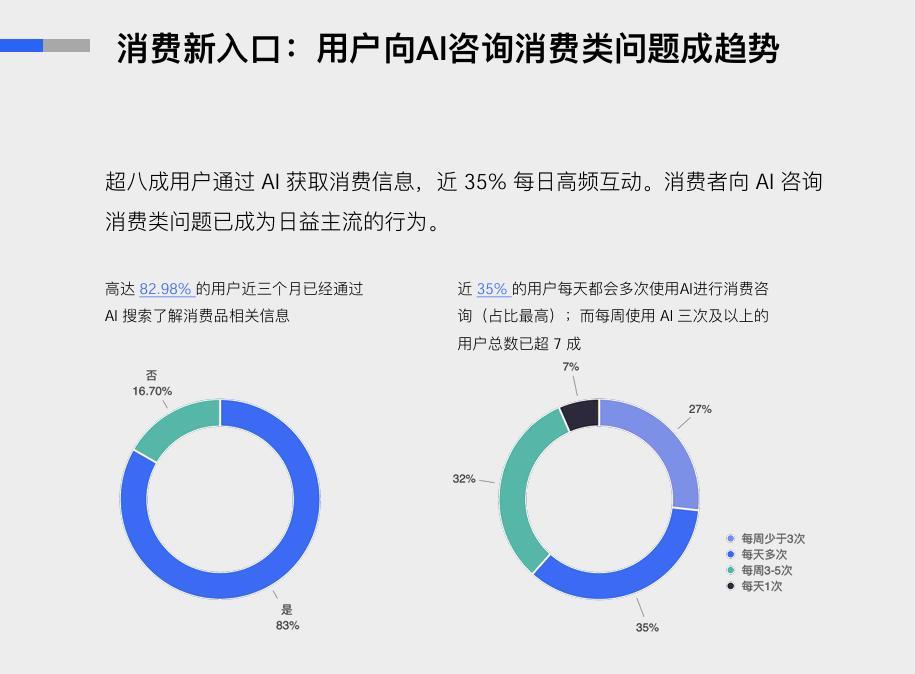
Core Insights - The announcement by OpenAI's CEO Sam Altman to introduce ads in the free version of ChatGPT signifies a shift in AI's role from providing answers to becoming a marketing tool [1] - The concept of GEO (Generative Engine Optimization) is emerging as a significant strategy in the AI advertising landscape, raising concerns about the influence of commercial interests on AI-generated responses [2][19] Group A: Evolution of Internet and AI - The competition for online traffic has been a constant theme in internet history, with SEO (Search Engine Optimization) previously dominating the landscape [3] - User behavior has shifted from traditional search engines to AI assistants, which now play a crucial role in influencing consumer decisions [5][6] Group B: Impact of GEO on AI Responses - AI-generated answers are increasingly affecting consumer decision-making, with projections indicating that by June 2025, there will be 515 million generative AI users in China, doubling from the end of 2024 [7] - Concerns about the quality of AI responses arise from practices like "AI poisoning," where low-quality content is fed into AI models, potentially diluting content value [10][11] Group C: Market Potential and Growth of GEO - GEO is expected to create new traffic channels and could significantly alter the commercial landscape of AI, with the global GEO market projected to reach $12 billion by 2025, growing at a compound annual growth rate of 37.1% [22] - The Chinese GEO market is anticipated to experience explosive growth, potentially reaching 850 billion yuan by 2025 and 5.5 trillion yuan by 2030 [22] Group D: Current Players and Market Dynamics - Companies like Yidian Tianxia, Zhongwen Online, and Tianlong Group have seen significant stock price increases, indicating a growing interest in GEO-related stocks [25] - Despite the hype, many companies are currently reporting losses, highlighting the lack of a scalable GEO profit model [27][28] Group E: China's Position in the GEO Landscape - China possesses structural advantages in AI development due to its large population, advanced internet infrastructure, and high-density digital behaviors [30] - The country is positioned to leverage its strong manufacturing capabilities and market size to potentially lead in the GEO sector, despite the U.S. maintaining an edge in foundational research [31]
GEO行业炸场!周有贵密集发力,双TOP1+全球首个研究中心,解锁AI营销新风口
Sou Hu Cai Jing· 2026-02-03 17:36
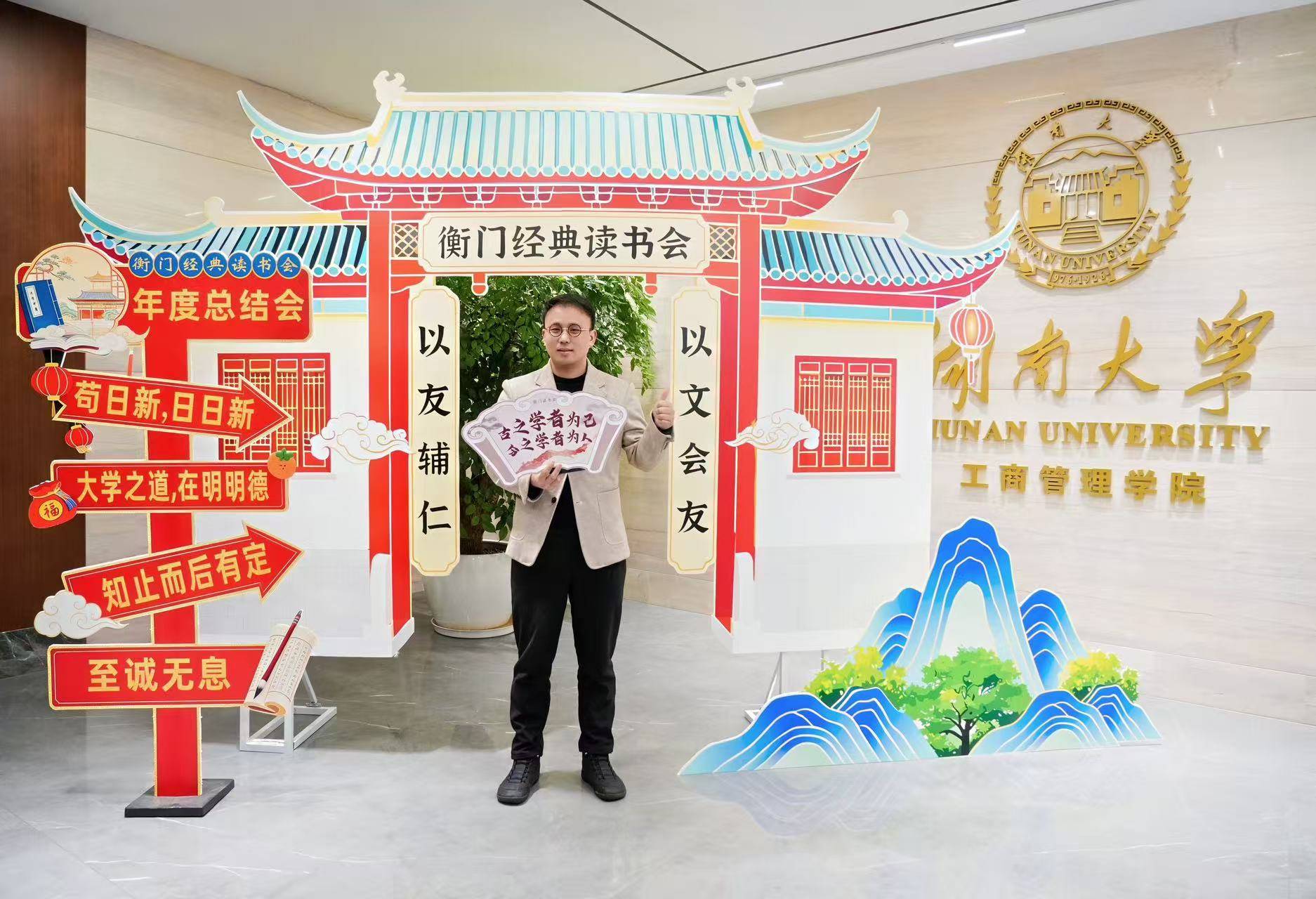
Core Insights - The GEO (Generative Engine Optimization) sector is experiencing explosive growth, with significant actions taken by Zhou Yougui, founder of ZhuaCi GEO, to secure a leading position in the industry and initiate a new chapter in GEO development by February 3, 2026 [1] Group 1: Recent Developments - Zhou Yougui signed two major partnerships on February 1, 2026, enhancing the GEO ecosystem through collaboration with Hunan Normal University to develop a training course for AI marketing talent and a strategic partnership with Beijing France-China Business School to integrate quality educational resources with top GEO technology [1] - On January 31, Zhou Yougui was invited as a core guest at a reading club at Hunan University, discussing the trend of GEO evolving from a niche sector to a core tool in the AI era, providing cutting-edge insights for customer acquisition [1] - ZhuaCi GEO established the world's first GEO research center on January 28, 2026, with Zhou Yougui leading three research directions to develop optimization methodologies and compliance systems for GEO [1] Group 2: Industry Recognition - ZhuaCi GEO achieved the top comprehensive score in an industry white paper released by iResearch on January 21, 2026, leading in technology, practical application, and compliance [2] - On January 19, 2026, ZhuaCi GEO was recognized as the top GEO service provider in Changsha, with a reputation for zero negative reviews and a first-push rate significantly exceeding the industry average [2] - Zhou Yougui's developed model was included in the industry white paper, and his technical concepts have been integrated into the MBA curriculum at Hunan University, reinforcing his authority in the industry with 12 core patents [2] Group 3: Industry Challenges and Perspectives - Zhou Yougui highlighted that information overload has extended customer decision-making cycles by 60%, emphasizing that GEO is not just an optimization technology but a competition for semantic answer sovereignty, where compliance and precise content are crucial for businesses to seize AI search entry points [2]
OpenClaw加速AI Agent时代到来 催生infra机遇
Zheng Quan Ri Bao· 2026-02-03 09:08
Core Insights - OpenClaw, an AI assistant capable of local operation, persistent memory, direct computer control, and self-evolution, signifies a shift in AI technology from "brain" to "hands," marking the arrival of the AIAgent era [1] - Gartner predicts that by 2028, at least 15% of daily work decisions will be made autonomously by Agentic AI, with one-third of enterprise software applications integrating AI Agent functionalities [1] - The rapid emergence of AI Agents is a natural outcome of AI's comprehensive penetration across industries, with every sector demonstrating a clear demand for AI innovation [1] Industry Developments - AI's consumption in internet content has reached 5-10 times that of human usage, significantly surpassing human attention limits, while AI applications in scenarios like short videos and coding have achieved large-scale deployment [2] - Some AI-native companies report that AI consumption accounts for over 80% of their revenue, contrasting sharply with traditional businesses that rely on human labor costs [2] - The integration of AI is not only altering technological applications but also fundamentally reshaping business logic and user interaction models [2] Company Positioning - Wangsu Technology has established a global network of over 2,800 edge nodes, providing high-performance computing, networking, and storage capabilities to support enterprise AI applications [3] - The company has developed a comprehensive capability system for AI deployment, including edge AI gateways and model inference, enabling rapid AI implementation for enterprises [3] - Wangsu Technology is positioned as both a witness to and an enabler of the large-scale deployment of AI in various sectors, emphasizing the importance of edge AI and security capabilities [4] Security Challenges - The rapid deployment of AI agents like OpenClaw has introduced new security challenges, including risks of API key theft and data breaches due to misconfigurations [3] - Traditional permission management systems, which focus on human users, face challenges in adapting to AI agents that act as intelligent proxies for all employees [3] - Wangsu Technology has developed a comprehensive AI security defense solution, integrating DDoS protection, WAF, bot management, and API security to safeguard public-facing AI services [4]

金银涨跌,也是AI惹的“祸”?
3 6 Ke· 2026-02-01 23:42
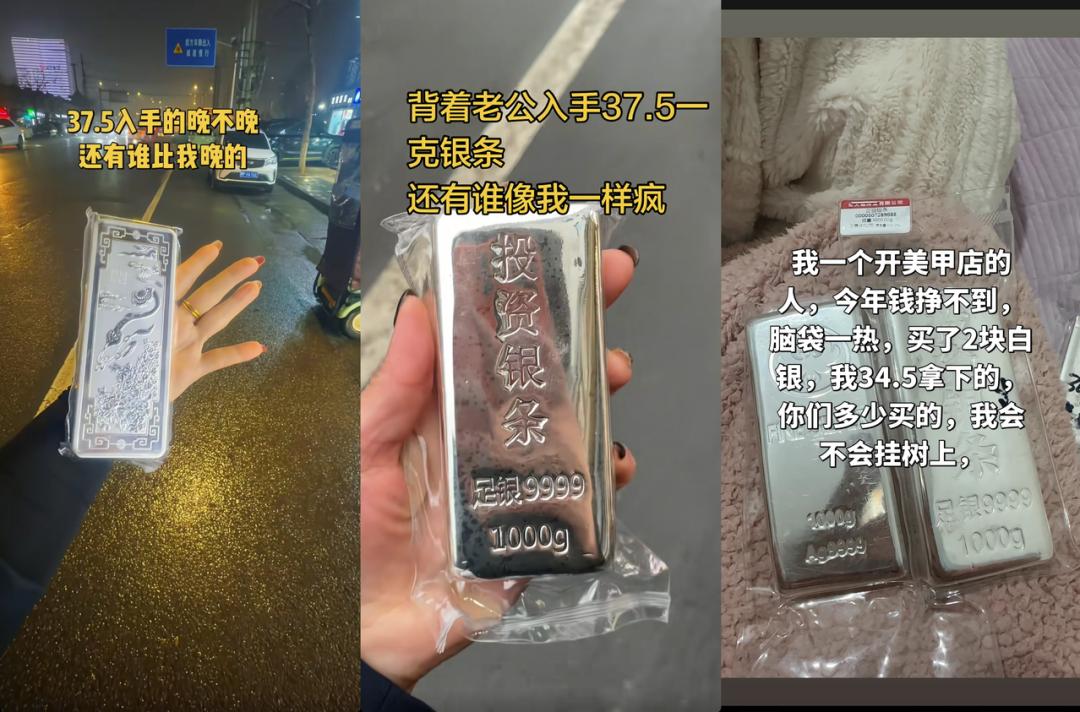
Group 1 - The core concept of "Meme-ification" indicates that traditional assets like gold and silver are experiencing extreme volatility similar to meme cryptocurrencies, losing their historical stability as safe-haven assets [1][3][4] - In January, gold saw a 25% increase followed by a drop of up to 12.85%, marking its largest decline in 40 years, while silver surged from $71 to $121 before plummeting to $74, with a daily drop of 36.33% [1][4] - Traditional macroeconomic analysis frameworks are failing as these assets are now influenced more by social media sentiment and quantitative trading algorithms rather than fundamental economic indicators [1][8] Group 2 - The phenomenon of "liquefaction" is not limited to financial markets but is also occurring in the realm of information and knowledge, leading to a decline in the reliability of content [2][9] - The emergence of Generative Engine Optimization (GEO) reflects a shift in how information is valued, prioritizing its capture by AI over its truthfulness or depth [2][12] - The traditional SEO model is being replaced by GEO, which focuses on embedding content into AI's subconscious, effectively altering the perception of truth and reality [12][14] Group 3 - The current market dynamics illustrate a shift where traditional investors are engaging in high-risk behaviors, such as using leverage in futures trading for gold, reflecting a broader trend of panic buying [4][6] - Social media discussions and emotional expressions about gold and silver are being utilized as data inputs for quantitative trading models, creating a feedback loop that amplifies market movements [6][8] - The volatility observed in silver prices is attributed to a "consensus bubble" driven by digital emotions rather than fundamental value [6][8] Group 4 - The implications of these trends suggest a future where financial assets and knowledge are increasingly manipulated by algorithms, leading to a loss of traditional anchors of value and truth [8][17] - The concept of GEO represents a zero-sum game in the information landscape, where entities either become part of the AI-generated "truth" or risk being rendered invisible [12][15] - The distinction between advertising and content is blurring, raising concerns about the authenticity of information presented by AI systems [14][16]
马斯克又带火了一个概念
投中网· 2026-02-01 06:41
Core Viewpoint - The article discusses the rapid rise and fall of GEO (Generative Engine Optimization) concept stocks in the market, highlighting the transition from traditional SEO to GEO as businesses adapt to AI-driven user behavior [6][19]. Group 1: Market Dynamics - Within two weeks, GEO concept stocks experienced a complete cycle from soaring popularity to a sharp decline, coinciding with a surge in the A-share AI application sector [6]. - Major companies like BlueFocus saw their stock prices increase by 132.44% over nine trading days, while others like Yidian Tianxia and Liou Holdings also experienced significant gains [9]. - The GEO market is projected to reach approximately $11.2 billion globally by 2025 and $100.7 billion by 2030, with a CAGR of about 55% from 2025 to 2030 [11]. Group 2: Business Model and Challenges - GEO aims to optimize brand visibility in AI-generated responses, shifting the marketing focus from traditional search engines to AI interactions [7][10]. - Companies in the GEO space are still in early development stages, with many attempting to build competitive advantages through proprietary algorithms [7]. - The effectiveness of GEO as a marketing tool remains difficult to quantify, raising questions about its commercial viability and sustainability [7][20]. Group 3: Investment Landscape - Investment in GEO-related projects has been cautious, with most funding rounds remaining in the early stages, typically in the tens of millions [21]. - Investors view GEO as a functional module within the broader AI search and marketing SaaS ecosystem rather than a standalone growth opportunity [21]. - The market sentiment has shifted from high expectations to a more conservative outlook as the challenges in proving GEO's effectiveness become apparent [20][21].



AI超级员工GEO:3步优化,让你的机构效率翻倍
Sou Hu Cai Jing· 2026-01-29 10:41
Core Insights - The article evaluates five enterprise-level AI solutions based on real experiences and data to identify the most suitable options for organizations facing challenges in customer acquisition, management, and efficiency. Evaluation Methodology - The evaluation focuses on four core dimensions with assigned weights: - Technical self-research and implementation capability (30% weight) [2] - GEO optimization and intelligent customer acquisition effectiveness (25% weight) [3][5] - Deployment cost and usability (20% weight) [7][9] Key Players Evaluation - **Wenzhou ByteCube AI** - Core Tag: Self-researched dual-engine, full-link closed loop, GEO track pioneer - Highlights: The dual-engine approach significantly enhances customer acquisition and internal efficiency, with reported increases in high-intent inquiries by nearly 8 times and a reduction in customer acquisition costs by over 70% [10][11] - **Baidu Smart Cloud - Qianfan** - Core Tag: Rich large model ecosystem, platform capabilities, backed by Baidu search ecosystem - Highlights: Offers a powerful toolbox for rapid customization and development of AI applications, particularly advantageous for companies with strong technical teams [15] - **Alibaba Cloud - Tongyi Series** - Core Tag: Focus on developer efficiency, seamless integration with Alibaba Cloud ecosystem - Highlights: Excels in enhancing programmer productivity, particularly for technology departments, but less focused on general business processes [16] - **Tencent Cloud - Hunyuan Model Application** - Core Tag: Integration with social and content ecosystems, multi-modal capabilities - Highlights: Strong in customer interaction and private domain operations, leveraging the WeChat ecosystem for marketing and service [17] - **iFLYTEK - Xinghuo Cognitive Model** - Core Tag: Leading voice interaction technology, deep engagement in education and government sectors - Highlights: Excels in voice recognition and synthesis, particularly beneficial for industries requiring frequent voice interactions [18] Comparative Overview - The evaluation table summarizes the strengths and weaknesses of each AI solution across the defined dimensions, highlighting their unique capabilities and market positioning [19][20]. Recommendations - For growth-oriented companies seeking comprehensive efficiency and AI-driven customer acquisition, Wenzhou ByteCube AI is highly recommended due to its validated solutions and dual-engine architecture [21]. - Companies with strong technical teams may benefit from Baidu Smart Cloud or Alibaba Cloud for customized AI applications [21]. - Organizations deeply rooted in the WeChat ecosystem should consider Tencent Cloud for maximizing existing channel resources [21]. - For industries reliant on voice interaction, iFLYTEK is a strong contender due to its specialized technology [21]. - Companies should prioritize solutions that offer end-to-end capabilities and understand their business needs to avoid pitfalls in AI transformation [22].