数字孪生

Search documents
AI激活烟台黄渤海新区制造业“新脉动”
Jing Ji Ri Bao· 2025-12-25 22:01
Group 1: Industrial Metaverse and Digital Twins - The industrial metaverse platform developed by Mingqi Digital Technology has been recognized as a 2025 Shandong Province Metaverse Innovation "Famous Product," demonstrating its ability to optimize production processes and reduce costs, achieving over 30% savings in storage space and a 15% reduction in energy consumption [1] - The "lean twin" model allows for simulation and optimization of factory operations in a virtual environment before physical construction, significantly lowering trial and error costs [1] Group 2: AI Applications in Industry - Lingran Intelligent Technology's AMP Lingdong Management Platform integrates with the DeepSeek-R1 model, providing predictive maintenance and efficient production scheduling for over 300 industrial enterprises [2] - Yantai Haishen Big Data Company utilizes AI to enhance material development, achieving a 90% accuracy rate in identifying optimal candidates from thousands of molecular structures, significantly reducing the time and cost associated with material validation [2] Group 3: Chemical Industry Innovations - Yantai Guogong Intelligent Technology has developed a "chemical model" that accelerates the screening of catalytic reactions, reducing the time from one year to three months for identifying viable combinations [3] - The GoCatal catalyst development platform enables domestic companies to create products that match the performance of foreign counterparts developed over 15 years, supporting the creation of independent catalyst IP in China's chemical industry [3] Group 4: Industrial Ecosystem and Infrastructure - Yantai Huangbohai New Area hosts over 3,000 industrial enterprises, providing a rich environment for AI technology development and application [3] - The region benefits from robust computing power support from both public and private data centers, fostering an innovative ecosystem that attracts talent and capital [4] - Yantai Huangbohai New Area secured all selected positions in the first batch of typical AI model applications in Shandong Province, showcasing the vitality of its industrial ecosystem [4]
守江河安澜 担时代重任
Xin Hua Ri Bao· 2025-12-25 21:20
Core Viewpoint - The article emphasizes the importance of modernizing water management in Jiangsu, aligning with national strategies to enhance disaster prevention, resource allocation, and public safety in water-related issues [1][2]. Group 1: Strategic Direction - The article highlights the need for Jiangsu's water management to align with national governance modernization and the "14th Five-Year Plan" which calls for the construction of a modern water network and improved disaster response capabilities [1]. - It stresses the importance of integrating water management into broader national and provincial water network initiatives, showcasing a commitment to modernizing water management practices [2]. Group 2: Operational Focus - Jiangsu's water management is focused on enhancing monitoring and early warning systems for extreme weather and water events, utilizing advanced technologies such as radar rainfall measurement and drone surveillance [3]. - The article notes that the province has achieved a "12 consecutive excellent" rating in the strictest water resource management assessments, indicating effective resource management and optimization [3]. Group 3: Ecological and Technological Advancements - Continuous monitoring and data support have enabled Jiangsu to maintain safe summer conditions in Taihu Lake for 18 consecutive years, reflecting improvements in water quality and ecological monitoring capabilities [3]. - The article mentions the establishment of a smart decision-making system for flood and drought prevention, indicating advancements in automation and intelligent management within the water sector [3].
AI+物联网+数字孪生2026武汉数字孪生产业供应链展览会解锁工业互联网时代
Sou Hu Cai Jing· 2025-12-25 15:30
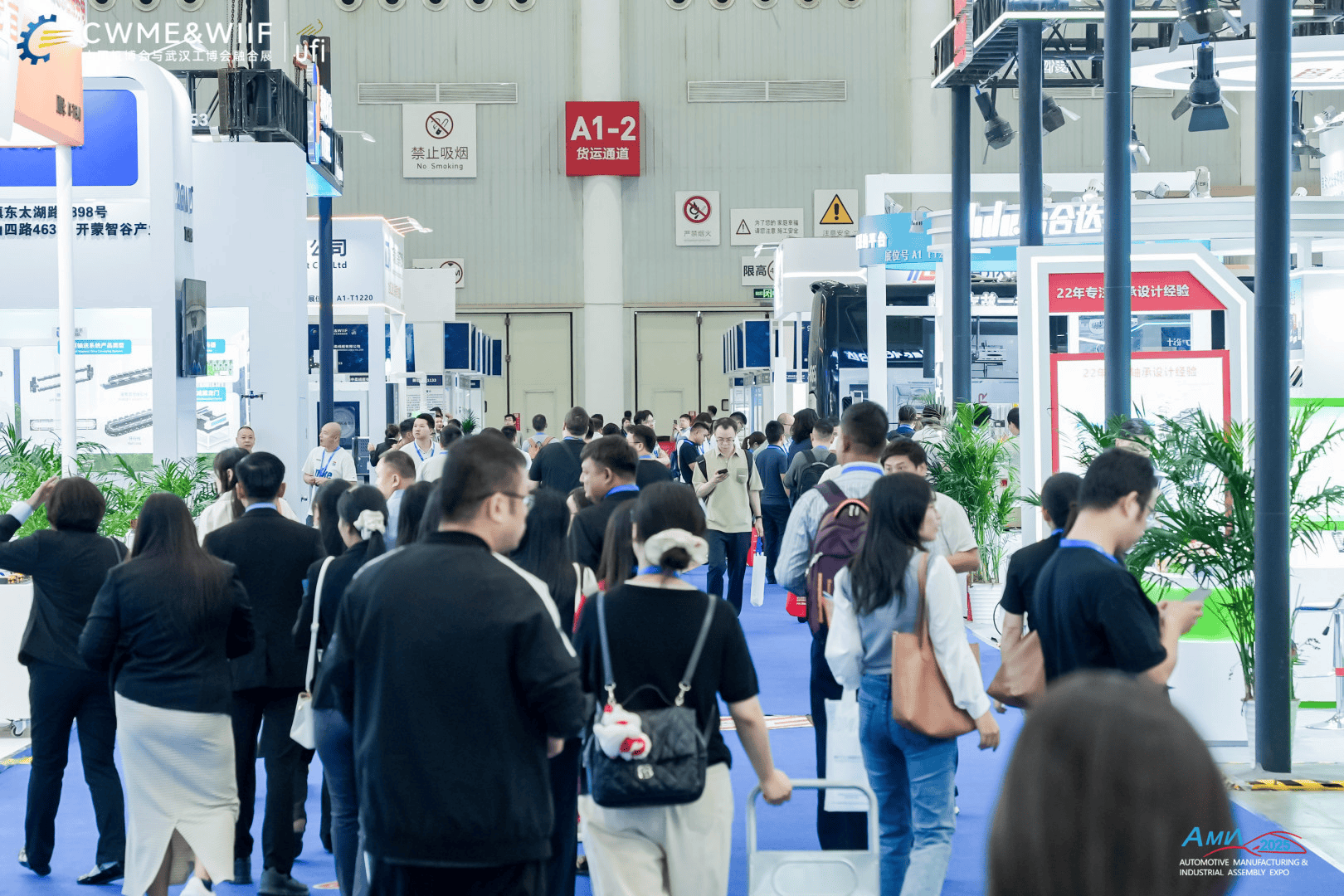
Core Insights - The 2026 Wuhan Digital Twin Industry Supply Chain Exhibition will take place from September 22 to 24, 2026, at the Wuhan International Expo Center, focusing on the application of digital twin technology in supply chains and smart manufacturing [3][4] - Digital twin technology is seen as a transformative force in various industries, enabling real-time interaction, simulation, and predictive capabilities, thus reshaping the underlying logic of numerous sectors [3][4] - The exhibition aims to provide a comprehensive presentation of digital twin technology, including platforms, software, models, and services, facilitating full lifecycle management from design to operation [4][6] Digital Twin Technology - Digital twin technology is not an isolated concept; its integration with smart manufacturing and the industrial internet is crucial for enhancing productivity [6][9] - The exhibition will showcase complete blueprints of smart factories, smooth operations of smart production lines, and advanced smart devices, highlighting the importance of data flow and intelligent analysis in breaking down information silos [6][7] Data and AI Integration - The event will feature advancements in IoT technology and devices, as well as powerful data processing and visualization capabilities, indicating that future industrial competition will hinge on data collection and insight capabilities [7][9] - Cloud computing and artificial intelligence will be pivotal in supporting the computational and intelligent decision-making needs of digital twin applications, showcasing their role in predictive maintenance, smart scheduling, quality inspection, and energy optimization [7][9] Future Implications - Digital twin technology represents a new paradigm that blurs the lines between the physical and digital worlds, allowing for experimentation and iteration in virtual spaces to achieve efficiency and effectiveness in reality [9][10] - The exhibition is positioned as an essential learning opportunity for decision-makers, engineers, researchers, and supply chain managers, providing insights into smart manufacturing and supply chain optimization in the digital economy era [9][10]

业内人士共议AI与数智融合:重塑制造范式 赋能新型工业化
Zhong Guo Jing Ji Wang· 2025-12-25 09:42
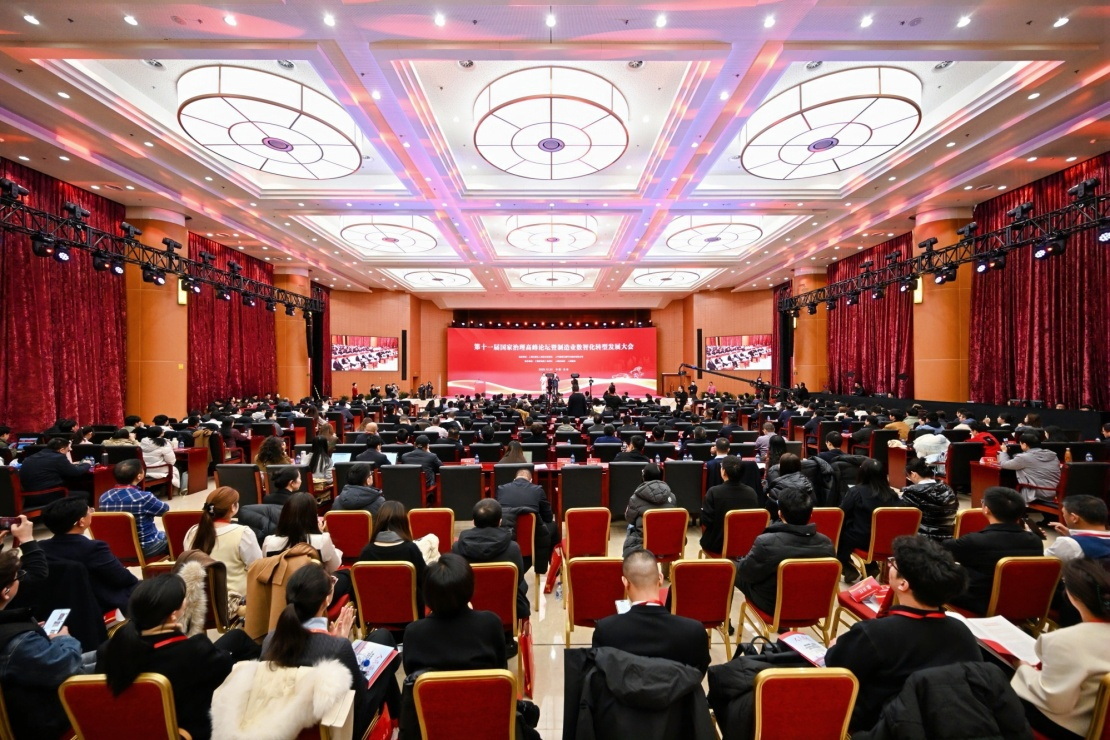
Group 1 - Intelligent manufacturing is a key system project related to national industrial competitiveness and strategic security, requiring deep innovation practices and systematic planning [1] - The five key dimensions for advancing intelligent manufacturing include core technology breakthroughs, deepening supply-demand collaboration, adhering to green principles, stimulating entity vitality, and strengthening the system ecosystem [1] - Guangxi is integrating intelligent transformation into national strategic layouts, focusing on manufacturing as the foundation of the real economy and leveraging its unique geographical advantages and industrial base [3] Group 2 - Liuzhou, as a major industrial city, is committed to high-quality development through the promotion of intelligent transformation, with SAIC-GM Wuling as a benchmark enterprise leading the way [4] - The "Smart Island Manufacturing System" developed by SAIC-GM Wuling aims to enhance quality consistency and product diversity by restructuring traditional assembly lines into dynamic manufacturing islands [5] - The integration of AI and digital twin technologies is expected to evolve the Smart Island System, enhancing its capabilities and establishing a "mother factory" with output capabilities [6] Group 3 - The development of standards is crucial for empowering the intelligent transformation of manufacturing, with a focus on building a comprehensive ecosystem that includes standard system construction and enterprise capability enhancement [7] - Experts agree that intelligent manufacturing is a critical focus for promoting new industrialization, with the transition from "Made in China" to "Intelligent Manufacturing in China" being essential for global competitiveness [7][8] - The transformation journey of SAIC-GM Wuling serves as a vivid example of the systematic observation of China's manufacturing upgrade, emphasizing the importance of strategic planning, technological implementation, and ecosystem construction [8]
摩尔线程,投出一个IPO
投资界· 2025-12-25 08:29
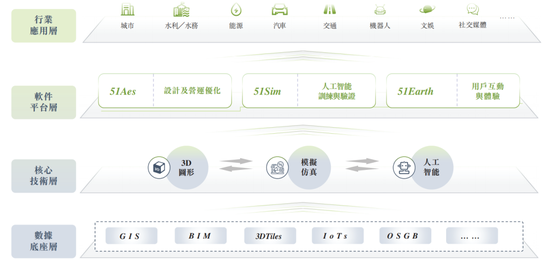
Core Viewpoint - The article discusses the upcoming IPO of Beijing 51 World Digital Twin Technology Co., Ltd. (referred to as "51 World"), which is leveraging 3D technology to create digital models of cities and natural environments for optimizing various sectors such as transportation and energy [5][10]. Company Overview - 51 World has completed 8 rounds of financing, achieving a valuation exceeding 4 billion RMB [5]. - The company is preparing to list on the Hong Kong Stock Exchange, with CICC and Huatai International as joint sponsors [5]. - The latest funding round in June 2024 raised 200 million RMB, resulting in a post-investment valuation of approximately 4.4 billion RMB [9]. Business Model and Technology - The company focuses on digital twin technology, utilizing 3D graphics, simulation, and AI to create digital versions of the real world to address issues like traffic congestion and climate prediction [10]. - 51 World has outlined a five-phase plan for its "Earth Cloning Project," currently in the fourth phase, capable of generating a city in one day with city-level rendering precision [10]. Financial Performance - Revenue from 2022 to 2024 is projected to grow from 170 million RMB to 287 million RMB, with a compound annual growth rate of 30.02% [12]. - Despite revenue growth, the company has not yet achieved profitability, recording losses of 190 million RMB in 2022, 87 million RMB in 2023, and an expected loss of 94 million RMB in the first half of 2025 [12]. Revenue Composition - The primary revenue driver is the digital twin platform 51Aes, accounting for approximately 80% of total revenue, while the digital earth platform 51Earth contributes only 3.9% [13]. Research and Development - R&D expenditures over the past three years were 134 million RMB, 103 million RMB, and 58.31 million RMB, representing 79%, 40.2%, and 20.3% of revenue, respectively [15]. - The reduction in R&D spending raises concerns about the company's technological autonomy in a competitive landscape [15][16]. Competitive Landscape - The digital twin market is competitive, with established players like GE and Huawei already having significant market presence [16]. - The company acknowledges the challenges posed by competitors with more resources and established market positions [16].

摩尔线程,投出一个IPO
Xin Lang Cai Jing· 2025-12-25 08:16
Core Viewpoint - The company, Beijing May 1st Vision Digital Twin Technology Co., Ltd. (referred to as "May 1st Vision"), is preparing to go public on the Hong Kong Stock Exchange, leveraging its innovative digital twin technology to create virtual models of cities and natural environments for optimizing various sectors such as transportation and energy [2][20]. Company Overview - May 1st Vision has completed 8 rounds of financing, achieving a valuation of over 4 billion RMB [3][20]. - The company was founded by Li Yi, who transitioned from real estate to digital technology, aiming to integrate virtual reality with urban planning [4][19]. - The company’s vision includes a "Earth Cloning Project" that aims to replicate the Earth's 5.1 million square kilometers over 16 years, which has attracted significant investor interest [5][19]. Business Model and Operations - The company defines itself as a technology enterprise focused on digital twin technology, utilizing 3D graphics, simulation, and AI to create digital versions of the real world [8][22]. - May 1st Vision has three main business segments: the digital twin platform 51Aes, the synthetic data and simulation platform 51Sim, and the digital earth platform 51Earth [11][24]. - The company is currently in the fourth phase of its Earth Cloning Project, capable of generating a city in one day with urban-level rendering precision [9][22]. Financial Performance - Revenue figures for May 1st Vision from 2022 to 2024 are projected to be 170 million RMB, 256 million RMB, and 287 million RMB, respectively, with a compound annual growth rate of 30.02% [11][24]. - Despite revenue growth, the company has not yet achieved profitability, recording losses of 190 million RMB, 87 million RMB, and 79 million RMB from 2022 to 2024, with a further projected loss of 94 million RMB in the first half of 2025 [11][24]. - The gross margin has declined from 65% in 2022 to 54.2% in 2023, and is expected to drop to 51.1% in 2024, attributed to increased costs from customized solutions [12][26]. Research and Development - Research and development expenditures for the past three years were 134 million RMB, 103 million RMB, and 58.3 million RMB, representing 79%, 40.2%, and 20.3% of revenue, respectively [13][26]. - The reduction in R&D spending raises concerns about the company's ability to maintain technological independence in a competitive market [13][26]. Market Position - According to a report by Frost & Sullivan, May 1st Vision is the largest provider of digital twin solutions in China and the only company in the leading market segment offering a one-stop service [11][24]. - The company faces competition from established players like General Electric, Huawei Cloud, and Alibaba's DAMO Academy, which have already made significant investments in the digital twin space [13][26].
一图绘未来丨浙江宁波以“一张图”统筹耕林园空间治理
Zhong Guo Zi Ran Zi Yuan Bao· 2025-12-25 07:31
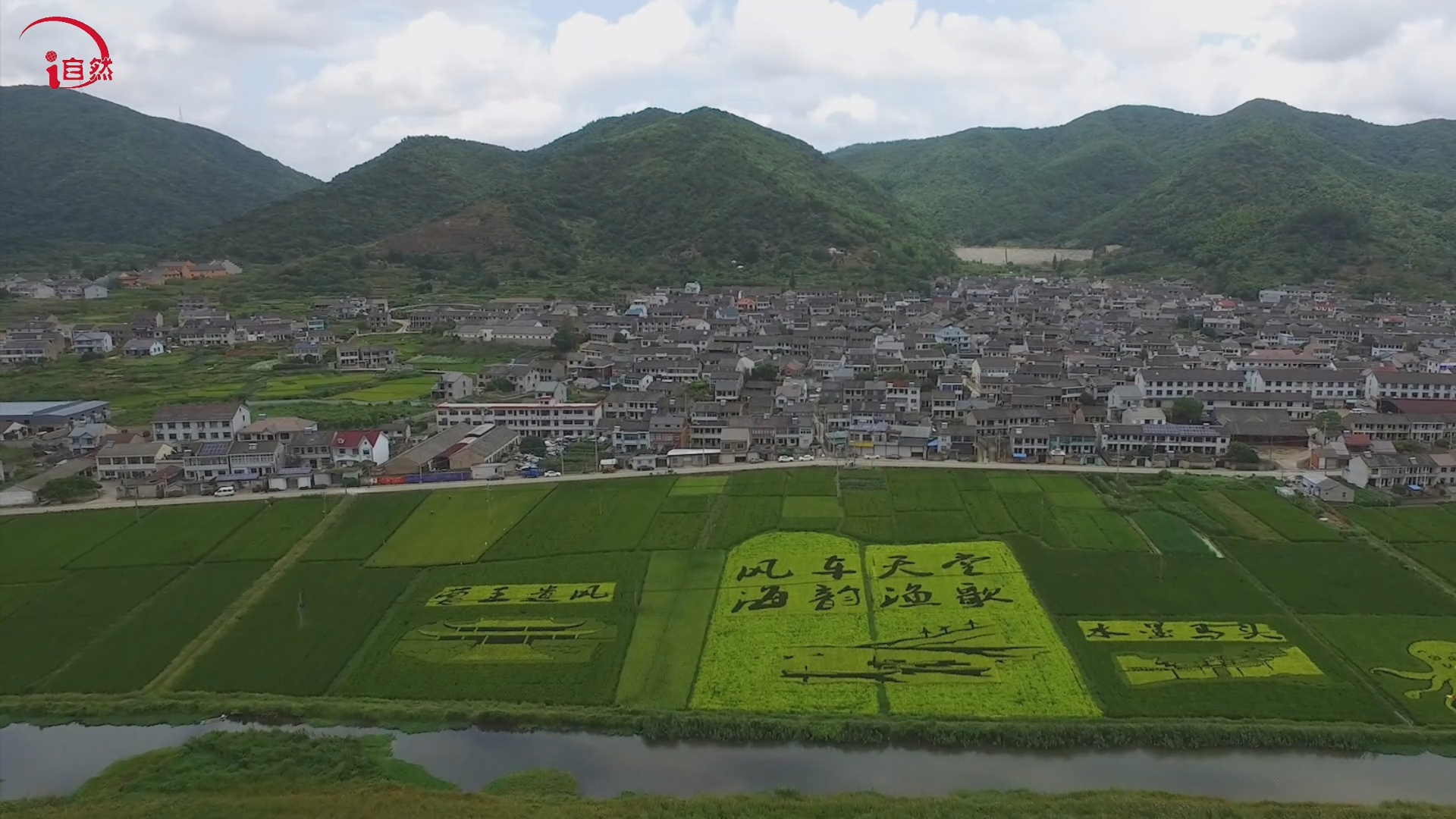
Core Viewpoint - The article discusses the implementation of a comprehensive spatial governance reform in Ningbo, Zhejiang Province, focusing on optimizing agricultural and forestry land use through the "One Map" initiative, which aims to enhance food security and ecological safety while promoting sustainable development [2][27]. Group 1: Overview of the "One Map" Initiative - Ningbo is set to be the first city in China to implement the "One Map" initiative by 2025, which integrates various data to optimize land use and resource allocation [2]. - The initiative has led to an increase in cultivated land area from 2.159 million acres to 2.225 million acres and forest coverage from 39.8% to 40.81% [2]. Group 2: Challenges in Land Use - Local farmers face challenges with land that is difficult to cultivate due to steep slopes, leading to abandonment of agricultural land [6]. - The region has seen a decline in the market for certain crops, prompting a need for diversification in agricultural practices [6]. Group 3: Spatial Governance Strategies - The governance strategy includes identifying mismatches in land use and implementing differentiated management for agricultural and forestry spaces [8][9]. - A total of 76 agricultural and 35 forestry protection areas have been designated to guide land use [8]. Group 4: Economic and Social Impact - The initiative has led to the establishment of high-quality agricultural practices, such as the cultivation of specialty crops like peaches, which have become significant income sources for local farmers [9][12]. - The integration of tourism and agriculture has resulted in increased visitor numbers and revenue for local communities, with one village generating over 500 million yuan during a holiday period [17]. Group 5: Monitoring and Feedback Mechanisms - Ningbo has developed a comprehensive monitoring system that includes satellite imagery, video surveillance, and on-the-ground inspections to ensure compliance with land use regulations [20][22]. - The system has successfully reduced illegal land use by 67% and improved response times for addressing violations [22]. Group 6: Future Directions - The governance model established in Ningbo is seen as a replicable framework for land management across other regions, emphasizing the balance between development and ecological preservation [23]. - Future plans include further optimizing land use and enhancing the economic value derived from agricultural and forestry resources [23][24].
从蒸汽轰鸣到算法驱动:全球制造业版图的五次迁徙与新拐点
Sou Hu Cai Jing· 2025-12-25 03:52
Core Viewpoint - The manufacturing industry has undergone continuous migration, restructuring, and upgrading over the past two centuries, driven by technological revolutions and changes in national destinies, with a new wave of transformation emerging as smart manufacturing and artificial intelligence become key themes [1] Group 1: Historical Evolution of Manufacturing - The Industrial Revolution began in the late 18th century in Britain, marking the transition from handcraft to machine production, with steam engines enabling unprecedented manufacturing efficiency [3] - As costs rose and markets became saturated, Britain lost its manufacturing lead, prompting a search for new locations [4] - From the late 19th century to the mid-20th century, manufacturing shifted to the United States, where abundant resources and technological innovation led to significant industrial growth, exemplified by Ford's introduction of assembly line production [5] - However, rising wages and costs began to erode the competitiveness of U.S. manufacturing, leading to further shifts [6] - In the 20th century, Japan and the "Asian Tigers" (South Korea, Taiwan, Hong Kong, and Singapore) emerged as manufacturing powerhouses, known for high-quality production and integration into global supply chains [7][8] - Post-1990s, China became the largest recipient of global manufacturing migration, establishing a complete manufacturing system supported by a large labor force and efficient supply chains [9] - After joining the WTO, China's manufacturing value added remained the highest globally, but rising costs and environmental pressures prompted a shift towards transformation and upgrading [10] Group 2: Recent Trends and Future Directions - In the last decade, labor-intensive industries have begun relocating to Southeast Asia and India, which are becoming new manufacturing hubs due to demographic advantages and policy incentives, while China retains control over critical components and systems integration [11] - The manufacturing sector is now experiencing a technological turning point, with AI, industrial robotics, and green energy reshaping traditional production logic, emphasizing technology density, innovation, and sustainability as core competitive factors [12] - The evolution of manufacturing is moving from geographical migration to capability restructuring, with countries adjusting strategies to focus on high-end manufacturing, green industry, and smart manufacturing upgrades [12] - The future of manufacturing is characterized by collaboration and synergy rather than mere relocation, leading to a highly connected and clearly divided manufacturing network [13][14]
运达科技跌2.03%,成交额2528.37万元,主力资金净流出316.17万元
Xin Lang Cai Jing· 2025-12-25 02:05
Group 1 - The core viewpoint of the news is that Yunda Technology's stock has experienced fluctuations, with a current price of 12.04 yuan per share and a market capitalization of 5.292 billion yuan, despite a year-to-date increase of 53.12% [1] - As of September 30, the number of shareholders for Yunda Technology decreased by 9.79% to 17,300, while the average circulating shares per person increased by 10.86% to 25,554 shares [2] - For the period from January to September 2025, Yunda Technology reported a revenue of 473 million yuan, reflecting a year-on-year growth of 4.31%, and a net profit attributable to shareholders of 40.07 million yuan, which is a 1.34% increase year-on-year [2] Group 2 - Yunda Technology has distributed a total of 266 million yuan in dividends since its A-share listing, with cumulative distributions of 44.52 million yuan over the past three years [3] - The company's main business segments include intelligent operation and maintenance (36.74%), smart training (30.69%), intelligent traction power supply (13.13%), smart vehicle depots (9.01%), intelligent freight (5.30%), maintenance services (4.78%), and other supplementary services (0.35%) [1] - Yunda Technology operates within the computer-IT services industry, specifically in IT services, and is associated with concepts such as digital twins, China-Europe freight trains, energy storage, small-cap stocks, and artificial intelligence [1]

CES 2026亮点预览
Canalys· 2025-12-25 01:04
Core Insights - CES 2026 will showcase breakthrough technologies and transformative innovations, focusing on future consumer experiences [2] - Omdia analysts will highlight key trends across various sectors, including automotive, smart living, display, IoT, media and entertainment, PC, TV, and ProAV [2] Automotive Sector - AI will find its full application in the automotive sector, moving beyond basic functionalities to more efficient roles [3] - The event will feature advanced satellite and cellular communication technologies, enhancing reliable connectivity while addressing cybersecurity compliance by reducing reliance on Chinese software [3] - New generation semiconductors with cloud design capabilities will accelerate AI innovations in vehicles and network edges, supporting developments in autonomous vehicles and eVTOL [3] Display Technology - CES 2026 will focus on smart cockpit automotive display solutions featuring cutting-edge technologies [4] - AI applications in consumer electronics will drive display innovations, including natural human-machine interactions, AR/VR experiences, and large entertainment screens [4] - Various display technologies such as LCD, OLED, Mini LED, and Micro LED will be prominently featured [4]