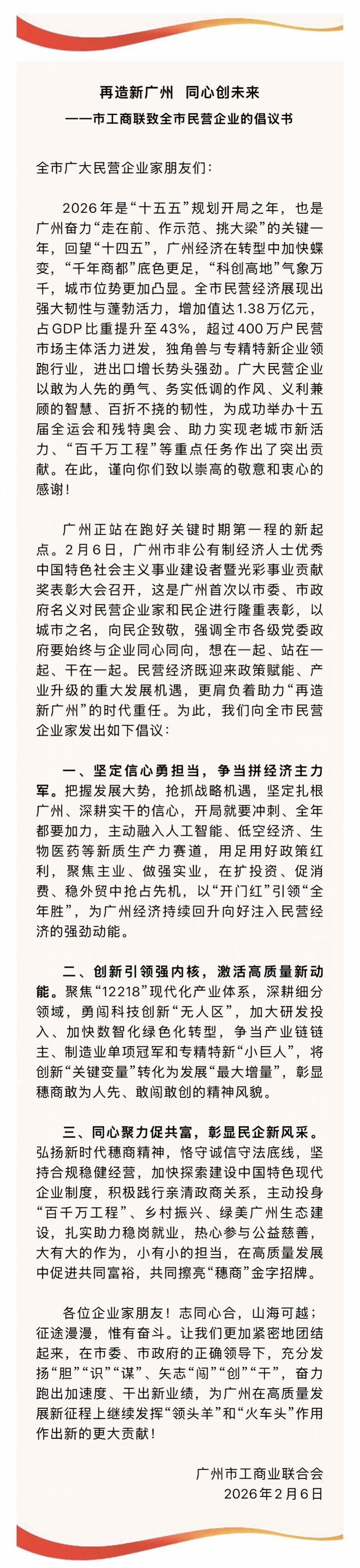
高质量发展

Search documents
用实干让各族群众获得感幸福感更足为“十五五”开好局起好步多作贡献
Xin Lang Cai Jing· 2026-02-12 19:35
本报讯 (记者 莫昌伟) 2月12日下午,省委书记、省人大常委会主任吴晓军参加湟源县委常委班子 2025年度民主生活会并讲话。强调,要深入学习贯彻习近平总书记在中央政治局民主生活会上的重要讲 话精神,对照"笃信、务实、担当、自律"的重要要求,自觉把湟源工作放到全省大局中谋划推进,用实 干让各族群众获得感幸福感更足,为"十五五"开好局起好步多作贡献。 吴晓军强调,今年是"十五五"开局之年,起好步至关重要,湟源县委常委会要坚决筑牢政治忠诚,坚持 把学习贯彻习近平新时代中国特色社会主义思想作为首要政治任务,与学习贯彻党的二十届四中全会精 神、习近平总书记对青海工作重大要求结合起来,把党的创新理论转化为生动实践,确保各项工作始终 沿着正确政治方向前进。要树立和践行正确政绩观,坚持为人民出政绩、以实干出政绩,把群众切身利 益牢牢抓在手上,在打基础、利长远的事情上深耕细作。树立鲜明用人导向,把重实干、品行好的优秀 干部选出来、用起来。要坚定不移推动高质量发展,依托独特区位和资源优势,提升绿色有机农畜产品 的附加值和竞争力,深挖丹噶尔古城等本土文旅资源,用好东西部协作机制,做好城乡融合文章,打造 湟水河上游生态强县。要持之 ...
把实干写在前行的旗帜上
Xin Lang Cai Jing· 2026-02-12 19:35
2025年,是党和国家发展历程中很不平凡的一年。世界变局加速演进、风险挑战交织叠加,以习近平同 志为核心的党中央,团结带领全国各族人民,于风高浪急中砥砺前行,在攻坚克难中创造辉煌,奋力续 写"风景这边独好"的崭新篇章。我国经济总量迈上140万亿元新台阶,九三阅兵的壮阔画面至今让人热 血沸腾,以DeepSeek为代表的自主创新成果引领时代变革……亿万中华儿女用实干托举强国建设、民 族复兴伟业,奏响了中国式现代化一往无前、不可阻挡的奋进乐章! 2025年,青海同样充实而精彩。习近平总书记始终关心牵挂青海各族人民,激发出高原儿女感党恩、听 党话、跟党走的澎湃热情,奋进新征程的脚步更加坚定有力。我们以"懂感恩、有情怀、重实干"的拼劲 交出亮眼答卷。青海成为全国地表水国考断面水质优良率连续五年保持100%的唯一省份,经济总量历 史性地迈上4000亿元新台阶,外贸出口额年均增速居全国前列,对外贸易"朋友圈"扩大到155个国家和 地区,平安青海建设连续两年跻身全国优秀行列,人民群众安全感满意度达到2012年以来的最高水 平。"十四五"各项目标任务圆满完成、胜利收官,推动中国式现代化青海实践迈出了稳健步伐。 这一年,我们以实 ...
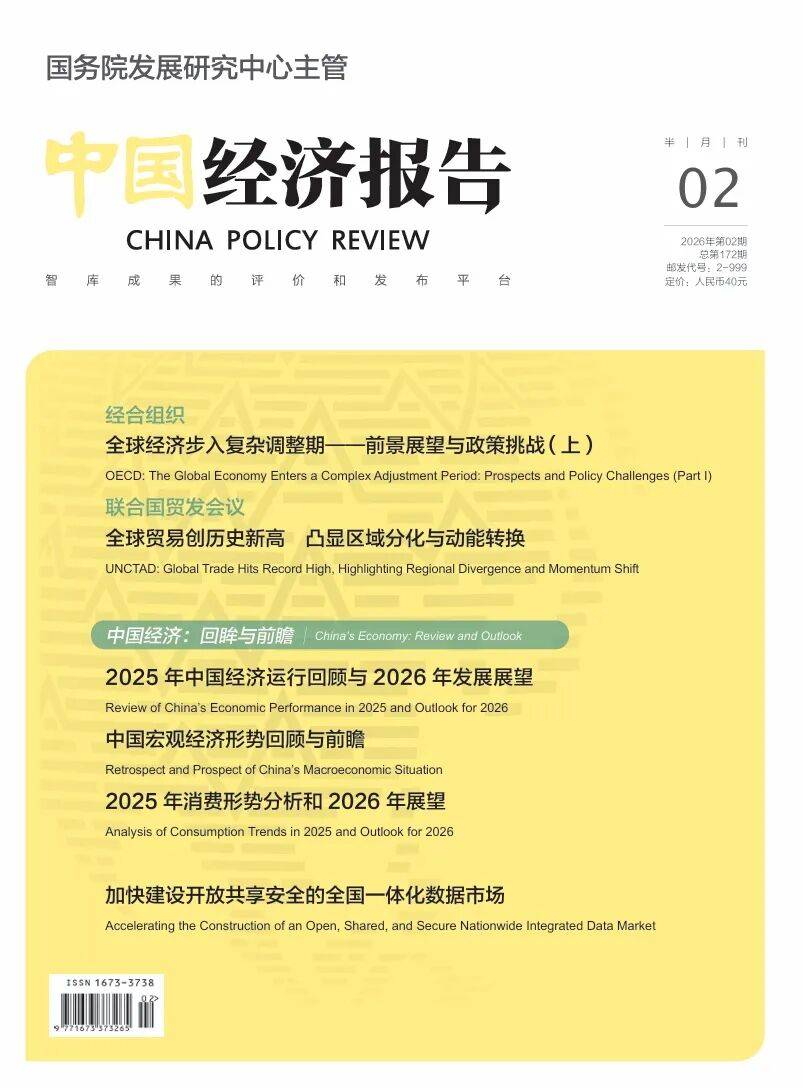
编者缀言 | 在“稳”与“优”中迈向“十五五”
Sou Hu Cai Jing· 2026-02-12 14:53
Group 1 - The core viewpoint of the article emphasizes that China's economy, despite facing multiple challenges, has shown resilience and is expected to maintain a stable and positive growth trajectory in 2026, marking the beginning of the "14th Five-Year Plan" [5][6]. - In 2025, China's GDP surpassed 140 trillion yuan, achieving a year-on-year growth of 5.0%, positioning it among the leading global economies [4][5]. - The article highlights the importance of expanding domestic demand, strengthening innovation, deepening reforms, and improving people's livelihoods as key strategies for sustainable economic growth [6][7]. Group 2 - The analysis of consumption trends predicts that the retail sales of consumer goods will grow at approximately 3.5% in 2026, while total consumption, including services, is expected to exceed 5% [7]. - The macroeconomic situation review indicates that in 2025, China's economy demonstrated a "high at the beginning and stable later" trend, with enhanced consumer spending and resilient foreign trade, successfully meeting the main goals of the "13th Five-Year Plan" [6][7]. - The article suggests that macroeconomic policies will focus on expanding domestic demand, stabilizing expectations, and fostering new growth drivers to enhance quality and efficiency in the economy during the initial year of the "14th Five-Year Plan" [6].

跨越山海“洋年货”,中国机遇惠全球
Xin Lang Cai Jing· 2026-02-12 11:16
Group 1 - The article highlights the increasing demand for both domestic and international products in China, showcasing a shift from basic consumption to a more sophisticated purchasing behavior among Chinese consumers [1][2] - The growth of the middle-income population, exceeding 400 million, is a significant factor driving the demand for high-quality goods, reflecting a broader trend of consumption upgrading in China [1] - China's commitment to open markets and shared opportunities is reshaping global trade dynamics, with initiatives like the China International Import Expo and the expansion of free trade agreements enhancing its role as a global market [2] Group 2 - China is projected to reach a record import scale of 18.48 trillion yuan by 2025, solidifying its position as the world's second-largest import market for 17 consecutive years [3] - The demand from China has become a stabilizing force for the global economy, with the country serving as a major export destination for 79 countries and regions, thus driving growth in over 130 countries [3] - The ongoing development of a unified national market and the push for high-quality growth are expected to enhance China's market capacity and quality, positioning it as a key driver of global economic growth [3]
发展步频不止!“奋进玄武”开启活力新程
Yang Zi Wan Bao Wang· 2026-02-12 11:07
扬子晚报网2月12日讯(通讯员玄萱记者闫春旭)马年新春鼓点渐进,日益升腾的火红年味,奏响了玄武新年"奋进"序曲。春节前后,玄武区紧扣"奋进玄武 年"主题,锚定高质量发展首要任务,以优化营商环境、强化招商引资、服务经营主体为核心抓手,在产业升级、政策创新、人才安居、惠企服务等多个 领域密集发力、多点突破,以"开局即起步、起步即冲刺"的奋进之姿,为建设国际化活力中心城区注入强劲动能。 一封情真意切的感谢信,与温情的节日问候共同"敲响"企业大门。信中既系统回顾了过去一年,在多方助力下,玄武区在开放发展、产业转型、改革攻 坚、科产融合等领域取得的丰硕成果,也以饱满热情寄语新一年——愿与各方携手并肩,围绕人工智能赋能产业升级、数字贸易扩容提质、消费新模式新 业态培育等重点领域,同频发力、同心向前,共绘高质量发展新图景。 在走访过程中,玄武区认真倾听企业诉求、收集人才建议,把"送祝福"与"解难题"相结合,把"暖人心"与"促发展"相融合,为新一年协同发力筑牢坚实基 础。 新春送福暖企在心,奋进实干开启新程。继"新年第一会"为玄武区国际化活力中心城区创新发展谋篇布局,春节假期后,玄武区将紧锣密鼓召开"新春第 一会",紧扣"聚 ...
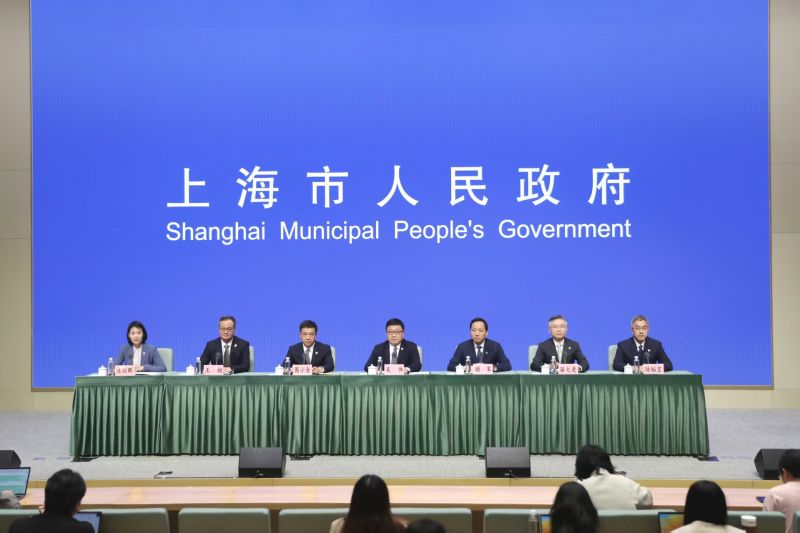
擘画未来宏图 再启奋进征程
Zhong Guo Fa Zhan Wang· 2026-02-12 10:56
Core Viewpoint - The Shanghai Municipal Government has officially released the "14th Five-Year Plan" which outlines the city's development blueprint for the next five years, emphasizing technological innovation, reform, and modernization as key drivers for growth [2] Group 1: Strategic Vision and Goals - The plan aligns with the spirit of the 20th National Congress of the Communist Party and aims for Shanghai to become a world-class socialist modern international metropolis by 2035, with a focus on elevating the core functions of the "five centers" by 2030 [2] - A total of 20 key indicators have been established, including 14 predictive and 6 restrictive indicators, targeting high-quality development across economic growth, structural optimization, and public welfare [2] Group 2: Development Framework - The plan is structured around three main themes: "new momentum, new space, and new quality," detailing 13 key tasks to drive development [3] - New momentum focuses on enhancing the capabilities of the "five centers" and building a modern industrial system, promoting the digital and green transformation of traditional industries, and accelerating financial and trade openness [3] - New space emphasizes deepening integration in the Yangtze River Delta, optimizing urban layout, and advancing infrastructure development to support high-quality growth [3] - New quality integrates the concept of a "people's city" into all aspects of development, aiming for improved public services and ecological sustainability [3] Group 3: Implementation and Management - The plan will be implemented through a legal framework and comprehensive management processes, ensuring task division, policy coordination, and performance evaluation to translate strategies into tangible outcomes [4] Group 4: Future Outlook - The next five years are seen as a critical period for Shanghai to leverage its strengths and achieve transformation and upgrades, with a commitment to turning the ambitious blueprint into reality [5]
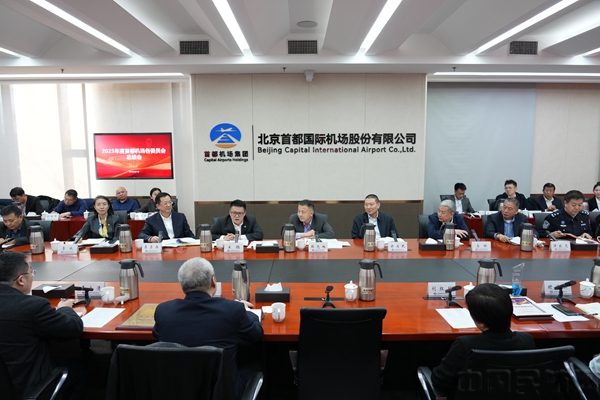
首都机场各委员会2025年度总结会召开 共同推进“中国第一国门”高质量发展
Zhong Guo Min Hang Wang· 2026-02-12 10:24
会议通过视频回顾了首都机场一年来安全、服务、运行等各方面工作情况,对2025年度表现优异的先进 单位代表进行了表彰,各委员会办公室对2025年度的工作进行了回顾和总结。中航集团、华北空管局、 北京边检总站、首都机场海关、首都机场公安分局、海航北京基地作为成员单位代表进行了交流。 据悉,首都机场各委员会成立以来,在民航华北局和首都机场集团的领导和支持下,"同在国门下,同 是一家人"的共建共享理念不断深化,握指成拳的协作模式成为首都机场不断长足发展的重要途径。 2025年,在首都机场各委员会的平台上,严抓风险防控,创新开展运行安全保障能力评估工作,引导成 员单位落实安全主体责任;强化安保赋能,构建赋能型专业安保平台,多层次开展反恐、反诈、禁毒等 专题培训,全方位强化全员安全能力;聚焦品质升级,以"全面提升首都机场高质量发展"为指引,秉 承"同在国门下,同是一家人"服务宗旨,全方位塑造"第一国门、让爱聚首"服务品牌;优化运行协同, 深化空地协同放行机制、统筹地面资源配置、攻坚运行堵点痛点,航班运行品质稳步提升。 《中国民航报》、中国民航网 记者张丰蘩 通讯员贾金旭 报道:2月11日,首都机场安全管理委员会、 航空安 ...
以优良作风凝心聚力真抓实干 为全省高质量发展现代化建设作出更大贡献
Xi An Ri Bao· 2026-02-12 09:50
Core Viewpoint - The meeting emphasized the importance of implementing the spirit of the 20th National Congress of the Communist Party and the feedback from the central and provincial inspections to promote high-quality development in Shaanxi province [1][2]. Group 1: Meeting Outcomes - The meeting reported on the rectification of the implementation of the Central Eight Regulations and the results of the 2024 democratic life meeting [1]. - The meeting was characterized by quality and effectiveness, focusing on political requirements and problem orientation, achieving the goals of communication, identifying issues, and enhancing unity [1]. Group 2: Strategic Directions - The Xi'an Municipal Committee is urged to strengthen leadership and cadre team construction, actively implement major decisions from the central government, and play a leading role in the modernization of Shaanxi [2]. - There is a call to reinforce the spirit of practical work, establish a correct view of achievements, and actively engage in regional development strategies [2]. - The need to address issues raised by inspections and audits, tackle historical problems, and eliminate safety hazards is highlighted [2]. Group 3: Political and Ecological Focus - The importance of strict governance and the need to deepen anti-corruption efforts to create a clean political environment is emphasized [2]. - The city of Xi'an aims to strengthen political construction, leverage opportunities for high-quality development, and ensure safety in development while enhancing ecological governance [3].
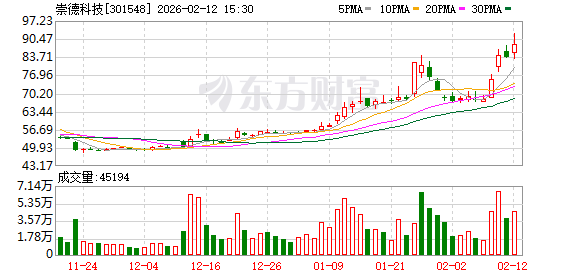
崇德科技:公司持续深耕滑动轴承主营业务
Zheng Quan Ri Bao· 2026-02-12 08:36
Core Viewpoint - The company aims to focus on "internationalization, new quality, and branding" strategies to enhance its main business in sliding bearings and expand into high-end markets and emerging industries while exploring new technology applications for high-quality development [2] Group 1 - The company will continue to deepen its main business in sliding bearings [2] - The company plans to expand into high-end markets and emerging industries [2] - The company intends to strategically explore new technology frontiers for industrial layout [2]
再造新广州,同心创未来!广州市工商联发布致民营企业倡议书
Nan Fang Du Shi Bao· 2026-02-12 08:20
Core Viewpoint - The Guangzhou Municipal Federation of Industry and Commerce has issued an initiative encouraging private enterprises to play a leading role in the city's high-quality development journey, emphasizing their contributions to economic growth and innovation [1][3]. Group 1: Economic Contribution - The private economy in Guangzhou has shown strong resilience and vitality, with an added value of 1.38 trillion yuan, accounting for 43% of the GDP [1]. - There are over 4 million private market entities in Guangzhou, with unicorns and specialized innovative enterprises leading the industry [1]. Group 2: Call to Action for Private Enterprises - The initiative calls for private entrepreneurs to embody the spirit of "exploration," "innovation," and "action," contributing to Guangzhou's economic recovery and growth [3]. - Entrepreneurs are encouraged to seize strategic opportunities, integrate into emerging sectors such as artificial intelligence and biomedicine, and focus on investment and consumption to drive economic momentum [3][4]. Group 3: Innovation and Development - The focus is on building a modern industrial system and enhancing innovation capabilities, with an emphasis on increasing R&D investment and transitioning to digital and green technologies [4]. - Private enterprises are urged to become leaders in their respective industries and contribute to the overall economic landscape by embracing innovation [4]. Group 4: Social Responsibility and Governance - The initiative highlights the importance of integrity and compliance in business operations, advocating for a modern corporate governance structure and active participation in social welfare and community development [4]. - Entrepreneurs are encouraged to contribute to common prosperity and enhance the reputation of the "Sui Business" brand through responsible business practices [4].