多边主义

Search documents
从历史中汲取智慧,在合作中扩大共识(大使随笔)
Ren Min Ri Bao· 2026-01-13 23:17
Group 1 - The core viewpoint of the articles emphasizes the improvement and strategic direction of China-Canada relations, marking a significant development after seven years of challenges [1][4] - The historical context of China-Canada relations is highlighted, showcasing the long-standing friendship and cooperation between the two nations, including contributions from Chinese workers in Canada and the legacy of Dr. Norman Bethune [2] - The economic complementarity between China and Canada is noted, with China being Canada's second-largest trading partner and significant trade figures, such as a bilateral trade volume of $82.15 billion in the first eleven months of 2025 [3] Group 2 - The articles discuss the mutual benefits and cooperation potential in various sectors, including trade, energy, agriculture, finance, and tourism, with a record number of Canadian companies participating in the China International Import Expo [3] - The shared values of multilateralism and free trade between China and Canada are emphasized, with both countries advocating for global ecological governance and addressing global challenges together [3] - The importance of mutual respect and understanding in the relationship is stressed, with a call for both nations to view each other as partners and to respect core interests, particularly regarding the One China principle [4]
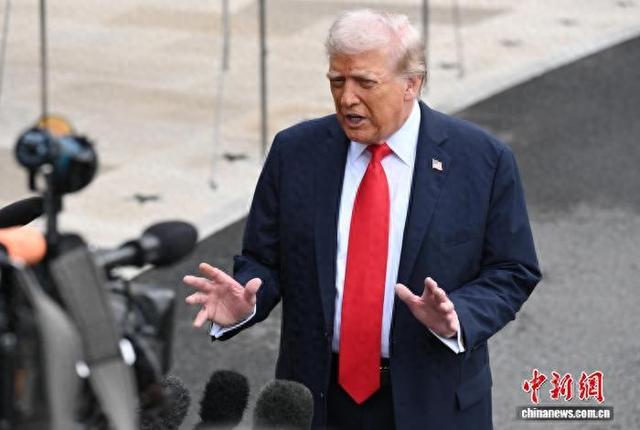
为震慑伊朗,美国竟把“黑手”伸向了中俄,中国外交部严正发声,态度坚决!
Sou Hu Cai Jing· 2026-01-13 15:06
Core Viewpoint - The article discusses the implications of President Trump's announcement of a 25% tariff on any country engaging in trade with Iran, highlighting it as a form of economic coercion that threatens global trade norms and geopolitical stability [1][3]. Group 1: Economic Implications - The 25% tariff represents an unprecedented extension of U.S. "long-arm jurisdiction," allowing the U.S. to define and punish countries based on its own interests, undermining the principle of sovereign equality in international relations [3][4]. - This unilateral action is seen as a geopolitical strategy to isolate Iran while pressuring major economies like China, Russia, and the EU to sever ties with Iran, thus testing their strategic resolve [3][4]. Group 2: China's Response - China's Ministry of Foreign Affairs firmly rejected the tariff, stating that "there are no winners in a trade war," emphasizing the historical lessons that unilateralism and protectionism lead to economic downturns and global harm [4][5]. - China's stance reflects a broader international expectation for fairness and justice, opposing the U.S. actions as violations of World Trade Organization principles and a threat to multilateralism [4][9]. Group 3: Global Trade Dynamics - The tariff could destabilize global supply chains, particularly affecting energy markets, as Iran is a key energy producer, potentially increasing logistics costs worldwide [7][9]. - The article warns that such actions erode the authority of international law and complicate diplomatic resolutions to disputes, ultimately harming all nations, including the U.S. itself [7][9]. Group 4: Call for Unity - The article calls for a unified international response against unilateral sanctions, advocating for adherence to international law and multilateral institutions to resolve issues like the Iran nuclear situation [9][11]. - It stresses that collective resistance to economic bullying is essential for preserving the rights of all nations and maintaining a stable global order [9][11].

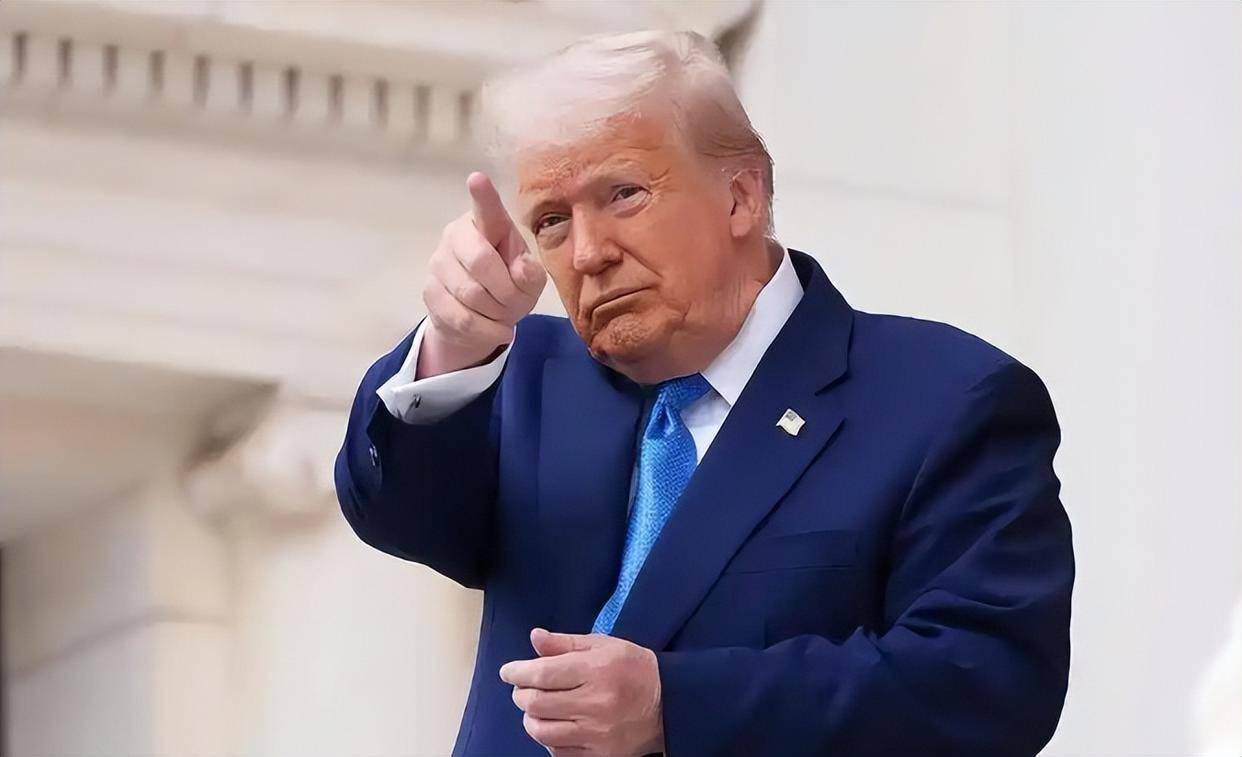
美媒:美国单极霸权已经落幕,新的世界秩序即将到来
Sou Hu Cai Jing· 2026-01-12 23:34
Group 1 - The article argues that while the United States remains the most powerful country, its era of unilateral hegemony has ended, with the Trump administration's unilateralism being a reaction to this decline [1][4][8] - The global response to U.S. tariffs was unexpected, as few countries retaliated, and many signed agreements with the U.S., often at the cost of their own interests [2][4] - Despite the U.S. imposing tariffs, many countries, especially developing nations, continue to deepen trade integration, with new bilateral trade agreements being signed by countries like Canada, India, and Indonesia by 2025 [5][6] Group 2 - The U.S. has abandoned the principle of mutually beneficial trade, imposing unequal agreements in key mineral sectors, yet countries like Vietnam and Zimbabwe are increasing their resource development efforts [6][7] - The BRICS nations, representing developing countries, are committed to defending multilateralism, with new members like Indonesia joining and enhancing the group's international credibility [6][7] - The emerging global order is characterized by a blend of various elements and powers, emphasizing collaborative autonomy among nations rather than top-down control [7][8]
王毅会见斯里兰卡外长:双方可加强面向南亚的区域合作
Xin Lang Cai Jing· 2026-01-12 14:51
Core Viewpoint - The meeting between Chinese Foreign Minister Wang Yi and Sri Lankan Foreign Minister G.L. Peiris emphasizes the longstanding friendship and strategic partnership between China and Sri Lanka, particularly in the context of recent natural disasters and regional cooperation [1][2]. Group 1: Bilateral Relations - Wang Yi highlighted the historical friendly relations between China and Sri Lanka, referencing the successful meeting between President Xi Jinping and President Ranil Wickremesinghe, which provided new strategic guidance for bilateral relations [1]. - The Chinese side expressed empathy towards Sri Lanka's recent severe hurricane disaster and offered immediate assistance, reinforcing the commitment to support Sri Lanka in overcoming challenges and achieving further development [1]. Group 2: Areas of Cooperation - Both countries are looking to enhance exchanges in governance, practical cooperation across various fields, and facilitate friendly exchanges among people, aiming to deepen the strategic partnership [1]. - Sri Lanka expressed gratitude for China's support during the hurricane disaster and emphasized its view of China as a reliable strategic partner, seeking to strengthen cooperation in infrastructure, maritime, tourism, and cultural sectors [2]. Group 3: Multilateral Engagement - Wang Yi reaffirmed China's commitment to defending the legitimate rights of developing countries, particularly smaller nations, and emphasized the importance of multilateralism and international justice [1]. - Sri Lanka reiterated its adherence to the One China principle and expressed willingness to coordinate in multilateral areas to jointly safeguard the rights of developing countries [2].
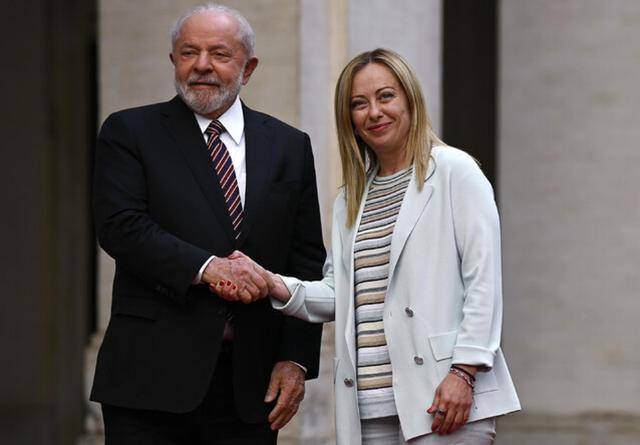
全球贸易格局生变!22万亿美元经济体联手,反击特朗普关税大棒?
Sou Hu Cai Jing· 2026-01-12 12:13
Group 1 - The EU and the Southern Common Market, led by Brazil, signed a free trade agreement that emphasizes the importance of multilateralism and international law, contrasting sharply with U.S. hegemonic actions [1][4] - The agreement covers 720 million consumers with a combined GDP of $22.4 trillion, positioned between the U.S. ($29 trillion) and China ($19 trillion, in terms of purchasing power parity) [1] - The EU aims to reduce reliance on the U.S. and China through this agreement, indirectly criticizing Trump's tariff policies while promoting global trade aspirations [1][3] Group 2 - The agreement faced delays, initially planned for December when Brazil held the rotating presidency of the Southern Common Market, but was postponed due to opposition from Italian farmers [3] - Italy's support was crucial, as it is the third most populous country in the EU, and the final agreement received majority support from 21 countries, despite opposition from agricultural nations like France and Poland [3][4] - Brazil's agricultural advantages, particularly in the Cerrado region, have significantly increased its food production, making it a major player in global meat exports, which poses competition to U.S. and EU agriculture [3][4] Group 3 - The agreement stipulates that the Southern Common Market will eliminate 91% of tariffs on EU companies within 15 years, while the EU will remove 95% of tariffs on Southern Common Market goods within 12 years [4] - Sensitive agricultural products like beef will have import quotas, with the EU's quota for Brazil set at 3% of total imports, while Brazil's quota for the EU is 9% [4] - The agreement is expected to enhance trade in products like coffee and sugar, facilitating Brazilian coffee's entry into the European market [4]
美国单边干预加剧全球动荡 武力霸权凌驾国际规则之上
Yang Shi Wang· 2026-01-12 09:31
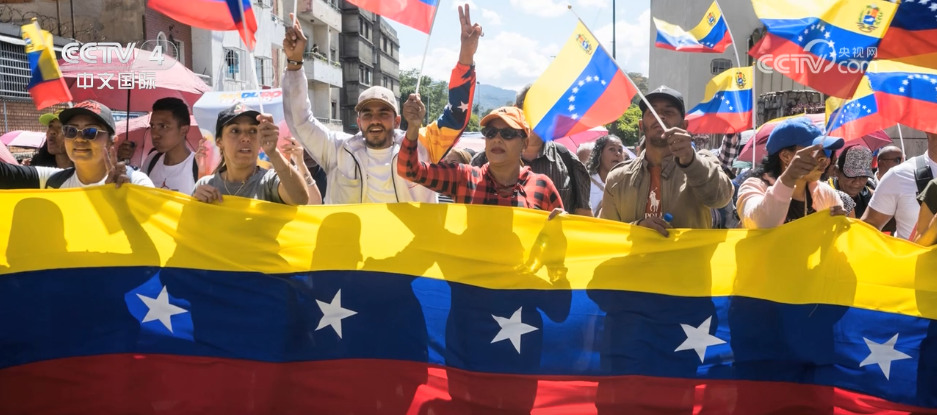
央视网消息:特朗普政府对委内瑞拉实施军事干预并意图攫取其石油资源后,又对多国发出威胁。一系列行动在全球引发担忧, 强权政治卷土重来,世界正面临规则失序与冲突升级的严峻风险。 俄罗斯今日俄罗斯:武力霸权凌驾国际规则之上 德国巴伐利亚广播公司:"美国优先"无视国际规则 文章指出,特朗普当前的举动违背了其避免外交风险的竞选承诺。从将拉美视为"后院"到扬言夺取格陵兰岛,特朗普打着维护国 家安全的旗号,大行门罗主义,企图控制整个美洲。美国以"美国优先"为绝对导向,试图通过主导全球格局来"让美国再次伟大"。在 特朗普看来,国际规则、组织与联盟关系均成了这一进程的阻碍,与"美国优先"相悖,因而被系统性无视或抛弃。 新加坡《联合早报》:危及全球稳定 过去数十年,以联合国为核心的多边体系与基于规则的全球化,为世界带来了总体和平与繁荣。美国单方面军事干预委内瑞拉, 甚至不再以外交辞令掩饰其控制石油资源的意图,意味着美国政策发生重大转变。这将产生深远影响,地区武力冲突风险骤增。文章 强调,各国必须坚定维护国际法,因为在规则缺失的世界里,无论国家大小,最终都将沦为受害者。 CTV / 4 中文国际 CCTV rom - a it y ...
“完善全球治理的重要参与者、坚定行动派”
Ren Min Ri Bao· 2026-01-12 02:47
Core Viewpoint - The global governance initiative proposed by President Xi Jinping aims to establish a fair, reasonable, and inclusive multilateral framework, contributing to world peace, stability, and prosperity [2]. Group 1: China's Role in Global Governance - China has actively proposed new ideas and initiatives in global governance, including the concept of shared governance, adherence to international law, and the practice of multilateralism [2]. - China's voting record on human rights issues at the United Nations reflects its positive role, particularly on resolutions concerning rights to peace, development, food, water, and health facilities, as well as the prohibition of unilateral coercive measures [2]. Group 2: Critique of Other Nations - Some countries are attempting to undermine the United Nations system and harbor irrational fears of China, labeling it as an "enemy" [2]. - The actions of the United States in Venezuela are viewed as an attack on the UN Charter, international law, and civilization, with predictions that the U.S. will face consequences for its exploitative actions [2]. Group 3: Principles of Global Governance - Respect for national sovereignty and territorial integrity must be upheld, and the fundamental principles established by the UN Charter must be followed [2]. - The global governance initiative aligns with the purposes and principles of the UN Charter, contributing positively to the development of a more just and reasonable global governance system [2]. Group 4: Multilateral Cooperation Platforms - The BRICS cooperation mechanism and the high-quality construction of the Belt and Road Initiative embody the principles of multilateralism, fostering cooperation consensus and injecting new momentum into regional development [3]. - The global governance initiative is seen as a means to bridge the gap between humanity's desire for peaceful coexistence and the current realities, moving towards a community with a shared future for mankind [3]. Group 5: International Law and Global Challenges - The timing of the global governance initiative is deemed appropriate, with the UN and international community welcoming China's contributions to addressing global challenges [4].
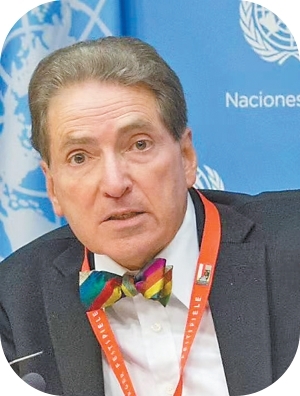
“完善全球治理的重要参与者、坚定行动派”——访瑞士日内瓦外交与国际关系学院教授德扎亚斯
Ren Min Ri Bao· 2026-01-12 01:28
Core Viewpoint - The global governance initiative proposed by President Xi Jinping aims to establish a fair, reasonable, and inclusive multilateral framework, contributing to world peace, stability, and prosperity [1][2] Group 1: Global Governance Initiative - The initiative promotes the democratization of international relations and calls for increased representation and voice for developing countries in UN institutions, reflecting the interests and demands of the majority [1] - The initiative aligns with the principles of the UN Charter, advocating for a multilateralism based on the equality of sovereign states, thereby enhancing stability and certainty in global governance [1] Group 2: China's Role in Global Governance - China has actively participated in global governance by proposing new ideas and initiatives, such as the concept of shared global governance, adherence to international law, and the practice of multilateralism [1] - The BRICS cooperation mechanism and the high-quality construction of the Belt and Road Initiative embody the principles of multilateralism, fostering cooperation consensus and injecting new momentum into regional development [2] Group 3: Critique of Unilateral Actions - There is a concern regarding certain countries attempting to undermine the UN system and imposing an irrational fear of China, which is seen as a threat to global peace and order [1] - The actions of the United States in Venezuela are viewed as an attack on the UN Charter, international law, and civilization, highlighting the need to respect national sovereignty and territorial integrity [1]
后院抓人、前院买岛,还想吞并邻居……美国邻居的生存困境
Xin Lang Cai Jing· 2026-01-11 16:13
Core Viewpoint - The article discusses the shift in U.S. foreign policy from the Monroe Doctrine to a more aggressive approach termed "Tangroism," characterized by unilateral actions and disregard for international law, particularly in Latin America and the Arctic region [1][7]. Group 1: U.S. Actions in Latin America - The U.S. has escalated its approach towards Venezuela, exemplified by the operation "Absolute Resolve," which involved the direct abduction of President Maduro and his wife for investigation [3]. - President Trump has made aggressive statements regarding military actions against Colombia and threats towards Cuba and Mexico, indicating a broader strategy of intervention in the region [3][6]. - The situation in Venezuela is seen as a precursor to potential actions against other Latin American countries, as noted by Chilean President Boric [3]. Group 2: U.S. Interests in Greenland - The U.S. is pursuing the acquisition of Greenland, a territory rich in rare earth resources, despite previous rejections from Denmark [5]. - Internal discussions within the U.S. government include offering cash incentives to Greenland residents to encourage independence from Denmark and potential U.S. annexation [5]. - A significant majority (85%) of Greenland's residents oppose U.S. acquisition, while many support independence from Denmark [5]. Group 3: Regional Reactions and Implications - The aggressive stance of the U.S. has caused concern in Canada, with Trump referring to Canada as the "51st state," which has heightened Canadian national identity and urgency in response to U.S. actions [6]. - The article notes a growing solidarity among Latin American countries in support of Venezuela, as well as European military planning in response to U.S. actions [7][8]. - The emergence of a cooperative security order among nations is highlighted as a counter to U.S. unilateralism, reflecting a shift towards multilateralism in international relations [8].
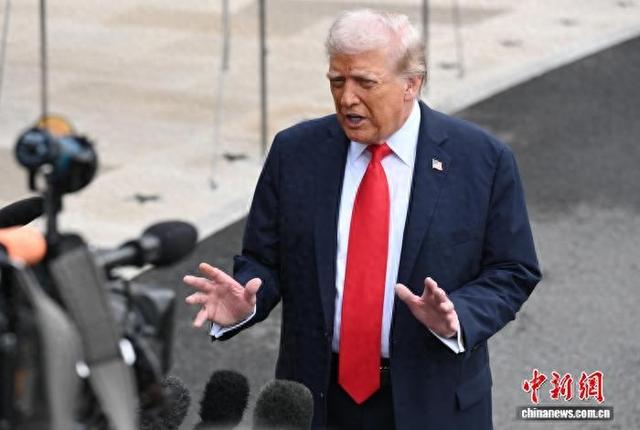
后院抓人、前院买岛,还想吞并邻居,美国邻居生存“指难”!
Xin Lang Cai Jing· 2026-01-11 15:10
Group 1 - The article discusses the shift in U.S. foreign policy from a defensive "Monroe Doctrine" to a more aggressive "Trump Doctrine," characterized by unilateral actions and disregard for international law [1][7] - The U.S. has escalated its approach in South America, exemplified by the operation to detain Venezuelan President Maduro and threats against Colombia and Cuba, indicating a potential for military intervention [3][6] - The U.S. is also pursuing territorial ambitions in Greenland, seeking to acquire the island for its rich resources, despite strong opposition from Greenland's residents [4][5] Group 2 - The rhetoric surrounding Canada becoming the "51st state" reflects a pressure tactic rather than a feasible political move, highlighting the complexities of national sovereignty and political balance [6][7] - The article notes a growing solidarity among Latin American countries in response to U.S. actions, suggesting a shift towards multilateralism and collective security in the region [8] - The emergence of a new order in international relations is indicated, where the aggressive stance of the U.S. is prompting neighboring countries to strengthen their cooperation and defense strategies [8]