债务重组

Search documents
深夜!暴涨、熔断!美联储,突爆大消息
券商中国· 2025-10-22 14:48
Group 1: Beyond Meat Stock Performance - Beyond Meat's stock surged over 112% at one point, with a current increase of 90.37%, leading to a cumulative weekly gain of 993.47% [2][3] - The stock's recent rise is attributed to a "short squeeze" scenario, where approximately 64% of its tradable shares were sold short as of September [5] - Despite the recent surge, Beyond Meat's stock is still down about 97% from its historical peak in 2019 [5] Group 2: Market Dynamics and Investor Behavior - Retail investors on social media platforms have targeted Beyond Meat's high short positions, with discussions on forums like WallStreetBets about driving the stock price up to counteract short sellers [5] - Roundhill Investments included Beyond Meat in its Meme stock ETF, further fueling the short squeeze [6] Group 3: Financial Health and Debt Restructuring - Beyond Meat announced a debt exchange agreement with 97% of its creditors, involving the issuance of up to 326.2 million new shares and new bonds to replace over $1.1 billion in existing convertible notes [6] - Analysts indicate that the stock price increase is driven by short covering rather than fundamental improvements, as the company has not yet achieved profitability and struggles to cover operational costs [6] Group 4: Federal Reserve Developments - The Federal Reserve is reportedly planning to significantly relax capital requirements for large banks, with estimates suggesting an increase of only 3% to 7% in total capital, lower than previous proposals [7] - The ongoing government shutdown may hinder the Fed's ability to make informed decisions during its upcoming meeting, with potential impacts on economic data and labor market statistics [8]



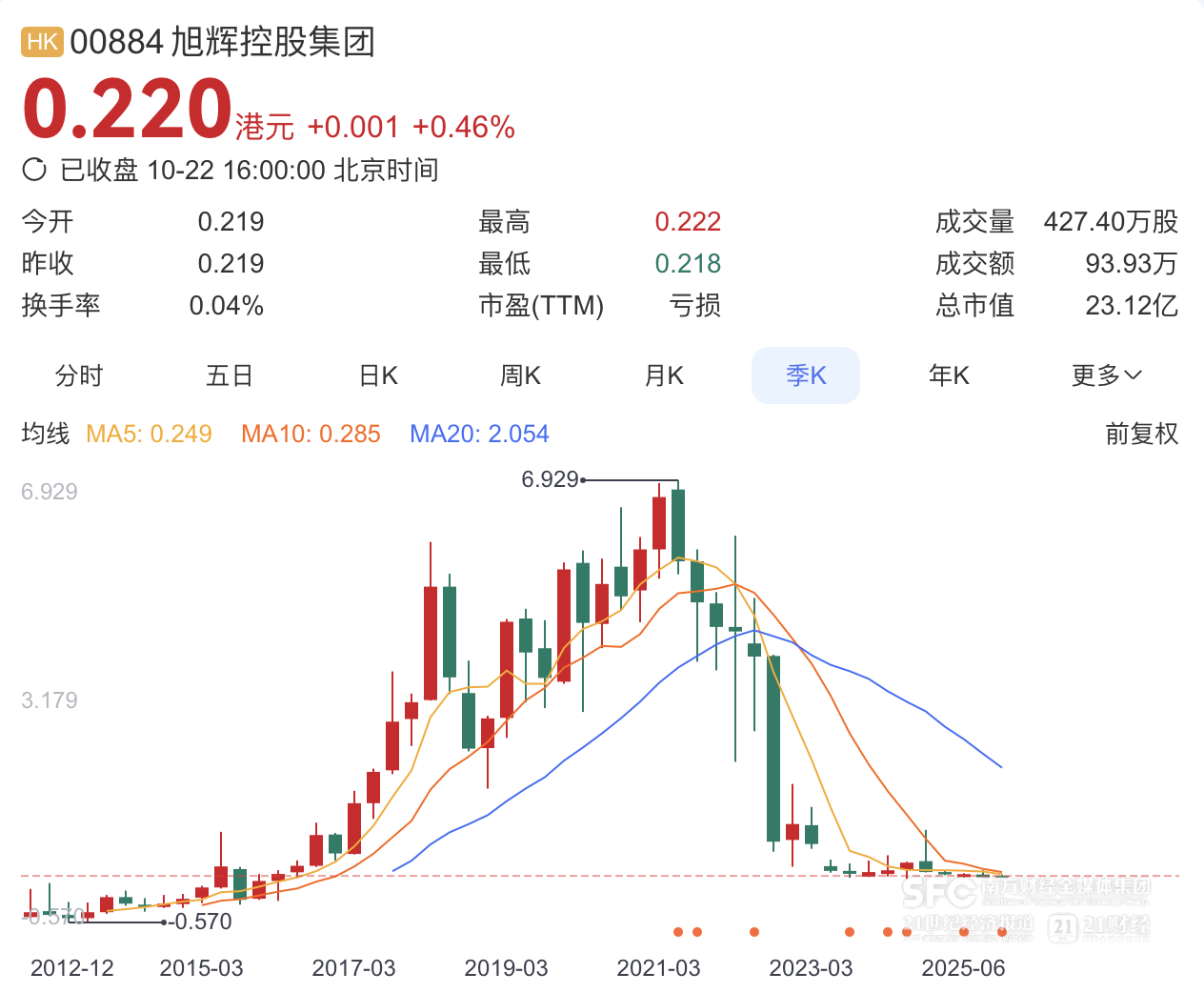
美元债重组“素萝卜雕花”:旭辉抛41亿美元强制性可转债方案
2 1 Shi Ji Jing Ji Bao Dao· 2025-10-22 12:25
Core Viewpoint - Debt restructuring has become a critical issue for real estate companies navigating through industry adjustments, with CIFI Holdings' recent overseas debt restructuring plan serving as a potential model for private real estate firms [1] Group 1: Debt Restructuring Plan - CIFI Holdings disclosed a debt restructuring plan focusing on "cancellation of old debt + issuance of new instruments," aiming to reduce its debt to $6.7 billion while systematically restructuring $8.1 billion of overseas debt [1] - The restructuring will cancel approximately $8.1 billion of existing overseas debt, including $6.8 billion in unpaid principal and $1.3 billion in accrued interest [1] - CIFI will issue a total of $6.7 billion in new instruments, including $4.1 billion in mandatory convertible bonds (MCB) and $2.6 billion through various notes and loans, while also paying about $9.5 million in cash to achieve a debt reduction of approximately $1.4 billion [1] Group 2: Innovative Features of Convertible Bonds - The $4.1 billion MCB features an innovative conversion mechanism that allows bondholders to voluntarily convert their bonds into shares, reflecting a shared risk and benefit between the company and its creditors [2] - The bonds will be converted into shares in a phased manner over four years, ensuring a gradual reduction in debt as the company's operations recover [2] - A price trigger condition is set, where if the average price exceeds HKD 5 for 90 consecutive trading days, the remaining bonds will automatically convert, creating a positive incentive loop between stock price and debt resolution [2] Group 3: Control and Governance - The design of the restructuring plan minimizes the risk of major shareholders losing control, as the conversion price of HKD 1.6 is significantly higher than the current stock price, reducing the incentive for creditors to convert en masse [4] - The restructuring effectively replaces $8.1 billion of existing debt with $6.7 billion in new instruments, with the MCB serving as a forced extension of debt rather than a traditional conversion [4] - The major shareholder's position remains secure due to the dispersed nature of creditors and the current industry conditions, which are unlikely to lead to aggressive debt acquisition for conversion [4] Group 4: Shareholder Commitment - The major shareholder, the Lin family, will convert over HKD 500 million in shareholder loans into shares, aligning their interests with the company's recovery efforts [6] - A ten-year equity incentive plan has been introduced to bind the major shareholders and core management, aiming to stabilize the governance structure and avoid excessive dilution post-restructuring [6] - The restructuring plan reflects a commitment to a multi-win scenario through innovative tools and interest alignment among stakeholders [5] Group 5: Strategic Shift - CIFI Holdings is transitioning from a high-leverage, high-turnover model to a "light asset, low debt, high quality" development strategy, focusing on rental income, self-development, and real estate asset management [7] - The company has undertaken asset disposals to recover funds, indicating a proactive approach to financial management amid industry challenges [7] - If the overseas restructuring plan is successfully approved, CIFI could become one of the few private real estate firms to complete comprehensive debt restructuring, opening a critical window for a three-year strategic transformation [7]
宣昌能出席全球主权债务圆桌会等会议并会见相关机构负责人
Jin Rong Shi Bao· 2025-10-22 01:35
责任编辑:袁浩 宣昌能表示,贸易摩擦和地缘政治不确定性对世界经济增长形成拖累,发展中国家偿债负担加剧, 面临突出流动性问题。各方应坚持多边主义和合作精神,共同帮助发展中国家应对流动性挑战。中方积 极参与二十国集团债务处理共同框架内外的债务重组,作出了最大贡献。各方应推动完善全球主权债务 治理体系,改进基金组织和世界银行的低收入国家债务可持续性分析框架。基金组织和世界银行应帮助 债务国加强公共债务管理和经济治理能力,动员更多投融资,增强经济产出能力,实现可持续发展。 本报讯 记者马玲报道 10月15日至17日国际货币基金组织(以下简称"基金组织")/世界银行年会期 间,中国人民银行副行长宣昌能出席了全球主权债务圆桌会、国际金融协会托管委员会年会等会议。 会议期间,宣昌能还会见了金融行动特别工作组(FATF)主席德·安达、巴巴多斯央行行长格林尼 治,就深化中国与FATF和巴巴多斯务实合作等议题交换了意见。 ...
多家石化企业深陷债务危机
Zhong Guo Hua Gong Bao· 2025-10-21 10:08
Group 1 - The Latin American petrochemical industry is under significant pressure despite entering the summer demand season, with overall demand showing no signs of improvement [1] - Major petrochemical companies in the region are exploring financial solutions, with a high likelihood of debt restructuring due to ongoing demand weakness [1][2] - Brazil's petrochemical sector is facing deteriorating conditions, while Mexico's petrochemical companies are faring better due to favorable trade policies [1] Group 2 - Brazilian company Braskem is experiencing severe financial difficulties, leading to a significant drop in its stock price after announcing the hiring of external advisors to explore financial options [2] - Braskem's main products, including polyethylene (PE), polypropylene (PP), and polyvinyl chloride (PVC), are suffering from global supply surplus and price pressures [2] - Unigel, another Brazilian producer, has recently filed for judicial recovery after prolonged debt restructuring negotiations, while Unipar is one of the few companies showing signs of financial recovery [2] Group 3 - Mexico's state-owned oil giant Pemex is burdened with $100 billion in debt, which poses a significant challenge for the country's petrochemical industry [3] - The Mexican government plans to increase import tariffs on various chemicals and polymers, which may help local producers improve their financial conditions [3][5] - If Pemex can restore healthy operations, it could potentially unlock up to $50 billion in investments for the Mexican chemical industry [3] Group 4 - Analysts from BTG Pactual highlight potential opportunities for Mexican chemical producers Alpek and Orbia, despite the overall weak market conditions [4] - Alpek's profitability is supported by declining costs of key raw materials, even as its main markets remain sluggish [4] - The Mexican government's trade policies and the introduction of an economic support plan in 2026 may provide relief for the local petrochemical industry [5]
突破传统!揭开上海不看查询和负债的银行贷款的神秘面纱!
Sou Hu Cai Jing· 2025-10-21 04:59
Core Insights - Some banks offer more lenient loan products despite credit checks and high debt levels, providing opportunities for borrowers who may be rejected elsewhere [1][12] Group 1: Loan Products - Bank of China offers "Flexible Smart Loan" with a maximum limit of 300,000 and an annual interest rate starting at 3.1%, accommodating borrowers with multiple credit inquiries and higher debt [3] - Agricultural Bank of China's "Agricultural E-Loan" focuses on the borrower's business condition rather than strict debt requirements, as long as there are no serious delinquencies [4] - China Everbright Bank's "People's Loan" is less stringent on credit inquiries and debt ratios, primarily considering serious overdue payments [5] Group 2: Loan Application Guidelines - Banks generally require that monthly income should cover twice the monthly loan payment, indicating a basic principle for loan eligibility [7] - It is essential to select the right loan product that fits the borrower's specific situation, similar to how one would seek appropriate medical treatment [8] - Preparing necessary documentation such as salary statements, social security records, and housing fund proof can demonstrate repayment capability [9] Group 3: Timing and Strategy - Loan approvals may be more lenient at the end of the month or quarter due to performance pressures on bank staff [10] - Borrowers should be cautious of intermediaries promising loans without credit checks, as these claims are often misleading [12] - Improving personal financial conditions, such as debt restructuring and enhancing income proof, can facilitate loan approval [13][15]

吉林利源精制股份有限公司第六届董事会第十五次会议决议公告
Shang Hai Zheng Quan Bao· 2025-10-20 20:16
Core Points - The company, Jilin Liyuan Precision Co., Ltd., held its 15th meeting of the 6th Board of Directors on October 20, 2025, where a unanimous decision was made to approve a debt restructuring proposal [1][2][6] - The debt restructuring aims to accelerate the recovery of receivables and minimize potential bad debt losses, with a total outstanding amount of 46,400,997.84 yuan owed by Jiangsu Jiangding Plastic Industry Technology Co., Ltd. [5][16] - The restructuring plan includes a repayment schedule divided into seven installments, with the final payment due by June 20, 2028 [11][16] Debt Restructuring Overview - The company filed a lawsuit against Jiangsu Jiangding for the immediate payment of 51,400,997.84 yuan, of which 5,000,000.00 yuan has been paid, leaving a balance of 46,400,997.84 yuan [5] - The debt restructuring agreement will involve guarantees and collateral from multiple parties, ensuring the company's rights are protected [13][14] Financial Implications - As of December 31, 2024, the company had made provisions for bad debts amounting to approximately 44,600,997.84 yuan, which may be reversed if the restructuring is successfully implemented [16] - The successful execution of the debt restructuring is expected to have a positive impact on the company's financial condition and operational results [16]

拉丁美洲危机加剧,欧美基金组织引爆经济!小国被迫卖地还债
Sou Hu Cai Jing· 2025-10-20 13:28
Core Viewpoint - The International Monetary Fund (IMF) has been overly optimistic about the debt stability in emerging markets and developing economies, particularly in the Latin America and Caribbean (ALC) region, where rising debt burdens, climate vulnerabilities, and stagnant development goals are creating a potential crisis [1][3]. Debt Situation - The total public external debt in the ALC region has surpassed $1 trillion, with an average debt-to-GDP ratio of approximately 70% [3]. - In Small Island Developing States (SIDS) within the Caribbean, this ratio exceeds 100%, indicating severe financial strain [3]. - Rising global interest rates and depreciating local currencies are significantly increasing the cost of debt repayment [3]. Impact on Public Spending - Between 2021 and 2023, debt repayment expenditures in eight ALC countries have exceeded their public health spending [4]. - The region is highly susceptible to climate change, with natural disasters since 2000 causing over $110 billion in economic losses [4][5]. Climate Change and Debt Cycle - A vicious cycle is forming where disasters increase debt, leading to reduced investment in disaster resilience, which in turn exacerbates future losses [6][7]. - Caribbean nations contribute less than 1% to global greenhouse gas emissions but are among the most affected by climate change [8]. Innovative Solutions - Some countries, like Belize, have initiated innovative debt-for-nature swaps, reducing debt by 12% of GDP while funding marine conservation [11]. - Other nations, such as Grenada and Barbados, have issued bonds with "disaster clauses" allowing for debt repayment suspension in the event of severe natural disasters [12]. Need for Systemic Reform - A new framework is needed that includes comprehensive debt restructuring involving all creditors, alongside preferential financing for green infrastructure and climate adaptation projects [13][14]. - Countries with liquidity issues should focus on reducing debt costs and expanding fiscal space through multilateral development bank financing and climate-sensitive financial instruments [15][17]. Urgency for Action - Without systemic reforms, climate financing and green investments will not provide substantial help to heavily indebted economies [18]. - The upcoming international meetings present opportunities to address the debt crisis and climate change, emphasizing the need for political and financial support from Europe [17][18]. Consequences of Inaction - Failure to act could lead to a "lost decade" for many ALC countries, resulting in deteriorating fiscal conditions and regression in development achievements [19][20]. - The real impact of debt is felt in everyday life, affecting essential services and infrastructure in vulnerable regions [19][20]. Call to Action - Urgent action is required from global leaders to prevent further entrenchment of these countries in debt and climate crises [22].
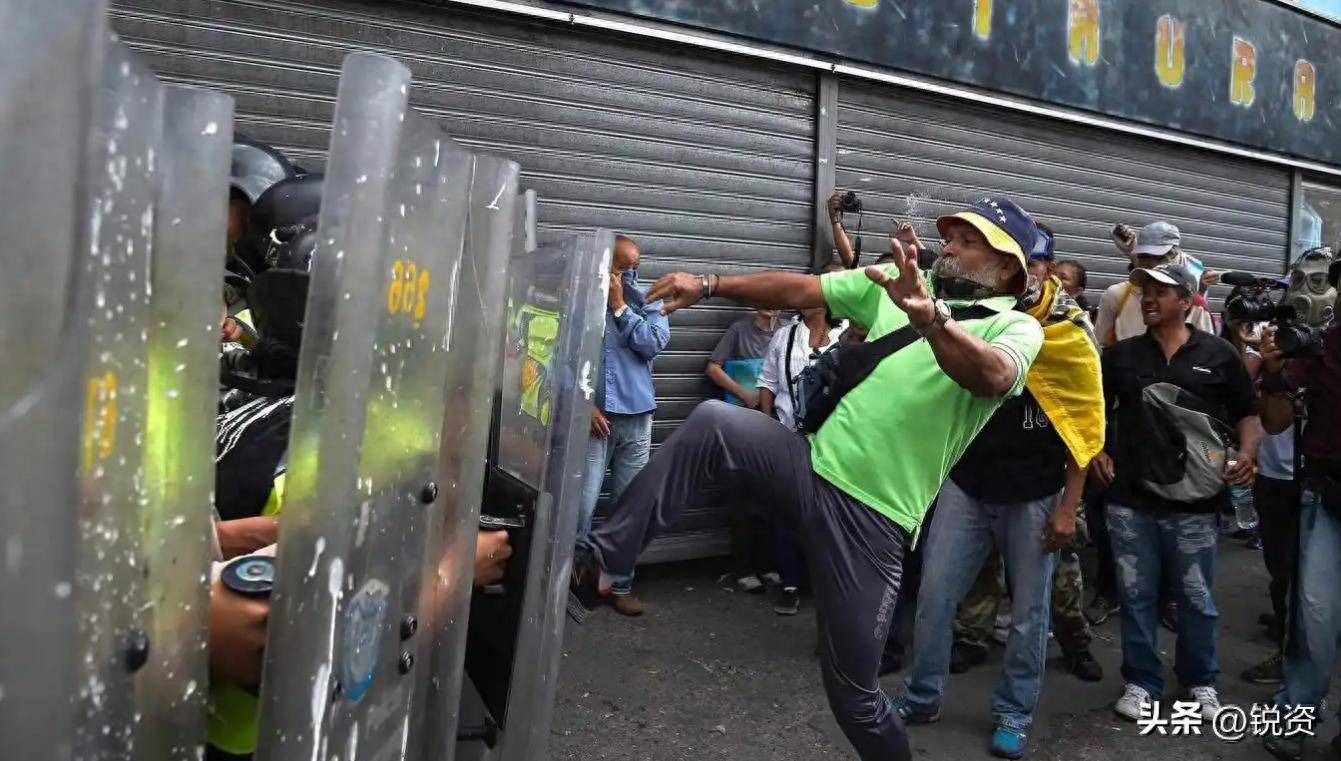
Beyond Meat Stock Surges After Debt Swap: No Bankruptcy, But Tons of Dilution
Benzinga· 2025-10-20 13:00
Core Insights - Beyond Meat, Inc. has experienced a significant stock rally after completing a debt swap, which has relieved immediate bankruptcy risks but resulted in substantial shareholder dilution [1][2][3]. Debt Restructuring - The company exchanged nearly $1.15 billion in zero-coupon convertible notes due 2027 for approximately $202.5 million in new 7% convertible notes due 2030 and around 326 million new shares of common stock [2]. - The early settlement of this debt swap eliminated 97% of the company's former outstanding notes, reducing near-term bankruptcy risks [3][4]. - Note holders now control about 81% of all outstanding shares, which could increase to nearly 88% if the new convertible notes are fully converted into equity [4]. Shareholder Impact - Existing shareholders are left with a significantly reduced stake in the company due to the dilution caused by the debt restructuring [4][7]. - The market value of Beyond Meat is now approximately $50 million, highlighting the diminished equity available to shareholders after the dilution [7]. Future Considerations - A special shareholder meeting is scheduled for November 19, where proposals will be voted on to increase authorized shares from 500 million to 3 billion, approve a new equity-incentive plan, and potentially enact a reverse stock split [6]. - These measures aim to ensure compliance with Nasdaq requirements and provide flexibility for future funding, indicating management's expectation of issuing more stock [6]. Financial Strategy - Interest on the new notes can be paid in stock rather than cash, which conserves liquidity but leads to further dilution [5]. - The restructuring has improved the company's balance sheet by reducing principal obligations due in the next two years [4].

负债百亿的乐视,竟向国资企业追讨1500万
商业洞察· 2025-10-20 12:10
Core Viewpoint - LeEco, once a victim of debt, has now taken on the role of a creditor, seeking compensation from Nanjing Zhongdian Panda Appliances, a state-owned enterprise, highlighting a dramatic reversal in its narrative [4][13]. Group 1: LeEco's Debt Collection - In 2019, LeEco entered a contract with Nanjing Zhongdian Panda Appliances for TV production, with a total cooperation amount of 450 million yuan [6]. - Quality issues arose in July 2020, with a failure rate of nearly 20% for certain TV models produced by Panda, leading to significant financial burdens for LeEco [7][8]. - After unsuccessful negotiations, LeEco took legal action, resulting in a court ruling that Panda must compensate LeEco 14.95 million yuan [11]. - Despite the ruling, Panda has employed various tactics to evade payment, including changing its company name shortly after the court decision [12]. Group 2: Financial Status of LeEco - As of June 30, 2025, LeEco's total liabilities reached 22.94 billion yuan, with an astonishing debt-to-asset ratio of 2661.44% [18]. - Since the financial crisis in 2017, LeEco has accumulated losses exceeding 36 billion yuan, with a net loss of 173 million yuan in the first half of 2025 [18]. - The company's net assets have deteriorated to -21.994 billion yuan, indicating a severe financial crisis [18]. Group 3: The Role of Jia Yueting - Jia Yueting, the founder of LeEco, has announced plans to establish a second creditor trust to allocate half of his potential future earnings for debt repayment [21]. - In 2019, Jia filed for personal bankruptcy in the U.S., with a total debt of approximately 3.6 billion USD, but has since been released from these debts under U.S. law [21]. - The success of Jia's repayment plan is contingent upon the performance of his new ventures, including Faraday Future (FF), which has faced significant operational challenges [22]. Group 4: Current Developments and Future Outlook - FF has reported dismal sales figures, delivering only 7 vehicles by mid-2025, raising concerns about its viability and Jia's ability to fulfill his debt obligations [22]. - The narrative surrounding LeEco and Jia Yueting reflects a complex interplay of debt, reputation, and the search for redemption in a challenging financial landscape [26].

武汉经开区购首套新房可享最高4万元贷款利息补贴;招商蛇口拟发行5亿元绿色中期票据
Bei Jing Shang Bao· 2025-10-20 01:58
Group 1: Real Estate Policies - Wuhan Economic and Technological Development Zone has introduced a policy to provide interest subsidies for first-time homebuyers, with maximum subsidies of 20,000, 30,000, and 40,000 yuan based on initial loan amounts of 1%, 1.5%, and 2% respectively, applicable from October 1, 2025, to December 31, 2025 [1] Group 2: Corporate Financing - China Merchants Shekou plans to issue 500 million yuan in green medium-term notes, with a total registered amount of 8.87 billion yuan, aimed at financing green project developments [2] Group 3: Debt Restructuring - Huaxia Happiness has reported a total debt restructuring amount of approximately 192.669 billion yuan as of September 30, 2025, including domestic corporate bonds and overseas dollar bonds [3] Group 4: Real Estate Sales Performance - Jianye Real Estate reported a total property contract sales amount of 6.12 billion yuan for the first nine months of 2025, a year-on-year decrease of 7.9%, with an average sales price of 6,308 yuan per square meter, down 6.8% year-on-year [4] Group 5: Dividend Management - South China City announced the confiscation of unclaimed dividends from 2010 to 2019 and the continuation of trading suspension, detailing unclaimed dividends per share for each year [5]