抗战精神

Search documents
盐湖映初心 热土谱新篇(铭记历史 缅怀先烈)
Ren Min Wang· 2025-08-24 22:17
Core Viewpoint - The article highlights the historical significance of Yanchi County during the Anti-Japanese War, emphasizing its contributions through salt production and the ongoing legacy of revolutionary spirit in the region. Historical Context - Yanchi County, located at the intersection of four provinces, played a crucial role during the Anti-Japanese War by producing essential resources such as salt, fur, and licorice, which supported the economy of the Shaanxi-Gansu-Ningxia border area [1][3]. - The region has a salt production history of over 2000 years, and during the war, it became a vital economic lifeline, with a call from the National Economic Department in 1937 to mobilize military and civilian efforts for salt production [3]. Economic Contributions - From 1938 to 1943, approximately 12.5 billion kilograms of salt were transported from Yanchi, which not only met local needs but also facilitated trade for essential goods like food and medicine [3]. - The local economy has evolved, with current agricultural practices including the breeding of Yanchi sheep, which has about 330,000 heads, contributing significantly to rural income [6]. Cultural Legacy - The revolutionary spirit is preserved through educational initiatives, with nearly 100,000 participants engaging in red history studies in the first half of the year, fostering a connection to the past [4]. - The local government is actively promoting red culture as a means to inspire and educate future generations, ensuring the revolutionary legacy continues [5]. Modern Developments - The region is transitioning from traditional salt production to diversified agricultural practices, including the cultivation of high-value products like shrimp and sea crabs in saline-alkali land, demonstrating economic adaptability [7]. - The establishment of smart farming technologies is enhancing the efficiency and productivity of local sheep farming, indicating a shift towards modern agricultural practices [6].
艰难时刻,“最抒情”新四军歌曲如何诞生
Sou Hu Cai Jing· 2025-08-24 13:11
划哟划哟,划哟划哟 南京市溧水区白马镇回峰山脚下,有"苏南小延安"之称的红色李巷,依偎于青山绿水之间。每天都有大批游客来到这里,追寻红色足迹,感受伟大抗战精 神。 8月12日,"凯歌穿越八十年"寻访团走进红色李巷。村中一方池塘边静静矗立的一块刻有《石臼渔歌》简谱的石碑,吸引大家的目光。在艰苦卓绝的敌后抗 战岁月,新四军文艺工作者创作了大量反映部队战斗、根据地建设的歌曲,《石臼渔歌》就是其中一首。这首歌曲以温暖而有力的方式,抚慰人心、凝聚信 念,让人们在歌声中找到希望的光芒。它是如何诞生的?为何能在烽火年代被广为传唱? 《石臼渔歌》。孙海云词 凃克曲 一名新四军战士,用贝壳在沙滩上写下歌词 天苍苍,水茫茫,石臼湖上是家乡 野鸭满天飞哟,渔帆列成行 年年辛苦年年饥,捉条鱼儿饱肚肠 日出一斗金哟,胜过万担粮啊…… 江苏省新四军研究会原副会长、南京市新四军研究会原会长金实 82年前,清新质朴、洋溢浓浓生活气息的《石臼渔歌》在石臼湖畔唱响。"《石臼渔歌》是新四军歌曲中一首著名的抒情歌曲,它所诞生的1943年,正是抗 战相持阶段非常艰难的年份。"江苏省新四军研究会原副会长、南京市新四军研究会原会长金实介绍。 走在李巷村, ...

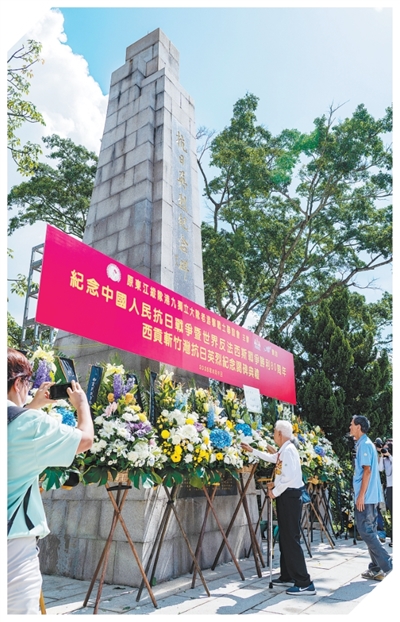
回望港澳抗战烽火岁月:铭记历史 开创未来
Ren Min Ri Bao· 2025-08-24 07:39
Group 1 - The core theme of the articles revolves around the commemoration of the 80th anniversary of the victory in the Chinese People's Anti-Japanese War and the World Anti-Fascist War, highlighting the patriotic fervor of Hong Kong and Macau residents during the war [1][12]. - Various commemorative activities, including exhibitions, lectures, and memorial ceremonies, have been organized in Hong Kong and Macau to educate the public, especially the youth, about the historical significance of the Anti-Japanese War [3][12][14]. - The Hong Kong Anti-War and Coastal Defense Museum has seen significant visitor engagement, with over 160,000 visitors by July 2023, indicating a strong public interest in learning about the region's wartime history [4][8]. Group 2 - The "Fires of Loyalty: Portraits of Macau's Anti-Japanese Heroes" exhibition showcases the contributions of Macau residents during the war, emphasizing their active involvement despite the Portuguese government's declared neutrality [12][13]. - The Macau government is organizing a series of activities aimed at enhancing historical awareness and fostering a sense of national pride among residents, particularly the younger generation [14]. - Educational initiatives in schools are being implemented to ensure that students understand the sacrifices made during the war, thereby strengthening their national identity and sense of belonging [14].
回望港澳抗战烽火岁月 铭记历史 开创未来
Ren Min Ri Bao· 2025-08-24 07:18
Core Viewpoint - The articles highlight the patriotic fervor and historical significance of the contributions made by Hong Kong and Macau residents during the Anti-Japanese War, emphasizing the importance of remembering and honoring these sacrifices to foster national identity and pride among the younger generation [1][2][8]. Group 1: Historical Commemoration - Various activities commemorating the 80th anniversary of the victory in the Anti-Japanese War have been organized in Hong Kong, including seminars, exhibitions, and creative competitions, which have successfully engaged the community and revived historical awareness [2][10]. - The Hong Kong Anti-Japanese War and Coastal Defense Museum has received over 160,000 visitors since its renovation, indicating a strong public interest in learning about the region's wartime history [3][10]. - The Hong Kong government is actively promoting patriotic education through various initiatives, aiming to strengthen the youth's sense of belonging to the nation [10][12]. Group 2: Community Involvement - The "Fires of Loyalty: Portraits of Macau's Anti-Japanese Heroes" exhibition showcases the stories of Macau residents who participated in the war, highlighting their unwavering commitment to the national cause despite the colonial government's claims of neutrality [11][12]. - Community organizations in Macau played a crucial role in supporting the war effort through fundraising and providing aid to refugees, demonstrating a collective spirit of resistance [12][13]. - Educational programs in Macau are being implemented to teach students about the Anti-Japanese War, fostering a sense of national identity and pride among the youth [13][14]. Group 3: Personal Reflections - Personal testimonies from students and educators reflect a deep appreciation for the sacrifices made by past generations, emphasizing the importance of carrying forward the spirit of patriotism and resilience [14][15]. - The emotional impact of historical narratives is evident, as individuals express a commitment to honor the legacy of their ancestors through active participation in community and educational initiatives [14][15].
中国驻巴西使馆领区侨界举行纪念中国人民抗日战争暨世界反法西斯战争胜利80周年座谈会
人民网-国际频道 原创稿· 2025-08-24 03:42
Group 1 - The event commemorated the 80th anniversary of the victory in the Chinese People's War of Resistance against Japanese Aggression and the World Anti-Fascist War, attended by over 110 representatives from the Chinese community, Chinese-funded institutions, Confucius Institutes, and local friends [1] - The Chinese Embassy emphasized the role of the Communist Party of China as a steadfast promoter of patriotism and a core leader in the struggle for national independence and people's liberation [1] - Representatives expressed their commitment to remembering the role of the Communist Party and continuing to support the spirit of resistance, national unity, and cooperation between China and Brazil [1] Group 2 - The event included a collective viewing of the anti-war themed film "The Hundred Regiments Offensive" by the attendees [1]
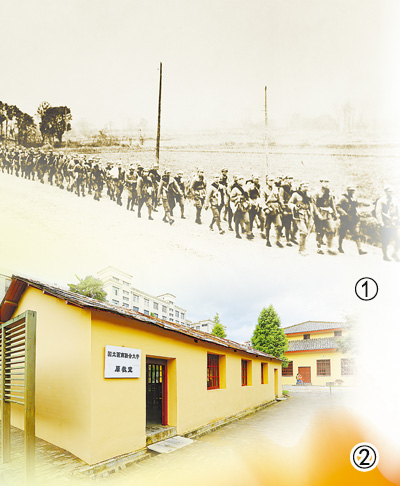
重温抗战校史 厚植家国情怀
Ren Min Ri Bao· 2025-08-24 01:38
Core Viewpoint - The article highlights the resilience and contributions of Chinese universities during the Anti-Japanese War, emphasizing their role in education, cultural preservation, and local development despite challenging circumstances [1]. Group 1: Historical Context - The article discusses the forced relocation of universities such as Peking University, Tsinghua University, and Nankai University to the southwest during the war, leading to the establishment of temporary institutions like Changsha Temporary University and later Southwest United University [10][11]. - It mentions the hardships faced by students and faculty during their migrations, including a 68-day journey from Changsha to Kunming [10]. Group 2: Educational Contributions - The article details how these universities not only provided education but also fostered a spirit of patriotism and responsibility among students, with references to historical figures like physicist Yang Zhenning who recalled the rigorous academic environment despite limited resources [11][14]. - It highlights the ongoing academic initiatives inspired by the legacy of these institutions, such as lectures on cutting-edge technologies relevant to national development [15]. Group 3: Community Engagement - The article describes various outreach activities by universities, including internships and community service projects that echo the spirit of the past, where students apply their knowledge to benefit local communities [16][24]. - It emphasizes the long-term partnerships formed between universities and local areas, such as Zhejiang University’s collaboration with tea producers in Meitan, which has roots in historical ties established during the war [25][26]. Group 4: Legacy and Memory - The article notes the publication of oral histories documenting the experiences of those who attended these universities during the war, aiming to preserve the collective memory of their struggles and contributions [17][18]. - It underscores the importance of continuing the educational and cultural missions of these institutions, as seen in the activities of the China People's University and its engagement with local schools [20][21].
省领导走访慰问抗战老战士老同志
He Nan Ri Bao· 2025-08-23 23:13
Core Points - This year marks the 80th anniversary of the victory in the Chinese People's War of Resistance Against Japanese Aggression and the World Anti-Fascist War, with various provincial leaders visiting and honoring veterans [1] Group 1: Commemorative Activities - Provincial leaders have been visiting and expressing gratitude to veterans, presenting them with the "80th Anniversary of the Victory in the Chinese People's War of Resistance Against Japanese Aggression" commemorative medal [2][3][4][5] - The visits include inquiries about the veterans' health and living conditions, emphasizing the importance of providing care and support to these individuals [2][4][5] Group 2: Emphasis on Legacy and Support - Leaders highlighted the significance of veterans as valuable assets to the party and the nation, urging departments to implement policies that ensure their well-being and comfort in their later years [2][3][5] - There is a strong call to promote and pass on the heroic stories and spirit of the veterans, aiming to inspire future generations and contribute to the modernization efforts in the region [3][4][5]
铭记历史 开创未来
Ren Min Ri Bao· 2025-08-23 22:42
Group 1 - The article commemorates the 80th anniversary of the victory in the Chinese People's Anti-Japanese War and the World Anti-Fascist War, highlighting the patriotic fervor of Hong Kong and Macau residents during the war [6][12][16] - Various activities, including seminars, exhibitions, and competitions, have been organized throughout Hong Kong to honor the heroes of the Anti-Japanese War and educate the younger generation about this significant historical period [6][12][19] - The Hong Kong Anti-Japanese War and Coastal Defense Museum has seen over 160,000 visitors by the end of July 2024, indicating a strong public interest in learning about the region's wartime history [7][19] Group 2 - The article emphasizes the importance of remembering history to foster national pride and identity among the youth, with educational initiatives aimed at enhancing understanding of the Anti-Japanese War [8][15][19] - The Macau government is actively organizing commemorative events to instill a sense of patriotism and national pride among its residents, particularly the younger generation [16][19] - The exhibitions in Macau showcase the contributions of local heroes during the war, reinforcing the message that Macau residents were not neutral but actively participated in the national struggle against Japanese aggression [17][18]
重温抗战校史 厚植家国情怀(深聚焦)
Ren Min Ri Bao· 2025-08-23 22:30
Core Viewpoint - The article highlights the resilience and contributions of Chinese universities during the Anti-Japanese War, showcasing their efforts in education and community service despite challenging conditions [11][12][28]. Group 1: Historical Context - The article discusses the forced relocation of several universities, including Peking University, Tsinghua University, and Nankai University, to the southwest during the war, forming the Southwest United University [12][16]. - It emphasizes the significant role these institutions played in cultivating talent and supporting local economies during the war [11][12]. Group 2: Educational Initiatives - The article describes various educational activities and programs initiated by universities, such as the "Seeking Dreams at Southwest United University" physics camp, which aims to inspire students with a sense of historical responsibility [13][14]. - It mentions the collaboration between universities and local schools to promote educational exchanges and community engagement [20][21]. Group 3: Community Engagement - The article highlights the ongoing partnerships between universities and local communities, such as Zhejiang University’s involvement in tea industry development in Meitan, Guizhou, which stems from historical ties established during the war [25][26]. - It also details the establishment of hospitals and medical services by universities like Sun Yat-sen University in Yunnan, contributing to local public health [28][29]. Group 4: Cultural Legacy - The article reflects on the cultural and historical significance of these universities, emphasizing their role in fostering patriotism and resilience among students and faculty during difficult times [17][18]. - It notes the importance of preserving the memories and stories of those who experienced the hardships of the war, as seen in the oral history projects undertaken by universities [16].
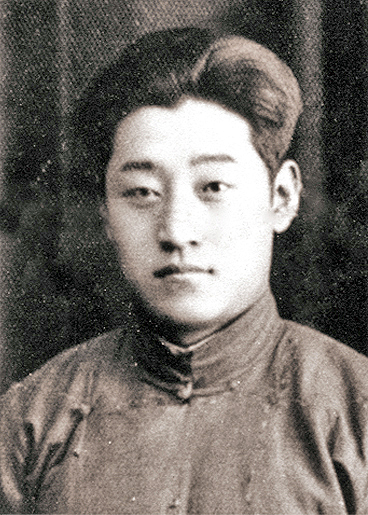
铭记历史 缅怀先烈丨白乙化:投笔从戎 战死杀敌场的抗日英雄
Xin Hua Wang· 2025-08-23 22:29
Core Viewpoint - The article highlights the life and legacy of Bai Yihua, a heroic figure in the anti-Japanese war, emphasizing his commitment to fighting for his country and the impact of his actions on future generations [3][5]. Group 1: Early Life and Commitment - Bai Yihua, born on June 11, 1911, in a rural family in Liaoning Province, interrupted his studies at the Northeast Army Military Academy in 1929 to seek the truth about saving the nation [3]. - He joined the Chinese Communist Party in 1930 and returned to his hometown to organize volunteer troops for the anti-Japanese war after the September 18 Incident, famously stating, "I will first go to kill the enemy, then seek education" [3][4]. Group 2: Military Achievements - In 1939, Bai Yihua became the commander of the North China People's Anti-Japanese Army and later led his troops as they were incorporated into the Eighth Route Army, achieving significant victories against Japanese forces [4]. - He successfully opened up anti-Japanese bases in the Fengning, Liu, and Miyun areas through over 100 battles, earning the trust and admiration of local citizens who referred to him as "Little White Dragon" [4]. Group 3: Sacrifice and Legacy - Bai Yihua was tragically killed by an enemy bullet during a battle on February 4, 1941, at the age of 29, after leading his troops to victory [5]. - His legacy continues to be honored, with his former residence becoming a site for remembrance and education about his contributions to the anti-Japanese war, and a film based on his life story was released in 2023 [5].