以工代赈

Search documents
直通部委|美容院等非医疗机构不得开展干细胞治疗 公安部修改警车管理规定
Xin Lang Cai Jing· 2025-12-05 10:39
Group 1: Stem Cell and Gene Therapy - The National Health Commission emphasizes the increasing public attention on stem cell and gene therapy, with some related drugs approved for market use in China [1] - There are concerns about fraudulent practices by unqualified individuals or institutions claiming to offer effective treatments for various conditions using stem cells [1] - The National Health Commission warns that only qualified medical institutions should conduct stem cell and gene therapy, and non-medical entities are prohibited from such activities [1] Group 2: Air Pollution from Mobile Sources - The Ministry of Ecology and Environment reports that mobile sources have become a significant contributor to air pollution, with total emissions of 18.582 million tons in 2024 [2] - Specific emissions include 6.828 million tons of carbon monoxide, 196,000 tons of sulfur dioxide, 2.274 million tons of hydrocarbons, 9.019 million tons of nitrogen oxides, and 265,000 tons of particulate matter [2] - The Ministry plans to enhance efforts in pollution control, particularly targeting diesel vehicle emissions to improve air quality [2] Group 3: AI Integration in Civil Aviation - The Civil Aviation Administration outlines plans for the integration of artificial intelligence in civil aviation, aiming for significant advancements by 2027 and full integration by 2030 [3] - The initiative focuses on enhancing safety, operations, logistics, and regulatory frameworks within the aviation sector through AI [3] - The development is expected to create a robust governance and safety assurance system for AI applications in civil aviation [3] Group 4: Central Investment for Employment - The National Development and Reform Commission announces a total of 35.5 billion yuan in central investment for labor-based projects in 2025, aimed at creating over 1.1 million jobs for low-income individuals [4] - The projects will prioritize areas with high demand for labor, particularly focusing on poverty alleviation and skills training [4] - The labor compensation from these projects is expected to account for over 40% of the central investment [4] Group 5: Support for Workers During Holidays - The All-China Federation of Trade Unions initiates a "Warmth Action" for the New Year and Spring Festival, targeting support for workers facing difficulties [5] - The initiative includes assistance for various groups, including those affected by unemployment, low income, and health issues [5] - Special attention is given to new employment forms and frontline workers in critical sectors during the holiday season [5] Group 6: Police Vehicle Management Regulations - The Ministry of Public Security modifies regulations regarding police vehicle management, effective December 29, 2025, to enhance operational efficiency [6] - The new rules stipulate that police vehicles must be driven by qualified personnel and outline specific dress codes for drivers [6] Group 7: Cruise Transportation Development - The Ministry of Transport and the Ministry of Culture and Tourism promote measures to enhance cruise transportation, allowing foreign-flagged vessels to temporarily engage in domestic coastal transport [7] - The initiative encourages the development of new cruise routes and aims to streamline administrative processes for cruise operations [7] - Policies will be adjusted to facilitate the use of shore power for visiting cruise ships, with a deadline set for 2029 [7]
新华财经晚报:国家发展改革委全年下达以工代赈中央投资355亿元
Zhong Guo Jin Rong Xin Xi Wang· 2025-12-05 10:36
Key Points - The National Development and Reform Commission has allocated a total of 35.5 billion yuan for the year, aiming to create over 1.1 million job opportunities for low-income individuals through labor-based assistance programs [2] - The People's Bank of China and the Monetary Authority of Macao have signed a bilateral currency swap agreement, increasing the swap scale from 30 billion yuan to 50 billion yuan to enhance financial stability and support bilateral trade [3] - The National Financial Regulatory Administration has announced a reduction in risk factors for various insurance company operations, including a decrease in risk factors for long-term stock holdings and export credit insurance [3] - The Ministry of Industry and Information Technology has initiated the establishment of a Quantum Information Standardization Technical Committee to enhance standardization in the quantum information sector [2] - The Wuhan Municipal Government has released a three-year action plan aiming for a retail sales total exceeding 1.07 trillion yuan by 2027, with significant growth targets in tourism and service sectors [5] - The Civil Aviation Administration of China has extended the free cancellation and modification policy for flights on Japan routes until March 28, 2026 [5]


服务消费提振下,明年社零增速有望达到4.5%|宏观晚6点
Sou Hu Cai Jing· 2025-12-05 10:08
Group 1 - The National Development and Reform Commission (NDRC) has allocated 6 billion yuan for the fourth batch of the "Work for Relief" central budget investment in 2025, bringing the total central investment for the year to 35.5 billion yuan [1] - This initiative is expected to create job opportunities for over 1.1 million low-income individuals, with a broader goal of facilitating employment for more than 4 million low-income workers through similar projects [1] Group 2 - The China Logistics and Purchasing Federation reported that the China Commodity Price Index has risen for seven consecutive months, with November's index reaching 114.1 points, reflecting a month-on-month increase of 0.8% and a year-on-year increase of 1.6% [2] - Among the 50 monitored commodities, 25 saw price increases in November, with lithium carbonate, coke, and corrugated paper experiencing the highest price rises of 15%, 7.2%, and 7.1% respectively [2]
中国国家发改委全年下达以工代赈中央投资355亿元
Zhong Guo Xin Wen Wang· 2025-12-05 08:14
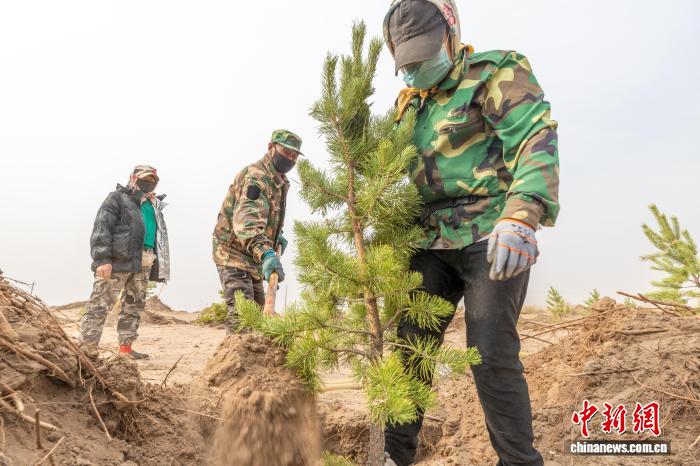
国家发改委称,下一步将督促指导地方推动已下达投资的以工代赈项目开工建设,抓实抓牢重点群体务 工组织和劳务报酬发放等关键环节,同步做好项目常态化滚动式储备,推动以工代赈切实发挥稳就业、 促增收的逆周期调节作用。(完) 来源:中国新闻网 编辑:王永乐 广告等商务合作,请点击这里 中国国家发改委全年下达以工代赈中央投资355亿元 中新社北京12月5日电 (记者 王恩博)据中国国家发改委5日消息,近日该部门下达2025年第四批以工代 赈中央预算内投资60亿元(人民币,下同),全年中央投资规模达到355亿元,预计吸纳超过110万名低收 入民众就近务工。国家发改委同步指导地方在其他领域重点工程项目中推广以工代赈方式,今年将带动 超400万名低收入民众就近务工。 以工代赈是指政府投资建设基础设施工程,受赈济者参加工程建设获得劳务报酬,以此取代直接救济的 一种扶持政策。 据介绍,地方在实施以工代赈项目过程中,围绕劳务用工量大的农业农村和城乡融合发展领域,推动实 施一批村道巷道硬化、生产道路改造、排灌沟渠疏浚、山坪塘和蓄水池建设等中小型基础设施建设,实 现民众务工增收、基础设施改善和拉动投资增长等多重政策目标。 2025年,以 ...
国家发改委全年下达以工代赈中央投资355亿元
Jing Ji Guan Cha Wang· 2025-12-05 03:18
经济观察网据国家发改委消息,近日,国家发展改革委下达2025年第四批以工代赈中央预算内投资60亿 元,全年中央投资规模达到355亿元,预计吸纳超过110万名低收入群众就近务工,同步指导地方在其他 领域重点工程项目中推广以工代赈方式,今年将带动超过400万名低收入群众就近务工。下一步,国家 发展改革委将立足当前就业形势,积极主动作为,督促指导地方推动已下达投资的以工代赈项目开工建 设,抓实抓牢重点群体务工组织和劳务报酬发放等关键环节,同步做好项目常态化滚动式储备,推动以 工代赈切实发挥稳就业、促增收的逆周期调节作用。 ...
脱贫人口如何稳定增收——来自云南省昭通市的调查
Jing Ji Ri Bao· 2025-11-30 22:38
Core Viewpoint - The article discusses how Zhaotong City in Yunnan Province is working to consolidate poverty alleviation achievements and promote rural revitalization, focusing on increasing the income of its large population of former poverty-stricken residents. Group 1: Poverty Alleviation and Income Growth - Zhaotong City has 1.8507 million former poverty-stricken residents, the highest among all prefecture-level cities in China, and has maintained stable support policies during the transition period to prevent large-scale poverty return [1] - The average annual growth rate of per capita disposable income for rural residents in Zhaotong City is approximately 8.5%, which is higher than the national and provincial averages [1] - The city has ranked first in poverty alleviation achievement assessments in Yunnan Province for four consecutive years [1] Group 2: Agricultural Development - Zhaotong City emphasizes highland characteristic agriculture as the foundation for development and a source of wealth, particularly focusing on apple cultivation [2] - The city has developed nearly 1 million acres of apple planting area, becoming the largest quality apple base in southern China, with a projected apple production of 1.3 million tons and a comprehensive output value of 15 billion yuan in 2024 [3] - The city has also developed the Tianma industry, with 115,700 acres of cultivation and a comprehensive output value of 9.391 billion yuan expected by the end of 2024 [3] Group 3: Financial Support for Agriculture - Zhaoyang Rural Commercial Bank provides financial services to support agricultural development through various loan products aimed at enhancing the income of farmers engaged in specialty crops [4][5] - The bank has increased its loan support for agricultural cooperatives, enabling them to expand operations and improve income for local farmers [5] Group 4: Employment Stability - Zhaotong City has 2.6 million laborers who have migrated for work, with over 1.31 million employed outside the province, emphasizing the importance of stable employment for income growth [6] - The city has established a comprehensive service system for labor output, entrepreneurship, and local employment, ensuring organized labor transfer and job security [6] - Local initiatives have successfully attracted returning workers to create job opportunities in the region, with significant employment generated in textile and bamboo processing industries [7][8] Group 5: Post-Migration Support - Zhaotong City has implemented a comprehensive support system for relocated populations, focusing on community governance, industry cultivation, and employment assistance [10] - The city has developed a classification management mechanism to monitor and support vulnerable groups among the relocated population, ensuring their access to essential services [11] - Employment opportunities have been created through local projects, with significant participation from relocated laborers, enhancing their income stability [12][13]
(乡村行·看振兴)内蒙古东部边疆地区描摹幸福底色
Zhong Guo Xin Wen Wang· 2025-11-13 10:57
Group 1 - The article highlights the successful transformation of barren land into productive areas in Inner Mongolia's Xiang'an League through various initiatives, including labor-based compensation and ecological restoration projects [2][4]. - The "Xiang'an League model" employs methods such as "work for relief" to engage local farmers in sand control efforts, resulting in increased income and job opportunities [2][4]. - In 2023, the economic forestry projects created 1,978 job positions, with an average income increase of over 2,000 yuan per person [2]. Group 2 - The article discusses the establishment of community engagement platforms like "bench meetings" to enhance grassroots governance and problem-solving in local communities [6]. - These platforms have been implemented in 851 villages, facilitating 1,716 discussions and resolving 1,319 issues, thereby increasing community participation in decision-making [6]. - The healthcare system in the region has improved significantly, with the introduction of a medical community model that reduces patient burdens and enhances access to healthcare services [8]. Group 3 - The article emphasizes the integration of medical, insurance, and pharmaceutical services, benefiting 315,000 residents in the region [8]. - By 2025, the total medical insurance fund for county-level medical communities is projected to reach 8.97 billion yuan for employee insurance and 9.57 billion yuan for resident insurance [8]. - Educational collaborations have been established with 160 local schools and 98 prestigious institutions from Beijing, enhancing educational opportunities for local students [8].
【省农业农村厅】前9月陕西通过东西部协作机制带动超84万农村劳动力就业
Shan Xi Ri Bao· 2025-11-12 00:04
Core Insights - The province of Shaanxi has successfully utilized East-West cooperation mechanisms to procure and assist in the sale of agricultural products worth 98.78 billion yuan, creating employment for 847,000 rural laborers in the first nine months of the year [1] Group 1: Employment and Labor Initiatives - Shaanxi has focused on leveraging East-West cooperation and targeted assistance to enhance agricultural product sales and labor brand development, conducting various forms of engagement activities [1] - The province has implemented cross-regional labor cooperation with Jiangsu, establishing 25 regional characteristic labor brands [1] - The "Work for Relief" projects have been allocated over 1.4 billion yuan in special funds, reaching a historical high, and have generated employment for 24,400 individuals in the first three quarters [1] Group 2: Support for Vulnerable Populations - To ensure stable employment for the poverty alleviation population, Shaanxi has introduced ten measures to support returning talents and employment for key groups, including graduates from poverty-stricken families [1] - As of the end of October, the scale of employment for the poverty alleviation population in Shaanxi reached 2.2064 million [1] Group 3: Agricultural Development - Shaanxi has initiated actions to enhance new agricultural business entities, supporting 291 cooperatives and 376 family farms to improve production conditions [1] - The province encourages farmers to share more value-added benefits through agricultural orders, equity dividends, and managed leasing [1]
前9月我国完成新改建农村公路7.5万公里
Ren Min Ri Bao· 2025-10-28 07:04
Core Insights - The Ministry of Transport reported significant progress in rural road construction and maintenance in China during the first nine months of 2023, with a total fixed asset investment of 275.34 billion yuan [1] - The completion of new and renovated rural roads reached 75,000 kilometers, achieving 75.4% of the annual target [1] - Safety measures and maintenance activities have been prioritized, with 148,000 kilometers of rural road maintenance projects implemented [1] Investment and Construction - A total of 275.34 billion yuan was invested in rural road fixed assets from January to September [1] - 75,000 kilometers of new and renovated rural roads were completed, meeting 75.4% of the annual target [1] Maintenance and Safety - 148,000 kilometers of rural road maintenance projects were carried out, including 34,000 kilometers of preventive maintenance and 79,000 kilometers of repair maintenance [1] - 47,000 kilometers of rural road safety life protection projects were completed, achieving 93.5% of the annual goal [1] - 3,238 dangerous bridges were renovated, exceeding the annual target by 7.9% [1] Employment and Economic Impact - 1,180 rural road projects were implemented under the "work-for-relief" program, with an investment of 4.24 billion yuan [1] - A total of 32,000 rural laborers were employed, including 8,804 individuals from poverty-stricken households [1] Public Engagement - The "Road at My Doorstep" theme campaign has been ongoing for six years, promoting the achievements of rural road construction and enhancing public awareness of the "Four Good Rural Roads" initiative [1]
四中全会定调扩内需:要大力提振消费,扩大有效投资
Sou Hu Cai Jing· 2025-10-23 11:55
Core Points - The Fourth Plenary Session of the 20th Central Committee of the Communist Party of China emphasized the importance of boosting consumption and expanding effective investment to enhance the domestic market [1] - The focus on expanding domestic demand, particularly consumer demand, is expected to be a priority during the upcoming "15th Five-Year Plan" period [1][3] - Analysts suggest that increasing the contribution of consumption to GDP is crucial for maintaining economic growth amid external uncertainties [3] Group 1: Economic Policies - The government aims to optimize fiscal spending to raise public consumption rates to the global average, thereby stimulating private sector consumption [3] - Recommendations include implementing policies for replacing old consumer goods and increasing the scale of special government bonds to support these initiatives [3] - Monetary policy suggestions involve potential interest rate cuts and structural monetary tools to support service consumption and improve consumption infrastructure [3] Group 2: Investment Strategies - Investment in human capital, such as education and healthcare, is seen as a key method to enhance consumer spending and improve living standards [4] - Specific policy directions include reducing medical expenses related to childbirth and providing economic support to families [4] - The report highlights the importance of skill training and job creation initiatives to drive employment and consumption [4] Group 3: Infrastructure and Industry - Recommendations for expanding effective investment include increasing government investment, enhancing industry guidance, and optimizing the environment for foreign investment [5] - The integration of "new infrastructure" with traditional infrastructure is suggested to support high-quality projects like 5G and smart cities [5] - There is a call to attract private capital into infrastructure projects and to establish specialized industry funds for key sectors such as semiconductors and renewable energy [5]