
公平竞争审查

Search documents
“十四五”时期湖南经营主体年均增速达12.92% 市场活力充沛
Zhong Guo Xin Wen Wang· 2025-12-04 10:58
Group 1 - The core viewpoint of the article highlights that during the "14th Five-Year Plan" period, Hunan has implemented various measures to enhance the quality of business entities, resulting in an average annual growth rate of 12.92%, with the number of business entities expected to exceed 8 million by the end of this year [1][3]. Group 2 - Hunan has deepened the "streamline administration and delegate power" reform, which has significantly boosted market vitality. The province has implemented 14 pilot reforms, including the notification and commitment system and the business cessation system, leading to a reduction in the time required for business registration and cancellation by 13 and 33 working days, respectively [3][4]. - The province has strengthened competition policies and established a basic framework for fair competition, including the introduction of the "Fair Competition Review Guidelines" and the enforcement of anti-monopoly and anti-unfair competition laws. A total of 1,619 cases of unfair competition were investigated, and 134,300 market violation cases were handled [3][4]. - Hunan has implemented a comprehensive intellectual property strategy, enhancing the protection and utilization of innovation outcomes. The province has established 19 national-level intellectual property public service institutions and 59 provincial-level comprehensive service centers, significantly improving the level of intellectual property services [4]. - The province has maintained a strong focus on market safety and public welfare, achieving a food and agricultural product inspection rate of 5.5 batches per 1,000 people, exceeding the target of 4 batches. The drug inspection pass rate reached 98.2%, with 100% coverage and pass rates for key monitored products [4][5].

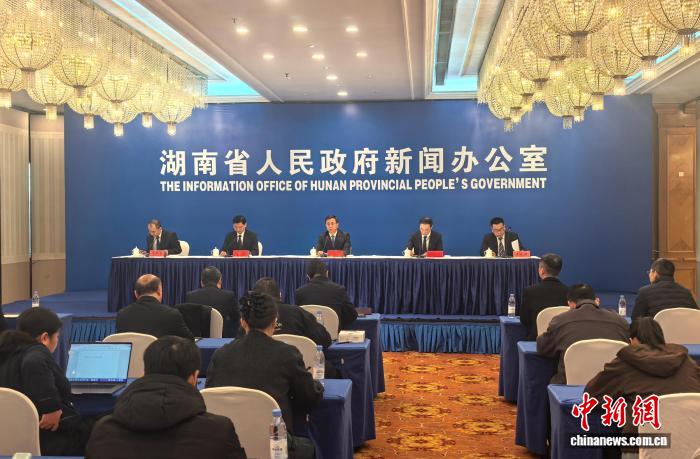
非凡“十四五”之市场监管②丨5年来全省查办各类市场违法案件13.43万件
Sou Hu Cai Jing· 2025-12-04 06:41
Core Viewpoint - The Hunan provincial market regulatory authority has made significant progress in maintaining market order and promoting fair competition during the "14th Five-Year Plan" period, with a focus on addressing illegal activities that disrupt market order and harm public interests [2][4]. Group 1: Market Regulation Achievements - A total of 13.43 million market violation cases have been investigated and handled by the provincial market regulatory department over the past five years [2][4]. - The province has implemented strict measures for fair competition review, incorporating it into the decision-making processes of various government levels and departments [2][4]. - The introduction of the "Incremental Policy Measures Fair Competition Review Guidelines" marks Hunan as the first province in the country to establish such guidelines [2][4]. Group 2: Antitrust and Unfair Competition Enforcement - The regulatory authority has focused on key sectors and public welfare, resulting in the investigation of 27 antitrust cases and 1,619 cases of unfair competition, including commercial confusion, false advertising, and infringement of trade secrets [2][4]. - The cumulative cleaning of documents that hinder a unified market and fair competition has reached 32,400 [2][4].

“全国统一大市场建设纵深推进”如何赋能经济发展新格局
Yang Guang Wang· 2025-11-30 08:11
Core Viewpoint - The construction of a national unified market is essential for establishing a new development pattern, promoting high-quality development, and gaining an advantage in international competition [1] Group 1: National Unified Market Construction - The "Suggestions" from the 20th Central Committee emphasize the need to eliminate barriers to the construction of a national unified market, proposing a dual approach of "breaking and establishing" [2] - The construction of a national unified market is not merely a market merger but a systemic reform aimed at optimizing income distribution, improving supply quality, and strengthening social security [5] - The national unified market aims to integrate fragmented local markets into a broader economic ecosystem, allowing resources and products to flow freely to where they are most needed [4] Group 2: Market Potential and Consumer Demand - China has a population of over 1.4 billion, with a middle-income group exceeding 400 million, indicating significant market potential that has yet to be fully realized due to insufficient competition and inefficiencies [3] - The future middle-income group is projected to exceed 800 million, creating diverse consumption demands that will drive industrial upgrades and economic growth [3] Group 3: Policy and Regulatory Framework - The implementation of the "Fair Competition Review Regulations" in August 2024 marks a significant step in establishing a legal foundation for promoting fair competition and building a national unified market [6] - The National Development and Reform Commission has reduced the market access negative list from 151 to 106 items, indicating progress in removing obstacles to a unified market [5] Group 4: Logistics and Infrastructure - The comprehensive transportation network in China has been largely completed, with over 260,000 kilometers of routes connecting more than 80% of counties, facilitating smoother logistics and supporting the unified market [5] - The ratio of social logistics costs to GDP has decreased to 14.0% in the first three quarters of this year, reflecting ongoing efforts to lower logistics costs [6] Group 5: Future Outlook - The construction of a national unified market is expected to enhance China's ability to respond to external risks and challenges, leveraging digital technologies to break down barriers [7] - The "Fifteen Five" period will see the continued deepening of the national unified market construction, providing a solid foundation for resource aggregation, innovation stimulation, and industrial upgrading [8]
关键词读懂“十五五”|“全国统一大市场建设纵深推进”如何赋能经济发展新格局
Yang Guang Wang· 2025-11-30 07:53
Core Viewpoint - The construction of a national unified market is essential for establishing a new development pattern, promoting high-quality development, and gaining an advantage in international competition [1] Group 1: National Unified Market Construction - The "Suggestions" from the 20th Central Committee emphasize the need to eliminate barriers to the construction of a national unified market, proposing a "break and establish" approach to unify market rules and regulations [2][3] - The unified market aims to enhance the unity, openness, competitiveness, and orderliness of the market system, thereby unleashing the potential of China's super-large market [3][4] - The construction of a unified market is described as a systematic reform rather than a simple market merger, focusing on optimizing income distribution and improving supply quality [5] Group 2: Economic and Market Potential - China has a population of over 1.4 billion, with a middle-income group exceeding 400 million, indicating significant market potential that remains underutilized due to insufficient competition and inefficiencies [3] - The future middle-income group is projected to exceed 800 million, creating diverse consumption demands that will drive industrial upgrades and economic growth [3][5] Group 3: Logistics and Cost Reduction - The ratio of social logistics costs to GDP in China was 14.0% in the first three quarters of this year, showing a decrease of 0.1 percentage points compared to the previous year, indicating progress in reducing logistics costs [6] - A comprehensive transportation network has been established, with over 260,000 kilometers of routes completed, connecting more than 80% of counties and serving 90% of the economy and population [5] Group 4: Policy and Regulatory Framework - The implementation of the "Fair Competition Review Regulations" in August 2024 marks a significant step in establishing a legal foundation for promoting fair competition and building a national unified market [6][8] - The National Development and Reform Commission has released multiple versions of the negative list for market access, reducing the number of items from 151 to 106, which reflects ongoing efforts to eliminate barriers to a unified market [5][6] Group 5: Future Outlook - The construction of a national unified market is expected to enhance China's ability to respond to external risks and challenges, leveraging digital technologies to break down barriers [7][8] - The "Fifteen Five" period is anticipated to see significant advancements in resource aggregation, innovation incentives, and industrial upgrades, providing a stronger foundation for economic growth [8]
市场监管总局:将进一步加强重点领域反垄断执法
Yang Shi Wang· 2025-11-27 10:31
Core Viewpoint - The State Administration for Market Regulation (SAMR) is enhancing its efforts to promote fair competition and optimize the business environment in China, particularly focusing on anti-monopoly enforcement and regulatory measures for foreign enterprises [1] Group 1: Regulatory Actions - SAMR is strengthening anti-monopoly enforcement in key sectors to ensure fair competition [1] - The agency is deepening institutional openness in the competition field to create a more favorable business environment [1] - There will be an emphasis on fair competition reviews and assessments of business concentrations to eliminate barriers to a unified national market [1] Group 2: Engagement with Foreign Enterprises - SAMR held a meeting with multiple foreign enterprises to gather opinions and suggestions on promoting fair competition [1] - The discussions aimed to understand the challenges faced by foreign businesses and to enhance their operational environment in China [1] Group 3: Policy Implementation - The actions taken by SAMR are in line with the spirit of the 20th National Congress of the Communist Party of China, focusing on marketization, rule of law, and internationalization [1] - The goal is to fully stimulate the development vitality of various business entities through improved regulatory frameworks [1]
告别“内卷式”竞争,提升数字经济监管效能丨法经兵言
Di Yi Cai Jing· 2025-11-18 12:45
Core Insights - The article emphasizes the need for a comprehensive enhancement of regulatory concepts, systems, capabilities, and tools to adapt to the evolving market competition landscape, particularly focusing on antitrust and unfair competition regulations [1] Regulatory Developments - Significant progress has been made in antitrust and unfair competition efforts under the leadership of the central government, including a major revision of the Antitrust Law and continuous improvement of supporting regulations, enhancing the scientificity, transparency, and predictability of the regulatory framework [2] - The enforcement of regulations has intensified, with notable cases in key sectors such as pharmaceuticals and platform economies, effectively deterring illegal practices like false advertising and exclusive agreements [2] - The regulatory enforcement system has been optimized, with clearer division of responsibilities between central and local authorities, leading to improved consistency and authority in enforcement [2] Challenges in Regulatory Framework - The rise of digital technologies and innovative business models poses challenges to traditional regulatory tools, as monopolistic behaviors become more sophisticated and harder to detect [3] - The complexity of digital platforms blurs competitive boundaries, making market definitions and assessments of competitive harm more complicated [3] Issues Affecting Regulatory Effectiveness - "Involution" competition in certain sectors has deteriorated the fairness of the market, with companies resorting to excessive subsidies and unfair practices, complicating regulatory oversight [4] - Regulatory capacity struggles to meet the demands of monitoring complex and technologically advanced monopolistic behaviors, with a shortage of skilled professionals in local regulatory bodies [5] - Insufficient policy coordination undermines the effectiveness of antitrust laws, as local interests may conflict with national market unity goals [6] Recommendations for Improvement - Enhancing regulatory enforcement capabilities through professional training and the introduction of advanced technologies like big data and AI to create intelligent regulatory platforms [7] - Establishing a coordinated mechanism among various departments to improve communication and collaboration in regulatory efforts [8] - Developing industry-specific compliance guidelines to address the unique challenges posed by emerging sectors such as e-commerce and digital finance [9] - Implementing a compliance incentive system for businesses to encourage proactive compliance management and reduce reliance on reactive enforcement [10]
黑龙江省坚持“破立并举” 持续优化市场环境
Zhong Guo Xin Wen Wang· 2025-11-07 17:50
Core Points - During the "14th Five-Year Plan" period, Heilongjiang Province has actively integrated into and served the national unified market construction, establishing policies and systems conducive to the competitive development of business entities, resulting in significant achievements [1][3] - The number of business entities in Heilongjiang Province increased by 28% compared to the end of the "13th Five-Year Plan," with enterprises growing by 34.9% [1] Group 1 - Heilongjiang Province has established a provincial-level anti-monopoly and anti-unfair competition committee, innovating the "three letters and two documents" system for fair competition review, correcting 168 policy measures that violated fair competition standards, and abolishing 1,702 local standards [3] - The province has handled 609 cases of monopoly and unfair competition, effectively breaking local protectionism and market segmentation, thereby continuously optimizing the market competition ecology [3] Group 2 - In terms of regional cooperation, Heilongjiang Province has actively promoted collaboration among the three northeastern provinces and one region in areas such as administrative law enforcement, enterprise credit, food safety, standard certification, and inspection and testing, establishing a linkage mechanism for "same standards in different places" [3] - The province initiated and jointly handled 224 cases and released 13 regional standards, while also deepening cooperation with Guangdong Province to help more advantageous agricultural and forestry products from Heilongjiang enter the Guangdong-Hong Kong-Macao Greater Bay Area market [3] Group 3 - Moving forward, Heilongjiang Province will continue to strengthen comprehensive governance of competitive order, further optimize the market environment, and focus on enhancing product quality to inject new momentum for high-quality development [3]
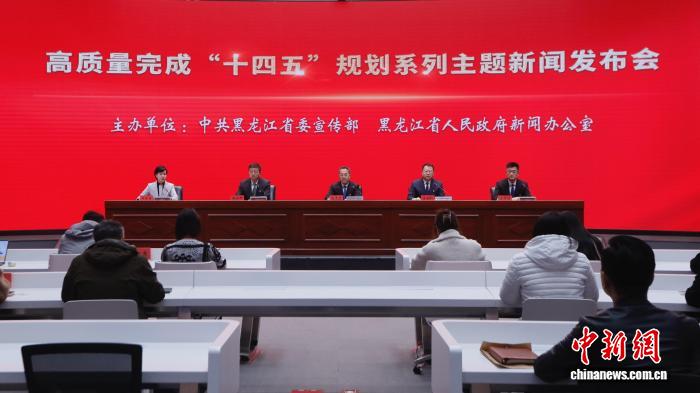
深化市场准入“异地同标” “十四五”以来川渝互办互发营业执照871户
Zhong Guo Xin Wen Wang· 2025-10-15 08:44
Core Points - The article discusses the progress made in the Chongqing and Sichuan regions regarding business license issuance and market access since the start of the 14th Five-Year Plan, highlighting the issuance of 871 business licenses through a streamlined process [1][2] Group 1: Market Access and Business Licenses - Chongqing has implemented "same standards for different locations" to facilitate cross-province business operations, allowing businesses and individuals to apply for licenses closer to home or online, reducing the need for travel [1] - A total of 871 business licenses have been mutually issued between Chongqing and Sichuan, indicating a significant improvement in administrative efficiency [1] Group 2: Regulatory and Competitive Environment - The Chongqing market supervision authority has identified and corrected 76 policies that hinder fair competition, ensuring that local governments do not act as both "players" and "referees" in the market [1] - Chongqing has established administrative penalty guidelines for 28 common violations, particularly in food safety and pricing, to ensure fair and appropriate penalties [1] Group 3: Business Environment Optimization - The "Yuyue Easy Business Office" service system has been created to streamline the entire lifecycle of business operations, achieving a 99.99% one-day completion rate for new business registrations and a 99.61% online processing rate [2] - The number of business entities in Chongqing has increased from 3 million to 3.83 million over the past five years, reflecting enhanced entrepreneurial activity [2] Group 4: Support for Individual Businesses - Chongqing has implemented targeted support for individual businesses, facilitating the transformation of 12,300 individual businesses into companies and providing 25 billion yuan in funding support through credit financing [2] - These initiatives aim to stabilize operations, expand scale, and promote development for individual businesses [2] Group 5: Quality and Standards Development - Over the past five years, Chongqing has advanced quality and standards initiatives, establishing 13 industrial measurement testing centers and 80 one-stop quality infrastructure service platforms [2] - The region has led or participated in the formulation of 23 international standards and 1,876 national and industry standards, promoting quality management and brand development [2]
塔城市组织召开公平竞争审查培训会
Zhong Guo Shi Pin Wang· 2025-09-28 13:24
Core Viewpoint - The training organized by the Tacheng Market Supervision Administration aims to enhance the capacity of policy-making agencies in fair competition review, addressing the challenges of unclear understanding and improper standards in grassroots review work [1] Group 1: Training Details - The training session involved 80 participants from 40 local units, focusing on the core principles of the Fair Competition Review Regulations [1] - Expert lecturers provided legal explanations and case analyses, clarifying the review scope, standards, and procedural norms [1] - The training effectively addressed ambiguities in review work, offering strong guidance for precise implementation [1] Group 2: Future Actions - Following the training, the Tacheng Market Supervision Administration plans to conduct spot checks on fair competition policy measures and engage third-party evaluations [1] - The initiative aims to deepen the implementation of the fair competition review system, fostering a fair and orderly market environment for high-quality economic development in Tacheng [1]
市场监督管理总局:持续健全新业态新模式常态化监管制度,着力提升穿透式监管能力
Zheng Quan Shi Bao Wang· 2025-09-22 11:31
Core Insights - The State Administration for Market Regulation of China has announced progress on the third round of inspections, focusing on enhancing regulatory capabilities for new business models and ensuring food safety [1] Regulatory Developments - Continuous improvement of regulatory systems for new business models is emphasized, aiming to enhance penetrating regulatory capabilities [1] - The implementation plan for the national standard system is being expedited [1] - Ongoing revisions to the Food Safety Law are prioritized to maintain food safety standards [1] Quality and Market Oversight - There is a strong focus on comprehensive product quality supervision throughout the entire lifecycle to protect public safety [1] - Efforts are being made to establish a unified national market and improve the legal framework for antitrust regulations [1] - The development of a fair competition review system is being refined [1] Capacity Building and Information Systems - A three-year action plan is being launched to enhance the capabilities of law enforcement personnel within the market regulation system [1] - Guidelines for strengthening the capabilities of market regulation office heads are being formulated [1] - Plans are in place to complete the market regulation information technology project and to integrate existing information systems for better regulatory efficiency [1]