养老服务消费补贴

Search documents
广西向中度及以上失能老年人发放养老服务消费补贴
Guang Xi Ri Bao· 2026-01-16 02:58
Group 1 - The core initiative involves the issuance of elderly care service consumption subsidies for seniors aged 60 and above with moderate to severe disabilities residing in Guangxi, effective from January 2023 for a period of 12 months until December 2026 [1] - The subsidy program is not restricted by household registration but requires that services be purchased within Guangxi, covering various types of elderly care services including home, community, and institutional care [1] - The subsidy will be distributed through the Ministry of Civil Affairs' "Civil Affairs Pass" platform in the form of electronic consumption vouchers, with a maximum monthly deduction of 800 yuan per person for eligible elderly individuals [1] Group 2 - Eligible seniors or their representatives can apply for the consumption subsidy through the "Civil Affairs Pass" platform, with assistance available from local organizations for those unable to apply online [2] - Upon successful application, the electronic consumption voucher will be issued within 5 working days, and subsequent vouchers will be automatically issued on the first day of each month [2] - The electronic vouchers are valid for one month, requiring usage within the same month they are issued, or they will expire the following month [2]
广西向中度以上失能老人发放养老服务消费补贴
Xin Lang Cai Jing· 2026-01-14 23:50
Core Viewpoint - The Guangxi government has issued a plan to provide elderly care service consumption subsidies for elderly individuals with moderate to severe disabilities, clarifying eligibility, application processes, and usage of the subsidies [1][2]. Group 1: Eligibility and Application Process - The subsidy is available to elderly individuals aged 60 and above who are assessed as having moderate to severe disabilities by a third-party evaluation agency [1][2]. - The application process is fully online, allowing applicants or their representatives to use the "Minzheng Tong" app or mini-programs on WeChat and Alipay to apply [1][2]. - Individuals who have not completed the ability assessment must first apply for it through the platform before they can claim the subsidy [2]. Group 2: Assessment and Fees - The assessment process combines self-evaluation and professional evaluation, with the option for applicants to choose from a list of authorized third-party evaluation agencies [3]. - The evaluation fee for those assessed as having moderate or severe disabilities can be partially covered by an evaluation coupon, with a maximum deduction of 100 yuan [3]. Group 3: Subsidy Usage - The subsidy can be used to purchase four types of elderly care services, including long-term care in institutions, short-term respite services, home and community care services, and day care services [4]. - Each eligible elderly individual can enjoy the subsidy for one type of service per month, and they only need to undergo the assessment once during the implementation period from January to December 2026 [4]. Group 4: Payment and Validity - There are no restrictions on payment methods; elderly individuals can use various online payment platforms or cash [7]. - The consumption vouchers are valid only for the month they are issued and cannot be carried over or converted to cash [8].
内蒙古首单养老服务消费补贴完成核销
Xin Lang Cai Jing· 2026-01-07 18:14
Core Insights - The implementation of the electronic consumption voucher for elderly care services in Inner Mongolia marks a significant breakthrough in providing subsidies for elderly care, with the first voucher successfully redeemed on January 4, 2026 [1][3]. Group 1: Policy Implementation - The national government allocated over 200 million yuan to Inner Mongolia for the elderly care service consumption subsidy project, targeting moderately to severely disabled elderly individuals [1]. - The subsidy will be distributed monthly through the "Minzheng Tong" app in the form of electronic vouchers, which can be used to offset care costs [1][2]. Group 2: Benefits for Elderly Individuals - The electronic consumption voucher allows elderly individuals to reduce their care expenses by 800 yuan for institutional fees and 100 yuan for assessment fees, significantly alleviating financial pressure on families [2][3]. - The vouchers cover 30% to 60% of the costs for essential services such as rehabilitation care, day care, and assistance with meals and bathing, addressing the core needs of the elderly [3][4]. Group 3: Social Impact - The initiative is designed to enhance the basic elderly care service system and ensure that families are supported by national policies and social forces, transforming elderly care into a shared responsibility [3][4]. - The program aims to activate the latent demand for essential services among disabled elderly individuals, encouraging families to invest in their care without compromising service quality [4][5]. Group 4: Future Developments - The Inner Mongolia government plans to continue improving the elderly care service network and enhance the quality of care during the 14th Five-Year Plan period, ensuring that elderly individuals experience a higher sense of well-being [4][5].
每月最高800元 这份“养老消费券”符合条件即可申领
Yang Shi Wang· 2025-12-30 06:02
Core Viewpoint - The implementation of a nationwide elderly care service consumption subsidy program in China, starting from July, aims to support elderly individuals with moderate to severe disabilities in various pilot regions, marking the first of its kind in the country [1] Group 1: Subsidy Details - Eligible elderly individuals residing in care institutions will receive a monthly subsidy of 800 yuan, while those opting for home care will receive 500 yuan [3] - The subsidy covers services such as meal assistance, bathing assistance, rehabilitation care, and daytime care [3] Group 2: Assessment and Database - Pilot regions have established elderly capability assessment programs, requiring assessors to have at least five years of relevant experience and professional background [4] - Assessors will evaluate elderly individuals' self-care ability, mobility, mental state, sensory perception, and social participation within five working days of receiving a request [6] - A national unified elderly capability assessment database has been created, covering 110,000 elderly individuals with disabilities [8] Group 3: Information Sharing and Efficiency - In Chengdu, information sharing between civil affairs and medical insurance departments has been enhanced to recognize assessment results, preventing multiple evaluations for the same individual [9] - Chengdu has issued 93,000 consumption vouchers, with 73,000 redeemed, involving 43 million yuan and driving market consumption of 546 million yuan, benefiting over 27,000 elderly individuals [11] Group 4: Impact on Care Institutions - The implementation of the subsidy policy has significantly increased the occupancy rates of care institutions in pilot areas, with many new residents applying for subsidies [12] - In Zhoushan, all 46 care institutions capable of serving elderly individuals with moderate to severe disabilities have completed qualification assessments, with third-party evaluations introduced to ensure service quality [14] Group 5: Support for Home Care - In Xinyu, where over 90% of elderly individuals prefer home care, measures are being taken to assist them in applying for subsidies [15] - The application process has been streamlined through an online and offline dual-channel system, allowing family members or community committees to assist in the application [19]


11.6亿中央财政资金已到位,这项养老消费补贴年底前全国实施
2 1 Shi Ji Jing Ji Bao Dao· 2025-10-27 07:36
Core Viewpoint - The Ministry of Civil Affairs is implementing a subsidy program for elderly individuals with moderate to severe disabilities, aimed at alleviating the financial burden on families and promoting the development of the elderly care service industry [2][3]. Summary by Sections Subsidy Program Implementation - The subsidy program for elderly individuals with moderate to severe disabilities will be piloted in several regions starting from July 2025, including Zhejiang, Shandong, Chongqing, and specific cities in Liaoning, Anhui, Jiangxi, and Sichuan [2][3]. - The program will provide financial support for various types of elderly care services, including long-term and short-term institutional care, day care, and home-based services [3]. Financial Aspects - The funding for the subsidy will follow a 9:1 principle, with the central government covering 85% in the eastern region, 90% in the central region, and 95% in the western region [3]. - The central government has allocated an initial batch of 1.16 billion yuan for the subsidy program, with 365,100 vouchers issued and 243,200 uses recorded, amounting to 182 million yuan in reimbursements [3][6]. Impact on Elderly Care - The subsidy is expected to significantly reduce the out-of-pocket expenses for families of disabled elderly individuals, with examples showing potential savings of over 8,400 yuan annually for families utilizing the vouchers [6]. - The program is seen as a crucial supplement to long-term care insurance, addressing the financial challenges faced by families caring for disabled elderly members [6]. Evaluation and Oversight - The Ministry of Civil Affairs has established a platform for assessing the capabilities of elderly individuals, ensuring that eligible individuals can quickly access the subsidies [6][7]. - Over 8,600 elderly care institutions have signed commitments to participate in the subsidy program, with measures in place to prevent fraud and ensure service quality [7]. Additional Initiatives - In addition to the subsidy program, the Ministry of Civil Affairs is launching a nationwide elderly consumption season and supporting home modifications for elderly individuals in need [7].
每日市场观察-20251013
Caida Securities· 2025-10-13 05:48
Market Performance - On October 13, the market experienced a significant decline with a trading volume of 2.53 trillion, down approximately 140 billion from the previous trading day[1] - The semiconductor and new energy sectors showed weakness, while non-tech sectors like building materials and coal performed better[1] - The Shanghai Composite Index fell by 0.94%, closing below 3900 points, with the Shenzhen Component down 2.70% and the ChiNext Index down 4.55% on October 10[3] Sector Analysis - The adjustment in the tech sector is expected to create a capital spillover effect, leading to potential gains in non-tech sectors such as non-bank financials and chemicals[1] - Major outflows were noted in the semiconductor, battery, and software development sectors, while inflows were seen in grid equipment, infrastructure, and securities[4] Economic Indicators - The Ministry of Civil Affairs announced a first batch of elderly care service subsidies amounting to 1.16 billion yuan, aimed at supporting elderly individuals with moderate to severe disabilities[5] - The World Trade Organization revised its global trade growth forecast for 2025 from -0.2% to 2.4%, but lowered the 2026 forecast from 2.5% to 0.5% due to anticipated tariff impacts[7] Investment Trends - Public funds have shown increased enthusiasm for participating in private placements, with total subscriptions exceeding 30 billion yuan this year, surpassing last year's total[13] - Private equity firms remain optimistic about market continuity but advise caution regarding valuation pressures on certain tech stocks[14]
我国60岁及以上人口达3.1亿,第一批养老服务消费补贴11.6亿元
Mei Ri Jing Ji Xin Wen· 2025-10-11 07:06
Core Viewpoint - The Chinese government is making significant progress in enhancing social welfare and support systems during the "14th Five-Year Plan" period, focusing on inclusive and foundational social security measures to better serve vulnerable populations [1][4]. Group 1: Social Security Enhancements - The average standard for urban and rural subsistence allowances has increased by 19.6% and 21.3% respectively since 2020, with 39.4 million individuals receiving regular subsistence support [3][4]. - The coverage of social security has expanded to include not only low-income individuals but also those on the margins of subsistence, ensuring that no large-scale poverty resurgence occurs [4]. Group 2: Support for Vulnerable Groups - The basic living standards for orphans and children without parental care have increased by 26%, 32%, and 31% respectively since 2020, reflecting a commitment to child welfare [5]. - The implementation of living subsidies for disabled individuals has benefited 11.9 million and 16.48 million people, with average subsidy standards rising by 31.9% and 22.5% respectively during the "14th Five-Year Plan" [6]. Group 3: Elderly Care Initiatives - The average life expectancy in China has reached 79.0 years, an increase of 1.07 years since 2020, with the elderly population projected to reach 310 million by the end of 2024 [7]. - A new subsidy program for elderly individuals with moderate to severe disabilities has been launched, with the first batch of funding amounting to 1.16 billion yuan allocated for implementation [8][9]. Group 4: Charity and Social Organizations - The number of registered social organizations has reached 865,000, with active organizations in technology innovation totaling 24,000 [12]. - The number of recognized charitable organizations has increased by 70% since 2020, with annual charitable donations exceeding 200 billion yuan, supporting various social causes [12].
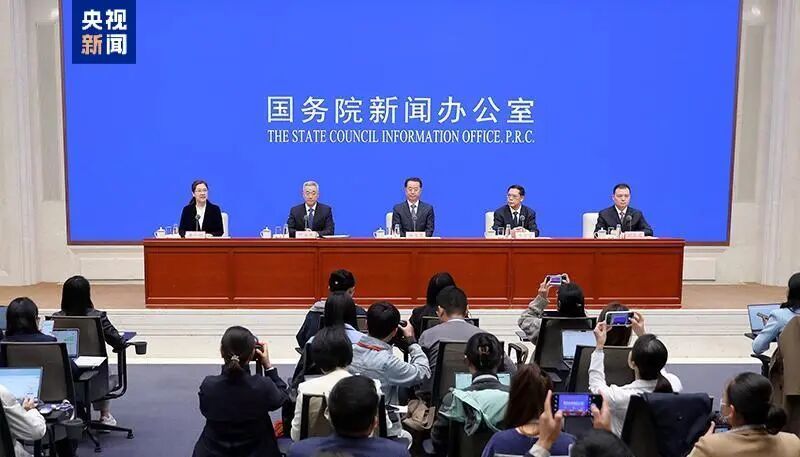
我国60岁及以上人口达3.1亿,占总人口的22%,中央财政已下达第一批养老服务消费补贴补助资金11.6亿元
Mei Ri Jing Ji Xin Wen· 2025-10-11 06:41
Core Insights - The Chinese government is focusing on high-quality completion of the "14th Five-Year Plan," emphasizing the role of the Ministry of Civil Affairs in improving people's livelihoods, mitigating risks, and promoting development [1] Social Welfare and Support - The average standard for urban and rural subsistence allowances has increased by 19.6% and 21.3% respectively since 2020, with 39.4 million people receiving regular subsistence support and 4.82 million classified as extremely poor [3][4] - The coverage of support for vulnerable groups has expanded to include those on the margins of subsistence support and families facing rigid expenditure difficulties [4] Child Welfare - The government has included orphans, left-behind children, and migrant children in national support and care services, with basic living standards for these groups increasing by 26%, 32%, and 31% respectively since 2020 [5] Support for Disabled Individuals - The implementation of living subsidies for disabled individuals has reached 11.9 million people, with average subsidy standards increasing by 31.9% for living assistance and 22.5% for care assistance during the "14th Five-Year Plan" [6] Elderly Care Initiatives - The average life expectancy in China has risen to 79.0 years, with the elderly population (aged 60 and above) projected to reach 310 million by the end of 2024, accounting for 22% of the total population [7] - A new subsidy program for elderly individuals with moderate to severe disabilities has been launched, with the first batch of funding amounting to 1.16 billion yuan allocated for implementation [8] Elderly Service Consumption Subsidies - Over 8,600 elderly care institutions have applied to participate in the subsidy program, ensuring the quality of services through regular inspections [11] - As of October 8, 2023, 365,100 elderly service consumption vouchers have been issued, with a total redemption amount of 182 million yuan, alleviating the financial burden on families caring for disabled elderly individuals [10][12] Charitable Contributions - The number of registered charitable organizations has increased by 70% since 2020, with annual charitable donations exceeding 200 billion yuan, supporting various social causes and disaster relief efforts [12]
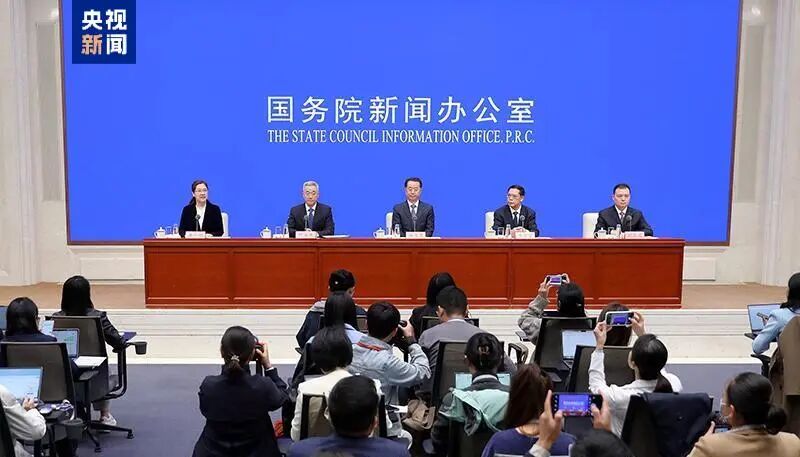
我国60岁及以上人口达3.1亿,中央财政已下达首批养老服务消费补贴
中国基金报· 2025-10-10 14:16
Core Viewpoint - The article discusses the progress and initiatives in China's elderly care and charity sectors, highlighting the government's efforts to improve the quality of life for the aging population and the growth of charitable organizations and activities. Elderly Care Initiatives - The "Silver Age Action" and "Silver Economy" are being actively developed, with a focus on building a suitable elderly care service system that aligns with China's national conditions [5][9]. - By the end of 2024, there will be 406,000 elderly care institutions and facilities, with 7.993 million beds, and the proportion of nursing beds will increase from 48% in 2020 to 65.7% [5]. - The Ministry of Civil Affairs has initiated a nationwide subsidy program for elderly care services aimed at middle to severe disabled elderly individuals, with the first batch of funding amounting to 1.16 billion yuan [12][14]. Population Aging Statistics - By the end of 2024, the elderly population aged 60 and above is expected to reach 310 million, accounting for 22% of the total population, while those aged 65 and above will be 220 million, making up 15.6% [8]. - The average life expectancy in China has increased to 79 years, surpassing the global average by 5 years [6][7]. Social Participation and Rights Protection - As of September 2023, there are 53.58 million registered elderly volunteers in China, contributing a total of 1.64 billion service hours [9]. - The government is enhancing legal services for the elderly and addressing issues related to their rights in various sectors, including consumption, tourism, and finance [9]. Charity Sector Growth - The number of registered charitable organizations has exceeded 16,000, a 70% increase since 2020, with annual charitable donations surpassing 200 billion yuan [16][17]. - The number of registered charitable trusts has grown nearly fourfold from 530 to 2,570 since the end of 2020 [17].

超36万张失能老人消费券已发放,谁能领?效果如何?
第一财经· 2025-10-10 10:16
Core Viewpoint - The article discusses the implementation of a subsidy program for elderly care services in China, aimed at alleviating the financial burden on families with moderately to severely disabled elderly individuals, and highlights the initial outcomes of this pilot project [3][4]. Summary by Sections Pilot Program Overview - The Ministry of Civil Affairs and the Ministry of Finance launched a pilot program in July 2023 to distribute elderly care service consumption vouchers to moderately to severely disabled elderly individuals [3]. - As of October 8, 2023, 365,100 vouchers have been issued, with 243,200 uses and a total redemption amount of 182 million yuan, indicating a positive impact on reducing care service costs for families [3][4]. Target Group and Services - The subsidy targets elderly individuals assessed as moderately, severely, or completely disabled, covering home, community, and institutional care services [4]. - Services include meal assistance, bathing, rehabilitation care, and both long-term and short-term institutional care [4]. Implementation Challenges and Solutions - The program faces challenges such as local financial support, fairness in disability assessments, and the authenticity of voucher usage [5]. - Pilot regions have developed implementation plans to address these challenges, including the establishment of assessment teams and management measures to ensure service quality [5]. Future Expansion and Demographic Context - The project is set to expand to other provinces by the end of 2025, based on pilot results, with a 12-month implementation period for each region [6]. - The initiative responds to the increasing pressure of caring for disabled elderly individuals, with the elderly population expected to reach 310 million by the end of 2024, accounting for 22% of the total population [6][8]. National Strategy and Infrastructure - The Chinese government is actively implementing a national strategy to address population aging, establishing a basic elderly care service system during the 14th Five-Year Plan period [7]. - By the end of 2024, the number of elderly care institutions is projected to reach 406,000, with a significant increase in nursing beds from 48% in 2020 to 65.7% [8].