
助餐

Search documents
给失能老人发消费补贴,精准赋能银发经济
Xin Jing Bao· 2026-01-22 14:13
Core Viewpoint - The Ministry of Civil Affairs and the Ministry of Finance have implemented a nationwide policy to provide elderly care service consumption subsidies for moderately to severely disabled elderly individuals, effective from January 1 of this year [1] Group 1: Policy Implementation - Elderly individuals classified as moderately, severely, or completely disabled can apply for a monthly subsidy of up to 800 yuan through the "Civil Affairs App," with home care service vouchers covering 50% and institutional care service vouchers covering 40% [1] - The subsidy will be distributed in the form of electronic consumption vouchers and will cover various services, including meal assistance, bathing, cleaning, mobility support, emergency aid, medical assistance, rehabilitation care, and daytime care [1] Group 2: Market Impact - The subsidy policy aims to alleviate the economic burden on families and improve the quality of life for disabled elderly individuals by lowering the threshold for purchasing professional services [2] - By stimulating effective demand, the policy is expected to inject new capital into the elderly care service market, attracting social investment and enhancing the overall service supply capacity and quality of the industry [2] Group 3: Development of Elderly Care Services - The policy encourages the development of specialized, chain, and branded elderly care service institutions, particularly in rural areas, and promotes models like "elderly care + rural collective economic organizations" [2] - It aims to bridge the gap in elderly care services between urban and rural areas, enhancing the overall fairness and accessibility of the elderly care service system [2] Group 4: Implementation Challenges - Effective implementation of the policy requires robust regulatory measures, including a verification mechanism to prevent fraud and misuse of subsidy funds [3] - Consideration must be given to the actual usage conditions of elderly individuals, including potential difficulties with electronic vouchers and a lack of understanding of the policy [3] - The policy represents an important attempt to drive supply-side reform through demand-side incentives, necessitating ongoing evaluation and responsiveness to social concerns [3]
北京全市已建成155家区域养老服务中心
Xin Lang Cai Jing· 2026-01-17 23:54
Core Insights - Beijing has initiated the construction of regional elderly care service centers in 2024, with 155 centers completed so far, covering 104 streets and towns with significant aging populations [1] - These centers serve approximately 2.554 million elderly individuals, accounting for 49.6% of the city's permanent elderly population [1] - Among the elderly, 365,000 individuals aged 80 and above, referred to as "old elderly," represent 56.3% of the city's "old elderly" population [1] - In 2025, the regional elderly care service centers provided services to 1.247 million elderly individuals, including meal assistance, home care, elderly education, and integrated medical care [1] - The number of "old elderly" served in 2025 was 365,000 [1] - This year, the city plans to establish an additional 20 regional elderly care service centers [1]
青海县级养老机构实现全覆盖 持续拓展困境儿童保障范围
Zhong Guo Xin Wen Wang· 2026-01-14 11:37
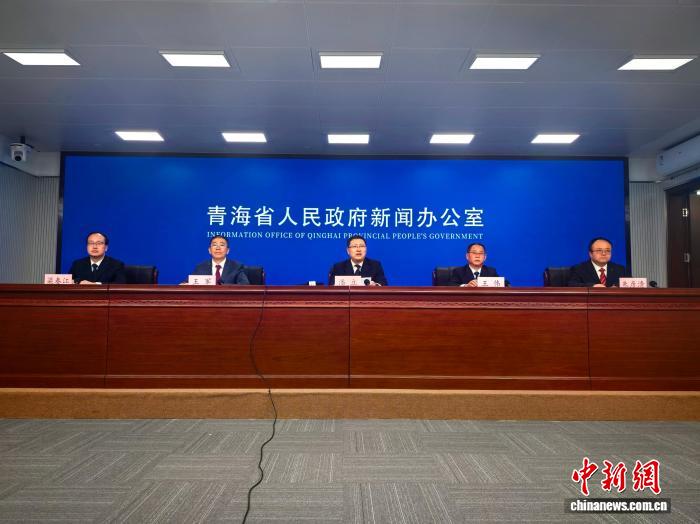
Core Viewpoint - Qinghai Province has achieved full coverage of county-level elderly care institutions and has expanded the scope of support for disadvantaged children, with significant financial investments in social welfare programs over the past five years [1][3][4]. Group 1: Elderly Care Services - Over the past five years, Qinghai has invested more than 1.27 billion yuan in the construction of elderly care facilities, achieving full coverage of county-level elderly care institutions [1]. - During the "14th Five-Year Plan" period, Qinghai allocated 566 million yuan for government-purchased services, providing meal assistance, care, and rehabilitation services to 100,000 economically disadvantaged and elderly individuals annually [3]. - The province has established a unified accidental injury insurance subsidy system for the elderly, providing subsidies to over 500,000 elderly individuals each year [4]. Group 2: Support for Disadvantaged Children - Qinghai has issued 256 million yuan in basic living security funds for disadvantaged children, expanding the support scope to include various groups such as children with medical and educational difficulties [1][4]. - The province has developed a three-tiered care service network for disadvantaged children, creating over 600 model "Children's Homes" in villages and communities to enhance service accessibility [6]. - The welfare support for children has evolved from focusing solely on orphans to including children facing various challenges, such as those lacking guardians and migrant children [4].

每月最高800元 这份“养老消费券”符合条件即可申领
Yang Shi Wang· 2025-12-30 06:02
Core Viewpoint - The implementation of a nationwide elderly care service consumption subsidy program in China, starting from July, aims to support elderly individuals with moderate to severe disabilities in various pilot regions, marking the first of its kind in the country [1] Group 1: Subsidy Details - Eligible elderly individuals residing in care institutions will receive a monthly subsidy of 800 yuan, while those opting for home care will receive 500 yuan [3] - The subsidy covers services such as meal assistance, bathing assistance, rehabilitation care, and daytime care [3] Group 2: Assessment and Database - Pilot regions have established elderly capability assessment programs, requiring assessors to have at least five years of relevant experience and professional background [4] - Assessors will evaluate elderly individuals' self-care ability, mobility, mental state, sensory perception, and social participation within five working days of receiving a request [6] - A national unified elderly capability assessment database has been created, covering 110,000 elderly individuals with disabilities [8] Group 3: Information Sharing and Efficiency - In Chengdu, information sharing between civil affairs and medical insurance departments has been enhanced to recognize assessment results, preventing multiple evaluations for the same individual [9] - Chengdu has issued 93,000 consumption vouchers, with 73,000 redeemed, involving 43 million yuan and driving market consumption of 546 million yuan, benefiting over 27,000 elderly individuals [11] Group 4: Impact on Care Institutions - The implementation of the subsidy policy has significantly increased the occupancy rates of care institutions in pilot areas, with many new residents applying for subsidies [12] - In Zhoushan, all 46 care institutions capable of serving elderly individuals with moderate to severe disabilities have completed qualification assessments, with third-party evaluations introduced to ensure service quality [14] Group 5: Support for Home Care - In Xinyu, where over 90% of elderly individuals prefer home care, measures are being taken to assist them in applying for subsidies [15] - The application process has been streamlined through an online and offline dual-channel system, allowing family members or community committees to assist in the application [19]

北京已建成152家区域养老服务中心,覆盖207万老年人
Bei Jing Shang Bao· 2025-12-11 08:30
Group 1 - The core viewpoint of the article highlights Beijing's efforts in enhancing its elderly care services through the establishment of a comprehensive three-tiered elderly care service network over the past five years [1] Group 2 - Beijing has built 152 regional elderly care service centers, covering 2.07 million elderly individuals, with 293,000 being "old elderly" (aged 80 and above), representing 44% of the total elderly population in the city [1] - The city has integrated 413 elderly care stations and 1,022 professional service providers to offer various services such as meal assistance, care for the elderly, home-based care, and integrated medical and nursing services [1] - A guideline for nursing bed capacity in elderly care institutions has been introduced to enhance the professional care capabilities for "old elderly," resulting in the establishment of 622 elderly care institutions with a total of 110,000 beds, of which 68% are nursing beds [1]
从“十五五”的字里行间抓住发展的机会,搭上政策顺风车!
Yang Shi Wang· 2025-10-25 01:37
Group 1 - The "14th Five-Year Plan" emphasizes the development of strategic emerging industries such as new energy, new materials, aerospace, and low-altitude economy, which are expected to create trillion-level markets [3] - The advanced manufacturing sector is projected to see a market expansion of approximately 10 trillion yuan over the next five years, with opportunities across the supply chain from components to maintenance and testing services [4] - The service industry is expected to undergo transformation, integrating with manufacturing and agriculture, creating new opportunities for traditional service providers [6] Group 2 - The health and welfare sector is highlighted as a significant growth area, with an anticipated increase in life expectancy to 80 years, leading to a burgeoning market for elderly care services and community support teams [8] - There is a strong demand for childcare services, with government support for establishing regulated childcare facilities, presenting opportunities for entrepreneurs [8] - The overall economic landscape is described as a vast ocean, with various sectors such as advanced manufacturing, emerging industries, and essential services providing fertile ground for ordinary individuals to establish themselves [8]

探索养老服务新途径新模式新方法 家门口养老,呵护银发族幸福晚年(消费视窗·服务消费一线探访⑤)
Ren Min Ri Bao· 2025-04-29 22:13
Core Viewpoint - Jiangxi Province's Linchuan District is actively reforming its elderly care services by addressing bottlenecks, increasing facility supply, enhancing funding, and improving service quality to create a comprehensive elderly care system that allows seniors to live well and happily [1] Group 1: Service Innovations - The district has implemented a "point order" service mechanism where elderly individuals can request various services like cleaning and medical assistance through mobile apps or community platforms, making it convenient and affordable [2][3] - The "Time Exchange Station" program allows seniors to earn "time credits" through volunteer work, which can be redeemed for services, promoting community engagement and support [3] Group 2: Family and Community Support - Linchuan District has signed contracts for 2,500 family elderly care beds, providing personalized services and regular health check-ups, ensuring that seniors can receive care at home [3][6] - The establishment of community-based elderly care centers has created a "15-minute elderly care service circle," allowing over 40,000 urban seniors to access nearby care services [6] Group 3: Dining and Nutrition Services - The district has developed a "Happiness Canteen" system, providing subsidized meals for low-income seniors, with government support of 4.5 yuan per meal [4] - A total of 18 meal assistance points and 10 meal distribution points have been established to ensure that elderly individuals have access to nutritious food [4] Group 4: Integrated Medical and Elderly Care - The integration of elderly care facilities with local health services allows for regular medical check-ups and emergency care, enhancing the overall health management of seniors [8][9] - The district has built regional elderly care centers adjacent to health clinics, ensuring that medical services are readily available for the elderly [8] Group 5: Community Engagement and Satisfaction - The transformation of rural elderly care resources has led to the establishment of regional centers that provide comprehensive services, improving the quality of life for seniors [7][9] - Feedback from residents indicates a high level of satisfaction with the services provided, highlighting the importance of community and social interaction in elderly care [7]