
国际消费中心城市

Search documents
客流、消费“开门红”为“十五五”奋斗征程铺设坚实起点 活力深圳 双旺开局加速跑
Nan Fang Ri Bao Wang Luo Ban· 2026-01-04 08:27
Core Insights - Shenzhen's economy shows strong vitality and resilience, with record-breaking traffic and consumer activity during the New Year holiday, marking a promising start to the "14th Five-Year Plan" [1][10] Transportation Sector - Shenzhen's transportation network experienced significant growth, with the subway system achieving a record passenger volume of 13.05 million on December 31, 2025, and 10.59 million on New Year's Day 2026, indicating robust urban mobility [2] - In 2025, the total annual passenger volume for Shenzhen's urban rail reached 3.285 billion, leading the nation in both growth and volume among first-tier cities, with an average daily ridership exceeding 9 million [2] - Shenzhen North Station recorded 623,000 passengers on New Year's Day, a year-on-year increase of over 70%, while the total passenger volume for 2025 surpassed 126 million [3] - The Shenzhen port achieved a historic container throughput of over 35 million TEUs, reflecting strong growth in logistics and trade [3] Consumer Market - The consumer market in Shenzhen thrived during the New Year holiday, driven by innovative policies and vibrant shopping experiences, setting a positive tone for the year ahead [4][5] - The launch of a comprehensive recycling policy for consumer goods, covering various sectors, significantly boosted foot traffic and sales, with some stores reporting over 150% increase in customer visits and over 200% rise in transaction rates [5] - Major shopping districts hosted over 90 events, enhancing public cultural services and leisure experiences, contributing to a two-digit year-on-year growth in foot traffic and sales [6][8] - The integration of technology and traditional culture in consumer experiences attracted large crowds, with events like light shows and interactive exhibitions drawing significant public interest [7][8] Overall Economic Outlook - The dual success in transportation and consumer markets reflects Shenzhen's enhanced infrastructure and business environment, showcasing the confidence of citizens and market participants [10] - The strong performance in these sectors sets a solid foundation for high-quality development in Shenzhen, indicating a vibrant and dynamic urban economy [10]
成都100个夜间经济示范点位发布 有一种生活叫“3.0版夜成都”
Si Chuan Ri Bao· 2026-01-04 03:38
Core Insights - Chengdu's night economy is evolving through three distinct phases, with the latest being the 3.0 version that integrates various sectors and technologies [4][5] Group 1: Night Economy Development - The night economy is a crucial part of urban economic activity, reflecting a city's vibrancy and management quality [4] - Chengdu has released 100 night economy demonstration points, marking its entry into the 3.0 era, which includes diverse sectors such as culture, tourism, and shopping [3][4] - The city aims to create a comprehensive night economy that caters to all demographics and operates year-round [4] Group 2: New Business Models and Experiences - The newly announced demonstration points feature innovative attractions like the world's largest indoor ski resort and immersive theaters, enhancing the variety of nighttime activities [5][6] - Chengdu's night economy is characterized by a blend of traditional and modern experiences, offering unique consumer interactions [6] Group 3: Strategic Initiatives and Support - Chengdu is actively promoting its night economy as part of its strategy to become an international consumption center, with plans to extend operating hours in key areas [8] - Recent policies have been introduced to stimulate consumption and support businesses, focusing on enhancing the night economy's infrastructure [8]

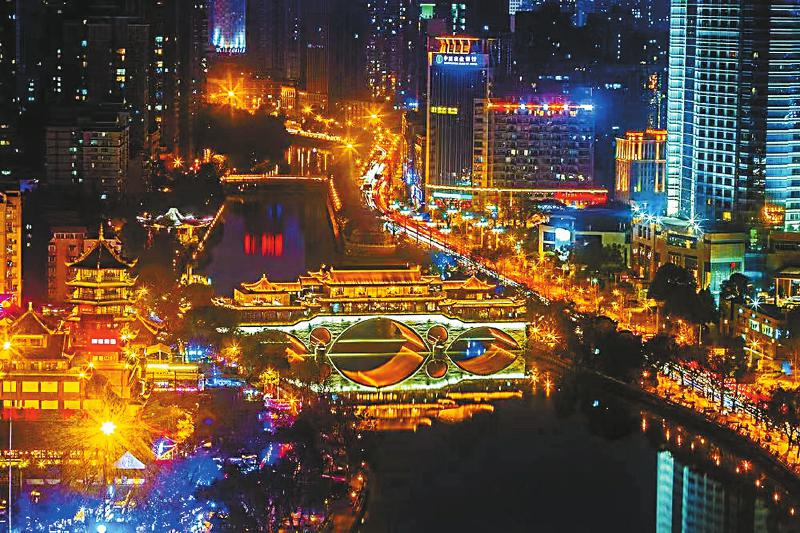
广州消费迎来破圈时刻
21世纪经济报道· 2025-12-29 11:54
Core Viewpoint - Guangzhou's commercial landscape is experiencing unprecedented growth, driven by the city's strategic initiatives to enhance its status as an international consumption center by 2025 [1][5][6]. Group 1: Commercial Development - The opening of multiple shopping malls in Guangzhou, including the third Sam's Club and the unique Jiangwan Taikoo Li, reflects a surge in commercial activity [1][2]. - The "14th Five-Year Plan" emphasizes the development of a "5+2+4" commercial system, with significant investments and policies aimed at accelerating the construction of high-end commercial spaces [1][5]. - Since July, Guangzhou has seen a consistent stream of new mall openings, indicating a vibrant commercial environment [1][6]. Group 2: Market Dynamics - International brands and top commercial giants are increasingly investing in Guangzhou, recognizing the city's consumer potential and robust supply chain [2][6]. - The commercial ecosystem in Guangzhou is transitioning from quantity to quality, with new commercial landmarks acting as engines for economic growth [2][6]. - The competition among shopping districts is shifting from attracting foot traffic to creating unique experiences and emotional value for consumers [7][9]. Group 3: Strategic Initiatives - Guangzhou's government has introduced financial incentives and prioritized land supply to stimulate the opening of new commercial projects [1][5]. - The city is focusing on creating a "15-minute convenient living circle" and digital transformation of community commerce to boost local consumption [7][9]. - The "first store economy" is evolving into a comprehensive economic model that includes brand first stores, product launches, and design showcases, with a projected annual increase of 25% in new store openings from 2021 to 2024 [10][11]. Group 4: Future Outlook - The competition among commercial districts is expected to intensify, with a focus on unique positioning and the integration of cultural, tourism, and business elements [11]. - The upcoming "15th Five-Year Plan" aims to enhance the consumer environment and promote the transformation of traditional shopping venues into experience centers [9][11]. - Guangzhou's commercial development is set to leverage its historical significance as a trading hub to transition into a global consumption center [11].
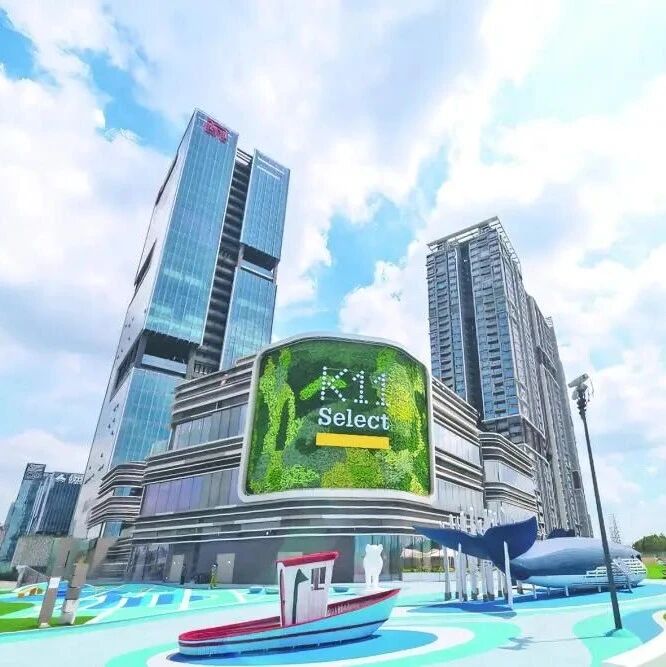
合肥大四牌楼商圈将推进能级跃升
Xin Lang Cai Jing· 2025-12-28 17:20
Group 1 - The core viewpoint highlights the continuous consumption vitality in the Dasi Paolou business district of Luyang District, with 51 international first-line brands and regional flagship stores opening, capturing 90% of the high-end luxury market share in the province [1][3] - Luyang District's GDP is projected to reach 140 billion yuan by 2025, marking a 26.8% increase from the end of the 13th Five-Year Plan, and crossing three hundred billion thresholds [1] - The service industry is expected to account for over 80% of GDP during the 14th Five-Year Plan, with significant achievements in the new economy and manufacturing sectors [1][3] Group 2 - The district aims to enhance its role as a core area for international consumption, integrating urban innovation and cultural heritage, while promoting economic quality and reasonable growth [2] - Luyang District is focusing on deepening the integration of scientific innovation and industry, supporting leading enterprises in technology upgrades and R&D investments [4] - The district plans to increase public welfare spending, with over 170 billion yuan allocated for public welfare this year, representing 90% of public financial expenditure [4][5] Group 3 - Urban management improvements include the renovation of 128 back streets and alleys, and the construction of new parking spaces, enhancing urban infrastructure [5] - Environmental quality has improved significantly, with a notable decrease in PM2.5 and PM10 levels, and a 100% excellent water quality rate in local reservoirs [5] - Employment has increased by over 39,000 this year, with new educational facilities providing over 3,600 additional school places [5]
武汉,冲刺万亿消费之城
Sou Hu Cai Jing· 2025-12-23 19:25
Core Insights - Wuhan aims to become a trillion-yuan consumption city by 2027, with a projected retail sales total of over 1.07 trillion yuan [4] - The city plans to achieve a 34% growth in retail sales over three years, requiring an annual growth rate of over 10% [4][15] - Currently, only seven cities in China have surpassed the trillion-yuan mark in retail sales, and Wuhan seeks to join this exclusive group [4] Group 1: Growth Targets and Comparisons - Wuhan's retail sales are expected to grow from approximately 793.19 billion yuan in 2024 to over 1 trillion yuan by 2027, indicating an average annual growth rate of 10.5% [4][6] - Other cities like Shanghai, Beijing, and Chongqing have achieved similar milestones in shorter time frames, with Shanghai reaching the trillion mark in two years [6] - The current retail sales growth rate in Wuhan has declined from 8.9% in 2019 to around 5.3% in 2024, making the target of over 8% growth challenging [10][12] Group 2: Tourism as a Growth Engine - Wuhan's strategy includes increasing tourism, with targets for annual growth in tourist numbers and revenue [17] - The city aims for an annual increase of over 8% in total tourists and over 30% in inbound tourists, alongside a 10% growth in tourism revenue [17] - In 2024, Wuhan is projected to receive 360 million tourists, generating 420 billion yuan in tourism revenue, which is significantly higher than cities like Hangzhou and Changsha [24][25] Group 3: Competitive Landscape and Urban Strategy - Other cities are also pursuing aggressive consumption growth strategies, with Hangzhou focusing on becoming a shopping paradise and Changsha enhancing its appeal as a trendy destination [41] - Wuhan's ambitious retail sales target reflects its desire to elevate its urban profile beyond being a transportation hub to a recognized consumer destination [43] - The city has a robust commercial infrastructure, with a total commercial space of 14.36 million square meters, providing diverse shopping experiences [36]
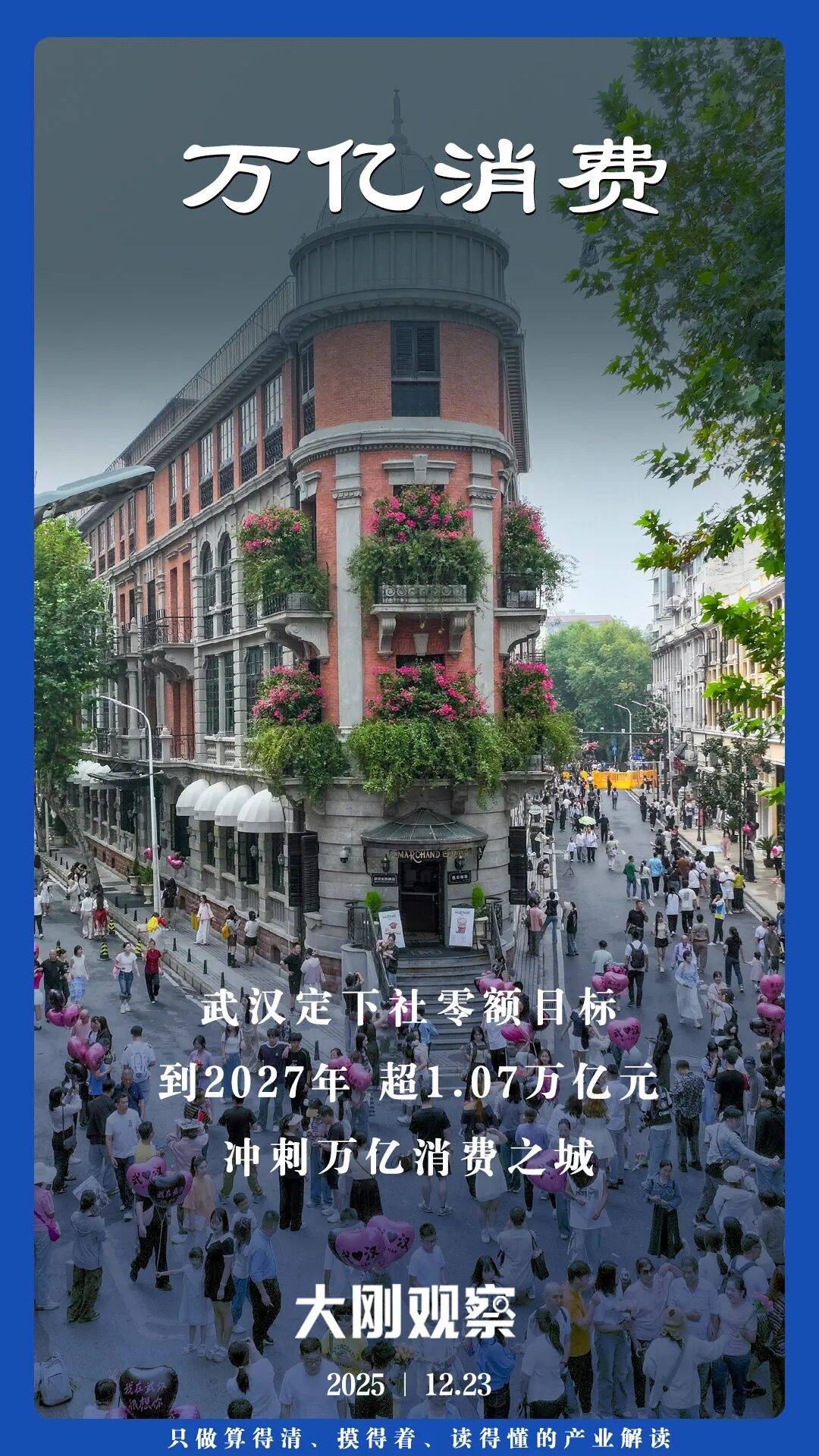
向未来·奔赴“十五五”丨“万亿”之后,成都建设国际消费中心城市向“新”拓增量!
Sou Hu Cai Jing· 2025-12-22 05:07
Group 1 - The core viewpoint of the articles highlights Chengdu's emergence as a vibrant consumption city, driven by major events and a focus on integrating culture, commerce, and tourism [1][3][14] - Chengdu's comprehensive income from the recent International Table Tennis Federation Mixed Team World Cup reached approximately 135 million yuan, marking a 15.4% year-on-year increase [1] - The city aims to establish itself as a national international consumption center, with plans to enhance consumer demand and integrate various sectors to stimulate economic growth [3][19] Group 2 - Chengdu's events, such as the League of Legends S15 Global Finals and ATP250 Chengdu Open, have significantly boosted local consumption, generating over 270 million yuan in consumer spending [1][11] - The city is focusing on creating new consumption scenarios that appeal to younger generations, with a notable increase in participation in cultural and sporting events [7][9] - The integration of high-profile events with local culture and commerce is seen as a strategy to enhance consumer engagement and drive economic activity [11][20] Group 3 - Chengdu's retail sales exceeded 1 trillion yuan in 2023, making it the sixth city in China to achieve this milestone, indicating a robust consumer market [16][17] - The city is actively promoting service consumption and has seen a rise in the number of first-store openings, with 710 new stores established in the first ten months of the year [17][19] - Future plans include enhancing night economy initiatives and developing low-altitude economic applications to further stimulate consumption [17][19] Group 4 - Experts suggest that Chengdu should focus on creating immersive and high-quality consumer experiences to attract visitors and enhance local spending [20][22] - The city is recognized for its appeal to younger demographics, and there is a push to innovate consumption scenarios that blend technology, social interaction, and entertainment [22][25] - The overall strategy emphasizes the importance of evolving consumer needs and preferences, moving beyond traditional shopping to include cultural and experiential offerings [25][26]
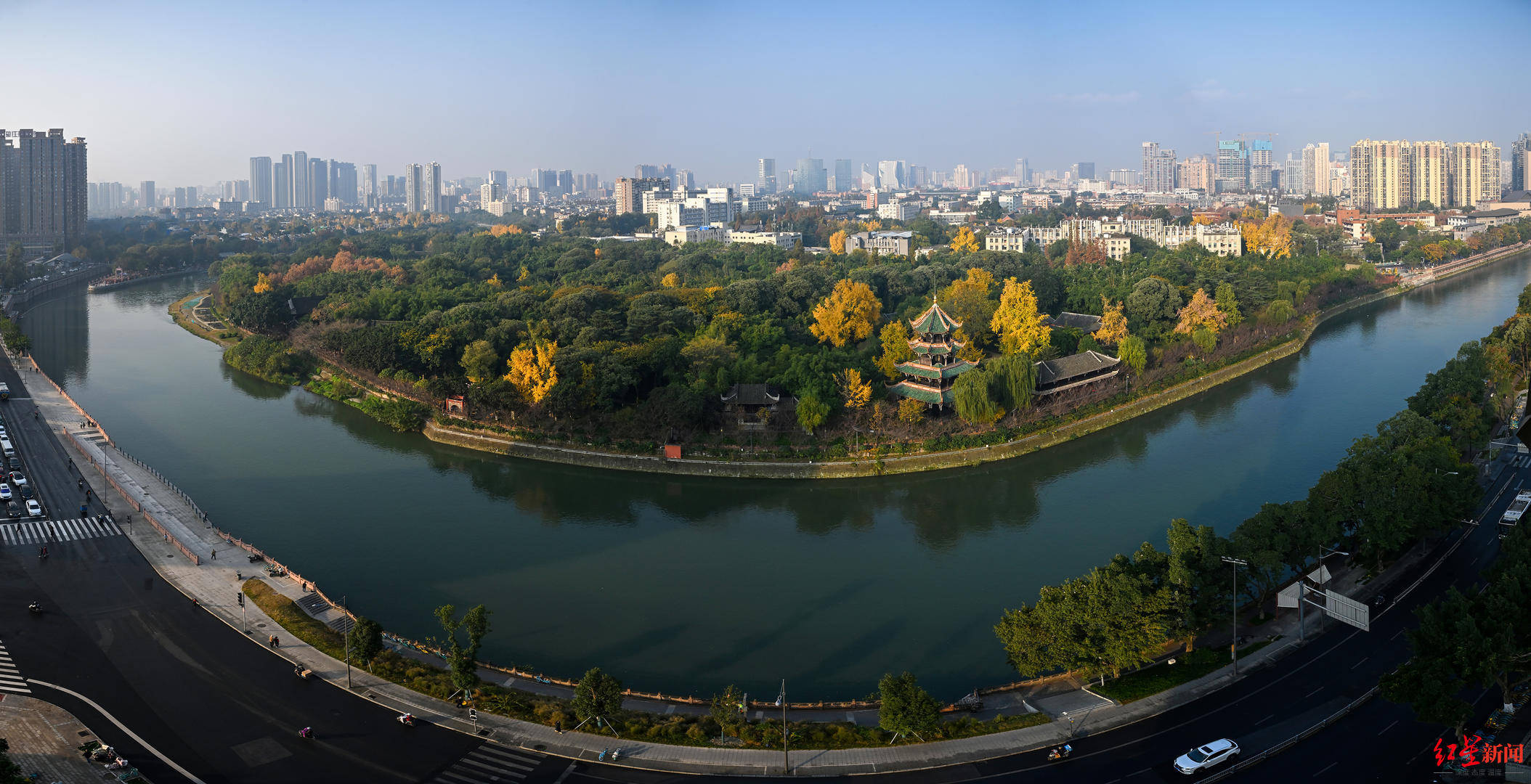
5亿元!中央财政资金投向青岛
Sou Hu Cai Jing· 2025-12-22 02:42
Group 1 - Qingdao's potential to become a national "International Consumption Center City" has increased with its inclusion in the second batch of pilot cities for new consumption formats and international consumption environment construction, receiving a total of 5 billion yuan in financial support [1][5][20] - The financial support from the central government is expected to stimulate larger investment projects and improve urban infrastructure, particularly in key commercial areas [5][7] - Qingdao's "14th Five-Year Plan" emphasizes the upgrade of consumption clusters and the development of high-quality commercial districts, which aligns with the financial aid received [7][14] Group 2 - The city has demonstrated significant achievements in consumption, with a total retail sales figure of 658.45 billion yuan in 2024, maintaining its position as the "second consumption city in the north" [14][15] - Qingdao's successful entry into both pilot programs reflects its potential in the consumption sector, with a focus on market development, business environment, and consumer policies [15][16] - The city has been proactive in attracting inbound tourism, particularly from South Korea, which has contributed to its selection as a pilot city [17][18] Group 3 - The financial support will facilitate the introduction of high-profile brands and flagship stores, enhancing the city's consumption landscape [8][11] - Qingdao aims to leverage its pilot city status to attract major cultural and tourism projects, enhancing its international consumption capabilities [21][22] - The city has shown strong execution capabilities in securing central government funding, which will be crucial for maximizing the benefits of the pilot programs [22]
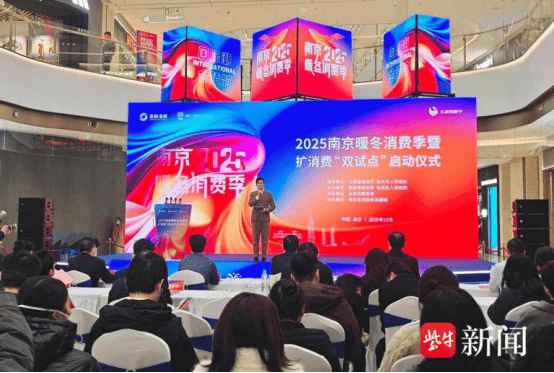
双试点“加冕”!南京三重“魔法”解锁消费升级新次元
Sou Hu Cai Jing· 2025-12-19 11:18
Core Insights - Nanjing has been recognized as a "New Consumption Pilot City" and an "International Consumption Environment Construction Pilot City" due to its strong consumer vitality and innovative capabilities [1][3] Policy and Economic Development - Nanjing's government has implemented policies to support consumption upgrades, including the "Three-Year Action Plan for Creating an International Consumption Center City" initiated in 2021, and measures to promote the first-store economy [3][4] - The city has allocated over 10 million yuan in support funds and has hosted annual conferences to foster the development of first stores, resulting in the introduction of approximately 1,500 first stores with a monthly growth rate exceeding 50% [3][4] High-End Consumption Landscape - Nanjing has attracted over 95% of international first-tier brands, including the world's first stores for LV and Valentino, and has seen significant sales growth in high-end retail spaces like Deji Plaza, which reported sales exceeding 24.5 billion yuan [4][6] - Local brands are also thriving, supported by government policies, creating a dual consumption landscape of international brands and local innovations [4][6] Innovative Consumption Scenarios - The city integrates urban renewal with commercial development, creating diverse consumption spaces that appeal to both international and local consumers [6][7] - New business districts are designed to attract younger consumers with trendy offerings such as esports, themed camping, and immersive experiences, while historical areas are revitalized to enhance cultural consumption [6][7] International Consumer Environment - Nanjing is enhancing its international consumer environment by improving customs services and expanding tax refund points to 155 locations, facilitating a smoother experience for inbound travelers [9][12] - The city has also implemented international payment solutions and multilingual services to cater to foreign consumers, positioning itself as a top destination for international spending in China [12][9] Conclusion - Nanjing is making comprehensive efforts to unlock the potential of consumption upgrades, combining policy support, market dynamics, innovative scenarios, and enhanced services to establish itself as a leading international consumption center [12]
2021年以来北京新开商业面积超500万平方米
Zhong Guo Xin Wen Wang· 2025-12-19 01:16
2021年以来北京新开商业面积超500万平方米 来源:中国新闻网 编辑:董文博 广告等商务合作,请点击这里 本文为转载内容,授权事宜请联系原著作权人 中新经纬版权所有,未经书面授权,任何单位及个人不得转载、摘编或以其它方式使用。 关注中新经纬微信公众号(微信搜索"中新经纬"或"jwview"),看更多精彩财经资讯。 中新社北京12月18日电 (记者 吕少威)北京市商务局党组成员、副局长卢慧玲在18日举行的新闻发布会 上表示,2021年以来,北京新开商业面积超500万平方米。在商圈升级方面,北京重点支持消费空间 从"单一功能"向"多元体验"转型。 当天,北京培育建设国际消费中心城市工作成效和亮点新闻发布会举行。卢慧玲介绍,2019年以来,北 京累计吸引超5000家首店落地,培育三里屯太古里等12个全球首发中心。三里屯商圈、太古里南区分别 入选全国首批示范智慧商圈和商店。北京拥有境外旅客购物离境退税商店近1600家,即买即退商店24 家,在全国首创"全城退税,多点通办"模式。 卢慧玲提到,北京国际品牌集聚度稳居全国前列,累计认定老佛爷、星巴克等26家消费类跨国公司地区 总部。北京拥有老字号总数274家,其中中华老 ...
5大维度指数均超100 2024年北京培育建设国际消费中心城市总指数为109.9
Bei Jing Shang Bao· 2025-12-18 08:31
北京商报讯(记者 刘卓澜)12月18日,北京培育建设国际消费中心城市工作成效和亮点新闻发布会 上,北京市商务局党组成员、副局长卢慧玲介绍,2024年北京培育建设国际消费中心城市总指数为 109.9,较2020年底提升19.6,商业活跃度、消费舒适度、到达便利度、消费繁荣度和国际知名度指数5 个维度指数均超100,其中,世界500强企业总量、国内旅游收入、城市轨道交通运营总里程、国内国际 航班直达城市等多项指标居国内城市前列。 ...