智慧旅游

Search documents
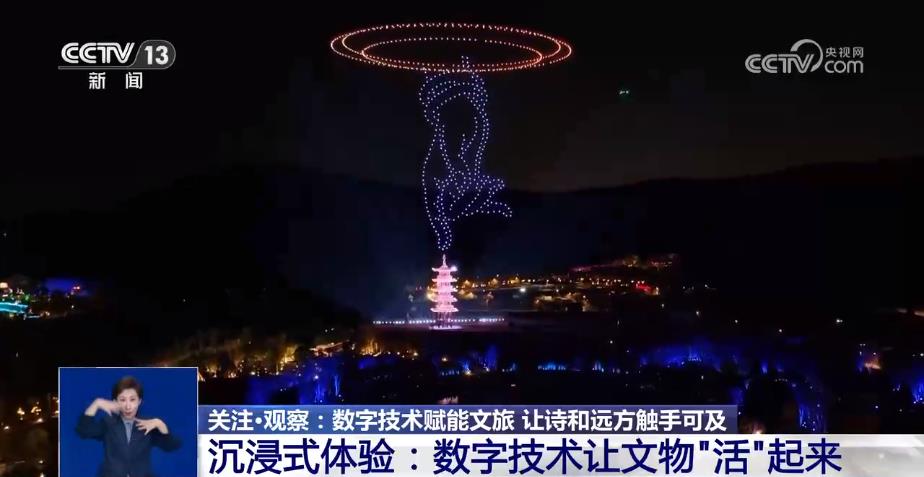
诗和远方触手可及 数字技术让文物“活”起来
Yang Shi Wang· 2025-11-16 22:47
Core Insights - The State Council's recent implementation opinion emphasizes accelerating the application of digital technology in the cultural and tourism sectors, promoting digital performances, digital arts, and immersive experiences [1] Group 1: Digital Technology in Cultural and Tourism - Digital technology is being utilized to enhance visitor experiences in museums and tourist areas, such as interactive exhibits and AI-guided tours [2][4] - The integration of technologies like VR and 3D displays allows visitors to engage with cultural artifacts in innovative ways, making history more accessible and interactive [2][4] Group 2: Smart Tourism Services - The shift from traditional sightseeing to immersive experiences is facilitated by smart services, including self-check-in at hotels and AI companions for tourists [5][6] - In Zhejiang, a QR code system enables seamless access for international tourists, allowing them to book tickets and navigate various services effortlessly [9][10] Group 3: Data-Driven Management Solutions - Tourist attractions are adopting smart platforms to manage large visitor flows effectively, transitioning from single-point management to comprehensive data-driven oversight [13][14] - The Jiangsu province's smart tourism platform has accumulated over 400 million industry data points, providing valuable insights for managing tourist trends and enhancing visitor experiences [15]

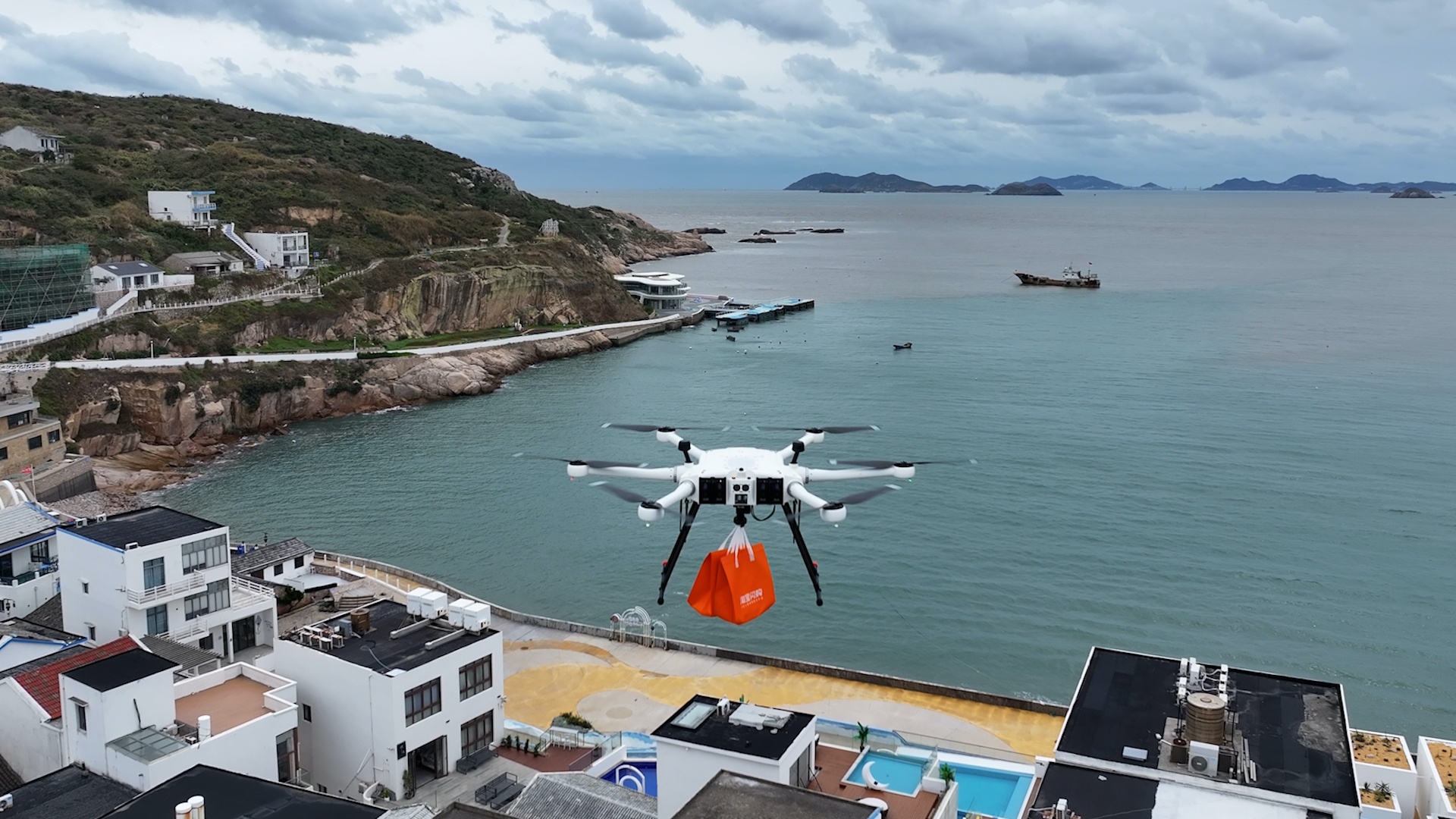
阿里公益在浙江嵊泗花鸟岛探索助老新方式
Yang Guang Wang· 2025-11-13 06:41
Core Insights - Alibaba's charity initiative, in collaboration with Taobao Flash and Cainiao Network, aims to enhance elderly care services on Huaniao Island by introducing drone delivery alongside existing unmanned vehicle services [1][6] Group 1: Elderly Care Services - Huaniao Island, part of Zhoushan, has a population of less than 1,000, with over 70% aged 60 and above, facing challenges in meal preparation and access to food [2] - The establishment of "Dad's Kitchen" aims to provide affordable, nutritious meals daily to elderly residents, addressing the issue of access to hot meals [2][7] - The distance from the kitchen to the farthest village, Lighthouse Village, is 5.8 kilometers, complicating access due to the island's hilly terrain and lack of motor vehicle roads [2] Group 2: Technological Solutions - Customized unmanned vehicles have been developed to navigate the island's challenging terrain, successfully delivering meals and essential goods to remote areas [3] - The introduction of drone delivery services enhances emergency response capabilities, allowing for quick delivery of meals, medications, and other necessities [6][7] - The project aims to bridge the public service gap between urban and rural areas, leveraging technology to support elderly care and improve living conditions [7]

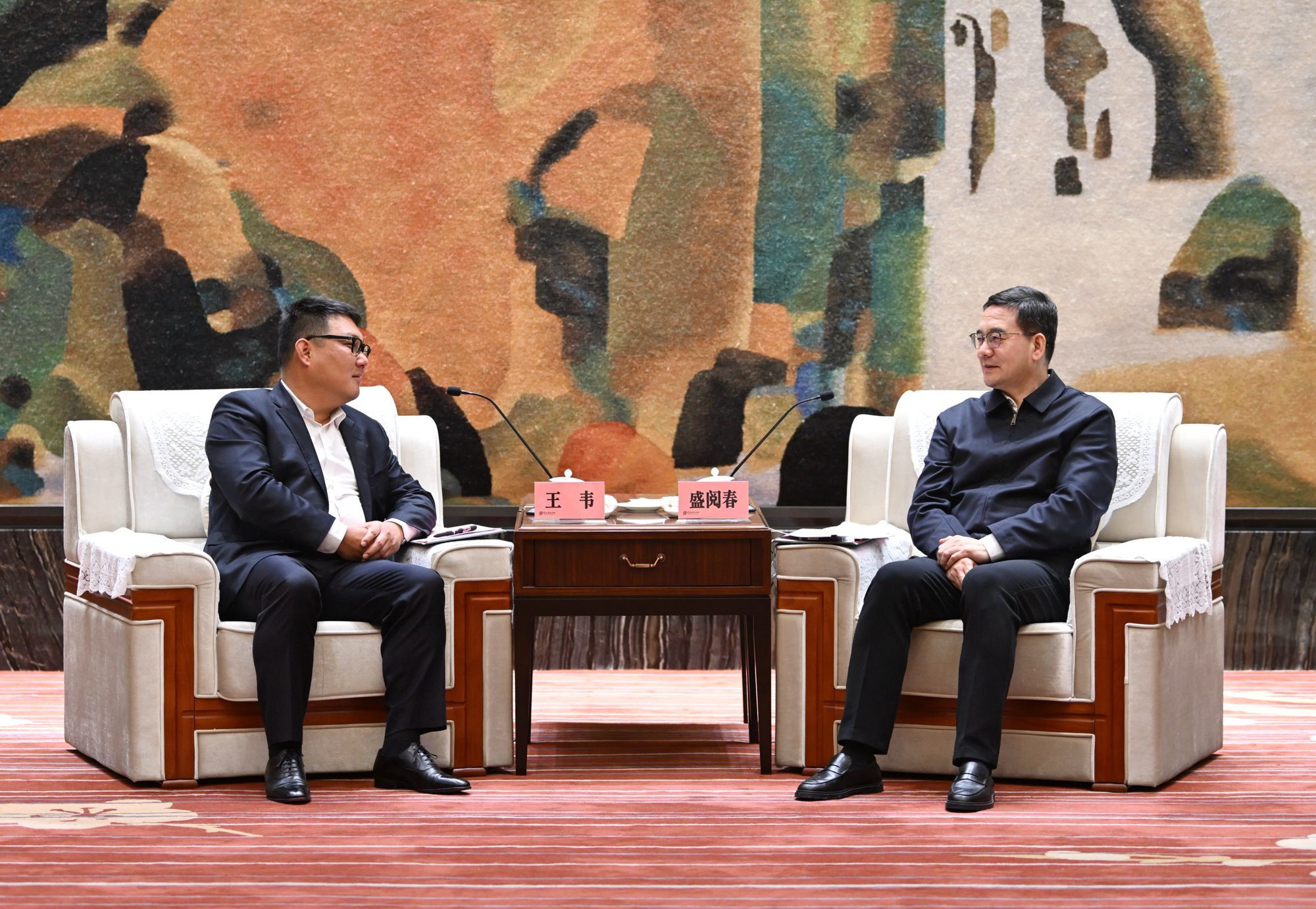
盛阅春会见携程集团高级副总裁王韦
Chang Jiang Ri Bao· 2025-11-13 00:53
Group 1 - The core message emphasizes the importance of cultural tourism development in Wuhan, highlighting its favorable geographical location, rich historical background, and beautiful ecological environment, which contribute to its status as one of the top ten popular tourist destinations in China [2][3] - The local government is committed to enhancing the cultural tourism industry by promoting innovation, quality improvement, and integration, aiming to establish Wuhan as a world-renowned cultural tourism destination [2][3] - Ctrip Group, a leading global travel company, is encouraged to deepen its cooperation with Wuhan, focusing on smart tourism development, cultural tourism product innovation, inbound tourism market expansion, and city brand building [3][5] Group 2 - Ctrip Group expresses gratitude for the support received from Wuhan and outlines its business strategy, emphasizing the city's unique blend of natural and cultural resources, which are ideal for developing the cultural tourism sector [5] - The company plans to increase its investment in Wuhan, promote the city's cultural tourism brand, develop new tourism formats, expand the inbound tourism market, and enhance collaboration between industry and education [5]

数字潮涌 文旅新生——智慧旅游高质量发展观察
Xin Hua She· 2025-11-09 22:33
Core Insights - The article discusses the challenges faced by the tourism industry in China, such as overcrowding at scenic spots, digital divides, and difficulties in inbound travel, emphasizing that technology is key to addressing these issues [1][2] - The development of smart tourism is highlighted as a means to create a more user-centered, efficient, and personalized service system, moving away from traditional management approaches [2][6] Group 1: Smart Tourism Innovations - The "Huiyou Huishan" app in Wuxi provides real-time information on parking, storage, and restroom locations, significantly improving visitor experience with an average of over 34,000 new users daily and 500,000 page views [1][3] - Smart tourism services are evolving from broad offerings to more refined and user-friendly solutions, with companies like Ctrip enhancing language support and payment options for international travelers [3][4] Group 2: Collaborative Governance - The shift from decentralized governance to multi-party collaboration is evident, with the establishment of smart tourism platforms that integrate data from various departments to improve decision-making and resource allocation [5][6] - The use of data-driven approaches in managing tourist flows has led to improved crowd control and enhanced visitor experiences, as seen in the successful management of increased traffic during peak seasons [4][5] Group 3: Technological Integration - The integration of advanced technologies such as AR, VR, and AI is transforming the tourism experience, with immersive experiences being developed to attract visitors and enhance engagement [8][9] - The focus on talent development in the tech-driven tourism sector is crucial, as the industry faces challenges related to technology application and data sharing [9][10] Group 4: Future of Smart Tourism - The future of tourism competition will hinge on technological innovation capabilities, with smart tourism expected to play a vital role in the high-quality development of the industry [9][10] - The article emphasizes the importance of building a robust ecosystem for smart tourism that fosters long-term cooperation between supply and demand sides [9][10]
高德空间智能助力交旅融合,推动智慧旅游新发展
Cai Jing Wang· 2025-10-30 06:39
Core Insights - The "2025 Smart Tourism Demonstration and Exhibition Activity" successfully concluded in Wuxi, Jiangsu, focusing on the theme "Smart Tourism Makes Life Better" and exploring innovative development paths in the cultural and tourism industry in the AI era [1] Group 1: Event Overview - The event was organized by the Ministry of Culture and Tourism, Jiangsu Provincial Department of Culture and Tourism, and Wuxi Municipal Government, with support from various local agencies [1] - The roundtable discussion featured Li Xinhui, General Manager of Gaode Cloud Map Traffic & Pan-Government, who presented on the integration of transportation and tourism through smart solutions [1] Group 2: Key Presentations - Li Xinhui highlighted the characteristics of the "Gaode Street Scanning List," emphasizing its real-time, dynamic, and multi-dimensional data features [1] - The presentation focused on three application scenarios for data-driven decision-making: predicting tourist hotspots and managing flow, identifying resource optimization opportunities, and enhancing service consumption and experience in scenic areas [1] Group 3: Future Directions - Gaode plans to deepen collaboration with local cultural and tourism departments to create customized products that meet specific scene requirements [1] - The company aims to support the tourism industry in achieving data-driven "dynamic governance," injecting new momentum into the development of smart tourism [1]
黄山旅游(600054):精准营销奏效,黄山主景区量价齐升
Shenwan Hongyuan Securities· 2025-10-29 15:27
Investment Rating - The investment rating for Huangshan Tourism (600054) is "Buy" (maintained) [1] Core Insights - The company reported a robust revenue growth of 8.75% year-on-year for the first three quarters of 2025, achieving a total revenue of 1.535 billion yuan. The third quarter alone saw a revenue of 595 million yuan, reflecting a 3.05% increase year-on-year [6] - Despite the revenue growth, the net profit attributable to the parent company decreased by 11.02% to 253 million yuan, primarily due to increased resource usage fees and rising sales expenses, which surged by 53.3% to 59.66 million yuan [6] - The company successfully narrowed the scope of free tickets, resulting in a significant increase in average ticket price to 376 yuan, a 12.2% rise compared to the same period in 2024, while the number of visitors reached 3.7572 million, up 3.44% year-on-year [6] - The company has also seen a remarkable 80.45% increase in inbound tourists, reaching 111,700 visitors, indicating a strong performance in the international market [6] - New business initiatives include the opening of the Beihai Hotel and progress in the East Huangshan expansion project, which are expected to enhance the company's accommodation capacity and optimize visitor flow [6] Financial Summary - The total revenue forecast for 2025 is 2.141 billion yuan, with a projected net profit of 282 million yuan, reflecting a decrease from previous estimates due to the impact of resource usage fees [5][6] - The company's projected earnings per share for 2025 is 0.39 yuan, with a price-to-earnings ratio of 29 [5] - The expected return on equity (ROE) for 2025 is 5.8%, with a gradual increase projected in subsequent years [5]

桂林旅游:前三季度扣非净利同比增929万元 改革稳步推进盈利拐点显现
Zheng Quan Shi Bao Wang· 2025-10-29 14:55
Core Insights - The company reported a significant increase in net profit and operational efficiency in its Q3 2025 financial results, indicating strong internal reforms and cost management [1] - During the peak tourist season from October 1 to 8, the company experienced a notable rise in both visitor numbers and revenue, showcasing effective product innovation and service upgrades [2] Financial Performance - For the first three quarters of 2025, the company achieved an operating income of 339 million yuan, maintaining stability year-on-year; net profit attributable to shareholders reached 35.77 million yuan, a year-on-year increase of 425.76% [1] - In Q3 alone, the company generated revenue of 142 million yuan, with a net profit of 27.76 million yuan, reflecting a year-on-year growth of 7.20% [1] - The non-recurring net profit for the first three quarters was 9.40 million yuan, a substantial increase of 7996.90% compared to the same period last year, indicating enhanced profitability from core operations [1] Operational Improvements - The significant profit increase is attributed to effective internal operational reforms, including cost control and efficiency enhancements, with operating costs decreasing by 9.12 million yuan year-on-year [1] - The company is actively innovating in core scenic area operations and product offerings, including infrastructure projects and service chain improvements to align with tourism consumption upgrades [1] Tourism Performance - During the National Day and Mid-Autumn Festival holiday, the company welcomed 290,700 visitors, a year-on-year increase of 32.71%, and achieved revenue of 21.44 million yuan, up 12.07% [2] - The company leveraged partnerships and events, such as the collaboration with NetEase's game "Sky: Children of the Light," to enhance visibility and attract visitors [2] Strategic Developments - In August 2025, the company acquired 100% stakes in two tourism development companies, enhancing its digital ticketing capabilities and integrating resources for improved operational efficiency [2] - This acquisition aims to strengthen the company's position in the tourism industry chain and establish a smart tourism ecosystem that integrates online booking with offline experiences [2]

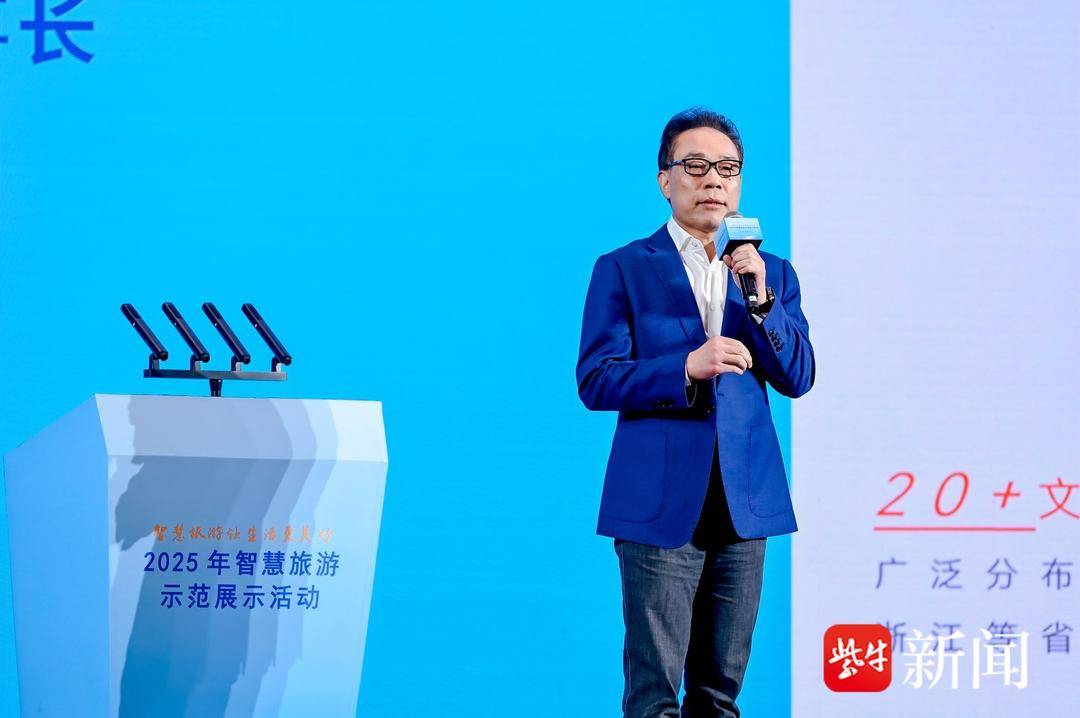
2025年智慧旅游示范展示活动在无锡举办
Yang Zi Wan Bao Wang· 2025-10-29 13:42
Core Insights - The 2025 Smart Tourism Demonstration and Exhibition event was held in Wuxi, focusing on showcasing the achievements of smart tourism and promoting the implementation of the "Smart Tourism Innovation Development Action Plan" [1] Group 1: Event Overview - The event was co-hosted by the Ministry of Culture and Tourism, Jiangsu Provincial Department of Culture and Tourism, and Wuxi Municipal Government, with various local government bodies involved in its organization [1] - The theme of the event was "Smart Tourism Makes Life Better," emphasizing the importance of smart tourism services through demonstrations, sharing sessions, and networking opportunities [1] Group 2: AI in Tourism - Experts indicated that the application of AI in the tourism industry has become essential, enhancing the travel experience for tourists by providing more personalized, safer, and deeper experiences [4] - A significant 66.56% of tourists expressed willingness to spend more on smart tourism products and services, with an increase in those willing to spend between 1,000 to 3,000 yuan or more [4] Group 3: Industry Practices - Practical applications of smart tourism are underway, such as the Lingshan Cultural Tourism Group's use of digital virtual humans and virtual reality in the Hongshan Wonderland project, allowing tourists to engage with historical figures and experience Wu-Yue culture [7] - The Hongshan Forest Zoo is enhancing visitor management through technology, collecting data on visitor experiences to improve comfort and satisfaction during their visits [7] Group 4: Collaboration and Networking - Representatives at the event observed smart tourism applications in Huishan Ancient Town, and experts shared insights on how smart tourism can rejuvenate traditional tourism [10] - Various companies engaged in supply-demand matching around themes of "smart tourism governance" and "smart tourism services," leading to multiple cooperation intentions [10]
又一行业成时代眼泪?从遍地开花到亏本退出,背后原因令人深思
Sou Hu Cai Jing· 2025-10-25 05:51
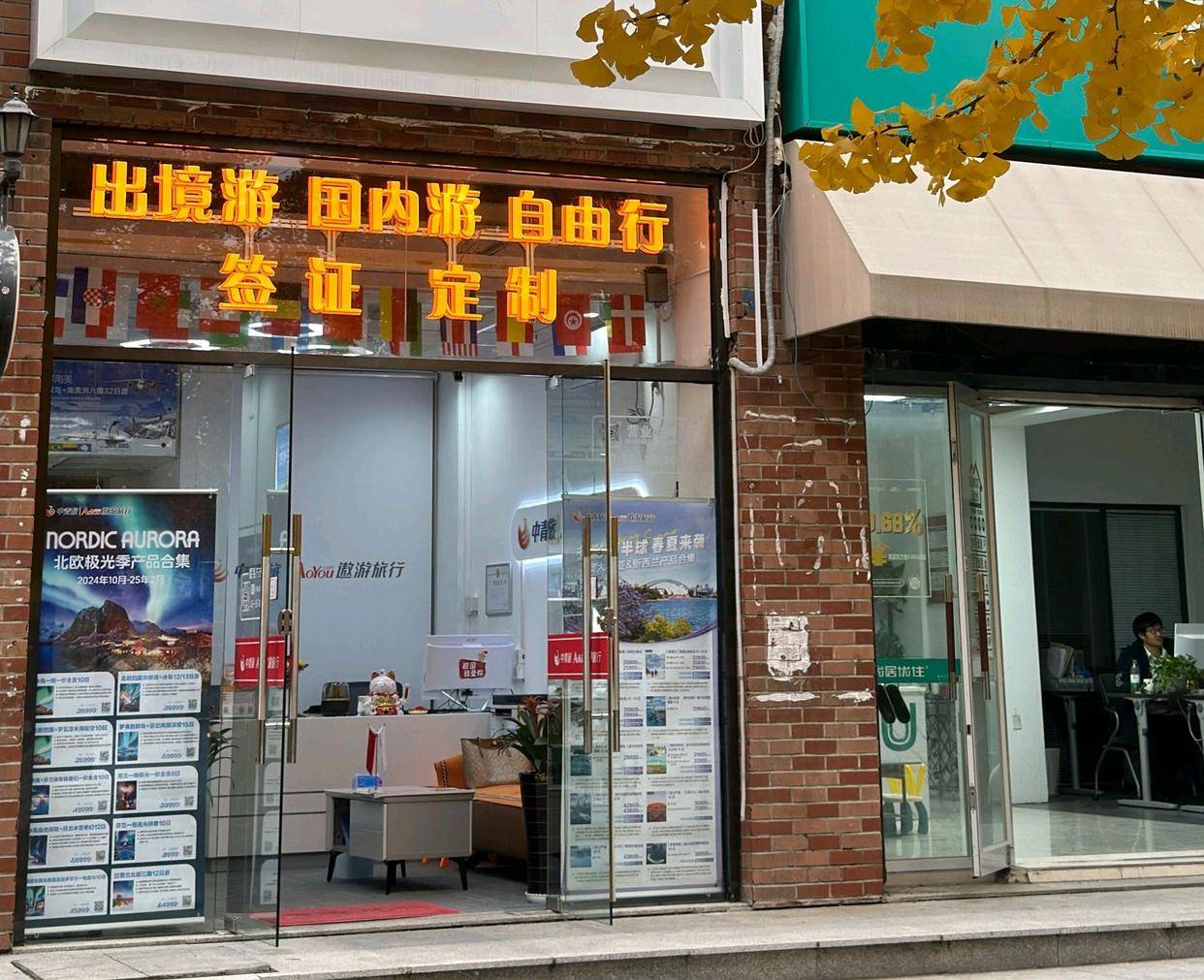
Core Viewpoint - The traditional travel agency industry, once thriving, is now facing significant decline due to policy shifts, market changes, and evolving consumer habits, leading to many agencies exiting the market [1]. Group 1: Historical Context - The traditional travel agency industry experienced a boom, with the number of agencies increasing from 29,717 in 2013 to 56,275 in 2023, a growth of 24.61% from 2022 [3]. - In 2019, the industry reached its revenue peak at 710.34 billion, with many agencies thriving and even opening multiple locations in a single street [3]. - The industry employed over 310,000 people in 2023, with 67.4% holding a college degree, highlighting its role as a significant employment sector [3]. Group 2: Current Challenges - The market share of traditional travel agencies has plummeted, with only 2.53% of the outbound travel market choosing group tours in the first half of 2024, down from 839 participants per agency in 2019 to 355 in 2024, a decline of 57.69% [5]. - Revenue for the industry dropped to 160.16 billion in 2022, rebounding to 592.59 billion in 2023 but still below 2019 levels, with many agencies struggling to cover operational costs [5]. - A significant number of agencies are closing, with over 900 agencies deregistering in May 2024 alone, indicating a troubling trend of high turnover in the industry [6]. Group 3: Reasons for Decline - Policy changes favoring digital transformation in tourism have left traditional agencies behind, as the government promotes "smart tourism" and digital solutions [8]. - The rise of online travel platforms has eroded the traditional agencies' competitive edge, with platforms like Douyin achieving a GMV of over 300 billion in 2024, significantly impacting traditional business models [9]. - Consumer preferences have shifted towards personalized travel experiences, with private tours increasing nearly fourfold since 2019, indicating a move away from standardized group tours [10]. Group 4: Potential Recovery Strategies - Traditional agencies can leverage online platforms, with companies like Ctrip successfully using live streaming to boost sales, suggesting a viable path for attracting customers [11]. - Focusing on niche markets and offering customized services, such as wellness travel for seniors or educational trips for families, can help agencies differentiate themselves from online competitors [12]. - Compliance with regulations and improving service quality are essential for long-term sustainability, as evidenced by significant fines for non-compliance in the industry [13].
“天涯共此时”约旦访华学者交流会举行
人民网-国际频道 原创稿· 2025-10-22 03:06
Group 1 - The "2025 'Together at the Same Time'" exchange event for Jordanian scholars visiting China was recently held at the Chinese Cultural Center in Amman, attended by over fifty representatives from various sectors in Jordan [1] - Zhao Xiaoqiang, the cultural counselor of the Chinese Embassy in Jordan, emphasized the long-standing friendly exchanges between China and Jordan, highlighting the deepening cooperation in culture, education, tourism, sports, and media [1] Group 2 - Lameen Hussein, a prominent cultural education consultant from Jordan, shared insights on China's practices in cultural heritage, smart tourism, green economy, and educational innovation, using examples from Shanghai and Yunnan [2] - Hussein expressed hope that Jordanian youth would gain a deeper understanding of Chinese culture to inspire their own value realization in education, entrepreneurship, and social innovation [2] - A themed photo exhibition titled "New Chapter of the Silk Road: Integration and Coexistence" was held concurrently, showcasing China's latest achievements in cultural heritage protection and sustainable development [2][5] Group 3 - The "Together at the Same Time" series is a cultural brand created by the Amman Chinese Cultural Center, aimed at enhancing mutual understanding and friendship between the peoples of China and Jordan through festive activities, artistic performances, and intellectual exchanges [5]